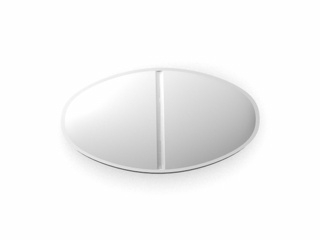
Uniphyl Cr (Theophylline) – Patient Guide (Australia)
Uniphyl Cr is a slow‑release medicine containing theophylline. It is used to help open the airways and reduce breathing symptoms in certain long‑term lung conditions, most commonly chronic obstructive pulmonary disease (COPD) and some asthma situations where other options may not be sufficient.
This guide explains what Uniphyl Cr is, how it works, how it’s taken, what to watch for, and how to use it safely. If you have any questions about your specific treatment plan, ask your pharmacist or doctor.
Basic product information
| Product | Active ingredient | Formulation | Common strengths (varies by brand listing) |
|---|---|---|---|
| Uniphyl Cr | Theophylline | Controlled/extended release (CR) | Often available in multiple strengths (e.g., 100 mg, 200 mg, 300 mg, depending on the product pack) |
Key idea about CR (controlled/extended release): Uniphyl Cr is designed to release theophylline slowly over time. This helps maintain steadier levels in the body and can reduce side effects compared with immediate‑release products—when taken correctly.
What theophylline does (mechanism of action)
Theophylline is a bronchodilator. It helps relieve symptoms such as:
- Wheezing
- Shortness of breath
- Chest tightness
- Cough related to airway narrowing
Its effects include:
- Airway relaxation: Theophylline relaxes smooth muscle in the airways, widening them and improving airflow.
- Reduced bronchoconstriction: It can help decrease the tendency of airways to narrow.
- Anti‑inflammatory effects (limited but relevant): Theophylline may influence inflammatory pathways, contributing to symptom control in some patients.
- Stimulation of breathing centres: It can increase responsiveness to carbon dioxide, supporting ventilation in some contexts.
Important: In many modern COPD and asthma plans, theophylline is used as an add‑on therapy rather than first‑line treatment, particularly because of theophylline’s interaction profile and dose‑related side effects.
Pharmacokinetics (how the medicine moves through your body)
Understanding pharmacokinetics helps explain why timing and interactions matter.
- Absorption: Theophylline is absorbed from the gastrointestinal tract. With CR formulations like Uniphyl Cr, absorption is slower and steadier.
- Peak levels: Blood levels generally rise gradually; peak concentrations occur later than immediate‑release products.
- Distribution: Theophylline distributes throughout body tissues and can cross into relevant body compartments.
- Metabolism: Theophylline is mainly metabolised by the liver (notably via the CYP enzyme system). This is a major reason for drug interactions.
- Elimination: It is cleared from the body primarily through the kidneys after liver metabolism.
- Half‑life: The time it takes for the body to reduce the amount of theophylline by half can vary between people and is affected by liver function, smoking status, age, and interacting medicines.
Clinical implication: Because blood levels can rise too high, especially with interactions, theophylline therapy often requires careful dosing and sometimes blood level monitoring.
Typical uses
Uniphyl Cr (theophylline) may be used for:
- COPD: To help improve airflow and reduce symptoms in people with chronic obstructive pulmonary disease.
- Asthma: As an add‑on in selected cases where symptoms are not controlled adequately with standard controller medicines. Theophylline is not usually a first‑choice add‑on compared with many inhaled options.
- Sometimes other obstructive airway conditions: Use depends on individual circumstances and local clinical practice.
Reliever note: Theophylline is not a rapid‑acting “rescue” medicine for sudden attacks. For sudden symptoms, your asthma/COPD action plan may recommend a quick‑acting reliever inhaler (e.g., a short‑acting bronchodilator).
When to take it (timing and schedule)
Uniphyl Cr is slow‑release. Typical schedules depend on the prescribed regimen, but many patients take it in either once‑daily or divided doses across the day.
General timing principles
- Take at the same times each day to keep levels steadier.
- Follow the directions on your prescription label or as advised by your healthcare team.
- Do not double up if you miss a dose—take the next dose at the correct time.
With or without food?
Theophylline can be taken with or without food for many people; however, some formulations may have absorption that can be affected by meal content. If you notice symptoms like nausea or stomach upset, discuss taking it with food.
Do not crush or split CR tablets unless your pharmacist or prescriber specifically advises it. Altering the release can lead to faster absorption and higher risk of side effects.
Food interactions and dietary considerations
Food and beverages can affect theophylline levels and how well it’s tolerated.
- Caffeine: Theophylline is related to caffeine and may have additive stimulant effects. High caffeine intake (coffee, energy drinks, strong tea, some cola drinks) can worsen side effects such as shakiness, insomnia, palpitations, or nausea.
- Large or high‑fat meals: Some patients may experience changes in absorption or tolerance. If your symptoms vary after meals, consider consistent meal timing and discuss with your pharmacist.
- Alcohol (see interactions below): Alcohol can increase risk of side effects and may affect the body’s ability to metabolise theophylline.
Tip: Try to maintain a consistent daily caffeine intake while on Uniphyl Cr so side effects (if they occur) are easier to manage.
Alcohol and medicine interactions
Theophylline has a well‑known interaction profile. Some medicines can significantly increase theophylline levels, raising the risk of toxicity. Others can decrease levels and reduce effectiveness.
Alcohol
- Use caution: Alcohol may increase the chance of side effects such as dizziness, nausea, or irregular heartbeat.
- Reduce or avoid binge drinking: Large amounts may alter metabolism and worsen tolerance.
Common medicine interaction categories (examples)
Because exact interaction risk depends on your dose, kidney/liver function, and your other medicines, always check with a pharmacist before starting or stopping any medicine, including over‑the‑counter products.
- Antibiotics (can increase levels): Some antibiotics can raise theophylline levels (examples include macrolides and certain others). Your pharmacist can confirm which ones apply to you.
- Antifungals (can increase levels): Some antifungal medicines may increase theophylline levels.
- Heart rhythm or other cardiovascular medicines: Interactions may increase risk of palpitations or affect heart rhythm. Close monitoring is important.
- Anti‑seizure medicines: Some anti‑epileptic drugs can lower theophylline levels; others can interact in complex ways.
- Smoking changes: Smoking (and changes in smoking) can lower theophylline levels. Stopping smoking may increase levels and raise toxicity risk.
- Stimulants: Medicines or supplements with stimulant effects (including some cold and flu products) can worsen side effects.
- Other bronchodilators: Using multiple airway‑opening drugs may increase side effects like tremor or palpitations for some people.
Over‑the‑counter products
Be careful with:
- Cold and flu medications (some contain caffeine or stimulants)
- Weight‑loss products or supplements with stimulant ingredients
- Herbal supplements—their interaction potential can be unpredictable
Best practice: Keep a list of your medicines and bring it when you speak with a pharmacist.
Indications (why Uniphyl Cr is used)
Uniphyl Cr is indicated for long‑term management of airway disease symptoms where bronchodilation support is needed, particularly:
- COPD: Helping improve airflow and reduce symptoms.
- Asthma (selected patients): When used as an add‑on to controller therapy in certain cases.
Its role may be different from inhaled therapies such as long‑acting bronchodilators and inhaled corticosteroids, which are commonly used as first line for many patients.
Dosing guidance (how it’s typically prescribed)
Dosing of theophylline is individual. Theophylline is not “one size fits all” because blood levels can vary and because toxicity risk increases when levels rise too high.
General dosing principles
- Start low and increase carefully if needed.
- Dose may depend on: age, smoking status, liver function, other medicines, and response/tolerability.
- Blood level monitoring may be used for safety in some patients, especially if symptoms suggest toxicity or if interacting medicines are introduced.
Controlled/extended release specifics
- Do not crush or chew CR tablets/capsules.
- Keep the release profile intact to avoid sudden increases in theophylline levels.
If you miss a dose
- Take the next scheduled dose when it’s due.
- Do not take an extra dose to make up for the missed one.
Seek urgent help if you accidentally take too much, especially if you develop severe nausea/vomiting, rapid heartbeat, tremor, or confusion.
Safety profile (what to watch for)
Theophylline can cause side effects, and the risk increases with higher blood levels. Unwanted effects often involve the stomach, nervous system, and heart rhythm.
Common side effects
- Nausea, vomiting, stomach discomfort
- Headache
- Tremor or shakiness
- Restlessness or difficulty sleeping
- Heart pounding or mild palpitations
Serious side effects (get urgent medical help)
- Signs of theophylline toxicity such as:
- Severe or persistent vomiting
- Marked tremor, agitation, or confusion
- Fast or irregular heartbeat
- Seizures
- Fainting or severe dizziness
- Allergic reactions such as rash, swelling, or breathing difficulty
Risk factors for toxicity
Theophylline levels can rise if you have certain risk factors. Talk to your pharmacist if you:
- Have liver disease
- Are elderly
- Start or stop smoking
- Start interacting medicines (certain antibiotics, antifungals, or other drugs)
- Have heart rhythm problems
Practical use tips for best results
- Keep consistent habits: Maintain a stable caffeine intake and avoid sudden changes in smoking.
- Measure symptoms: Track your breathing, wheeze frequency, and reliever use if you’ve been advised to do so.
- Use your action plan: If symptoms suddenly worsen, follow your asthma/COPD action plan rather than adjusting theophylline yourself.
- Take it the right way: Swallow CR tablets whole with water; do not crush or split.
- Report side effects early: Early signs like tremor, palpitations, or severe nausea should be discussed promptly.
- Regular review: Ask your doctor/pharmacist to review whether theophylline remains appropriate for you over time.
Alternative options (discuss with your clinician)
Depending on whether you have COPD or asthma, alternatives may include:
- Inhaled bronchodilators: Long‑acting beta2 agonists (LABAs) and long‑acting muscarinic antagonists (LAMAs) for COPD.
- Inhaled corticosteroids: Particularly for asthma or COPD patients with exacerbations and appropriate indications.
- Leukotriene receptor antagonists: Used in some asthma profiles.
- Short‑acting relievers: For quick relief during acute symptoms as part of an action plan.
- Other add‑on therapies: In some cases, non‑theophylline options may be preferred due to fewer interactions.
Note: Alternatives depend strongly on your diagnosis, severity, symptom patterns, and current medicines. Your clinician can help tailor the safest approach.
Market and legal context for Australia
In Australia, medicines containing theophylline are regulated under the Therapeutic Goods Administration (TGA) framework. Availability and supply conditions are controlled to support safe use. Uniphyl Cr products may be supplied in accordance with Australian medicines scheduling and pharmacy requirements.
Pharmacies follow Australian guidelines for medicine counselling, interactions checking, and supply integrity. Because theophylline can have clinically significant interactions and dose‑related toxicity risks, pharmacists play an important role in ensuring you receive correct dosing information and understand safety precautions.
Recent guidance (general themes): Australian respiratory guidance commonly emphasises optimising inhaled therapy for COPD/asthma first, using theophylline selectively as an add‑on when appropriate and with careful monitoring due to safety and interaction considerations. Advice may also stress reviewing the continued need for theophylline and monitoring for side effects.
Delivery and availability (Australia)
Online pharmacies in Australia typically provide delivery across metropolitan and regional areas, subject to state/territory requirements and product availability. Availability of specific Uniphyl Cr strengths can vary by supplier and stock levels.
What to expect when ordering online:
- Stock checks: Some products may require verification of strength and pack type.
- Cold chain: Generally not required for tablet CR formulations, but packaging details are always confirmed.
- Identification and dispensing checks: Retail processes may require accurate patient details and prescription information where applicable.
- Delivery timeframe: Commonly a few business days depending on location and logistics.
If you need help confirming your strength or pack size, contact the pharmacy support team before placing your order.
FAQ
1) What is Uniphyl Cr used for?
Uniphyl Cr is used to help manage symptoms caused by narrowed airways in conditions such as COPD and, in selected patients, asthma. It works as a bronchodilator to improve airflow over time.
2) How is Uniphyl Cr different from regular theophylline?
Uniphyl Cr is a controlled/extended‑release formulation. It releases medicine more slowly so levels are steadier. This is why it should not be crushed or chewed.
3) How long does it take to work?
Some people notice symptom improvement within days, but theophylline is typically assessed over a period to judge sustained benefit and tolerability. Your clinician can advise when to review response.
4) Can I take it with food?
It can often be taken with or without food. However, individual tolerance varies. If you get nausea or stomach upset, try taking it with a meal (and keep your routine consistent).
5) Is Uniphyl Cr a rescue medicine for sudden breathing problems?
No. It is not usually used for sudden attacks. Use your prescribed reliever (often a short‑acting inhaler) according to your action plan.
6) Can I drink coffee or energy drinks?
Try to keep caffeine intake consistent. Too much caffeine may increase stimulant side effects such as tremor, palpitations, or insomnia.
7) What medicines should I avoid while taking theophylline?
Several medicines can interact and change theophylline levels or side effect risk. This includes some antibiotics, antifungals, and other drugs. Always check with a pharmacist before starting new medicines, including over‑the‑counter products.
8) What should I do if I miss a dose?
Take your next scheduled dose. Do not take an extra dose to catch up.
9) What are signs of too much theophylline?
Possible warning signs include severe nausea/vomiting, pronounced tremor, agitation/confusion, fast or irregular heartbeat, seizures, or fainting. If these occur, seek urgent medical help.
10) Can I stop Uniphyl Cr suddenly?
Do not stop without medical advice. Stopping may worsen breathing symptoms or affect your overall treatment plan. Discuss any changes with your doctor or pharmacist.
11) Do I need blood tests?
Some people benefit from monitoring blood theophylline levels, particularly if they are older, have liver disease, have frequent side effects, or use interacting medicines. Your clinician will decide what monitoring—if any—is appropriate.
12) Is it safe to drink alcohol?
Use caution. Alcohol may worsen side effects and can affect how theophylline is tolerated. If you drink alcohol, do so moderately and discuss with your pharmacist if you’re unsure.
Summary
Uniphyl Cr (theophylline) is a slow‑release bronchodilator used for long‑term management of airway disease symptoms, especially COPD and selected asthma cases. Because theophylline levels can be affected by other medicines, smoking, liver function, and caffeine/alcohol intake, it’s important to take it exactly as directed, avoid crushing CR tablets, and seek advice promptly if you notice side effects such as tremor, palpitations, or severe stomach upset.