Tretinoin (Isotretinoin) — Patient Information (Australia)
Tretinoin, commonly used to refer to isotretinoin in acne medicine, is an oral retinoid used for severe acne and other conditions where reduction of oil production, inflammation control, and normalisation of skin cell behaviour are important. This page explains how isotretinoin works, how it is used, what to expect, and practical safety guidance for people in Australia.
Always follow the instructions provided by your healthcare professional. Medicines can affect people differently. If you are unsure about side effects, interactions, or suitability, seek medical advice.
1) Basic product information
| Category | Details |
|---|---|
| Generic name | Isotretinoin |
| Common brand examples | May vary by manufacturer and supply (ask your pharmacy) |
| Medicine type | Oral retinoid (vitamin A–related medicine) |
| How it is taken | Typically once or twice daily with food, depending on the prescribed regimen |
| Uses | Severe acne and selected dermatology indications under clinical guidance |
| Key safety highlights | Strong pregnancy prevention requirements; dryness and other retinoid effects are common |
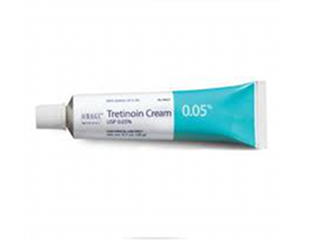
Note: Tretinoin (topical) and isotretinoin (oral) are different medicines. This page focuses on isotretinoin (oral).
2) How isotretinoin works (mechanism of action)
Isotretinoin belongs to the class of medicines called retinoids. In the skin, it helps to:
- Reduce sebum (oil) production by shrinking activity of the sebaceous glands.
- Normalise keratinisation (how skin cells shed inside hair follicles), which helps prevent clogged pores and new acne lesions.
- Lower inflammation associated with acne.
- Influence acne-causing bacteria and follicular environment, reducing overall acne activity.
Because isotretinoin targets several pathways at once, it can deliver long-lasting improvements for many people with severe acne, often after a defined course of treatment.
3) Pharmacokinetics (how the body processes it)
Pharmacokinetics explains what the body does with a medicine—absorption, distribution, metabolism, and elimination. Key points for isotretinoin include:
- Absorption: Absorption from the gut can be increased when taken with food, particularly meals containing fat. This is why dosing instructions often include taking the capsule with a meal.
- Distribution: Isotretinoin and its active metabolites distribute throughout the body, including the skin.
- Metabolism: Isotretinoin is metabolised in the liver to related compounds that may contribute to the overall effect.
- Elimination: The medicine and metabolites are removed primarily through the liver/bile and through the kidneys.
- Peak effect timing: People may notice changes in acne over weeks, but full response typically takes longer.
Your prescriber may arrange blood tests during treatment to monitor certain risks (for example, liver function and blood fats). The exact schedule varies by clinical context.
4) Typical use and timing
Isotretinoin is commonly used for severe acne (especially acne that has not responded to conventional treatments) and for certain inflammatory acne conditions. It may also be used for other skin conditions based on specialist assessment.
When should you expect results?
- First 2–4 weeks: Some people experience an “initial flare” or temporary worsening.
- By 4–8 weeks: Many begin to notice reduced new breakouts and less inflammation.
- After 8–12+ weeks: Improvement often becomes more obvious and progressively clearer.
- Course completion: A typical course lasts several months, depending on the dose and your clinical response.
Consistency matters. If you miss a dose, do not “double up” unless your healthcare professional advises otherwise.
5) Indications (when isotretinoin may be used)
In Australia, isotretinoin is typically considered for:
- Severe nodular acne (acne lumps that may cause scarring).
- Acne that is resistant to standard treatments (such as topical therapies and oral antibiotics).
- Acne with scarring risk or significant psychosocial impact.
- Selected other dermatological conditions (decided case-by-case by a specialist).
Suitability depends on your acne severity, previous treatments, medical history, and safety risk profile—especially regarding pregnancy prevention requirements for people who can become pregnant.
6) Dosing (general guidance)
Dosing varies based on body weight, acne severity, response, and tolerability. A clinician will tailor the dose and duration for you.
How it is usually taken
- With food: Capsules are commonly taken with a meal to support absorption and minimise variability.
- Frequency: Often once or twice daily, depending on the specific dose instructions.
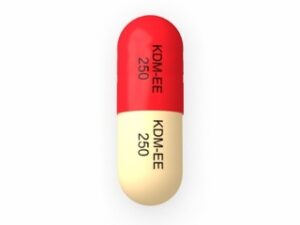
- Swallow whole: Do not crush or chew capsules unless your product guidance says otherwise.
Missed dose
If you miss a dose, take it when you remember unless it is close to the next dose. If it is close, skip the missed dose and continue your regular schedule. If you are unsure, ask your pharmacist.
7) Food interactions
Food plays an important role in how isotretinoin is absorbed. General guidance includes:
- Take with meals (especially meals containing fat) as advised. This can improve consistent absorption.
- Avoid taking it on an empty stomach unless your clinician specifically instructs otherwise.
- Maintain routine: taking doses at similar times with similar meal patterns may help.
If you have dietary restrictions or gut issues that affect meal tolerance, discuss this with your healthcare professional.
8) Alcohol and medicine interactions
Alcohol
Alcohol use should be approached cautiously. Isotretinoin can affect liver-related laboratory parameters in some people, and alcohol may add strain on the liver. For the safest approach:
- Consider limiting or avoiding alcohol during treatment, especially if you have abnormal liver tests.
- Discuss safe limits with your clinician if you drink regularly.
- Stop and seek advice if you develop symptoms like unusual fatigue, abdominal pain, dark urine, or jaundice.
Medicine interactions
Some medicines can increase the risk of side effects or reduce effectiveness. Tell your healthcare professional and pharmacist about all medicines and supplements you take, including:
- Other vitamin A–related products (avoid taking vitamin A or other retinoid supplements unless prescribed).
- Tetracycline antibiotics (for example, doxycycline, minocycline) — combined use may increase risk of raised intracranial pressure.
- Phenytoin or st. john’s wort — may affect metabolism or increase risk in some cases.
- Corticosteroids — may increase risk of certain complications.
- Medicines affecting liver enzymes — your clinician may review your full medication list.
- Supplements with high vitamin A content — often overlooked but important for safety.
If you are starting a new medicine or supplement, check with your pharmacist first.
9) Safety profile (what to expect and when to get help)
Isotretinoin has well-known side effects, largely related to its effects on cell turnover and dryness of mucous membranes. Many side effects are manageable with early supportive care, but some require urgent attention.
Common side effects
- Dry lips (cheilitis) and cracked corners of the mouth.
- Dry skin and mild to moderate irritation.
- Dry eyes, eye discomfort, or sensitivity to light.
- Dry nose or nosebleeds in some people.
- Rash or peeling skin.
- Joint or muscle aches, sometimes increased after exercise.
- Headache or general fatigue (often mild; persistent or severe headaches need medical review).
- Increased blood fats (cholesterol and triglycerides) in some people—monitored with blood tests.
- Changes in liver function tests—also monitored.
- Temporary acne flare in early weeks.
Serious risks — seek prompt medical attention
The most critical safety concern is pregnancy exposure. Other serious adverse effects can occur, though less commonly. Contact urgent medical care if you experience:
- Signs of pregnancy exposure for anyone who can become pregnant (seek urgent advice if exposure is suspected).
- Severe headache, blurred vision, nausea/vomiting, or neurological symptoms (possible raised intracranial pressure).
- Severe mood changes, depression symptoms, agitation, or thoughts of self-harm. Mental health symptoms should be taken seriously and discussed promptly.
- Severe abdominal pain, persistent vomiting, or blood in stool (rare but important GI symptoms).
- Yellowing of skin/eyes, dark urine, or severe fatigue (possible liver-related issues).
- Vision changes or severe eye pain.
- Allergic reaction such as swelling of the face/lips, wheezing, or widespread hives.
Pregnancy and contraception requirements (critical)
Isotretinoin can cause severe birth defects. Because of this, strict pregnancy prevention measures are required for anyone who can become pregnant. In general, this involves:
- Using highly effective contraception as instructed.
- Following required timing for contraception before, during, and after treatment.
- Undergoing pregnancy testing as required by the local program and clinician.
- Not sharing medicine with others.
If you are planning pregnancy or could become pregnant, discuss options and safety requirements with your healthcare professional before starting. If pregnancy occurs or is suspected, seek urgent medical advice immediately.
10) Practical use tips (making treatment easier)
Manage dryness early
- Lip care: Use a thick emollient lip balm regularly, especially before bed.
- Moisturiser: Choose gentle, fragrance-free moisturisers. Apply after cleansing.
- Skin cleanser: Use a mild cleanser; avoid harsh scrubs and strong exfoliants.
- Eye care: Consider lubricating eye drops (if suitable) and avoid contact with irritants.
- Sun protection: Use broad-spectrum sunscreen and protective clothing.
Avoid irritating skin treatments
- Try to avoid waxing, aggressive peels, and certain dermatologic procedures unless your clinician advises it.
- Don’t use additional strong acne actives (such as high-strength acids) unless advised, as dryness may worsen.
Exercise and comfort
- If you experience muscle or joint aches, reduce intensity temporarily and stay hydrated.
- Gentle stretching can help; seek advice if pain becomes severe or persistent.
Hydration and symptom tracking
- Drink water regularly to support overall comfort.
- Keep notes of side effects, mood changes, headaches, or vision issues to help your clinician adjust care.
11) Alternative options for severe acne
If isotretinoin is not suitable or you prefer alternatives, several approaches may be considered depending on acne type and severity. Options include:
Common alternatives
- Topical treatments (for example, benzoyl peroxide, topical retinoids, and antibiotics where appropriate).
- Oral antibiotics for limited periods, often combined with topical agents to reduce resistance risk.
- Hormonal therapies for people with acne influenced by hormones (discuss suitability).
- Procedural treatments such as light therapies or extraction/dermatology procedures.
- Maintenance regimens after improvement to reduce relapse (choice varies widely).
Your clinician can advise which option best matches your acne severity, previous treatments, and safety considerations.
12) Australia market and legal context
In Australia, isotretinoin is regulated as a medicine with high risk due to teratogenicity (ability to cause serious birth defects). As a result, prescribing and dispensing may be subject to:
- Strict governance and risk management requirements.
- Additional identity, education, and pregnancy prevention measures for people who can become pregnant.
- Medication supply oversight to support safe use.
Pharmacy services and healthcare pathways may also involve documentation, counselling, and scheduled checks. Requirements can change over time, so always rely on instructions given by your healthcare team and pharmacy at the time of dispensing.
Recent guidance (general direction)
Recent updates in acne management internationally and locally have emphasised:
- Consistent pregnancy prevention measures.
- Careful medicine reconciliation for drug and supplement interactions.
- Supportive skin care to improve adherence and reduce dryness-related issues.
- Mental health awareness and prompt attention to mood changes reported during treatment.
Your clinician may also use local dermatology protocols for lab testing frequency and dose adjustment.
13) Delivery and availability in Australia
Availability varies by product brand, strength, and current supply. Online pharmacy delivery options generally include:
- Standard and express shipping may be offered depending on location and stock.
- Cold-chain storage is usually not required for isotretinoin capsules, but store as instructed on the packaging.
- Packaging and privacy: Medicines are typically shipped in discreet packaging.
- Delivery time: Transit times vary by postcode and carrier.
When ordering online, ensure you enter your delivery details accurately. If your parcel is delayed or you have difficulty receiving it, contact the pharmacy support team.
Storage
- Store at room temperature (unless the label states otherwise).
- Keep out of reach of children.
- Protect from excessive heat and moisture.
14) FAQ
Is isotretinoin the same as tretinoin?
No. Tretinoin can refer to topical vitamin A derivatives used on the skin. Isotretinoin is the oral form used for severe acne and selected conditions. They are different medicines with different risks and dosing.
How long does isotretinoin take to work?
Many people begin to notice improvement within the first 1–2 months. Full results usually take longer (often 3–6 months depending on the course length and dose). An initial acne flare can happen early.
Should I take isotretinoin with food?
In many regimens, capsules are recommended to be taken with a meal to support absorption and reduce variability. Follow the exact dosing instructions on your medication label.
What moisturisers and lip balms are best?
Generally, choose fragrance-free and gentle products. A thicker emollient is often more effective for lips and dry skin. If you are unsure, ask your pharmacist for suitable options available in Australia.
Can I drink alcohol while taking isotretinoin?
Alcohol should be used cautiously. Because isotretinoin can affect liver-related laboratory values, limiting alcohol or avoiding it during treatment is often advised. Discuss your situation with your healthcare professional.
Can I take vitamin supplements during treatment?
Avoid taking vitamin A or other retinoid supplements unless your clinician specifically instructs you. Other supplements should be discussed with your pharmacist to check for interactions and dose safety.
What blood tests might be needed?
Many treatment plans include monitoring of liver function and blood fats (cholesterol/triglycerides), with the frequency decided by your prescriber. Follow the testing schedule provided.
What should I do if I miss a dose?
Take it when you remember unless it is close to the next dose. If close, skip the missed dose and continue your schedule. Do not double up. If uncertain, ask your pharmacist.
Are there long-term risks?
Many side effects improve after treatment ends. However, some effects (for example, dryness during the course) may take time to settle. Rare serious outcomes can occur; report symptoms promptly and follow follow-up guidance.
When should I contact my doctor urgently?
Seek urgent medical attention if you experience severe headache with visual changes, signs of depression or self-harm, severe abdominal pain, yellowing of skin/eyes, signs of pregnancy exposure, or symptoms of a severe allergic reaction.
Can I share my medication with anyone?
No. Isotretinoin is dangerous if taken by someone else and must not be shared.
Disclaimer: This information is a general guide for patient education and does not replace personalised medical advice. If you have questions about suitability, side effects, or interactions, speak with your healthcare professional or pharmacist.