Diprolene® (Betamethasone) – Patient Information (Australia)
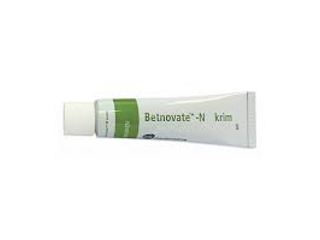
Diprolene is a brand of betamethasone, a medicine from the corticosteroid (steroid) class used to relieve symptoms of inflammatory skin conditions. It is available in different strengths and forms depending on the product (for example, creams, ointments, and lotions).
This guide explains what Diprolene is, how it works, common uses, how to apply it safely, expected effects, and important precautions. Always follow the directions provided with your specific product.
Quick overview
- Active ingredient: Betamethasone (corticosteroid)
- Medicine type: Anti-inflammatory topical corticosteroid
- Common forms: Cream, ointment, lotion (varies by product)
- What it helps: Redness, swelling, itching, and inflammation in steroid-responsive skin disorders
- Where it’s used: Skin (external use only)
- Typical use style: Short-term courses on affected areas, with breaks as advised
Basic product information
| Category | Details |
|---|---|
| Brand | Diprolene® |
| Generic name | Betamethasone |
| Drug class | Topical corticosteroid (anti-inflammatory) |
| Route | Skin only (topical) |
| Strength | Depends on the Diprolene presentation (check your pack) |
| Typical application | Once or twice daily to affected areas as directed |
Important: Different Diprolene products can have different potencies and vehicle types (cream vs ointment vs lotion). These differences affect how and where you should apply the medicine. Always check your pack label and directions.
How Diprolene works (mechanism of action)
Betamethasone is a corticosteroid that reduces inflammation in the skin. It helps:
- Suppress inflammatory immune activity that contributes to redness and swelling
- Reduce itching by calming inflammatory pathways
- Decrease abnormal skin responses seen in many steroid-responsive conditions
The result is symptomatic relief—less redness, swelling, and itch—while the skin heals. Because it works by reducing inflammation, it is not an antibiotic and does not treat infections directly.
Pharmacokinetics (how the body handles it)
When applied to intact skin, betamethasone absorption through the skin is generally limited. Absorption can increase under certain conditions:
- Using it on large areas
- Applying for long periods
- Covering the area with airtight dressings or bandages
- Applying to broken skin or in skin folds
- Using higher strength products
- In children (skin can absorb relatively more)
Once absorbed, corticosteroids are metabolised in the body (mainly in the liver) and excreted, with a profile similar to other corticosteroids. In most people using topical therapy as directed, systemic exposure is low.
If you use the product extensively or under occlusion, systemic effects become more likely. This is one reason it’s important to use the smallest effective amount for the shortest appropriate time.
Typical use and timing
When it’s usually applied
Diprolene is typically applied to affected skin once or twice daily, depending on the product strength and the condition being treated. For many inflammatory skin flares, symptoms start improving within a few days, though full benefit may take longer.
How long to use
In general, topical corticosteroids are used for the shortest time needed to control symptoms. Your prescriber/pharmacist instructions (or the product directions) are the best guide. If symptoms don’t improve or worsen after a reasonable trial, you should seek medical advice.
Practical timing tips
- Apply at a time you can consistently remember (e.g., morning and evening).
- Try applying at the same time each day to keep steroid exposure steady.
- After washing hands, allow the skin to dry before applying.
- Do not apply more frequently than advised.
Food interactions
Because Diprolene is used on the skin, food interactions are not expected. You can usually eat and drink normally while using topical betamethasone.
If you experience unusual symptoms or you are taking other medicines, speak with a pharmacist for personalised guidance.
Alcohol interactions
No direct alcohol interaction is expected with properly used topical betamethasone. However, alcohol may indirectly affect recovery if it worsens sleep, hydration, or general health.
If you have a history of liver disease or take medicines that affect steroid metabolism, ask a pharmacist for advice.
Medicine interactions
With topical use, systemic interactions are generally uncommon. Still, interactions may be relevant in certain scenarios, especially if betamethasone absorption is increased (for example, large areas, occlusion, or prolonged use).
Medicines that may increase risk
- Other corticosteroids (in tablet form, injections, or additional skin products) – may increase overall steroid exposure.
- Immunosuppressive medicines – infection risk may be affected.
- Medicines that affect liver enzymes (rarely clinically relevant for topical therapy at recommended use, but important if absorption is high)
- Topical products used at the same site (e.g., antiseptics, retinoids, keratolytics) – may irritate skin when combined.
If you are using multiple skin products, separate applications as directed and avoid applying conflicting products at the same time unless advised.
Indications: what Diprolene is used for
Diprolene (betamethasone) is used to treat inflammatory and itchy skin disorders that are responsive to topical corticosteroids. Common indications may include:
- Eczema and dermatitis flare-ups (as advised)
- Psoriasis in selected cases (doctor-guided use)
- Inflammatory skin conditions causing redness, itching, and swelling
- Other steroid-responsive inflammatory rashes as assessed by a clinician
Not for: If the rash is due to a fungal infection, viral infection, or an untreated bacterial infection, steroid alone may worsen the condition or mask symptoms. If your rash appears infected (for example, spreading warmth, pus, honey-coloured crusts, or painful blisters), seek advice promptly.
Dosing: how much and how to apply
Dosing depends on the specific Diprolene product, the area of skin, and the condition. Below are general application principles used by many topical steroid regimens. Always follow the directions on your product label.
Typical dosing approach (general guidance)
- Adults and older children: Often applied once or twice daily in a thin layer to the affected area.
- Children: Use with extra caution—smaller amounts and shorter duration may be needed.
- Frequency: Use the lowest effective frequency to control symptoms.
How much to use
A thin film is usually enough. A common way to estimate is the “fingertip unit” method: a strip of ointment/cream from the fingertip can cover an area of skin roughly the size of the palm (varies by product and body area).
How to apply correctly
- Wash and dry the affected area.
- Apply a thin layer to the affected skin only.
- Gently rub in until the product is evenly distributed.
- Wash your hands after application (unless treating the hands).
- Do not apply to broken skin unless advised by your healthcare professional.
Duration and step-down
When symptoms improve, you may be advised to reduce the frequency (for example, from twice daily to once daily) or stop the medicine. Do not continue longer than necessary.
If you are using Diprolene for repeated flares, discuss with your pharmacist or GP to develop a safe long-term plan, which may include moisturisers and non-steroid maintenance strategies.
Safety profile: side effects and when to seek help
Common local side effects
- Skin irritation, burning, or stinging
- Dryness or increased sensitivity
- Redness at the application site
- Folliculitis (small inflamed bumps)
Less common but important risks
- Skin thinning (atrophy) with prolonged use
- Stretch marks (striae)
- Visible blood vessels near the application area
- Rebound flare if stopped suddenly after long-term use
- Infection worsening if the rash is infectious and steroid masks it
Systemic effects (rare when used appropriately)
Systemic corticosteroid effects are unlikely when topical betamethasone is used correctly and on limited areas. However, higher risk occurs when used on large areas, under occlusion, for prolonged periods, or in children. Possible systemic effects can include effects on hormone function (e.g., adrenal suppression).
Seek medical advice urgently if
- You develop signs of infection (spreading redness, pus, fever, worsening pain)
- Your rash rapidly worsens or does not improve after a reasonable time
- There is significant swelling or blistering
- You suspect treatment is affecting eyes or vision (see “Precautions” below)
Precautions and practical use tips
Who should be extra cautious?
- Children (more absorption risk)
- Pregnant or breastfeeding people (discuss with a clinician before use, especially on large areas)
- Anyone with skin infections or suspected infection
- People using it on face, groin, or underarms (skin is more sensitive; steroid potency and duration matter)
Avoid using on
- Eyelids and around the eyes (risk of eye complications)
- Infected skin unless specifically advised
- Broken skin unless advised
- Long-term without review
Covering and occlusion
Avoid airtight dressings (occlusion) unless instructed. Covering can increase absorption and risk of side effects. If you need to cover the area (for example, to protect clothing), use a breathable covering and confirm with a pharmacist if uncertain.
Moisturiser and skin care (important)
For many eczema-related conditions, moisturising is a key part of symptom control. Consider:
- Apply moisturiser regularly (especially after bathing).
- You can use Diprolene on inflamed patches; moisturiser can be used on surrounding skin unless the directions indicate otherwise.
- To avoid mixing products, apply moisturiser first if the skin is non-inflamed, then apply Diprolene only to affected areas.
Stop rules and reassessment
- If symptoms improve, continue for the duration advised then stop or step down.
- If there’s no improvement within the expected timeframe, stop and seek advice.
- Do not “extend” treatment to use up the tube.
Alternative options
Depending on your diagnosis and severity, options may include:
- Other topical corticosteroids with different strengths or vehicles (cream vs ointment vs lotion)
- Topical calcineurin inhibitors (non-steroid anti-inflammatory options) for certain areas or long-term control
- Emollients/moisturising therapy as the foundation for eczema/dermatitis
- Antifungal or antibacterial treatments if infection is present (steroid may be inappropriate alone)
- Phototherapy or systemic treatments for severe conditions (specialist-led)
Your pharmacist can help discuss what alternatives might be appropriate based on the type of rash, location, and previous treatments.
Market and legal context for Australia
In Australia, the availability and category of topical medicines can vary by product strength and formulation. Some corticosteroid products are available with pharmacist guidance, while others may be restricted. Availability may depend on:
- The specific brand and strength of betamethasone
- Whether the product is classified for over-the-counter purchase or requires additional healthcare involvement
- Current local supply policies and pharmacy requirements
Online pharmacies aim to follow Australian consumer health and medicine safety practices, including providing clear product information, appropriate guidance, and prompts to seek medical advice when needed.
Recent guidance (general safety expectations)
In recent years, Australia-wide safety messaging for topical corticosteroids has emphasised:
- Using the lowest effective amount for the shortest effective duration
- Avoiding unnecessary long-term steroid use and getting reassessed if not improving
- Being cautious with higher potency steroids and thin-skin areas (face, groin)
- Recognising infection signs and not masking infected rashes
If you’re uncertain about your rash type, a pharmacist or GP can help confirm whether a steroid is appropriate and provide a plan for safer long-term control.
Delivery and availability (Australia)
Diprolene is commonly stocked by pharmacies and may be supplied by online pharmacies across Australia. Availability can vary depending on:
- The specific Diprolene formulation (cream/ointment/lotion) and strength
- Current stock levels and distribution schedules
- Whether delivery is to metropolitan or regional areas
When ordering online, check the product name and strength carefully. For best results:
- Confirm the formulation (cream vs ointment vs lotion).
- Check expiry dates shown on packaging or order details.
- Store as directed (typically at room temperature, protected from moisture and heat).
If your symptoms are severe, worsening, or associated with infection signs, it’s safer to seek timely clinical advice rather than waiting for delivery.
FAQ about Diprolene (Betamethasone)
1) What is Diprolene used for?
Diprolene (betamethasone) is used to relieve inflammation-related symptoms such as redness, itching, and swelling in steroid-responsive skin conditions (for example, certain eczema/dermatitis flares and other inflammatory rashes), as appropriate to the diagnosis.
2) How quickly will it work?
Many people notice improvement within a few days. It may take longer for complete relief depending on the condition, how severe it is, and how consistently it’s used.
3) Can I use Diprolene on my face?
Caution is needed. Facial skin is more sensitive and steroid side effects can occur more easily. Only use on the face if specifically advised for your product and condition, and follow the shortest duration guidance.
4) Can I apply it on infected skin?
If infection is suspected (painful, rapidly spreading redness, pus, crusting, blisters, or fever), don’t rely on steroid alone. Seek advice to identify the cause and choose the correct treatment.
5) Is it safe to use with moisturiser?
In many cases, yes. Moisturiser is often beneficial, especially for eczema. Apply moisturiser regularly and use Diprolene as a targeted treatment for inflamed patches unless your product directions advise otherwise.
6) Can I cover the treated area?
Avoid airtight occlusion (for example, plastic wrap) unless instructed. Covering can increase absorption and risk of side effects. Use breathable coverings if needed, and confirm with a pharmacist if unsure.
7) What if my symptoms don’t improve?
If there’s no improvement or the rash worsens, stop and seek advice. The rash may be misdiagnosed, infected, or require a different treatment plan.
8) Can I drink alcohol while using Diprolene?
No direct interaction is expected with topical use. However, overall health and recovery may be affected by alcohol. If you take other medications or have liver issues, ask a pharmacist for personal guidance.
9) Are there any food interactions?
Food interactions are not expected with topical betamethasone used as directed.
10) Are there alternatives if I need longer-term control?
Depending on the condition and location, alternatives may include non-steroid anti-inflammatory treatments, different strengths of topical steroids, moisturiser-only maintenance, or other therapies. A clinician can help determine the safest long-term strategy.
11) Who should I ask for advice before starting?
Ask a pharmacist or GP before using if you’re treating a child, using it on sensitive areas (face/groin), pregnant or breastfeeding, or if you suspect the rash could be infected.
Summary
Diprolene (betamethasone) is a topical corticosteroid that can help reduce inflammation and relieve symptoms such as itching, redness, and swelling in steroid-responsive skin conditions. It works by calming inflammatory processes in the skin. When used correctly—thin layer, affected areas only, and for the shortest appropriate duration—side effects are less likely.
If your rash does not improve, worsens, or you suspect infection, seek advice promptly. Combining appropriate steroid use with good skin care (particularly moisturisers) can improve outcomes and help reduce flare frequency.