Trandate (Labetalol) – Patient-Friendly Guide (Australia)
Trandate is a brand of the medicine labetalol, used to help manage certain types of high blood pressure and related cardiovascular conditions. This page explains how Trandate works, what it’s used for, how it’s typically taken, and important safety information. It also covers interactions with food, alcohol, and other medicines, plus practical tips for daily use.
The information below is designed to be easy to read. It does not replace advice from your doctor or pharmacist. If you have questions about whether Trandate is right for you, or if you have side effects, speak with your healthcare team.
Quick overview
- Active ingredient: Labetalol
- Brand name: Trandate
- Medicine type: Beta-blocker (non-selective) with alpha-blocking activity
- Common uses: High blood pressure (hypertension); sometimes used in specific settings such as severe hypertension, including pregnancy-related hypertension under specialist care
- How it may be taken: Tablets are commonly taken by mouth; dosing depends on your condition
- Common timing: Often taken two or three times daily, depending on the prescribed regimen
Basic product information
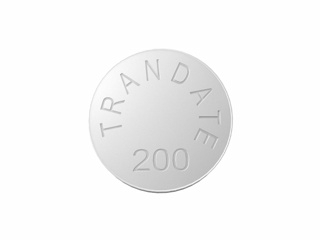
Trandate contains labetalol, a medicine that reduces blood pressure by acting on the heart and blood vessels. Your specific tablet strength and dosing schedule should be confirmed on the label provided with your medicine.
| Feature | What it means for you |
|---|---|
| Generic name | Labetalol |
| Drug class | Beta-blocker with alpha-1 blocking activity |
| Form | Oral tablets (various strengths may be available) |
| How it works | Slows heart rate (beta effect) and relaxes blood vessels (alpha effect) to lower blood pressure |
| Who it suits | People with certain forms of hypertension or specialist-selected situations where labetalol is appropriate |
How Trandate works (mechanism of action)
Labetalol reduces blood pressure through two complementary actions:
- Beta-blockade (primarily beta-1 and beta-2): This helps reduce the heart’s workload and can lower heart rate and the force of contraction.
- Alpha-1 blockade: This relaxes blood vessels, improving blood flow and reducing resistance, which helps lower blood pressure.
Because labetalol combines these actions, it can lower blood pressure while reducing the likelihood of certain side effects seen with some single-action blood pressure medicines.
Pharmacokinetics (how the body handles labetalol)
Pharmacokinetics describes what the body does to a medicine—how it absorbs, distributes, metabolises, and eliminates it. While exact values can vary by individual and formulation, the general pattern for labetalol is:
- Absorption: After oral dosing, labetalol is absorbed from the gastrointestinal tract.
- Onset and effect: Blood pressure effects begin within hours; the overall benefit builds as it’s taken regularly.
- Metabolism: The medicine is metabolised mainly in the liver.
- Elimination: Metabolites are cleared primarily through the kidneys and biliary system.
Because the medicine is processed through the liver and kidneys, your healthcare professional may adjust dosing or monitor you more closely if you have liver or kidney impairment.
What Trandate is used for (indications)
Trandate (labetalol) is used to treat high blood pressure (hypertension). It may be chosen in certain clinical scenarios where its beta and alpha-blocking effects are beneficial.
Depending on your individual circumstances and clinical assessment, your prescriber may recommend labetalol for:
- Essential hypertension (high blood pressure without a single identifiable cause)
- Hypertension that requires careful control, including situations where specialist review supports labetalol use
- Some pregnancy-related blood pressure situations under specialist supervision (medicine choice in pregnancy is individualised)
If you are pregnant, planning pregnancy, or breastfeeding, ask your healthcare team about the safest plan for your specific situation.
Typical dosing and timing
Your dose of Trandate depends on your condition, blood pressure response, heart rate, and other health factors. Always follow the dose on your medicine label.
Typical approach (general guidance)
Many people start on a lower dose and then adjust based on response and tolerability. Dosing is often divided through the day to maintain consistent blood pressure control.
- Common schedules: Frequently taken two or three times daily (depending on the prescribed regimen).
- Monitoring: Blood pressure and pulse may be checked soon after starting and after dose changes.
- Do not adjust abruptly: Suddenly stopping beta-blockers can be unsafe for some people. Seek medical advice before stopping or changing the dose.
Timing tips to improve consistency
- Try to take doses at similar times each day (for example, morning, afternoon, and evening).
- If you miss a dose, take it when you remember unless it is close to your next dose. Avoid “doubling up” unless your pharmacist has advised it.
- Use reminders (phone alarms, pillbox) to reduce missed doses.
Food interactions: can you take Trandate with meals?
In general, labetalol may be taken with or without food. However, individual instructions may vary depending on your tablet formulation and your clinician’s advice. If you experience stomach upset, taking your dose with food may help.
As a practical approach:
- Be consistent: Take Trandate the same way each day (with or without food) to keep blood levels steadier.
- Grapefruit: Some medicines have interactions with grapefruit; if you are unsure, ask your pharmacist whether grapefruit or grapefruit juice could affect labetalol for your specific brand and strength.
Alcohol interactions
Alcohol can lower blood pressure and may increase side effects such as dizziness, light-headedness, and fainting—especially when starting a beta-blocker or after a dose increase.
- Start cautiously: If you drink alcohol, consider limiting intake until you know how you respond.
- Avoid dehydration: Alcohol can contribute to dehydration in some people, which can worsen dizziness.
- Driving and machinery: If you feel drowsy or dizzy, avoid driving or operating machinery.
Interactions with other medicines
Tell your pharmacist or doctor about all medicines you take, including over-the-counter products and supplements. Labetalol may interact with several medicine types. Below are common interaction categories to be aware of.
Medicines that may increase the risk of slow heart rate or low blood pressure
- Other blood pressure medicines (including some diuretics): may add to blood pressure-lowering effects.
- Other medicines that slow the heart such as certain calcium channel blockers (e.g., some that reduce heart rate) and some antiarrhythmics.
- Clonidine (and similar centrally acting medicines): stopping clonidine and beta-blockers without coordination can cause rebound blood pressure issues. Do not change either medicine without medical guidance.
Medicines that can affect liver metabolism
Because labetalol is metabolised by the liver, medicines that strongly influence liver enzymes may alter labetalol levels. Your pharmacist can check interaction risks for your specific medication list.
Asthma and breathing medicines
Beta-blockers can sometimes affect the response to asthma medicines, and may worsen symptoms in people with asthma or certain airway conditions. If you have asthma, wheeze, or chronic obstructive pulmonary disease (COPD), discuss this promptly with your healthcare team.
Non-prescription products and supplements
- Decongestants (often found in “cold and flu” products) can raise blood pressure.
- Some herbal supplements may affect blood pressure or heart rate.
Safety profile: what to watch for
Like all medicines, Trandate may cause side effects. Many are mild and improve as your body adjusts. However, some symptoms require urgent attention.
Common side effects
- Dizziness or light-headedness (often related to blood pressure changes)
- Tiredness or fatigue
- Headache
- Nausea or stomach discomfort
- Slow heart rate (bradycardia) in some people
- Cold hands or feet
Less common but important effects
- Low blood pressure, especially when standing up quickly
- Worsening asthma symptoms (wheezing, shortness of breath) in susceptible individuals
- Mood changes in some people (report any concerns)
- Changes to liver function (rare; symptoms may include yellowing of skin/eyes)
Seek urgent medical help if you have
- Fainting, severe dizziness, or chest pain
- Severe shortness of breath, wheezing, or swelling of the face/throat
- Signs of very slow pulse or severe weakness
- Symptoms suggestive of serious allergy (rash with swelling, difficulty breathing)
Important precautions
- Heart rhythm and conduction problems: If you have a history of slow heart rhythm, heart block, or significant conduction abnormalities, your prescriber may require additional monitoring.
- Diabetes: Beta-blockers can sometimes mask warning symptoms of low blood sugar (e.g., palpitations). Continue regular blood sugar monitoring as advised.
- Peripheral circulation issues: Coldness or worsening circulation symptoms may occur.
- Liver impairment: As labetalol is metabolised in the liver, dosing and monitoring may need adjustment.
Practical use tips (how to get the best results)
- Measure blood pressure regularly: If your clinician recommends it, check at consistent times (e.g., morning and evening) and keep a log.
- Monitor your pulse: If you feel unusually weak or dizzy, check your pulse and report concerns.
- Stand up slowly: To reduce the risk of dizziness, sit up and stand gradually.
- Keep appointments: Dose adjustments may depend on early follow-up.
- Do not stop suddenly: If you need to stop, work with your healthcare professional on a safe tapering plan.
- Be careful with missed doses: If you miss multiple doses, contact your pharmacist for advice.
Missed dose guidance
If you miss a dose of Trandate, take it when you remember unless it is close to your next scheduled dose. Do not take extra tablets to “catch up” unless instructed by your healthcare professional. If you are unsure, ask your pharmacist.
Alternative options to discuss with your healthcare team
Depending on your blood pressure pattern, medical history, and other conditions, doctors may consider different medicine classes. Alternatives commonly used in hypertension include:
- ACE inhibitors (e.g., perindopril, lisinopril)
- ARBs (e.g., losartan, irbesartan)
- Calcium channel blockers (e.g., amlodipine)
- Thiazide-like diuretics (e.g., indapamide)
- Other beta-blockers (depending on suitability)
- Combination therapy for some people
Which option is best depends on your age, kidney function, electrolytes, pregnancy status, heart rhythm, and how your blood pressure responds. Always discuss changes with your doctor rather than switching on your own.
Market and legal context in Australia
In Australia, medicine availability and how they can be sold are governed by national and state/territory regulations, including the Poison Schedules. Product classification determines whether a medicine is supplied as a general sale, pharmacy-only, or prescription-only medicine.
Trandate (labetalol) is regulated according to Australian medicines law and may be supplied only when permitted under relevant regulations and clinical assessment requirements. Your pharmacist can explain what documentation is needed for supply and confirm suitability based on your health profile.
Always use medicines safely and only as directed by your healthcare professional. Do not share your medicine with others, even if they have similar symptoms.
Recent guidance and monitoring (what matters for patients)
While specific recommendations can change over time, blood pressure care in Australia typically emphasises:
- Regular monitoring of blood pressure and heart rate, especially after starting or changing dose
- Cardiovascular risk assessment beyond blood pressure alone (cholesterol, diabetes status, lifestyle factors)
- Individualised treatment plans using medicines that suit comorbidities (e.g., asthma, kidney disease, pregnancy)
- Medication adherence and review of side effects
If you have questions about current best practice for hypertension management, ask your pharmacist or clinician. You can also request a copy of the latest Consumer Medicine Information (CMI) for Trandate.
Delivery and availability (online pharmacy Australia)
Availability can vary depending on stock levels and tablet strength. When ordering online in Australia, your pharmacy may:
- Confirm suitability based on the information you provide
- Dispense the correct strength and formulation stated for your treatment
- Package medicines to protect quality during transport
- Provide delivery tracking where available
For delivery timeframes, please check the shipping details displayed at checkout on the pharmacy website. If a product is temporarily unavailable, the pharmacy may contact you with alternatives or expected restock dates.
FAQ: Trandate (Labetalol)
1) What is Trandate used for?
Trandate (labetalol) is used to treat high blood pressure (hypertension) and may be selected in certain clinical circumstances where its combined beta and alpha actions are helpful.
2) How long does it take to work?
You may notice blood pressure lowering within hours, but the full benefit depends on regular dosing and your body’s response. If your dose is changed, monitoring is usually recommended shortly after to confirm effectiveness and tolerability.
3) Should I take Trandate with food?
In many cases, labetalol can be taken with or without food. If you experience nausea or stomach upset, try taking it with meals and discuss persistent symptoms with your pharmacist.
4) Can I drink alcohol while taking Trandate?
Alcohol may increase dizziness and lower blood pressure further. If you choose to drink, do so cautiously and avoid drinking to the point where you feel unwell. Ask your pharmacist for personalised advice based on your dose and health conditions.
5) What should I do if I miss a dose?
Take the missed dose when you remember unless it’s nearly time for your next dose. Do not take double doses. If you’re unsure, contact your pharmacist for advice.
6) What side effects are most common?
Common side effects include dizziness, fatigue, headache, and slow heart rate in some people. If side effects are severe or worsening, seek advice promptly.
7) Is Trandate safe for people with asthma?
Beta-blockers can potentially worsen breathing conditions in some people. If you have asthma or wheezing, discuss your history with your healthcare team before using labetalol.
8) Can Trandate affect blood sugar?
Beta-blockers may mask some signs of low blood sugar such as palpitations. If you have diabetes, monitor your blood glucose regularly and speak with your clinician about recognising low blood sugar symptoms.
9) Can I stop Trandate suddenly?
Do not stop suddenly unless your doctor specifically instructs you. Stopping abruptly may be unsafe for some people. If you’re considering stopping, ask for a safe plan.
10) What medicines should I avoid or be careful with?
Medicines that can lower heart rate or blood pressure further, decongestants for colds, and some liver-metabolism affecting drugs may require caution. Provide your complete list to your pharmacist so they can check interactions.
11) Does Trandate interact with grapefruit?
Grapefruit can interact with some medicines. Ask your pharmacist whether grapefruit or grapefruit juice is recommended to avoid for labetalol in your case.
When to seek help urgently
If you experience severe dizziness, fainting, chest pain, severe shortness of breath, swelling of the face or throat, or symptoms of an allergic reaction, seek urgent medical help immediately.
Important: This guide is for general information. Your dose and monitoring plan should be tailored to you by your healthcare professional. If you have questions about Trandate, contact your pharmacist or prescriber for advice.