Torsemide (Torasemide) — Patient-Friendly Guide (Australia)
Torsemide is a medicine commonly used to treat fluid build-up (oedema) associated with certain heart, kidney, or liver conditions. It belongs to a group of medicines called loop diuretics, which help your kidneys remove extra salt and water from the body. This can reduce swelling, ease breathing difficulties, and help relieve symptoms caused by excess fluid.
This guide is designed to be easy to read and practical. It explains what torsemide does, how it works, how it’s used, what to watch for, and how it fits into treatment options commonly available in Australia.
Basic product information
- Medicine name: Torsemide (also spelled torasemide)
- Medicine type: Loop diuretic (“water tablet”)
- Common uses: Swelling/oedema, fluid overload in heart failure and certain other conditions
- How it’s taken: Usually as tablets by mouth (there may also be hospital formulations in some settings)
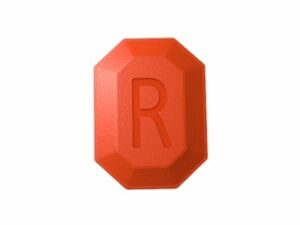
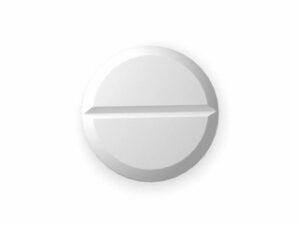
- Strengths: Available in different tablet strengths depending on the product brand (e.g., 5 mg, 10 mg, 20 mg, 50 mg—check your specific pack)
Important: Always follow the instructions provided with your specific product and discuss individual suitability with your healthcare professional.
How torsemide works (mechanism of action)
Torsemide works in the kidneys, specifically in a part of the kidney tubules called the loop of Henle. It blocks a transporter called the Na-K-2Cl cotransporter. When this transporter is blocked:
- Salt (sodium) is excreted more in the urine
- Water follows because of changes in salt concentration
- Overall, urine volume increases, reducing fluid accumulation in the body
Clinical impact: By removing excess fluid, torsemide can improve symptoms such as leg swelling, weight gain from fluid, and breathlessness in some people with fluid overload.
Pharmacokinetics (how the body handles torsemide)
Pharmacokinetics describes how torsemide is absorbed, distributed, metabolised, and eliminated.
- Absorption: Torsemide is absorbed from the gut after oral dosing.
- Onset: Diuretic effect typically begins within a few hours of taking a dose.
- Duration: Effects can last through much of the day, which is one reason dosing schedules often focus on morning administration to reduce night-time urination.
- Metabolism: Torsemide is metabolised in the body (with liver involvement). Your healthcare professional may review liver function if relevant.
- Elimination: It is eliminated primarily through the kidneys and via metabolic pathways.
Why this matters: Because torsemide affects fluid balance and kidney handling of salts, dose adjustments may be needed in people with kidney impairment or other complicating conditions.
Typical use and common indications
Torsemide is used to treat conditions where fluid retention is a key problem. The main indications include:
- Oedema in heart failure: Helps reduce fluid overload and improve symptoms
- Oedema associated with other conditions: In some cases of kidney or liver-related fluid retention, depending on clinical assessment
- Hypertension (high blood pressure): In certain situations, a diuretic may be used as part of blood pressure management (not always the first choice)
Because the reason you’re taking torsemide affects the goal and dose, your prescriber will tailor treatment based on your condition, symptoms, blood pressure, and blood test results.
Timing: when to take torsemide
Many people find torsemide most practical when taken in the morning. This reduces the likelihood of waking frequently at night to urinate.
- Typical schedule: Once daily in the morning for many patients.
- If twice daily: Doses are commonly spaced across the day (for example, morning and early afternoon), as advised by your healthcare professional.
- Consistency: Take torsemide at the same times each day to help maintain predictable effects.
If you miss a dose: Take it when you remember unless it is close to the next scheduled dose. Do not double up to make up for a missed dose. If you’re unsure, check with your pharmacist or prescriber.
Food interactions and dietary considerations
Torsemide can generally be taken with or without food, but it is best to follow the instructions on your specific product label.
Dietary points that commonly matter:
- Salt (sodium) intake: High-salt diets may reduce the effectiveness of diuretics and worsen fluid retention.
- Fluid intake: Some people are advised to limit fluids. Follow your clinician’s advice.
- Potassium: Torsemide can lower potassium. Your diet may need to include potassium-containing foods only if your healthcare professional recommends it.
Practical tip: If you’re monitoring swelling or weight, consider keeping a daily record (e.g., same time each morning). This can help your healthcare team adjust treatment safely.
Alcohol interactions
Alcohol can affect blood pressure and hydration status, which may make diuretic effects harder to predict.
- Potential risk: Increased dizziness or light-headedness, especially when you stand up
- Dehydration risk: Alcohol can contribute to dehydration in some situations
- Advice: Keep alcohol intake moderate and discuss your situation with a healthcare professional, particularly if you’re prone to low blood pressure or have dizziness.
Medicine interactions (including common interaction categories)
Torsemide can interact with other medicines, including those that affect blood pressure, kidney function, or electrolyte levels.
Tell your healthcare professional or pharmacist about all medicines you take, including over-the-counter products, vitamins, and herbal supplements.
Examples of interaction concerns
- Other blood pressure medicines (antihypertensives): May increase the risk of low blood pressure (hypotension), especially when starting or increasing doses.
- Medicines that affect potassium: Some medicines may increase potassium while others decrease it. Torsemide may lower potassium.
- Electrolyte-related risk: Torsemide can alter sodium, potassium, and magnesium levels—important for heart rhythm stability.
- NSAIDs (e.g., ibuprofen, naproxen, diclofenac): In some people, NSAIDs may reduce the diuretic effect and affect kidney function, particularly with long-term use or dehydration.
- Lithium: Diuretics can increase lithium levels and the risk of lithium toxicity.
- Other drugs affecting the heart rhythm: Low potassium or magnesium can increase risk of abnormal rhythms in some contexts.
- Diabetes medicines: Blood sugar levels may be affected indirectly through changes in fluid and metabolism; monitor as advised.
Pharmacy tip: If you’re unsure whether a product interacts, ask a pharmacist before combining medicines—especially for pain relief, cold/flu products, or herbal remedies.
Dosing: how torsemide is commonly prescribed
Dose varies widely based on the condition being treated, your age, kidney function, blood pressure, and electrolyte levels. Your clinician will choose the lowest effective dose and adjust gradually if needed.
General dosing principles (patient-friendly)
- Start low, adjust carefully: The dose may be increased if fluid remains but reduced if side effects such as dizziness or dehydration occur.
- Monitor symptoms: Swelling, breathing difficulty, and daily weight changes can guide response.
- Monitor blood tests: Regular checks may include kidney function and electrolytes (e.g., potassium, sodium).
Common dosing patterns
Torsemide is often taken:
- Once daily for ongoing oedema management
- Twice daily in some cases where the effect needs extending across the day (as clinically determined)
Do not change your dose without advice. If you have missed doses, worsening swelling, or side effects, contact your healthcare professional.
Safety profile: what to watch for
Like all medicines, torsemide can cause side effects. Many are related to its effect on fluid and electrolyte balance.
Common side effects
- Increased urination (expected)
- Thirst
- Dizziness or light-headedness (especially when standing)
- Headache
- Muscle cramps or weakness (may relate to electrolyte changes)
Less common but important
- Electrolyte imbalance (low potassium, low sodium, low magnesium, etc.)
- Dehydration leading to low blood pressure
- Changes in kidney function (especially if dehydrated or with interacting medicines)
- Rash or allergic reactions (seek urgent help if severe)
Seek urgent medical care if you experience
- Severe dizziness, fainting, or signs of severe dehydration
- Marked weakness, confusion, or persistent vomiting
- Chest pain, rapid or irregular heartbeat, or severe muscle spasms
- Difficulty breathing that is worsening or new swelling in other areas
Blood test monitoring: Your healthcare professional may arrange periodic tests to check electrolytes and kidney function, particularly after starting torsemide or changing the dose.
Practical use tips for daily life
- Take it earlier in the day to minimise night-time bathroom trips.
- Stand up slowly if you feel dizzy—especially in the morning or after a dose.
- Monitor your weight (if advised). A sudden increase may suggest fluid retention.
- Watch swelling and breathing as symptom indicators.
- Stay consistent with your diet, especially regarding salt intake.
- Keep hydrated appropriately, but follow any fluid restriction plan given to you.
- Be careful with dehydration risk during hot weather, diarrhoea, or vomiting.
If you’re unwell: Diuretics can become riskier when you’re dehydrated. If you develop significant vomiting, diarrhoea, or you are unable to keep fluids down, contact your healthcare professional for advice.
Alternative options to torsemide
Several diuretics and related medicines can be used depending on the underlying cause of fluid retention and your individual response.
Other loop diuretics
- Furosemide (another commonly used loop diuretic)
- Bumetanide (used in some cases)
Other diuretic classes
- Thiazide-like diuretics (e.g., for certain types of blood pressure management; may be combined in some regimens)
- Potassium-sparing diuretics (sometimes used to reduce potassium loss, depending on clinical goals)
Which option is best? The choice depends on kidney function, the severity of oedema, blood pressure, electrolyte levels, and co-existing conditions. Only switch medicines with guidance from your clinician or pharmacist.
Market and legal context for Australia
In Australia, availability and prescribing pathways are determined by the Australian Therapeutic Goods Administration (TGA) and related regulatory frameworks. Medicines such as torsemide are used under appropriate clinical supervision, and the details of supply (including any need for a valid supply arrangement) depend on the specific product and its classification.
Online pharmacies in Australia typically provide medicines according to applicable laws and pharmacy standards, including identity verification where required and safe dispensing processes.
Product availability: Stock levels may vary by strength and brand, and some strengths may be temporarily unavailable depending on supplier demand.
Recent guidance and clinical considerations (high-level)
Clinical practice for diuretics in conditions like heart failure generally focuses on:
- Individualised dosing based on symptoms and response
- Regular monitoring of kidney function and electrolytes
- Optimising balance between symptom relief and avoiding dehydration or electrolyte disturbances
- Reviewing interacting medicines (e.g., NSAIDs and other drugs that affect kidneys and electrolytes)
- Patient education so people recognise early warning signs
Because recommendations evolve with new clinical evidence, your healthcare professional may adjust monitoring frequency or dosing strategies to align with current best practice.
Delivery and availability through an online pharmacy
Online pharmacies in Australia may offer torsemide delivery to eligible areas, subject to availability and regulatory requirements. Delivery options, timeframes, and fees vary by provider and may depend on:
- Stock availability for the requested strength and brand
- Your location (metro vs regional/remote)
- Courier schedules and cut-off times for dispatch
How to order efficiently:
- Check the strength (e.g., 5 mg/10 mg/20 mg) matching your usual supply.
- Confirm the dosage form (tablet strength and type) if you’ve previously had a different formulation.
- Keep your medication in its original packaging and store at the recommended temperature as listed on the label.
Storage: Store torsemide according to the instructions on the product packaging. Keep out of reach of children.
FAQ — Torsemide
1) What is torsemide used for?
Torsemide is used to treat fluid build-up (oedema) associated with conditions such as heart failure and, in some cases, other causes of fluid retention. It helps your body remove excess salt and water.
2) How quickly does torsemide work?
Diuretic effects typically begin within a few hours after taking a dose. The overall improvement in swelling and breathlessness may take days and is assessed alongside your symptoms and sometimes blood tests.
3) Should I take torsemide with food?
Torsemide can often be taken with or without food. Follow the directions on your specific product label. If you experience stomach upset, taking it with food may help some people.
4) Can I drink alcohol while taking torsemide?
Alcohol may increase dizziness and dehydration risk. If you choose to drink, keep it moderate and avoid binge drinking. Discuss with your healthcare professional if you have low blood pressure, frequent dizziness, or kidney problems.
5) Does torsemide affect potassium?
Yes. Torsemide can lower potassium and magnesium levels in some people. That’s why your clinician may monitor electrolytes using blood tests, and advise dietary changes or additional medicines if needed.
6) Why do I feel dizzy after starting torsemide?
Torsemide can lower blood pressure and change fluid balance. Dizziness is more likely when you stand up quickly or if fluid intake is insufficient. Tell your healthcare professional, and avoid sudden position changes.
7) What should I do if I miss a dose?
Take it when you remember unless it is close to the next dose. Do not double up. If you’re unsure, ask your pharmacist for advice tailored to your schedule.
8) What medicines should I avoid?
Be cautious with NSAIDs (such as ibuprofen) and other medicines that can affect kidneys or electrolytes. Always review your full list of medicines (including over-the-counter products) with your pharmacist.
9) Are there foods I should avoid?
High-salt foods may worsen fluid retention and reduce diuretic effectiveness. Also avoid making major potassium or fluid changes without clinician guidance.
10) When should I seek urgent help?
Seek urgent medical care for severe dizziness/fainting, signs of dehydration, chest pain, severe muscle weakness/cramps, confusion, or breathing that is worsening.
Summary
Torsemide is a loop diuretic used to manage fluid retention and reduce swelling in conditions such as heart failure and certain other oedema states. It works by helping the kidneys remove excess salt and water, improving symptoms related to fluid overload. Because it can affect blood pressure, kidney function, and electrolytes, safe use often includes correct timing (usually earlier in the day), careful attention to hydration and salt intake, and periodic monitoring as advised.
If you have questions about how to take torsemide, what side effects to expect, or how it may interact with other medicines, speak with a pharmacist or healthcare professional.