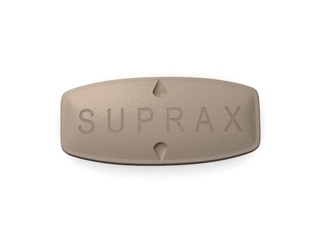

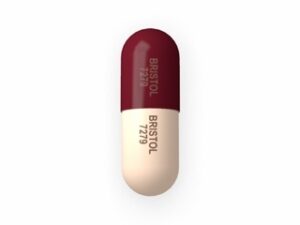
Suprax (Cefixime) – Patient-Friendly Guide
Suprax is the brand name for cefixime, an oral antibiotic medicine used to treat certain bacterial infections. This guide explains how Suprax works, how it’s typically taken, and what to consider for safety and effectiveness for people in Australia.
Important: Medicines should be used only for the condition they are intended to treat. If you’re unsure whether Suprax is suitable for you, talk with a doctor or pharmacist.
1) Basic product information
- Medicine name: Suprax
- Active ingredient: Cefixime (cefixime trihydrate)
- Medicine class: Cephalosporin antibiotic (a cephalosporin “beta-lactam” antibiotic)
- Form: Usually oral tablets or oral suspension (depending on the product strength/pack)
- Common strengths: Varies by product; check your specific package label
- How it’s used: Taken by mouth, typically once or twice daily depending on the prescribed regimen
- Who may use it: Adults and children, depending on age/weight and the infection being treated
2) How Suprax works (mechanism of action)
Cefixime is an antibiotic that belongs to the cephalosporin family. It works by interfering with the bacteria’s ability to build a protective cell wall. Without a healthy cell wall, bacteria become unable to survive and multiply.
In simple terms:
- Cefixime binds to bacterial cell-wall–building enzymes.
- This weakens the bacterial cell wall.
- The bacteria then die, or are prevented from growing further.
Note: Suprax is active against certain bacterial infections. It does not treat viral illnesses such as common colds or influenza.
3) Pharmacokinetics (absorption, distribution, metabolism, elimination)
Understanding how cefixime behaves in the body can help you take it correctly.
| Aspect | What typically happens | Why it matters |
|---|---|---|
| Absorption | Cefixime is absorbed after oral dosing. Food may slightly change the speed of absorption, but overall uptake generally remains acceptable. | It’s usually taken at a consistent time each day. Follow your specific directions. |
| Peak levels (Tmax) | Blood levels typically peak a few hours after a dose. | Taking it at regular intervals helps maintain effective levels. |
| Distribution | Cefixime distributes into body fluids and tissues to some extent, depending on infection site. | Effectiveness depends on the infection being caused by susceptible bacteria. |
| Metabolism | Limited metabolism occurs; a portion remains in active form. | Most elimination is through the kidneys. |
| Elimination | Primarily excreted through the kidneys (urine). | People with reduced kidney function may need a different dose or spacing. |
4) Typical uses (what Suprax is prescribed for)
Suprax (cefixime) is used for bacterial infections where cefixime is considered appropriate. Common conditions may include:
- Chest infections (for example, some cases of bronchitis or other bacterial respiratory infections)
- Ear infections (otitis media), particularly in children where suitable
- Throat infections (e.g., certain bacterial pharyngitis/tonsillitis depending on local guidance and bacterial susceptibility)
- Sinus infections (sinusitis), in selected cases
- Urinary tract infections (UTIs) caused by susceptible bacteria
- Other infections where clinicians determine cefixime is likely to be effective
Susceptibility matters: Antibiotics work best when the infecting bacteria are sensitive to cefixime. In some situations, a clinician may use clinical judgement, previous culture results, or local antibiotic guidelines.
5) When and how to take Suprax (timing and dosing principles)
The correct dose depends on factors such as the infection type, severity, age, weight (especially for children), and kidney function.
How often?
- Some regimens use once daily dosing.
- Others use twice daily dosing.
Follow your specific directions from your healthcare professional. Do not change the frequency or duration without advice.
Typical duration
For many infections, courses may range from a few days to several days, depending on the condition and response. Finishing the full prescribed course helps reduce the risk of the infection returning and supports antibiotic stewardship.
How to take it
- Take with a glass of water.
- Try to take it at the same times each day.
- If you miss a dose, take it as soon as you remember on the same day, unless it’s close to your next dose. If it’s close, skip the missed dose and resume your normal schedule.
- Do not double the dose to make up for a missed one.
6) Food interactions and taking Suprax with meals
Most people can take cefixime with or without food.
- Food effects: Eating may delay absorption slightly, but it usually does not significantly reduce overall effectiveness.
- Practical tip: If Suprax upsets your stomach, taking it with food may help reduce nausea or stomach discomfort.
If you’re using a suspension form, follow mixing and storage instructions exactly (often provided with the product label or pharmacist instructions).
7) Alcohol and medicine interactions
Alcohol
There is generally no direct, well-known interaction between cefixime and alcohol for most people. However:
- Alcohol can worsen side effects such as dizziness, stomach upset, or diarrhoea.
- While you’re fighting an infection, alcohol may slow recovery or make you feel worse.
Recommendation: Limit or avoid alcohol while you’re taking antibiotics, especially if you experience gastrointestinal symptoms.
Medicines that may interact
Interactions can occur with other medicines. Tell your pharmacist or healthcare professional about all medicines you take, including:
- Other antibiotics or antibiotic combinations
- Blood thinners (for example, warfarin): antibiotics can sometimes affect bleeding risk—monitoring may be needed
- Probenecid (used for gout): may affect kidney elimination of some antibiotics
- Diuretics (“water tablets”) and other kidney-affecting medicines
- Antacids containing magnesium or aluminium: these may affect absorption for some antibiotic classes—timing adjustments may be advised
- Oral contraceptives (pill): while cefixime is not a “classic” enzyme inducer, severe diarrhoea or vomiting from illness/side effects can reduce contraceptive effectiveness
Also consider: If you use supplements or herbal products, mention them too—some can affect stomach or kidney function.
8) Safety profile: common side effects and when to seek help
Like all antibiotics, Suprax can cause side effects. Many are mild and go away as your body adjusts or after you finish the course.
Common side effects
- Diarrhoea (may occur during or shortly after treatment)
- Nausea or mild stomach discomfort
- Headache
- Rash or skin irritation (mild cases)
- Vaginal irritation or yeast infection in some people
Serious side effects: get medical help urgently
Seek urgent medical assistance or contact local emergency services if you experience:
- Signs of an allergic reaction such as swelling of face/lips, difficulty breathing, wheezing, or severe rash/blistering
- Severe or persistent diarrhoea, especially watery or bloody diarrhoea, or diarrhoea that occurs after finishing the antibiotic
- Severe skin reactions (for example, blistering, peeling, or painful rash)
- Symptoms of liver problems such as yellowing of skin/eyes, dark urine, or significant fatigue with abnormal bruising
- Signs of kidney problems (less common), such as marked changes in urine output or severe flank pain
Allergy considerations
- If you’ve had an allergic reaction to cephalosporins or other beta-lactam antibiotics, tell your clinician.
- Cross-reactions with penicillin can occur in some people, although not always.
9) Practical use tips (get the best benefit)
- Start on time: Take your first dose as directed.
- Keep track: Use a reminder on your phone or a dosing calendar to avoid missed doses.
- Stay hydrated: Especially if you experience mild diarrhoea or nausea.
- Manage diarrhoea carefully: Mild diarrhoea can happen. However, seek advice if it is severe, worsening, or persistent.
- Do not stop early unless advised: stopping early can allow surviving bacteria to regrow.
- Check the product form: If you’re using an oral suspension, measure carefully and shake well as directed.
- Complete storage correctly: Follow label instructions (especially for suspensions).
10) Alternative options (discuss with a clinician)
Depending on the infection and bacterial susceptibility, doctors may consider other antibiotic options or different approaches. Alternatives may include:
- Other cephalosporins (depending on local guidelines and the infection site)
- Penicillin-based antibiotics for some susceptible infections (if appropriate)
- Macrolides (for certain respiratory/throat infections when suitable)
- Clindamycin or other agents for specific bacterial types
- Non-antibiotic supportive care when bacterial infection is unlikely
Best choice depends on: your allergy history, the likely bacteria, kidney function, local resistance patterns, and whether symptoms improve within the expected timeframe.
11) Market and legal context for Australia (what to expect)
In Australia, antibiotic medicines are regulated under the Australian Therapeutic Goods Administration (TGA) framework. The supply of antibiotics is subject to healthcare rules intended to support safe and responsible use and to help reduce antibiotic resistance.
Online pharmacies typically require patient information to support safe dispensing, and may require a pharmacist review or appropriate clinical checks depending on the medicine category and your situation.
Antibiotic stewardship matters: Using antibiotics only when needed, taking them correctly, and not sharing them with others helps protect effectiveness for the future.
12) Recent guidance and antibiotic stewardship (high-level)
Across Australia, clinicians follow updated guidance from health authorities and specialist societies that emphasises:
- Confirming likely bacterial cause when possible
- Choosing the narrowest effective antibiotic
- Using recommended dose and duration rather than “just in case”
- Reviewing response if symptoms don’t improve
- Supporting prevention (vaccination, hygiene, avoiding unnecessary antibiotic use)
If symptoms worsen or do not improve within the expected timeframe (often within a couple of days for many common infections), speak to a healthcare professional for reassessment.
13) Delivery and availability (online pharmacy information)
Suprax (cefixime) may be available through Australian pharmacies, including online platforms that deliver within Australia. Availability and stock levels can vary by:
- Strength and formulation (tablets vs suspension)
- Brand/supply chain availability
- Current healthcare demand
Delivery: Delivery times depend on your location and the pharmacy’s dispatch schedule. Some suppliers offer standard and express options. Always check estimated delivery timeframes at checkout.
Packaging and labeling: Ensure the product label matches the dose you were advised to use.
14) FAQ about Suprax (Cefixime)
1. What is Suprax used for?
Suprax (cefixime) is used to treat certain bacterial infections such as some ear, throat, chest, sinus, and urinary tract infections, depending on bacterial susceptibility and clinical judgment.
2. How quickly should I feel better?
Many people start to feel some improvement within 48 to 72 hours. If there’s no improvement, or symptoms worsen, contact a healthcare professional for review.
3. Can I take Suprax with food?
Yes. Suprax can usually be taken with or without food. If it upsets your stomach, taking it with food may help.
4. What should I do if I miss a dose?
Take it as soon as you remember on the same day, unless it’s close to the next dose. Skip the missed dose if it’s nearly time for the next one—do not double up.
5. Is Suprax safe for children?
Cefixime is used in children when appropriate. Dosing in children often depends on weight and the specific infection. Use only the child formulation and dose strength directed by a healthcare professional.
6. Can I stop early if I feel better?
It’s usually important to finish the recommended course to reduce the chance of the infection returning. Do not stop early unless advised by a clinician.
7. What if I get diarrhoea?
Mild diarrhoea can occur. Seek medical advice urgently if diarrhoea is severe, bloody, watery, persistent, or accompanied by fever or significant abdominal pain.
8. Is there an interaction with the contraceptive pill?
Cefixime is not typically known as a strong interaction with hormonal contraceptives. However, if you experience severe diarrhoea or vomiting, absorption may be affected. If this happens, consider additional contraceptive protection and seek advice.
9. Can I drink alcohol while taking Suprax?
Alcohol is not usually contraindicated, but it may worsen stomach upset and diarrhoea. Limiting or avoiding alcohol can make side effects less likely.
10. What should I tell my pharmacist before using Suprax?
Tell them about:
- Allergies to antibiotics (especially cephalosporins/penicillins)
- Past severe allergic reactions
- Kidney problems
- Current medicines (especially blood thinners, antacids, and probenecid)
- Pregnancy or breastfeeding (if relevant)
11. Are there alternatives if cefixime isn’t suitable?
Yes. Alternatives depend on the infection and your health history. A clinician can suggest options such as different antibiotic classes or supportive care strategies.
15) When to seek medical advice promptly
Contact a healthcare professional promptly if you experience:
- Signs of allergic reaction (swelling, breathing difficulty, hives)
- Severe rash or blistering skin
- Severe diarrhoea, especially if watery or bloody
- No improvement after a couple of days, or rapid worsening
- New symptoms such as jaundice or intense abdominal pain
Summary: Suprax (cefixime) is an oral cephalosporin antibiotic used for specific bacterial infections. It works by disrupting bacterial cell-wall formation. Taking it at consistent times, completing the course as advised, and monitoring for side effects—especially diarrhoea and allergic reactions—helps ensure safer and more effective treatment.