

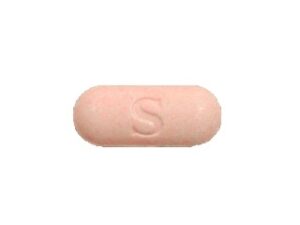
Avelox (Moxifloxacin) — Patient-Friendly Guide (Australia)
Avelox contains moxifloxacin, a fluoroquinolone antibiotic used to treat certain bacterial infections. This guide explains how Avelox works, how it’s commonly used, key safety considerations, and practical tips to help you use it effectively.
Always follow the directions provided with your medicine and read the Consumer Medicine Information (CMI) supplied by your pharmacy. If you’re unsure about your situation, speak with a healthcare professional.
1. Basic product information
| Product | Active ingredient | Medicine class | Common form |
|---|---|---|---|
| Avelox | Moxifloxacin | Antibiotic (fluoroquinolone) | Oral tablets (typical) |
- What it treats: Bacterial infections (not viruses such as colds/flu).
- How it’s taken: Usually once daily for selected infections (dose and duration vary).
- Where it’s used: Depending on local prescribing guidance and infection type.
2. How Avelox works (mechanism of action)
Moxifloxacin works by interfering with key bacterial enzymes needed for DNA replication and repair:
- DNA gyrase inhibition
- Topoisomerase IV inhibition
This leads to bacterial cell death and helps stop the infection from spreading. Moxifloxacin has activity against a range of Gram-positive and Gram-negative bacteria, and some atypical organisms, depending on the infection being treated.
3. Pharmacokinetics (how the body handles moxifloxacin)
Pharmacokinetics describes how a medicine is absorbed, distributed, metabolised, and eliminated. Understanding these features can help explain dosing and timing.
- Absorption: Moxifloxacin is absorbed after oral dosing and generally achieves therapeutic levels reliably.
- Distribution: It distributes into tissues, including the respiratory system, which is why it may be used for certain respiratory infections.
- Metabolism & elimination: The medicine is eliminated via a combination of renal (kidney) and non-renal processes.
- Half-life: The dosing interval supports once-daily regimens for many indications.
Individual factors (age, kidney function, liver status, other medicines) can influence exposure and safety—so dosage adjustments and medicine choice may be considered by a clinician.
4. What Avelox is typically used for
Moxifloxacin is used for specific bacterial infections where it is considered appropriate. The exact indications can differ based on local guidance, patient factors, and susceptibility patterns.
Common infection categories where moxifloxacin may be used include:
- Community-acquired pneumonia (in adults, depending on severity and suitability)
- Complicated skin and soft tissue infections (in selected cases)
- Infections where other options are unsuitable due to resistance, intolerance, or clinical considerations
Moxifloxacin should only be used when a bacterial infection is suspected or confirmed and when it’s appropriate for that situation. Using antibiotics for viral illnesses can increase the risk of side effects and contribute to antibiotic resistance.
5. Timing and how to take Avelox
Many patients take Avelox once daily, but your exact schedule depends on the infection and your prescribed regimen. The principles below still apply:
- Take at the same time each day to help maintain steady levels.
- Swallow whole with water unless your pharmacist or clinician advises otherwise.
- Complete the course even if you feel better, unless advised to stop.
- Missed dose: If you miss a dose, take it when you remember on the same day. If it’s close to the next dose, skip the missed dose. Do not take double doses.
If you experience significant side effects or symptoms of an allergic reaction, seek urgent medical advice.
6. Food interactions
A key advantage of moxifloxacin is that it is often less affected by food than some other antibiotics. In general, you can usually take it with or without food.
However, certain products may still interfere with absorption (see section on medicine interactions). To be safe:
- Follow the product directions on whether to take with food.
- Separate certain minerals (for example, iron and zinc) from moxifloxacin if advised in your medicine information.
7. Alcohol and medicine interactions
Alcohol
There isn’t a single universal “no alcohol at all” rule for every patient, but alcohol can worsen side effects such as dizziness, headache, nausea, and fatigue. Alcohol may also affect recovery from infection.
- Practical advice: It’s best to limit or avoid alcohol while you’re taking Avelox and while you’re unwell.
Medicine interactions (important)
Moxifloxacin can interact with other medicines. Some interactions may affect heart rhythm, drug levels, or absorption. Tell your pharmacist or healthcare professional about all medicines you take, including:
- Prescription medicines
- Over-the-counter products
- Herbal supplements (e.g., St John’s wort)
- Vitamins and mineral supplements
Notable interaction areas include:
- Medicines that can affect heart rhythm (QT prolongation): Combining with other QT-prolonging medicines can increase risk of abnormal heart rhythms.
- Antacids or mineral supplements: Products containing certain minerals (commonly iron, zinc, or magnesium/aluminium-containing preparations) can reduce absorption. Separation may be needed.
- Blood sugar medicines (especially insulin or sulfonylureas): Fluoroquinolones may affect glucose levels in some people.
- Warfarin or other blood thinners: Some antibiotics may alter bleeding risk; monitoring may be required.
If you have a history of heart rhythm problems, low potassium or magnesium, or you take medications that affect the QT interval, discuss this promptly with a healthcare professional.
8. Indications, suitability, and recent guidance (Australia)
In Australia, antibiotic use is guided by clinical judgement, local prescribing standards, and ongoing antimicrobial stewardship. Fluoroquinolones like moxifloxacin may be used when benefits outweigh risks for a particular infection and patient profile.
Recent emphasis in guidance worldwide and in Australia has included:
- Using antibiotics only when appropriate (confirming bacterial cause where possible)
- Choosing the narrowest effective option to reduce resistance and side effects
- Recognising key safety risks associated with fluoroquinolones and limiting use when safer alternatives are suitable
Your prescriber may consider factors such as allergy history, previous antibiotic exposures, infection severity, local resistance patterns, and comorbidities before selecting moxifloxacin.
9. Dosing (general information)
The dose and treatment duration depend on the specific infection and your clinical situation. Only take Avelox according to the directions provided with your medicine.
General points:
- Typical schedule: Many adult regimens are once daily.
- Duration: May range from several days to longer courses depending on the diagnosis.
- Kidney/liver function: Dose may be adjusted in some cases.
- Older adults: Increased monitoring may be considered due to higher likelihood of co-morbidities and interacting medicines.
If you forget a dose, refer to the missed dose advice provided earlier or the CMI. If you’re unsure, ask your pharmacist.
10. Safety profile and when to seek help
Like all medicines, Avelox can cause side effects. Most people experience mild or moderate effects, but some reactions require urgent medical attention. If you develop severe symptoms, contact a healthcare service immediately.
Common or mild side effects
- Nausea
- Diarrhoea or loose stools
- Headache
- Vaginal yeast infection (in some people)
- Abdominal discomfort
Serious side effects (seek urgent advice)
Please seek medical help promptly if you experience any of the following:
- Allergic reaction: facial/lip swelling, difficulty breathing, hives, or severe rash
- Severe or persistent diarrhoea (especially if watery or bloody), or abdominal cramps
- Tendon pain or swelling (e.g., ankle/Achilles pain) or sudden trouble walking
- Numbness, tingling, burning pain in hands/feet (possible nerve effects)
- Severe dizziness, fainting, palpitations (possible heart rhythm effects)
- Seizures or marked confusion
- Unusual mood changes or severe mental health effects
- Signs of liver problems: yellowing of the skin/eyes, dark urine, severe fatigue with nausea
Risk of these serious effects may be influenced by age, existing medical conditions, and other medicines. Your pharmacist can review your current medicines to help identify concerns.
Who should be extra cautious?
- People with a history of tendon disorders or tendonitis
- People with known heart rhythm issues or risk factors for QT prolongation
- People with nerve disorders or existing peripheral neuropathy
- People with a history of severe adverse reactions to quinolone antibiotics
- Pregnancy or breastfeeding situations—discuss suitability with a healthcare professional
11. Practical use tips (to get the best outcome)
- Take the full course: Stopping early increases the risk that the infection returns and that bacteria become resistant.
- Hydrate well: Especially if you have diarrhoea or fever.
- Track symptoms: If symptoms worsen after starting therapy, seek advice rather than continuing blindly.
- Avoid strenuous activity if you develop tendon pain: Rest and contact a healthcare professional if any tendon symptoms appear.
- Watch for unusual neurologic symptoms: Tingling, burning, or weakness should be reported promptly.
- Don’t share antibiotics: Medicines should not be used for infections that are different from the one they were prescribed for.
12. Alternative options
For many bacterial infections, there may be alternative antibiotics depending on the suspected organism, severity, local resistance, and patient factors. Common alternative options (examples) may include antibiotics from other classes.
How alternatives are chosen:
- Whether the infection is likely susceptible to the antibiotic
- Your allergy history
- Potential interactions with current medicines
- Safety considerations (e.g., heart rhythm risk, tendon risk, nerve symptoms)
- Local antimicrobial guidelines
Your pharmacist or prescriber can help explain why a particular option was selected and what might be considered if you can’t tolerate Avelox.
13. Delivery and availability in Australia
Availability of Avelox can vary by strength/formulation and current stock levels. For online pharmacies in Australia:
- Supply checks: Many platforms verify availability before dispatch.
- Delivery times: Typically depend on location (metro vs regional/remote) and courier service.
- Shipping controls: Antibiotics are usually despatched according to regulatory requirements and cold-chain rules (if any apply—most tablets do not require refrigeration).
When ordering, ensure your contact details are correct so the pharmacy can reach you if they need to clarify an order. You should also receive tracking information after dispatch (where offered).
14. Market and legal context (Australia)
In Australia, antibiotics are regulated prescription medicines. Supply is managed to support safe use, appropriate indication, and antimicrobial stewardship. Online pharmacies typically require patient and medicine information checks prior to dispensing.
- Safety: Pharmacy dispensing processes help confirm suitability and identify interaction risks.
- Antibiotic stewardship: Australian healthcare guidance encourages appropriate, targeted antibiotic use.
- Quality assurance: Licensed pharmacies work to ensure patients receive genuine products.
If you have concerns about your medicine—such as side effects or interactions—contact a healthcare professional promptly.
15. FAQ
Can I take Avelox with food?
In general, moxifloxacin can often be taken with or without food. If your medicine label or CMI says otherwise, follow that advice. If you’re using mineral supplements (like iron/zinc) or antacids, you may need to separate them—ask your pharmacist for the safest timing.
What should I do if I miss a dose?
Take it when you remember on the same day. If it’s nearly time for your next dose, skip the missed dose. Do not take double doses. If you’re unsure, contact your pharmacist.
How quickly should I feel better?
Some improvement may occur within 48 to 72 hours, depending on the infection and its severity. If symptoms are not improving (or are worsening), seek medical advice.
Is Avelox effective against viral infections like colds or flu?
No. Antibiotics like moxifloxacin treat bacterial infections. They do not cure viral illnesses. Using them unnecessarily can cause side effects and resistance.
Can I drink alcohol while taking Avelox?
It’s usually best to avoid or limit alcohol during treatment. Alcohol may worsen side effects such as nausea, dizziness, and fatigue and may interfere with recovery.
What interactions should I watch for?
Tell your healthcare professional if you take medicines that affect heart rhythm (QT), blood sugar medicines, warfarin or other blood thinners, or mineral supplements/antacids. Your pharmacist can check for specific interactions with your current medicines.
Are there risks with heart rhythm?
Moxifloxacin can affect heart rhythm in some people, particularly those with risk factors (e.g., low potassium/magnesium, certain cardiac conditions, or use of other QT-prolonging medicines). Seek urgent advice if you experience palpitations, fainting, or severe dizziness.
Should I stop Avelox if I develop side effects?
Mild side effects may be manageable, but serious symptoms should not be ignored. If you develop signs of allergy, severe diarrhoea, tendon pain/swelling, nerve symptoms, or symptoms of liver problems, contact a healthcare professional urgently. Don’t stop or restart antibiotics without advice.
What should I do if I develop tendon pain or swelling?
Stop strenuous activity and seek prompt medical advice. Tendon injury (including tendon rupture) is a known risk with fluoroquinolones, and early assessment is important.
What are the storage instructions?
Store tablets as directed on the packaging (typically at room temperature, away from moisture and direct heat). Keep out of reach of children.
Remember: Avelox (moxifloxacin) is designed to treat certain bacterial infections when used appropriately. If you have questions about your specific condition or medicine regimen, contact your pharmacist or healthcare professional.