
Clomipramine (Clomipramine hydrochloride) – Patient Information (Australia)
Clomipramine is a well-known medicine used in the treatment of certain mental health conditions, particularly obsessive-compulsive disorder (OCD). It belongs to a group of antidepressant medicines called tricyclic antidepressants (TCAs). Many people know it by the brand name Anafranil (where available), though it may also be supplied in generic form.
This page explains how clomipramine works, what it’s used for, how to take it safely, and what to expect in terms of timing, food and alcohol interactions, side effects, and practical tips—tailored for people in Australia.
Basic product information
- Medicine name: Clomipramine
- Medicine type: Tricyclic antidepressant (TCA)
- Uses: Primarily OCD and certain related conditions
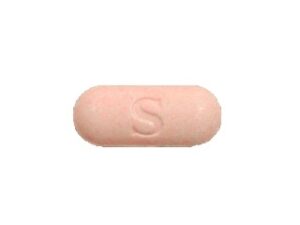
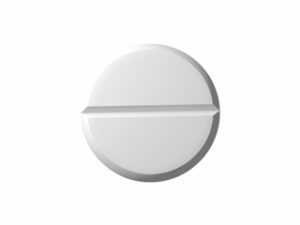
- Available forms: Tablets or capsules (depending on the brand/generic)
- How it’s taken: Usually by mouth once or in divided doses
Important: Follow the instructions provided with your product and any advice from your healthcare professional. If you’re unsure about the correct dose or how to take it, consult a pharmacist.
How clomipramine works (mechanism of action)
Clomipramine affects brain chemicals involved in mood and behaviour. Its main actions include:
- Serotonin reuptake inhibition (primary): Clomipramine blocks the reabsorption of serotonin back into nerve cells. This increases serotonin activity, which can help reduce obsessive thoughts and compulsive behaviours.
- Norepinephrine reuptake effects: It also influences norepinephrine, another neurotransmitter involved in mood regulation.
- Other receptor effects: Clomipramine can interact with receptors involved in histamine (sleepiness), acetylcholine (dry mouth/constipation), and alpha-adrenergic signalling (possible dizziness on standing).
Because of these combined actions, clomipramine can be effective for OCD, particularly when symptoms are persistent and causing significant distress.
Pharmacokinetics (how the body handles it)
Pharmacokinetics describes what happens to a medicine after you take it.
| Topic | What to know |
|---|---|
| Absorption | Clomipramine is absorbed after oral dosing. Peak blood levels generally occur within a few hours (timing varies by formulation and individual factors). |
| Distribution | It distributes widely throughout the body, including into the brain. |
| Metabolism | Primarily metabolised in the liver, largely by the enzyme CYP2D6 (and other pathways). |
| Active metabolites | Clomipramine is converted to metabolites that may contribute to overall effects. |
| Elimination | Exits the body mainly through urine. Drug clearance may be slower in certain individuals (e.g., liver impairment). |
| Half-life | The elimination half-life can be long, which means steady effects develop over time and missed doses may matter. |
Why this matters: Because clomipramine can build up and its elimination may be slow, dose changes usually require careful adjustment and time before judging full benefit.
Typical use and where it may fit
Clomipramine is primarily used for:
- Obsessive-Compulsive Disorder (OCD): Reducing intrusive obsessive thoughts and the urge to perform compulsions.
In some cases, clinicians may consider clomipramine for symptoms that overlap with OCD (such as certain repetitive behaviours) depending on individual circumstances and treatment history.
It is not typically the first choice for everyone with OCD; many guidelines start with SSRIs (selective serotonin reuptake inhibitors). Clomipramine may be used when OCD is severe, when other treatments haven’t worked well, or when a clinician judges it appropriate.
When will clomipramine work? (timing expectations)
Clomipramine is not a “take it once and feel better” medicine. Timing is important:
- Early effects (weeks): Some people notice changes in anxiety, tension, or sleep within the first 1–2 weeks, though this varies.
- OCD symptom improvement (often weeks to months): OCD-related improvements commonly take several weeks. A meaningful response may take 8–12 weeks (or longer).
- Dose adjustments: If side effects occur, clinicians may adjust dose and timing rather than stopping abruptly.
Tip: Track symptoms (for example, frequency/intensity of obsessions/compulsions) to discuss progress with your clinician. This helps determine whether treatment is working.
How to take clomipramine (dose guidance)
Your exact dose depends on your age, condition, other medicines, and tolerability. Always follow the dosing schedule provided with your product or by your healthcare professional.
General dosing approach (adults)
- Starting low: Many people begin with a low dose to reduce side effects.
- Gradual increase: The dose is usually increased slowly over time.
- Typical target: For OCD, the target dose may fall within the moderate-to-higher range used for TCAs, but this varies widely by individual and product formulation.
Children and adolescents
- Use in younger people must be carefully considered. Dosing and monitoring are typically more cautious.
- If clomipramine is used in adolescents, clinicians usually monitor closely for tolerability and changes in mood/behaviour.
How to schedule doses
- Once daily vs divided doses: Depending on your prescribed plan, you may take it once (often at night if it causes sleepiness) or split through the day.
- With or without food: Some people find it easier on the stomach with food. If your clinician recommends a schedule, stick to it.
Missed dose: If you miss a dose, take it when you remember unless it’s close to the next scheduled dose. Don’t take a double dose to make up for a missed tablet. If you’re unsure, ask a pharmacist.
Stopping: Do not stop suddenly unless you’ve been instructed to do so. TCAs can cause withdrawal symptoms and symptom rebound. Talk to a healthcare professional about tapering.
Food interactions
Clomipramine can usually be taken with or without food, but food may influence comfort and absorption timing.
- General stomach comfort: If nausea or indigestion occurs, taking clomipramine with meals may help.
- Grapefruit and similar products: While not as well known as with some other antidepressants, grapefruit can interact with liver enzymes involved in many medications. It’s safer to avoid grapefruit or discuss with your pharmacist.
- Hydration and constipation: TCAs may cause constipation; maintaining fluid intake and dietary fibre can help.
Always check your specific product label for any manufacturer advice on taking with food.
Alcohol interactions
It’s generally recommended to avoid or limit alcohol while taking clomipramine.
- Increased drowsiness: Alcohol can worsen sedation and impair coordination.
- Memory and reaction time: Both alcohol and clomipramine can affect concentration and reaction speed, which can be important for driving.
- Risk of mood changes: Alcohol may worsen anxiety or mood stability for some people.
If you choose to drink, do so cautiously and only in ways that do not impair you. Discuss with your pharmacist or doctor if alcohol is part of your routine.
Medicine interactions (important)
Clomipramine can interact with other medicines, sometimes requiring dose adjustments or additional monitoring. Particularly important interactions include:
1) Other antidepressants and serotonin-related medicines
- SSRIs and SNRIs: Combining with clomipramine can raise clomipramine levels and increase risk of serotonin-related side effects.
- Other serotonergic drugs (e.g., some migraine medicines): May increase risk of serotonin syndrome.
- MAO inhibitors: Generally not used together due to serious interaction risk.
2) Drugs affecting heart rhythm
- Medicines that can affect heart conduction may increase risk of rhythm disturbances, especially in people with cardiac risk factors.
- Your clinician may consider an ECG (heart tracing) depending on your history and dose.
3) Drugs that influence liver enzymes (CYP2D6)
- Some medications can inhibit CYP2D6, leading to higher clomipramine concentrations and increased side effects (e.g., sedation, dizziness, dry mouth).
4) Seizure threshold–lowering medicines
- Some medicines can increase seizure risk when combined with TCAs.
5) Anticholinergic medicines
- Combining with medicines that also cause dry mouth, constipation, or blurred vision can intensify anticholinergic effects.
Practical interaction safety: Keep an up-to-date list of all medicines and supplements you take (including herbal products and over-the-counter medicines). Share this list with your pharmacist before starting clomipramine and before adding any new products.
Indications (what it is used for)
In Australia, clomipramine is indicated for:
- Obsessive-Compulsive Disorder (OCD): Treatment of OCD in appropriate patients.
Some off-label uses can exist depending on local practice, but your healthcare professional will base decisions on your diagnosis, symptom pattern, and previous response to treatments.
Safety profile and side effects
Like all medicines, clomipramine can cause side effects. Many people experience mild effects at first that improve as the body adjusts. However, some effects require prompt medical attention.
Common side effects
- Drowsiness or sedation
- Dizziness (especially when standing up quickly)
- Dry mouth
- Constipation
- Nausea
- Blurred vision
- Increased sweating
- Weight changes (sometimes weight gain)
- Tremor or restlessness
- Sleep disturbances (in some people)
Less common but serious risks
- Heart rhythm issues: Clomipramine can affect cardiac conduction in some individuals. Seek urgent medical care for palpitations, fainting, or severe dizziness.
- Seizures: Risk may increase at higher doses or in susceptible individuals.
- Serotonin syndrome: Symptoms may include agitation, confusion, fever, sweating, fast heart rate, tremor, or diarrhoea—especially if combined with other serotonergic medicines. This is urgent.
- Mania/hypomania: In susceptible people, antidepressants can trigger mood elevation or agitation.
- Suicidal thoughts in younger people: As with many antidepressants, monitoring is recommended for changes in mood, behaviour, or worsening depression, particularly early in treatment or after dose changes.
When to seek urgent help
Get urgent medical attention or call emergency services if you experience:
- Fainting, severe chest pain, or an irregular heartbeat
- High fever with confusion, severe agitation, or uncontrolled muscle movements
- Signs of an allergic reaction (swelling of face/lips, difficulty breathing)
- Severe worsening of mood or thoughts of self-harm
Practical use tips (making treatment easier)
- Start low and go slow: This approach reduces side effects and improves tolerability.
- Choose the right time: If it makes you sleepy, taking it at night may help. If it causes insomnia, discuss switching timing with your pharmacist/doctor.
- Manage dry mouth: Sip water regularly, use sugar-free gum, and maintain good dental hygiene.
- Prevent constipation: Increase dietary fibre, drink water, and consider gentle stool softeners if advised by a clinician.
- Be cautious when getting up: Rise slowly from sitting or lying positions to reduce dizziness.
- Keep a symptom diary: Note obsession/compulsion severity and any side effects to support dose decisions.
- Don’t double up: If you miss a dose, follow your usual missed-dose plan rather than taking extra.
Driving and machinery: Because clomipramine can cause drowsiness or dizziness, use caution when driving or operating machinery until you know how it affects you.
Alternative options
For OCD, there are several treatment options. Your best choice depends on severity, past response, comorbid conditions, and personal preference.
1) Psychological therapies
- CBT with exposure and response prevention (ERP): Often a cornerstone of OCD treatment.
- Therapy can work alongside medication for many people.
2) Medicines commonly considered
- SSRIs (e.g., sertraline, fluoxetine, fluvoxamine): often first-line for many individuals.
- Other antidepressants depending on tolerance and diagnosis.
- Augmentation strategies may be considered in specialist care if response is incomplete.
If you’re comparing options, discuss risks/benefits and side effect profiles with your healthcare professional.
Australia: market and legal context
In Australia, medicines are regulated through the Therapeutic Goods Administration (TGA). Product availability, brand naming, and whether a medicine is dispensed with restrictions depends on the TGA scheduling and local pharmacy requirements.
Clomipramine is supplied through Australian pharmacies under standard medicines regulation. Online pharmacies may require you to complete specific checks and provide appropriate documentation according to applicable laws and regulations.
Always verify: Confirm the product you order matches the correct active ingredient, strength (e.g., mg per tablet), and dosage form.
Recent guidance and monitoring (general)
Across antidepressant treatments—including TCAs—common safety principles are consistently emphasised in clinical guidance and practice:
- Baseline and ongoing assessment: Evaluate symptom severity and monitor side effects.
- Vigilance early in treatment: Increased monitoring is recommended early on and after dose changes, particularly in younger people and those with mood instability.
- Consider heart-related checks when appropriate: Clinicians may consider ECG or additional monitoring in people with cardiovascular risk factors or when doses are higher.
- Serotonin safety: Caution when combining medicines that increase serotonin or affect drug metabolism.
Your clinician may individualise monitoring based on your medical history.
Delivery and availability (online pharmacy in Australia)
Availability can vary by brand and whether a generic product is stocked. When ordering online in Australia:
- Stock status: Products may be sourced from local suppliers and may have different lead times.
- Delivery areas: Most Australian delivery services cover major metropolitan and regional areas; coverage depends on the pharmacy provider.
- Packaging: Medicines should arrive in sealed packaging with labelling that matches your order.
- Storage on arrival: Keep tablets/capsules in a cool, dry place, away from direct sunlight, and store out of reach of children.
Prescription handling: If your local requirements include documentation or verification, follow the prompts and timelines provided during checkout to avoid delays.
If you have concerns about delivery timeframes, medication storage, or product strength, contact the pharmacy’s customer support before ordering.
FAQ – Frequently asked questions
1) Is clomipramine the same as other antidepressants?
Clomipramine is a tricyclic antidepressant (TCA). While it treats some of the same conditions as other antidepressants, it has a different chemical class and can have a different side effect profile.
2) How long should I give it before judging whether it’s working?
For OCD, some people feel early changes within the first weeks, but meaningful improvement often takes 8–12 weeks or longer. Discuss your progress with your clinician rather than stopping early.
3) Can I take clomipramine with food?
Usually, yes. If you experience stomach upset, taking it with meals may help. Follow your product label and clinician advice for your specific schedule.
4) Can I drink alcohol while taking clomipramine?
It’s generally best to avoid or limit alcohol because it can worsen drowsiness and impair coordination. Ask your pharmacist for advice based on your situation.
5) What should I do if I miss a dose?
Take it when you remember unless it’s close to the next dose. Do not take a double dose. If you’re unsure, check with a pharmacist.
6) Are there dietary or vitamin supplements I should avoid?
There isn’t one universal supplement list for everyone, but interactions can occur with some herbal products and high-dose supplements. Tell your pharmacist about everything you take, including “natural” products.
7) What side effects are most likely at the beginning?
Common early side effects can include sleepiness, dizziness, dry mouth, and constipation. These often improve as your body adapts, but your clinician may adjust dose timing or amount if needed.
8) Is it safe to drive?
If clomipramine makes you drowsy or dizzy, avoid driving or operating machinery until you know how it affects you. Follow local road safety recommendations and your clinician’s advice.
9) How do I stop clomipramine?
Do not stop suddenly. Stopping antidepressants abruptly can cause withdrawal symptoms and symptom rebound. Your clinician can advise a gradual taper plan.
10) What should I tell my pharmacist before starting?
Share your full list of medicines and supplements, including:
- Any other antidepressants or serotonin-related medicines
- Medicines for heart rhythm, blood pressure, or seizures
- Over-the-counter products (including antihistamines or sleep aids)
- Any history of heart problems, seizures, or bipolar symptoms
Summary
Clomipramine is a tricyclic antidepressant primarily used for obsessive-compulsive disorder (OCD). It works mainly by increasing serotonin activity in the brain. Treatment typically requires time—often weeks to months—to see full benefit. Because clomipramine can cause side effects (including drowsiness, dry mouth, constipation, and dizziness) and can interact with other medicines, it’s important to follow a structured dosing plan and maintain open communication with your healthcare team.
If you’d like help understanding how clomipramine fits your treatment plan, speak with a pharmacist or clinician, and keep this information handy when starting or changing your dose.