
Buspirone (Busspirone) – Patient Information (Australia)
Buspirone is a medicine commonly used to help manage anxiety. It’s a non-benzodiazepine option and works differently from many older anti-anxiety medicines. This guide is written to be patient-friendly and focuses on how buspirone works, how to take it safely, and what to expect in day-to-day life.
| Topic | Key points |
|---|---|
| Medicine name | Buspirone (also seen as buspirone hydrochloride in some brands) |
| Used for | Generalised anxiety disorder (GAD) and anxiety symptoms |
| How it works | Affects serotonin and dopamine signalling, reducing anxiety over time |
| Time to effect | Usually starts within 1–2 weeks; full effect often takes several weeks |
| Typical dosing pattern | Often taken in divided doses (e.g., two or three times daily) |
| Common side effects | Dizziness, headache, nausea, light-headedness, nervousness/sleep changes |
| Alcohol | Generally best to avoid or minimise; may worsen dizziness and sedation |
| Food | Food can change absorption; follow instructions on your label |
Basic product information
Buspirone is used for anxiety conditions, most notably generalised anxiety disorder (GAD). Compared with benzodiazepines, buspirone is not designed for immediate relief of acute anxiety attacks. Instead, it aims to reduce anxiety gradually and improve overall symptom control.
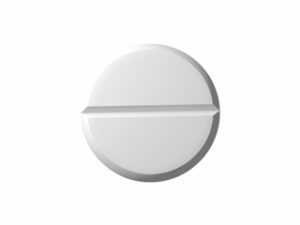
Buspirone is typically supplied as oral tablets and is taken by mouth. Strengths and brand formulations can vary, so it’s important to follow the dosing directions provided with your medicine.
How buspirone works (mechanism of action)
Buspirone’s effect involves the brain’s serotonin and dopamine systems.
- Partial agonist at serotonin (5-HT1A) receptors: Buspirone helps regulate signals involved in mood and anxiety.
- Modulates dopamine pathways: By influencing serotonin receptors, it can indirectly affect dopamine activity in anxiety-related circuits.
This different mechanism helps explain why buspirone:
- is not sedating for many people in the same way as benzodiazepines,
- generally does not cause the same type of dependence seen with some sedative anti-anxiety medicines, and
- takes time to build a therapeutic effect.
Pharmacokinetics: what the body does to buspirone
“Pharmacokinetics” describes how buspirone is absorbed, processed, and eliminated. Key features include:
- Absorption: After oral dosing, buspirone is absorbed through the gut. The presence of food can influence how much buspirone reaches the bloodstream.
- Metabolism (breakdown): Buspirone is primarily metabolised in the liver. Enzymes in the liver convert it into metabolites that are less active.
- Elimination: Metabolites are cleared mainly through the kidneys and to a lesser extent via bile.
- Half-life (duration in the body): The drug’s active presence is relatively limited, which contributes to the need for multiple doses per day for steady effects.
Important: Because buspirone is processed in the liver, people with liver impairment may require extra caution and dose adjustments as advised by their clinician.
Typical use: what buspirone is prescribed for
Buspirone is used to treat anxiety symptoms, particularly generalised anxiety disorder (GAD). It may help with:
- persistent worry
- feeling tense or “on edge”
- difficulty relaxing
- physical anxiety symptoms such as restlessness or nervous tension
It is not usually used as a “rescue” medicine for sudden panic in the moment. If rapid symptom relief is required, your healthcare team may consider other strategies.
Timing and how long it takes to work
One of the most common questions is “When will I feel better?” Buspirone works gradually.
- Early improvement: Some people notice changes within 1–2 weeks.
- Full benefit: It can take several weeks (often 4–6 weeks or longer) to see the best results.
Practical tip: Keep taking buspirone as directed, even if you don’t feel an immediate difference. If you think the medicine isn’t working, speak with a clinician before stopping.
Dosing: how buspirone is commonly taken
Exact dosing varies by product and individual factors. This section provides general guidance only.
- Buspirone is commonly started at a low dose and increased gradually if needed.
- It’s often taken in divided doses across the day (for example, two or three times daily) to maintain steady levels.
How to take it:
- Take your dose at the same times each day.
- Swallow tablets with water.
- If you miss a dose, take it when you remember unless it’s close to your next dose—then skip the missed dose. Do not double up.
Do not increase your dose on your own. If side effects occur, talk to your clinician—dose adjustments can often help.
Food interactions: can I take buspirone with meals?
Food can affect how buspirone is absorbed. For many people, taking buspirone consistently with or without food helps maintain predictable results.
- Follow label instructions: If your medicine guide says to take it with food, do so.
- Keep routine consistent: If you usually take it after a meal, keep doing that unless advised otherwise.
If you experience stomach upset (e.g., nausea), taking buspirone with food may help. However, always confirm with a pharmacist if you have concerns.
Alcohol interactions and safety
Alcohol can worsen anxiety for some people and may also increase side effects such as dizziness and drowsiness (even if buspirone is not strongly sedating).
- General advice: Avoid or minimise alcohol while starting buspirone.
- Be careful with driving: If you feel light-headed, don’t drive or operate machinery.
Because everyone’s response differs, it’s best to discuss safe drinking levels with your healthcare provider.
Medicine interactions: what to watch for
Buspirone can interact with other medicines, especially those affecting liver enzymes that metabolise it. Some combinations can raise buspirone levels, increasing side effects.
Common interaction categories
- Liver enzyme inhibitors: Certain medicines that slow metabolism may increase buspirone exposure.
- CYP3A4 involvement: Buspirone is metabolised by enzymes including CYP3A4. Medicines that strongly affect this enzyme may require dose changes or avoidance.
- Other central nervous system (CNS) medicines: Combining with sedating medicines can increase impairment risks.
Examples of medicines to discuss with a pharmacist/clinician
Depending on your health conditions, you should seek advice before combining buspirone with:
- Antidepressants (especially certain SSRIs/SNRIs or other serotonergic agents)
- Antifungal medicines (some can strongly affect metabolism)
- Macrolide antibiotics (some may affect liver enzymes)
- Anti-seizure medicines (some can affect metabolism significantly)
- Other anxiety/sleep medicines (to confirm safe combination and timing)
Herbal interactions: Some herbal products (including those used for mood or sleep) may interact with buspirone. Always mention supplements and “natural” products when getting advice.
Always tell your healthcare provider: a full list of all medicines, supplements, and occasional products you take.
Indications: when buspirone may be appropriate
Buspirone is indicated for generalised anxiety disorder and other anxiety-related conditions as determined by clinical assessment. It may be considered when:
- long-term anxiety control is needed
- the goal is a non-benzodiazepine approach
Your clinician may consider your medical history, other medications, and symptom pattern when deciding if buspirone is the right option.
Safety profile: common and serious side effects
Like all medicines, buspirone can cause side effects. Many people experience mild, temporary effects that improve as the body adjusts.
Common side effects
- Dizziness or light-headedness
- Headache
- Nausea
- Feeling tired or changes in sleep
- Nervousness or restlessness early in treatment
Less common but important to monitor
- stomach upset or appetite changes
- blurred vision
- unusual tiredness
Seek urgent medical help if you have
Stop and seek urgent advice if you develop signs of a serious allergic reaction such as:
- swelling of the face, lips, or throat
- difficulty breathing
- severe rash or hives
Dependence and withdrawal (general note)
Buspirone is not typically associated with the same dependence or withdrawal pattern as benzodiazepines. However, you should not stop abruptly without professional guidance if you have been taking it regularly.
Practical use tips for better results
- Be consistent with timing: Take doses at the same times daily.
- Give it enough time: Anxiety improvement is usually gradual.
- Avoid missing doses: Missing doses can delay the benefit.
- Track your symptoms: Consider a simple daily log of anxiety levels to discuss progress with your clinician.
- Mind driving and machines: If dizziness occurs, avoid driving until you know how you respond.
- Combine with lifestyle support: Regular sleep, limiting caffeine, mindfulness, and counselling strategies can improve anxiety outcomes.
Alternative options for anxiety in Australia
Depending on your diagnosis and medical history, clinicians may consider other treatments alongside or instead of buspirone.
Non-medicine options
- Cognitive behavioural therapy (CBT): Evidence-based for anxiety.
- Mindfulness and stress management: Helpful for reducing symptom intensity.
- Sleep and exercise routines: Supports overall mental health.
Medication alternatives (discuss with a clinician)
- SSRIs/SNRIs: Common first-line medicines for several anxiety disorders.
- Benzodiazepines (short term in some cases): Typically for short-term relief under close supervision.
- Other anxiolytics: Choice depends on diagnosis, side-effect tolerability, and comorbidities.
Your clinician can help match the most suitable option to your symptoms and risk factors.
Market and legal context in Australia
In Australia, medicines are regulated under the TGA (Therapeutic Goods Administration). Availability and classification depend on product type and strength. Buspirone is generally used within standard treatment pathways for anxiety disorders and is supplied through approved channels.
Online pharmacies operating in Australia typically provide medicines that are:
- supplied in accordance with relevant Australian regulations
- labelled appropriately for safe use
- provided with information to support correct consumption
Note: Requirements can vary by product category and the site’s services. Always check the product listing and required documents at checkout.
Recent guidance and ongoing safety considerations
Australia’s medicines guidance continues to emphasise:
- Medication review: Regular review of ongoing need, benefits, and side effects.
- Awareness of interactions: Extra caution when starting new medicines or supplements.
- Patient-centred care: Ensuring that anxiety is treated with both medication and evidence-based support where appropriate.
Because guidelines and advisories can update, it’s wise to check with a pharmacist if you’re unsure about changes to product information or interaction risks, particularly if you start new prescriptions or treatments.
Delivery and availability (Australia)
Delivery options can differ between online pharmacies. Many services offer:
- Standard and express delivery depending on location
- Tracking updates once dispatched
- Packaging designed for safe transit
Availability can be influenced by supply schedules and brand/formulation. If the exact brand isn’t available, some pharmacies may offer a suitable alternative formulation when permitted. Always verify that the strength and dosing instructions match what you were given.
Before delivery: Ensure your contact details are correct so the pharmacy can reach you if they need clarification.
FAQ
1. Does buspirone work immediately?
No. Buspirone is not usually an immediate “instant relief” medicine. Many people notice improvements within 1–2 weeks, with fuller benefit often taking several weeks.
2. Is buspirone the same as a benzodiazepine?
No. Buspirone is a non-benzodiazepine anti-anxiety medicine. It works through different brain receptors and generally does not cause the same level of sedation or dependence patterns as benzodiazepines.
3. Can I drink alcohol while taking buspirone?
It’s generally best to avoid or minimise alcohol, especially when starting treatment. Alcohol can worsen dizziness and may increase impairing effects.
4. What should I do if I miss a dose?
Take it when you remember unless it’s close to the next dose. If it’s near the next scheduled dose, skip the missed dose. Do not double up.
5. Can I take buspirone with food?
Food can affect absorption. Follow the instructions on your label. If you experience nausea, taking it with food may help—confirm with a pharmacist if you’re unsure.
6. What are the most common side effects?
Common side effects include dizziness, headache, nausea, and changes in sleep. Many settle as your body adjusts.
7. When should I contact a healthcare professional urgently?
Seek urgent medical help for signs of a serious allergic reaction (swelling of face/lips/throat, difficulty breathing, severe rash). Also contact a clinician promptly if you experience severe or worsening symptoms.
8. Can buspirone interact with other medicines?
Yes. Buspirone can interact with medicines that affect liver enzymes (including CYP3A4) and with other CNS-active drugs. Provide your full medication and supplement list to a pharmacist for interaction checks.
9. How long will I need to take buspirone?
This depends on your symptoms and response. Anxiety disorders often require ongoing management. Your clinician will review your progress and advise how long to continue.
10. Are there alternatives if buspirone doesn’t suit me?
Yes. Depending on your diagnosis, alternatives may include other medication classes and evidence-based therapies such as CBT. Discuss options with a clinician.
Important note
This information is general and designed to help you understand buspirone better. Individual dosing, suitability, and safety advice depend on your medical history, other medications, and symptom pattern. If you’re unsure about any aspect of taking buspirone, speak with a pharmacist or clinician.