Tenormin (Atenolol) — Patient Guide (Australia)
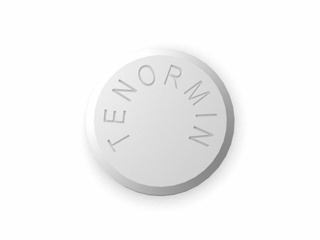
Tenormin is the brand name for atenolol, a medicine from the group of drugs called beta-blockers. In Australia, atenolol is used to help manage several long-term heart and circulation conditions, and it may also be used after certain cardiac events.
This guide is designed to be easy to understand. It explains what Tenormin does, how it works in the body, how it is usually taken, important safety information, common interactions (including alcohol), and practical tips for everyday use.
Basic Product Information
- Brand: Tenormin
- Active ingredient: Atenolol
- Drug class: Beta-blocker (selective beta-1 blocker)
- Common forms: Tablets (strengths vary by product listing)
- Where it’s used: Australia (PBS/Pharmaceutical Benefits Scheme coverage varies by indication and local criteria)
Strengths, pack sizes, and exact presentation can vary between products. If you have a specific Tenormin pack, check the label for the strength and directions that match your medicine.
How Tenormin Works (Mechanism of Action)
Atenolol works by blocking beta-1 adrenergic receptors, mainly in the heart. This reduces the effects of adrenaline and related stress hormones on the cardiovascular system.
Key effects include:
- Lower heart rate (slower pulse)
- Reduced force of heart contraction
- Reduced demand on the heart muscle
- Lower blood pressure over time
By easing the workload of the heart, Tenormin can help prevent symptoms such as chest pain and can reduce risk in certain heart conditions.
Pharmacokinetics (How the Body Handles Atenolol)
Understanding how a medicine behaves in the body can help explain timing and dosing. “Pharmacokinetics” describes absorption, distribution, metabolism, and elimination.
- Absorption: Atenolol is absorbed after oral dosing. Food can influence absorption but not usually to the same extent as some other beta-blockers.
- Distribution: It is distributed throughout the body, with meaningful action on the heart.
- Metabolism: Atenolol undergoes relatively limited metabolism compared with some other beta-blockers.
- Elimination: Mostly cleared by the kidneys. This can matter if you have reduced kidney function.
- Onset and duration: Effects generally begin within hours. Many people take it once daily due to its duration of action.
If you have kidney problems, the dosing interval or strength may need adjustment.
Typical Uses of Tenormin
Tenormin is used to treat a range of cardiovascular conditions. Common indications include:
- Hypertension (high blood pressure)
- Angina pectoris (to help reduce frequency of chest pain episodes)
- Arrhythmias (certain abnormal heart rhythms; the exact type matters)
- Following a heart attack in some clinical situations
- Heart-related symptom control where a slower heart rate is beneficial
The suitability of Tenormin depends on your diagnosis, overall health, and other medications.
Indications and Clinical Context in Australia
In Australia, beta-blockers are widely used in evidence-based cardiovascular care. Treatment choices are guided by national and local clinical recommendations, individual risk factors, and comorbidities.
Tenormin (atenolol) is typically considered when:
- A slower heart rate and reduced cardiac workload are desired
- Blood pressure needs control
- Angina symptoms need reduction
- There is a history of cardiac events where beta-blockade is beneficial
Choice of beta-blocker (including whether to use atenolol versus other beta-blockers) is clinician-dependent.
How to Take Tenormin (Timing and Practical Dosing)
Use the instructions on your label or those provided by your clinician. General guidance is below.
Typical timing
- Once daily dosing: Many people take atenolol once per day.
- Same time each day: Helps maintain steady blood levels and consistent effect.
- Consistency: If you miss a dose, follow the advice given with your medication (often “take when remembered unless close to the next dose”). Avoid doubling unless specifically advised.
With or without food
- You can usually take Tenormin with or without food.
- Some people find taking it with food reduces stomach upset (if it occurs).
Example schedule (for once-daily dosing)
| Time of day | What to do | Why it helps |
|---|---|---|
| Morning (e.g., 8–10 am) | Take your dose with water | Supports consistent daily blood levels |
| Throughout the day | Monitor symptoms (pulse, dizziness) | Helps you notice over- or under-effect |
| Evening | Continue usual activities | Avoid sudden changes to dosing |
Your exact dose may differ. If your dose is adjusted (for example, after a review), it’s important to update your routine accordingly.
Food Interactions (Food and Drink)
Food interactions with atenolol are generally not severe for most people. Still, it’s helpful to know what to consider:
- Meals: Taking Tenormin with food may affect absorption slightly for some individuals, but the overall clinical effect is usually maintained.
- Consistency matters: Taking your dose the same way each day (with or without food) can help maintain stable effects.
- Grapefruit: Grapefruit interacts more strongly with some other medicines. Atenolol is not typically known for a major grapefruit interaction, but it’s still sensible to check if you take multiple medicines.
If you notice unusual symptoms after dietary changes (e.g., changes in meal timing), discuss this with your clinician.
Alcohol and Medicine Interactions
Alcohol
Alcohol can increase the likelihood of side effects such as dizziness and light-headedness, especially when your blood pressure is lower. It may also worsen fatigue.
- Be cautious: If you drink alcohol, consider starting with small amounts and monitor your response.
- Avoid heavy drinking: Heavy intake may increase risk of falls and may affect heart rhythm in some people.
Medicine interactions (common and important)
Always keep an up-to-date list of your medicines (including over-the-counter products, herbal preparations, and supplements). Interactions can be serious.
Key interaction categories include:
- Other blood-pressure–lowering medicines: May increase risk of low blood pressure (hypotension).
- Other heart-rate–lowering drugs: Combining can overly slow the heart (bradycardia) or worsen conduction problems. Examples may include certain calcium channel blockers and antiarrhythmic medicines (doctor guidance is needed).
- Diabetes medicines (including insulin): Beta-blockers can sometimes mask warning signs of low blood sugar (such as palpitations). Keep regular glucose monitoring as advised.
- Some antidepressants: Certain medicines may affect heart rhythm or blood pressure when combined—your pharmacist can help check your specific options.
- Non-steroidal anti-inflammatory drugs (NSAIDs): In some people, regular NSAID use can reduce the blood-pressure– lowering effect of some antihypertensives. If you need frequent NSAIDs, ask for advice.
- Other medicines affecting heart rhythm: Some drugs can influence the electrical system of the heart; combination therapy should be reviewed.
Because interaction risks depend on the exact medicines you take, it’s best to discuss your complete medication list with a pharmacist.
Safety Profile (Risks, Warnings, and When to Seek Help)
Like all medicines, Tenormin has potential side effects. Many are mild and improve as your body adjusts, but some require urgent attention.
Common side effects
- Fatigue or tiredness
- Dizziness, especially when standing up quickly
- Slower heart rate (bradycardia)
- Cold hands or feet
- Sleep disturbances in some people
Less common but important effects
- Worsening shortness of breath (especially in people with respiratory conditions such as asthma or certain chronic lung disease)
- Lower blood pressure (hypotension)
- Changes in mood for some individuals
Serious symptoms — seek urgent medical help
Get urgent medical assistance if you experience:
- Fainting or severe light-headedness
- Chest pain that is new, severe, or worsening
- Severe breathing difficulty
- Very slow pulse with weakness, confusion, or collapse
- Signs of an allergic reaction (swelling of face/lips, rash, trouble breathing)
Special precautions
- Heart conduction problems: People with certain rhythm/conduction disorders may be at higher risk of complications.
- Asthma or bronchospasm: Although atenolol is more selective for beta-1 receptors, it can still affect breathing in susceptible people.
- Diabetes: Beta-blockers may mask symptoms of low blood sugar.
- Peripheral circulation issues: Beta-blockade can worsen cold extremities for some people.
- Kidney impairment: Because atenolol is cleared by the kidneys, doses may need adjustment.
Stopping Tenormin Safely (Do Not Abruptly Stop)
Do not stop Tenormin suddenly unless your clinician advises it. Abrupt discontinuation of beta-blockers can lead to rebound effects such as increased heart rate, blood pressure, or angina symptoms.
- Plan a taper: If you need to stop, ask for a step-down schedule.
- Watch symptoms: If you feel chest discomfort or palpitations during changes, seek medical advice.
Typical Dosing Information (General Guidance)
Dosing depends on your condition, age, other medical problems, and kidney function. Your dose may not match the examples below.
General principles:
- Start low, adjust gradually: Clinicians often start with a suitable initial dose and then adjust based on response.
- Target effect: Blood pressure control, angina prevention, and appropriate heart rate are the key goals.
- Kidney function matters: Atenolol may require dose adjustment in reduced renal function.
For personalised dosing details, always follow your medication label and the advice provided by your healthcare professional.
Practical Tips for Everyday Use
- Keep track of your pulse and blood pressure: If you have a home blood pressure monitor, measure as advised and record results.
- Rise slowly: Dizziness can happen when moving from sitting/lying to standing. Stand slowly and pause before walking.
- Use a pill organiser: Helps prevent missed doses.
- Travel plan: Bring enough tablets for your trip and keep them in original packaging.
- Medication review: Review your list with a pharmacist when you start new medicines.
- Be consistent with lifestyle: Beta-blockers help manage symptoms and risk, but lifestyle (diet, activity, smoking cessation) remains important in cardiovascular care.
If you miss a dose, don’t double up. Consult the instructions provided with your product or talk to a pharmacist.
Alternative Options (Other Beta-Blockers and Treatment Approaches)
There are different medications used for high blood pressure, angina, and rhythm problems. If Tenormin isn’t suitable or isn’t achieving goals, alternatives may include:
- Other beta-blockers: Depending on the condition, clinicians may choose other beta-blockers with different properties.
- Non–beta-blocker blood pressure medicines: Such as ACE inhibitors, ARBs, calcium channel blockers, and diuretics (choice depends on your profile and coexisting conditions).
- Anti-anginal strategies: Additional or alternative therapies may be considered for angina control.
- Rhythm-specific treatments: Arrhythmias require tailored management.
Do not switch or combine medicines without professional advice, particularly because dose changes can affect heart rate and blood pressure.
Market and Legal Context for Australia
In Australia, prescription medicines are regulated under the national health framework and require appropriate healthcare involvement for safe use. Pharmacy supply must follow applicable laws and professional standards.
Availability, brand presentation, and subsidy status (such as PBS listings) can vary depending on the exact medicine strength and indication. Your pharmacist can explain current availability and coverage where relevant.
Recent Guidance and Ongoing Clinical Considerations
Clinical practice evolves as new evidence and safety information emerge. Recent guidance trends for atenolol and beta-blockers commonly focus on:
- Individualising therapy: Matching the beta-blocker and dosing to your specific diagnosis and risk factors.
- Reviewing older adults: Monitoring for low blood pressure, dizziness, and slow heart rate.
- Kidney function awareness: Ensuring dosing is appropriate when kidney clearance is reduced.
- Interaction checking: Emphasising pharmacist-led medication reviews to reduce adverse interactions.
- Safe switching: If changing from one beta-blocker to another, gradual transitions are often needed.
Your clinician’s advice remains the most important source for decisions about your treatment.
Delivery and Availability (Online Pharmacy Australia)
Tenormin availability may vary by strength and supplier. Online pharmacies in Australia typically offer delivery to Australian addresses where permitted. Delivery times depend on location and stock levels.
What to expect when ordering:
- Product verification: The pharmacy checks the item against your order details.
- Packaging: Medicines are usually dispatched in original manufacturer packs.
- Tracking: Many deliveries include tracking updates.
- Stock changes: If stock is unavailable, the pharmacy may offer alternatives or contact you (depending on your order process).
If you have urgent needs, choose a delivery option with the fastest dispatch/transport time available.
FAQ — Tenormin (Atenolol)
1) What is Tenormin used for?
Tenormin (atenolol) is commonly used for conditions such as high blood pressure (hypertension), angina (chest pain due to reduced blood flow to the heart), and certain rhythm problems. It may also be used in some post-heart-attack situations.
2) How long does it take to work?
Some effects can be felt within hours (such as a slower heart rate). For blood pressure control and angina prevention, benefits may build over days to weeks, depending on your dose and overall condition.
3) Can I take Tenormin with food?
Yes. Tenormin is usually taken with or without food. Keeping the same routine (either always with food or always without) can help consistency.
4) Will Tenormin slow my heart rate?
Beta-blockers like atenolol are designed to reduce heart rate. This can be beneficial, but if your pulse becomes too slow or you feel unwell (e.g., faintness, weakness), seek medical advice.
5) Can I drink alcohol while taking Tenormin?
You can, but it’s best to be cautious. Alcohol can worsen dizziness and low blood pressure. If you choose to drink, limit intake and see how you feel.
6) What if I miss a dose?
Follow the advice provided with your medication or by your pharmacist. In many cases, if you remember later, you take it then unless it’s close to the next dose. Do not double up unless specifically instructed.
7) Is it safe to stop Tenormin suddenly?
Usually not. Stopping beta-blockers abruptly may cause rebound symptoms such as increased heart rate, blood pressure, or angina. Discuss stopping with your clinician.
8) Does Tenormin interact with other medicines?
Yes. Important interactions may occur with other blood-pressure medicines, heart-rate–lowering drugs, diabetes medicines, some antidepressants, and regular NSAID use. Always check with a pharmacist and provide a full list of your medicines.
9) Who should be extra careful when taking atenolol?
People with asthma or breathing problems, diabetes, certain heart rhythm/conduction issues, low blood pressure, and those with kidney impairment should be monitored more closely. Your clinician can advise on suitability and dose adjustments.
10) What side effects should I watch for?
Common: tiredness, dizziness, cold hands/feet. Seek urgent help for serious symptoms such as fainting, severe breathing difficulty, chest pain, or signs of a severe allergic reaction.
Remember: This information is general and may not cover every situation. If you’re unsure about dosing, interactions, or side effects, speak with your pharmacist or clinician.