
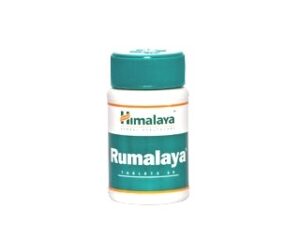

Rumalaya Fort (often called “Rumalaya Fort”)
Rumalaya Fort is an over-the-counter (OTC) medicine used for the temporary relief of pain and inflammation associated with conditions such as osteoarthritis and other painful inflammatory musculoskeletal problems. It is commonly chosen when you want targeted help for day-to-day aches—especially in joints, muscles, and back discomfort.
This guide explains how Rumalaya Fort works, how it is typically taken, what to expect, and practical safety considerations for people in Australia.
Basic product information
| Product name | Rumalaya Fort |
|---|---|
| Common purpose | Helps relieve pain and inflammation |
| Typical active ingredients | Often contains a combination of anti-inflammatory and pain-relieving medicines (formulations may vary by brand/region; check the pack for exact ingredients and strengths) |
| Dosage form | Tablets or capsules (depending on the product pack) |
| Availability | OTC in many settings; availability can vary by supplier and product format |
| Who it’s for | Adults needing temporary symptom relief for musculoskeletal pain |
Important: Always read your specific pack label for the exact composition, strength, and directions, because formulations may differ between versions and markets.
How Rumalaya Fort works (mechanism of action)
Rumalaya Fort is designed to reduce inflammation and pain in joints and surrounding tissues.
Many anti-inflammatory pain medicines work by reducing the production or effects of inflammatory chemicals in the body (for example, prostaglandins). When inflammation decreases:
- Pain signals become less intense
- Swelling and tissue irritation may lessen
- Joint movement can feel easier in everyday activities
In short, Rumalaya Fort supports symptom relief while inflammation is reduced.
Pharmacokinetics (how the body processes it)
“Pharmacokinetics” describes what happens after you take the medicine—absorption, distribution, metabolism, and elimination. While exact parameters depend on the precise formulation, anti-inflammatory pain medicines commonly follow these general patterns:
- Absorption: The active medicine is absorbed through the gastrointestinal tract into the bloodstream.
- Onset: Some symptom improvement may be noticed within the first few hours for many people, though peak effects can vary.
- Distribution: The medicine circulates and can reach tissues where inflammation occurs (including joints).
- Metabolism: The active component may be processed by the liver into metabolites.
- Elimination: Metabolites are removed mainly via the kidneys (urine) and/or other routes.
Why this matters: Knowing this can help you understand why timing and consistency of dosing can influence symptom control, and why kidney or liver conditions require extra caution.
Typical use and indications
Rumalaya Fort is typically used for temporary relief of pain and inflammatory discomfort in musculoskeletal conditions. Common indications may include:
- Osteoarthritis (joint pain and stiffness)
- Muscle or joint inflammation causing swelling or discomfort
- Back and neck pain associated with inflammation
- Sprains and strains (as part of short-term symptom relief)
- General inflammatory aches where an anti-inflammatory pain reliever is appropriate
Note: Indications can depend on the exact formulation and local regulatory listing. Always follow the directions on your pack and consult a healthcare professional if you’re unsure whether your specific condition is an appropriate match.
When to take Rumalaya Fort (timing guidance)
For best symptom control, many people take anti-inflammatory pain medicines on a structured schedule for a short period. The right timing depends on the product strength and dosing instructions on your specific pack.
General timing tips
- Start when symptoms flare: Take at the first sign of pain and inflammation to improve comfort earlier.
- Follow the pack schedule: Don’t exceed the recommended daily dose.
- Consistency helps: If your pack suggests regular dosing, taking it consistently can maintain symptom relief.
If you miss a dose: Take it when you remember unless it is close to the next dose—then continue as directed. Do not double up.
Food interactions and what to eat
Food can influence how some medicines are absorbed and how well they are tolerated, particularly if they can irritate the stomach.
Practical advice
- Take with food if needed: If you experience stomach discomfort, taking with meals (or soon after) may be more comfortable.
- Stay hydrated: Drinking water can support comfort and digestion.
- Avoid heavy alcohol with meals: Alcohol increases risk of stomach irritation and other adverse effects.
How to check for you: The pack may state whether the medicine should be taken with or after food. Follow those instructions.
Alcohol and medicine interactions
Combining anti-inflammatory pain medicines with alcohol may increase the risk of stomach irritation, ulceration, bleeding, and other side effects. Alcohol can also worsen drowsiness for some people and may affect how safely you can function.
Safety-oriented guidance
- Limit or avoid alcohol while taking Rumalaya Fort, especially if you’ve had stomach ulcers, reflux, or gastritis.
- Avoid “stacking” pain medicines: Don’t take multiple anti-inflammatory products together unless a pharmacist or doctor has advised you.
Medication interactions (common examples)
Interactions vary depending on the exact ingredients. Because many products in this category can interact with other medicines, check your active ingredients and consider speaking with a pharmacist if you use any of the following:
- Other NSAIDs or anti-inflammatory pain medicines (increased gastrointestinal and kidney risk)
- Blood thinners (e.g., warfarin) or antiplatelet medicines (increased bleeding risk)
- Some antidepressants (SSRIs/SNRIs may add to bleeding risk when combined with NSAID-type medicines)
- Corticosteroids (higher stomach irritation risk)
- Diuretics and blood pressure medicines (possible effects on kidney function and blood pressure balance)
- Kidney-affecting medicines (monitoring may be necessary)
Always read your label: The safest approach is to verify the ingredients on the pack and compare them with your current medicines. When in doubt, ask a pharmacist.
Dosing: how much and how often
Because Rumalaya Fort can come in different strengths and formats, your pack label is the final authority for dosing.
General dosing principles
- Use the lowest effective dose for the shortest duration needed.
- Do not exceed the maximum daily dose stated on the pack.
- For older adults or people with sensitive stomachs, lower tolerance can occur—consider pharmacist advice before starting.
Example structure (not a substitute for your pack)
Many anti-inflammatory pain medicines are taken once to twice daily depending on strength and formulation. Some may be taken at set intervals throughout the day.
Please follow the exact schedule provided on your specific Rumalaya Fort product packaging.
Safety profile and when to be cautious
Like all medicines, Rumalaya Fort may cause side effects. Most people tolerate anti-inflammatory pain medicines well when used correctly, but some individuals—especially those with risk factors—need extra caution.
Common side effects
- Stomach discomfort, nausea, indigestion
- Heartburn or reflux
- Dizziness in some people
- Headache
Serious side effects (seek urgent medical advice)
Stop use and seek prompt medical care if you experience:
- Black, tarry stools or vomiting blood (possible gastrointestinal bleeding)
- Severe abdominal pain or persistent vomiting
- Swelling of the face, lips, or throat, or difficulty breathing (allergic reaction)
- Chest pain or signs of a serious cardiovascular event
- Unexplained bruising or bleeding
- Severe rash or blistering skin
Who should use extra caution
- People with a history of stomach ulcers or gastrointestinal bleeding
- People with kidney disease or reduced kidney function
- People with liver disease
- People with asthma that may worsen with anti-inflammatory medicines
- Older adults (higher chance of side effects)
- People taking blood thinners or medicines that increase bleeding risk
Pregnancy and breastfeeding
If you are pregnant, planning pregnancy, or breastfeeding, speak with a pharmacist or healthcare professional before using Rumalaya Fort, as suitability can vary depending on the ingredients.
Practical use tips (to get the best results safely)
- Read the label each time: Confirm the strength and directions on your specific pack.
- Use short-term symptom relief: If pain persists beyond a few days or keeps returning, it’s important to reassess the underlying cause.
- Combine with movement strategies: Gentle activity, stretching, and heat or cold packs may complement pain relief.
- Track your response: If there’s no improvement after the initial trial period, don’t keep escalating—consider pharmacist advice.
- Watch for stomach symptoms: If you develop heartburn or stomach pain, stop and seek advice.
- Keep a medication list: Include all OTC products and supplements when checking interactions.
Alternative options
If Rumalaya Fort isn’t suitable or doesn’t provide enough relief, several alternative approaches may be considered. Choice depends on your condition, medical history, and other medicines you use.
Other medication options (general categories)
- Paracetamol (acetaminophen) for pain relief (may be gentler on the stomach for some people)
- Topical anti-inflammatories (gels/creams) for localised joint pain
- Other anti-inflammatory tablets (NSAIDs), selected based on risk factors and interactions
Non-medicine approaches
- Heat or cold therapy (cold for acute swelling; heat for stiffness)
- Physiotherapy and targeted exercises
- Weight management for osteoarthritis symptom reduction
- Supportive braces or footwear where appropriate
Tip: A pharmacist can help you choose the best alternative based on your symptoms and your other medicines.
Market and legal context for Australia
In Australia, medicines are regulated to support quality, safety, and appropriate use. OTC products may be available through pharmacies or authorised retailers, but specific brands and import/supply pathways can affect availability. For online purchasing, it’s important to ensure you are buying from reputable sellers that comply with applicable Australian requirements.
What to look for when buying online
- Correct packaging and labelling: Ensure the product is genuine and clearly labelled.
- Expiry date: Check the expiry before purchasing if this is stated.
- Australian compliant information: Look for clear directions and safety information.
- Customer support: A trustworthy pharmacy should provide contact options.
Recent guidance: Always follow current local health and medicines guidance from Australian health authorities and pharmacists. In many categories of pain relief medicines, emphasis continues on using the lowest effective dose, limiting duration, and avoiding combining multiple anti-inflammatory products unless advised.
Delivery and availability in Australia
Availability can vary depending on supplier stock and the specific Rumalaya Fort format you’re seeking. Many online pharmacies offer:
- Standard delivery (often within a few business days depending on location)
- Express delivery in selected regions
- Tracking updates where available
Delivery times may depend on stock on hand and courier schedules. To avoid delays, choose a delivery address where someone can receive parcels.
Storage: Follow the storage instructions on the pack (commonly “store below 30°C” or similar—always check your product label).
FAQ
1) What is Rumalaya Fort used for?
Rumalaya Fort is used for temporary relief of pain and inflammation related to musculoskeletal conditions such as osteoarthritis, joint discomfort, and inflammatory aches. Check your pack for exact indications and directions.
2) How quickly does it work?
Many anti-inflammatory pain medicines begin providing symptom relief within a few hours, though the time to noticeable improvement can vary based on the person, the condition being treated, and whether you take it with food.
3) Should I take Rumalaya Fort with food?
If you have a sensitive stomach or the pack advises it, taking with meals can improve comfort. If your label provides specific instructions, follow those exactly.
4) Can I take Rumalaya Fort with alcohol?
It’s generally best to avoid or limit alcohol while taking anti-inflammatory pain medicines, because alcohol can increase stomach irritation and other risks. If you choose to drink, do so cautiously and consider your personal risk factors.
5) What medicines should not be taken together?
Avoid combining with other anti-inflammatory pain medicines (and be cautious with blood thinners, corticosteroids, some antidepressants, and certain blood pressure/diuretic medicines). If you’re taking regular medications, ask a pharmacist to confirm compatibility.
6) What if I miss a dose?
Take it when you remember unless it is close to the next dose. Do not take extra doses to make up for a missed one.
7) How long can I take it?
Use it for the shortest duration needed for symptom relief. If pain persists, worsens, or keeps recurring, seek pharmacist or clinician advice to review the underlying cause.
8) Are there people who should avoid Rumalaya Fort?
Those with a history of stomach ulcer/bleeding, kidney or liver problems, certain asthma conditions, or those taking medicines that increase bleeding risk should use extra caution. Check the pack and consult a pharmacist if unsure.
9) What should I do if I get side effects?
Stop taking the medicine and seek medical advice if you experience severe or concerning symptoms (for example, black stools, vomiting blood, breathing difficulties, or severe rash). For mild stomach upset, consider taking with food and speak with a pharmacist if it continues.
10) Can I use Rumalaya Fort alongside physiotherapy or exercise?
Often, yes. Pain relief can help you stay active while you work on rehabilitation. Combine medication use with gentle movement, stretching, and physiotherapy advice tailored to your condition.
Final reminder: Always read the label directions for your specific Rumalaya Fort product. If you have questions about interactions, suitable dosing, or whether Rumalaya Fort is appropriate for your symptoms, speak with a pharmacist.