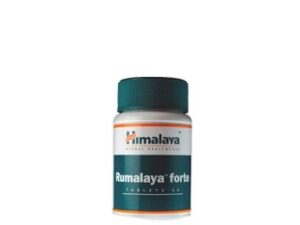
Rumalaya (Ayurvedic Pain Relief) – Patient-Friendly Guide (Australia)
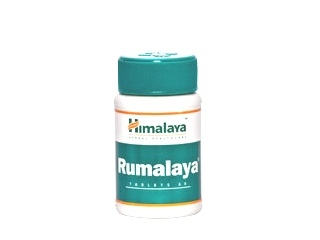
Rumalaya is an herbal pain-relief product commonly used in Australia to help manage discomfort associated with muscles and joints. Many people use it to support everyday mobility and comfort during periods of stiffness or soreness. This page explains how Rumalaya may work, how it’s typically used, what to consider regarding food and other medicines, and practical tips for safe use.
Note: Herbal medicines can still affect the body and may interact with other treatments. Always follow the directions on the pack and consult a healthcare professional if you are pregnant, breastfeeding, have chronic medical conditions, or take other medicines.
Basic product information
- Product name: Rumalaya
- Category: Herbal pain-relief (often marketed for joint and muscle comfort)
- Common forms: Capsules/tablets or other oral formats depending on the brand packaging and local supply
- Intended use: Temporary relief of pain and stiffness associated with musculoskeletal conditions
Because brands and formulations can vary by market, the exact ingredient list and strength may differ. Please check the active ingredients and strength per dose printed on your specific Australian product pack before use.
Indications (what Rumalaya is used for)
Rumalaya is typically used for:
- Joint discomfort (e.g., stiffness and aches in knees, hips, hands, and other joints)
- Muscle soreness related to everyday strain
- Discomfort associated with activity (including after exercise or periods of immobility)
- Temporary pain relief to support movement and comfort
Rumalaya is generally aimed at symptom management. It is not intended to replace medical evaluation or treatment for serious joint or back problems.
How Rumalaya may work (mechanism of action)
The exact mechanism depends on the product’s herbal composition, but many ingredients used in herbal pain-relief formulations are chosen for potential effects on:
- Inflammation pathways: Some herbal components may help reduce inflammatory signalling involved in pain and stiffness.
- Oxidative stress: Certain plant compounds may act as antioxidants, which can support tissue comfort.
- Muscle and joint comfort: By supporting overall inflammatory balance, herbal formulations may help lessen perceived pain and improve ease of movement.
Important: Individual responses vary. Herbal products may take some time to show benefits, particularly for stiffness that comes and goes.
Pharmacokinetics (how the body may absorb and handle it)
Pharmacokinetics describes what the body does with a medicine—absorption, distribution, metabolism, and excretion. For many herbal products like Rumalaya, published pharmacokinetic studies can be limited or ingredient-specific. In general terms, the overall behaviour depends on:
- Plant compound type: Different phytochemicals are absorbed and metabolised differently.
- Formulation factors: Capsule/tablet composition, excipients, and coating can affect release and absorption.
- Gut environment: Food intake, gut flora, and individual digestion can influence uptake.
Practical takeaway: If you’re aiming for consistent symptom relief, use Rumalaya regularly as directed (rather than only when pain becomes severe), and maintain a consistent routine regarding timing and meals where appropriate.
Typical use and timing
Rumalaya is commonly used as an oral supplement for pain and stiffness. Typical schedules vary by formulation and brand instructions, but the “timing” tips below often help most people get consistent results.
When to take it
- Follow pack directions first. They reflect the manufacturer’s dosing strategy.
- Many users take it once or twice daily to maintain symptom control.
- If your pack includes instructions for “after food,” use that guidance.
How long it may take to help
- Some people notice comfort within a few days.
- For ongoing stiffness, it may take several days to a few weeks of consistent use to judge effectiveness.
- If there is no improvement after the trial period recommended on your pack (or if symptoms worsen), speak with a pharmacist or doctor.
Dosing (how much to take)
Always follow the dose on your specific Rumalaya pack. Different versions may have different strengths. Below is a general guide commonly seen for similar herbal pain-relief products, but it should not replace your label instructions.
| Who | Typical dosing approach | Key instructions |
|---|---|---|
| Adults | Often taken once or twice daily | Use pack directions for the exact number of tablets/capsules per dose |
| Children | Only if explicitly recommended on the pack | Check age guidance carefully; consult a healthcare professional if unsure |
| Older adults | Typically the same adult dose | Extra caution with other medicines and any liver/kidney issues |
If you miss a dose, take it when you remember unless it is near the time for your next dose. Do not double up to catch up.
Food interactions (what to consider with meals)
Herbal medicines can be affected by food, both in terms of absorption and stomach comfort. For Rumalaya:
- If the label instructs after food (or with meals), it can help reduce potential stomach irritation.
- If the label says it can be taken with or without food, consistency is helpful—choose a routine you can maintain.
- Large meals, high-fat diets, and reflux symptoms may influence how you feel after taking any oral product.
Practical tip: If Rumalaya upsets your stomach, try taking it after a meal (only if consistent with the pack directions).
Alcohol interactions and other medicine interactions
Alcohol
There is often limited published evidence on direct alcohol interactions for specific herbal formulations. However, alcohol may:
- Increase stomach irritation and worsen reflux
- Increase dizziness in some people
- Potentially add strain to the liver when combined with other substances
Recommendation: Keep alcohol intake moderate. If you notice side effects after combining Rumalaya with alcohol, avoid the combination and speak to a healthcare professional.
Interactions with medicines
Herbal products may interact with other treatments due to effects on liver enzymes, blood clotting pathways, blood sugar, blood pressure, or stomach tolerance. Common categories to discuss include:
- Blood thinners/anticoagulants (e.g., warfarin) or antiplatelet medicines
- Non-steroidal anti-inflammatory drugs (NSAIDs) (e.g., ibuprofen, naproxen)
- Diabetes medicines (risk of changes in blood glucose in some herbal products)
- Blood pressure medicines
- Immunosuppressant medicines
- Liver-metabolised medicines (many drugs rely on liver pathways that herbs may influence)
Good practice: Tell your pharmacist about all medicines and supplements you use, including vitamins, sports supplements, and “natural” products.
Safety profile (side effects and when to get help)
Herbal medicines can cause side effects in some individuals. Many people tolerate Rumalaya well when used correctly, but it’s important to recognise possible adverse effects.
Common or mild side effects (possible)
- Gastrointestinal discomfort (e.g., nausea, stomach upset)
- Heartburn or indigestion
- Headache in some users
- Mild rash or itching (less common)
Seek medical advice urgently if
- Signs of an allergic reaction occur (swelling of face/lips, difficulty breathing, hives)
- You develop severe or persistent vomiting, severe stomach pain, or black/tarry stools
- Symptoms of liver issues appear (yellowing of skin/eyes, dark urine, unusual fatigue)
- Pain worsens rapidly or you have new neurological symptoms (weakness, numbness, loss of bladder/bowel control)
Who should take extra care
- Pregnant or breastfeeding (seek professional guidance first)
- People with known liver disease or significant alcohol use
- Those with a history of allergies to herbal ingredients
- People taking multiple medications—especially those affecting bleeding, glucose, or liver metabolism
Practical use tips for best results
- Consistency matters: Use Rumalaya regularly as per the label to assess benefit.
- Pair with movement: Gentle stretching, walking, and heat/cold therapy can improve joint comfort alongside oral treatments.
- Monitor response: Track pain/stiffness morning and evening for 1–2 weeks to decide whether it’s helping.
- Avoid stacking many similar products: Don’t combine multiple “joint pain” herbal remedies without advice.
- Check the expiry date and store as directed (cool, dry place; away from direct sunlight).
- Stay hydrated and maintain a balanced diet to support overall musculoskeletal health.
If you are using it alongside NSAIDs or other pain medicines: Use caution and ask a pharmacist whether the combination is appropriate for you, especially if you have stomach ulcers, kidney issues, or are on anticoagulants.
Alternative options for joint and muscle pain
If Rumalaya doesn’t suit you, or if you want different options, there are several alternatives available in Australia, including:
- Topical anti-inflammatory gels/creams (e.g., diclofenac where appropriate)
- Paracetamol for general pain relief (follow label dosing)
- NSAIDs for inflammation-related pain (consider suitability based on stomach, kidney, heart risk)
- Other complementary therapies such as physiotherapy, exercise programs, massage, heat therapy, or acupuncture
- Other herbal or nutraceutical products (e.g., turmeric/curcumin, glucosamine, omega-3). Always check ingredient lists and potential interactions.
When to seek professional help: If pain persists beyond expected timeframes, is severe, or is associated with swelling, redness, fever, or injury—consult a healthcare professional.
Market and legal context for Australia (what to know)
In Australia, medicines and complementary products are regulated to varying degrees depending on their classification (e.g., listed medicines, registered medicines, or complementary medicines). Many herbal pain-relief products like Rumalaya are marketed as complementary medicines or similar categories, and their availability may be subject to:
- Label claims: Products must comply with advertising and therapeutic goods rules for allowable statements.
- Ingredient disclosure: Approved ingredient lists and permitted usage are required.
- Quality and supply: Importers and distributors must meet regulatory and quality standards.
Recent guidance: Australia continues to monitor complementary medicines through regulatory updates and public communications. Safety updates can occur as new evidence emerges about specific ingredients or products. For the most current information, check the product’s label and consult your pharmacist for advice tailored to your situation.
Delivery and availability in Australia
Rumalaya is generally available through online and retail channels depending on local supply. When ordering through an Australian online pharmacy:
- Dispatch and delivery: Shipping timeframes vary by region and current warehouse processing schedules.
- Packaging: Products should arrive in protective packaging with the label intact and expiry clearly printed.
- Stock availability: Herbal products can be subject to fluctuating supply, especially when demand increases.
Before you order: Confirm that the product is the correct Rumalaya version (strength and format) and that the dosage instructions match what you expect to use.
FAQ – Frequently asked questions
1) Is Rumalaya suitable for long-term use?
It depends on your situation and the product label directions. Many users take it for short- to medium-term symptom control. If you want to use it beyond the period recommended on the pack, speak with a pharmacist or doctor to review safety and effectiveness.
2) How quickly should I feel improvement?
Some people notice changes within a few days, while others may take longer—often up to a few weeks—to judge benefit for stiffness. Track your symptoms and review if there’s no improvement within the timeframe suggested on your label.
3) Can I take Rumalaya with other pain relief medicines?
Possibly, but it depends on what else you’re taking (for example, NSAIDs, paracetamol, or blood thinners). Herbal products can interact with some medicines. For safer use, check with a pharmacist—especially if you take anticoagulants, have ulcers, kidney disease, liver issues, or take multiple medicines.
4) Should I take Rumalaya with food?
Follow the label. If your pack says after food, take it that way to support stomach comfort. If the label allows flexibility, choose a consistent routine that works for you.
5) Can I drink alcohol while taking Rumalaya?
Moderate alcohol is generally the safest approach. Alcohol can increase stomach irritation and may affect liver health. If you notice side effects, avoid alcohol and consult a healthcare professional.
6) What should I do if I miss a dose?
Take it when you remember unless it’s close to your next dose. Don’t take double doses to make up for a missed one.
7) What side effects should I watch for?
Possible effects include mild stomach upset or nausea. Get medical help urgently for signs of allergy (swelling, breathing difficulty, hives) or severe/worsening symptoms, especially symptoms that could suggest liver problems.
8) Who shouldn’t take Rumalaya?
Extra caution is needed for pregnancy, breastfeeding, people with liver disease, those with known allergies to ingredients, and anyone taking medicines that may interact. If you’re unsure, ask a pharmacist.
9) Is Rumalaya a treatment for arthritis?
Rumalaya is typically used for pain and stiffness support. It may not treat the underlying cause of arthritis. If you have arthritis or inflammatory joint disease, medical evaluation can help confirm the diagnosis and guide safe long-term management.
10) How can I improve results alongside Rumalaya?
Combine it with gentle exercise (as tolerated), stretching, posture support, heat/cold therapy, and ergonomic adjustments. Maintaining a healthy weight and staying active can also reduce joint load over time.
Final reminder: Always check the specific Rumalaya product label for ingredients, strength, and dosing instructions. If you have persistent or worsening pain, swelling, fever, or injury, seek healthcare advice promptly.