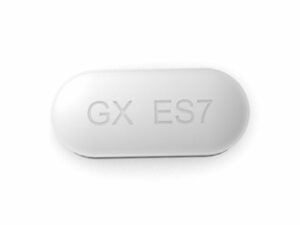



Rifaximin (Rifaximin Tablets/Suspension) — Patient Information (Australia)
Rifaximin is an antibiotic medicine used for specific gastrointestinal (gut) conditions. It belongs to the rifamycin group and is designed to act mainly within the intestines, with very limited absorption into the bloodstream. This page explains how rifaximin works, what it’s used for, how to take it, key safety information, and practical tips for Australians.
Important: Medicines can affect people differently. Always follow the dosing directions provided by your healthcare professional and read the product label/consumer medicine information (CMI) for your specific brand.
Quick Overview
- Medicine: Rifaximin
- Group: Antibiotic (rifamycin)
- Where it works: Mainly in the gut (low systemic absorption)
- Common uses: Conditions such as travel-related diarrhoea (where appropriate) and hepatic encephalopathy (in select patients)
- Typical dosing frequency: Often multiple times daily (depends on indication)
- Food considerations: Usually can be taken with or without food; exact guidance depends on the formulation
Basic Product Information
Rifaximin is available in different formulations depending on the product registered in Australia. It is most commonly provided as tablets. Your local pharmacy will confirm the strength (e.g., mg per tablet) and whether a particular formulation is suitable for your situation.
The medicine is sometimes marketed under brand names that may vary by manufacturer. Regardless of brand, always confirm the active ingredient is rifaximin.
| Category | Details |
|---|---|
| Active ingredient | Rifaximin |
| Drug class | Rifamycin antibiotic |
| Main site of action | Intestinal lumen (very low absorption) |
| Common route | Oral (tablets/suspension depending on brand) |
| Typical treatment length | Varies by indication (e.g., several days for diarrhoea; longer courses for some conditions) |
How Rifaximin Works (Mechanism of Action)
Rifaximin works by interfering with bacterial protein synthesis. Specifically, it inhibits the bacterial DNA-dependent RNA polymerase. This action reduces the ability of susceptible bacteria to grow and multiply.
A key feature of rifaximin is that it is poorly absorbed from the gut. As a result, it concentrates where many gastrointestinal bacteria are located, helping treat certain intestinal conditions while limiting effects throughout the body.
Pharmacokinetics (Absorption, Distribution, Metabolism, Excretion)
Absorption
Rifaximin has low systemic absorption. Most of the dose remains in the gastrointestinal tract, where it can act against intestinal bacteria.
Distribution
Because absorption is limited, systemic distribution is minimal compared with many other antibiotics.
Metabolism
Rifaximin undergoes limited metabolism. The medicine’s overall exposure in the blood is low.
Excretion
Rifaximin is largely eliminated via the gastrointestinal tract. Renal excretion of the unchanged drug is generally not a dominant pathway due to low absorption.
Why this matters: In many patients, rifaximin has fewer whole-body side effects than antibiotics that circulate widely through the bloodstream. However, side effects can still occur.
Typical Uses and Indications
Rifaximin is used for specific medical indications where its intestinal-targeted action is beneficial. In Australia, availability and exact registered indications can vary by brand and formulation.
Common clinical indications
- Hepatic encephalopathy: A condition related to liver disease where toxins build up and can affect brain function. Rifaximin may be used as part of management to reduce recurrence in appropriate patients.
- Travel-related diarrhoea: In selected cases, rifaximin may be used for bacterial diarrhoea associated with travel. Suitability depends on the pattern of symptoms and local clinical guidance.
- Other gastrointestinal indications: Some doctors may consider rifaximin for other gut-related conditions depending on local guidance and patient factors.
If you are unsure whether rifaximin is appropriate for your symptoms, check with a healthcare professional—especially if you have fever, blood in the stool, severe abdominal pain, or dehydration.
Timing: When to Take Rifaximin
Timing depends on the prescribed course. Many regimens are taken multiple times daily to maintain intestinal activity.
General practical timing tips
- Follow your schedule: Try to take doses at roughly equal intervals.
- Finish the full course: Even if you feel better, do not stop early unless advised.
- Missed dose: Take it when you remember unless it is close to the next dose. Do not double up to compensate.
If you tell your pharmacist your brand name and strength, they can provide brand-specific directions for dosing intervals.
How to Take Rifaximin (Dosing Guidance)
Dosing varies by indication, age, severity, and clinical goals. Below are common dosing patterns used in practice, but always confirm the exact regimen for your condition.
Typical adult dosing patterns (examples)
- Travel-related diarrhoea: Often taken for a short course (commonly around 3 days), with dosing frequency depending on the product instructions.
- Hepatic encephalopathy: Often prescribed for longer-term use in selected patients to reduce recurrence, with a dosing schedule typically several times per day depending on local guidance.
For children
Rifaximin use in children should be based on specialist or clinician guidance and product-specific dosing instructions. Age and weight may affect dosing choices.
Renal and hepatic impairment
Because systemic absorption is low, dose adjustments may not be required in many cases. However, liver disease can be complex—especially for hepatic encephalopathy. Your healthcare professional should assess whether any adjustments or monitoring are necessary.
Always check: The exact dose and duration should come from the instructions provided with your medication and the local product information.
Food Interactions: Can You Take Rifaximin With or Without Food?
In general, rifaximin can often be taken with or without food. However, food effects can vary by formulation and product instructions.
Practical guidance
- If the label says with food, take it that way to improve tolerance and maintain consistency.
- If the label says without food or on an empty stomach, try to take it as directed.
- If you experience stomach upset, consider taking it consistently at the same relationship to meals (e.g., always with food) and discuss with your pharmacist if symptoms persist.
Tip: If you are taking multiple medicines, maintaining a consistent routine helps prevent missed doses.
Alcohol and Medicine Interactions
Alcohol
There is no single rule that fits every patient, but alcohol can worsen dehydration, stomach irritation, and overall recovery—particularly during diarrhoea. For hepatic encephalopathy, alcohol may directly worsen liver function and increase risk of complications.
- During diarrhoea: It’s generally best to avoid alcohol and focus on fluids and electrolyte intake.
- With liver disease/encephalopathy: Avoid alcohol or discuss with your clinician, as alcohol can aggravate liver problems.
Other medicines
Rifaximin’s interactions can depend on absorption and metabolism pathways. Some interactions may involve medicines that affect gut bacteria balance, or drugs that can influence liver enzymes and transporters.
Tell your healthcare professional or pharmacist about all medicines you take, including:
- Prescription medicines
- Over-the-counter medicines (including laxatives and antidiarrhoeals)
- Herbal products (e.g., St John’s wort)
- Vitamins and supplements
Antidiarrhoeal medicines
If you’re using rifaximin for diarrhoea, check before combining with anti-motility agents (such as certain antidiarrhoeals). In some infections, slowing gut movement can worsen symptoms or prolong illness.
Pharmacist tip: Ask your pharmacist whether to avoid or use specific products while taking rifaximin.
Safety Profile: Common and Serious Side Effects
Rifaximin is generally well tolerated in many patients. Still, side effects can occur—most are mild and temporary. Seek urgent medical help if you develop severe reactions.
Common side effects
- Nausea or mild stomach discomfort
- Headache
- Flatulence (gas)
- Changes in bowel movements
Less common but important side effects
- Diarrhoea that worsens, or persistent diarrhoea after treatment
- Rash or itching
Seek urgent medical advice if you have
- Signs of allergy: swelling of the face/lips, hives, trouble breathing
- Severe or persistent diarrhoea, especially with fever or blood/mucus in stool
- Severe weakness, dehydration, or inability to keep fluids down
In antibiotic use, rare cases of severe intestinal inflammation can occur (including Clostridioides difficile). Any concerning symptoms should be discussed promptly with a clinician.
Practical Use Tips (Getting the Best Results)
- Hydrate well: Especially if treating diarrhoea. Oral rehydration solution can help replace salts and fluids.
- Maintain hygiene: Hand washing helps prevent spread and re-infection.
- Stick to the schedule: Consistent dosing improves outcomes.
- Avoid unnecessary antibiotics: Rifaximin works for specific conditions—use only when appropriate.
- Monitor symptoms: If you are not improving within a reasonable timeframe, contact your healthcare professional.
How to know if it’s working
Many people notice improvement in diarrhoea symptoms within a few days (depending on cause and severity). For other indications, improvement may be assessed using clinical markers determined by your clinician.
What to Do If You Miss a Dose
If you miss a dose of rifaximin:
- Take it as soon as you remember if it’s not close to the next dose.
- Otherwise, skip the missed dose and continue with your regular schedule.
- Do not take two doses at once to “catch up.”
If you miss multiple doses, ask your pharmacist for advice on how to restart.
Alternative Options
Alternatives depend on the underlying cause of symptoms and the specific indication. For gastrointestinal infections and diarrhoea, clinicians may consider different antibiotic options or non-antibiotic supportive measures depending on severity, local resistance patterns, and symptom features.
Supportive measures (often important)
- Oral rehydration solution (ORS)
- Fluid and electrolyte replacement
- Diet adjustments (light meals as tolerated)
Medicine alternatives (examples)
Potential alternatives may include other antibiotics used for diarrhoea or other gut conditions, or different treatment strategies for hepatic encephalopathy. The best choice depends on:
- Suspected or confirmed cause (bacterial vs viral, presence of blood, fever)
- Your medical history (especially liver disease)
- Other medicines you take
- Allergies and prior antibiotic reactions
Ask a healthcare professional to discuss what alternative (if any) is appropriate for your situation.
Rifaximin in Australia: Market, Regulation and Legal Context
In Australia, the availability of medicines is regulated through the Therapeutic Goods Administration (TGA) and the medicines scheduling framework. The classification (and thus whether it can be supplied through certain channels) depends on the product, strength, and approved indications.
Many antibiotics require careful supply practices to support appropriate use and reduce the risk of antimicrobial resistance. Your pharmacy may ask screening questions to ensure the medicine is suitable and safe for you.
Availability: Depending on the specific brand and strength, rifaximin may be stocked by some pharmacies or may require ordering. Your pharmacy can confirm local availability and estimated delivery times.
Recent guidance (general themes)
In recent years, clinical emphasis has included:
- Antibiotic stewardship: using antibiotics when clearly indicated and completing appropriate courses
- Reassessment: reviewing symptoms if there is no improvement or if severe features appear
- Infection safety: recognising and responding to red flags such as dehydration, fever, or blood in stool
Because guidance can change, confirm the latest advice through your treating clinician or local health resources in your area.
Delivery and Availability (Online Pharmacy Considerations)
If you order rifaximin online through an Australian pharmacy website, availability will depend on stock levels and supplier timelines. Many pharmacies provide:
- Estimated dispatch times (e.g., same-day or next business day if in stock)
- Delivery timeframes based on Australia Post or courier services
- Packaging that protects tablets and maintains product integrity
- Tracking updates for certain shipping methods
What to prepare before ordering: Have your delivery address details ready, confirm the brand/strength, and ensure you can receive the parcel at the listed location.
If you live in a remote area, shipping times may be longer. Contact customer support if you have urgent needs.
FAQ: Rifaximin (Australia)
1) What is rifaximin used for?
Rifaximin is an antibiotic used for specific conditions, most commonly certain types of gastrointestinal problems (such as travel-related diarrhoea in selected cases) and hepatic encephalopathy in appropriate patients. Your healthcare professional will confirm whether it suits your diagnosis.
2) How quickly will I feel better?
Many people begin to improve within a couple of days, depending on the cause of symptoms and severity. If you do not improve or your symptoms worsen, contact your healthcare professional.
3) Can I take rifaximin with food?
It’s often possible to take rifaximin with or without food, but follow the directions on your specific product label. If you have stomach upset, take it consistently according to your pharmacist’s advice.
4) What should I do if I get diarrhoea after finishing rifaximin?
If diarrhoea returns or becomes severe, especially with fever, blood/mucus, or dehydration, seek medical advice promptly. Antibiotics can sometimes be associated with intestinal inflammation that needs specific treatment.
5) Is rifaximin safe for people with liver disease?
Rifaximin is used in hepatic encephalopathy, so it can be appropriate for some patients with liver disease. However, treatment should be supervised by a clinician who can monitor overall condition and medication interactions.
6) Can I drink alcohol while taking rifaximin?
It’s generally best to avoid alcohol while treating diarrhoea and to avoid or discuss alcohol use if you have liver disease. Alcohol can worsen recovery, dehydration, and liver function.
7) What medicines interact with rifaximin?
Interactions can occur with certain medicines and herbal products. Provide your pharmacist with a full list of medicines (including supplements and herbal products) so they can check for potential interactions.
8) What if I miss a dose?
Take the missed dose when you remember unless it’s near the time for the next dose. Do not take two doses at once. If you miss multiple doses, ask your pharmacist for guidance.
9) Can rifaximin cause side effects like nausea?
Yes, nausea and mild stomach discomfort can occur. If side effects are severe, persistent, or accompanied by rash, breathing difficulty, or severe diarrhoea, seek medical advice.
10) Are there alternatives to rifaximin?
Alternatives depend on why you’re taking it. Supportive measures may be appropriate in some cases, and other antibiotics or condition-specific treatments may be considered in others. A clinician can guide the safest option for your diagnosis.
When to Seek Medical Help
Contact a healthcare professional urgently if you experience:
- Severe allergic reaction symptoms (e.g., difficulty breathing, swelling of face/lips)
- Severe or worsening abdominal pain
- Dehydration signs (very little urine, dizziness, extreme thirst)
- Blood or mucus in stool, or high fever with diarrhoea
- Confusion or significant worsening of symptoms in people with liver disease
Disclaimer: This information is general and designed to help patients understand rifaximin. It does not replace the advice of a pharmacist or doctor. Always read the product information provided with your medicine and follow local healthcare guidance.