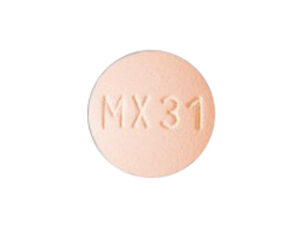


Remeron (Mirtazapine) — Patient-Friendly Guide (Australia)
Remeron is a brand of mirtazapine, a medicine used to treat depression. Many people find Remeron helpful when mood symptoms, sleep problems, and appetite/energy changes are all part of their illness. This guide explains how it works, how it’s typically taken, important safety information, and practical tips for getting the best results.
This information is for general education. Individual treatment plans vary.
1) Basic Product Information
| Category | Details |
|---|---|
| Medicine name | Remeron (mirtazapine) |
| Drug class | Antidepressant (tetracyclic antidepressant; noradrenergic and specific serotonergic antidepressant) |
| Common strengths (examples) | 15 mg, 30 mg, 45 mg tablets (availability may vary) |
| Formulations | Oral tablets (brand availability may vary by supplier) |
| Typical starting approach | Lower doses are often used at first; dose may be adjusted based on response and tolerability |
How it comes in Australia: Remeron is marketed in Australia under the brand name Remeron, and mirtazapine may also be available as a generic product depending on current supply.
2) What Remeron Does (Mechanism of Action)
Mirtazapine works differently from many older and newer antidepressants. It mainly influences brain chemical messengers (neurotransmitters), particularly:
- Serotonin pathways
- Noradrenaline pathways
- It blocks certain receptors that regulate these systems, which may help restore balance involved in mood, motivation, and anxiety.
In simple terms, mirtazapine helps improve symptoms of depression by enhancing noradrenergic and serotonergic signalling through a receptor-focused approach.
Many people also notice sleep and appetite improvements, particularly when depression is accompanied by insomnia or reduced appetite.
3) Pharmacokinetics (How the Body Handles It)
Pharmacokinetics describes how the body absorbs, distributes, metabolises, and eliminates a medicine.
- Absorption: Mirtazapine is absorbed after oral dosing.
- Distribution: It distributes into body tissues; its effects appear in the brain.
- Metabolism: The medicine is primarily metabolised by the liver (commonly via enzyme pathways such as CYP enzymes).
- Elimination: Metabolites are removed through urine and other routes.
- Half-life: Mirtazapine has an elimination half-life that supports once-daily dosing for many patients, although dosing schedules vary by individual and clinician guidance.
Because it’s metabolised in the liver, liver function and other medicines that affect liver enzymes may influence levels and tolerability.
4) Typical Use and When It Starts Working
Typical use
Remeron is used to treat:
- Major depressive disorder (MDD)
- Depression associated with insomnia, loss of appetite, or low energy (common reasons people choose Remeron)
Timing (what to expect)
People often notice changes in different symptom areas at different times:
- Sleep: Some individuals notice improved sleep earlier (sometimes within days).
- Energy and appetite: May improve over the first 1–2 weeks.
- Mood and overall depression: Full benefits often take several weeks.
Important: Even if you feel some improvement, continuing the medicine as directed is usually necessary for sustained effect. Stopping suddenly can cause problems for some people.
5) Indications (What Conditions It’s Used For)
In Australia, mirtazapine is prescribed for depressive illnesses, most commonly:
- Major depressive disorder (MDD) in adults
Your doctor will confirm whether Remeron is suitable for your particular situation and symptoms, including any anxiety features, sleep disturbance, or appetite changes.
6) How to Take Remeron (Dosing Overview for Patients)
Individual dosing varies. Always follow the dosing instructions provided by your prescriber and the product information for your specific tablet strength.
General dosing principles
- Starting dose: Often begins at a lower dose to reduce side effects.
- Titration: Dose may be adjusted gradually based on response and tolerability.
- Maintenance: After improvement, some people continue for several months or longer to help prevent relapse.
Common dosing schedule (practical patient perspective)
- Once daily is commonly used.
- Time of day: Many people take Remeron in the evening or at night, especially if it causes drowsiness.
If you miss a dose
If you miss a dose:
- Take it when you remember if it’s close to the scheduled time.
- If it’s nearly time for the next dose, skip the missed dose.
- Do not take a double dose to make up for a missed one.
If you’re unsure, ask a pharmacist for advice based on your dosing time and tablet strength.
Stopping or reducing
Stopping antidepressants abruptly can cause withdrawal-like symptoms in some people (for example, dizziness, nausea, irritability, or sleep disturbance). A gradual taper is often recommended.
7) Food Interactions and What to Do About Meals
Food: Remeron can typically be taken with or without food. Taking it consistently (e.g., always with dinner or always at bedtime) may help you remember.
- If it upsets your stomach, consider taking it after a meal.
- If it makes you drowsy, taking it in the evening may suit you better.
Grapefruit and dietary supplements: While grapefruit is well known for interacting with some medications, mirtazapine interactions are more commonly related to other drugs that affect liver enzymes. Always check supplements and herbal products with a pharmacist, especially if you are taking multiple medicines.
8) Alcohol and Medicine Interactions
Alcohol
Combining antidepressants with alcohol can increase side effects and reduce safety, including:
- Drowsiness or impaired concentration
- Greater sedation risk
- Worsening mood in some people
Patient tip: If you drink alcohol, keep it minimal and discuss it with your healthcare professional. Avoid driving or operating machinery if you feel affected.
Other medicines (important interaction categories)
Remeron can interact with other medicines. Tell your pharmacist or doctor about everything you take, including over-the-counter products and herbal supplements. Key interaction categories include:
- CNS depressants: opioids, benzodiazepines, sedating antihistamines, and some sleep medicines—may increase sedation and breathing risk.
- Medicines that affect serotonin: other antidepressants, triptans, linezolid, tramadol and other agents that may increase serotonin effects—risk of serotonin-related side effects may rise.
- Medicines affecting liver enzymes: drugs that increase or decrease mirtazapine metabolism may change its effect and side effects.
- Anticoagulants: if you take blood thinners, interactions and bleeding risk should be assessed.
Do not start or stop medicines suddenly
Changes in dose or adding new medicines can alter mirtazapine levels and side effects. If you are starting another medicine, ask whether your current antidepressant regimen could be affected.
9) Safety Profile (Common and Serious Side Effects)
Like all medicines, Remeron can cause side effects. Many are mild and improve as your body adjusts. However, some symptoms need urgent medical attention.
Common side effects
- Drowsiness or fatigue (often more noticeable early)
- Increased appetite and weight gain
- Dizziness (especially when standing up quickly)
- Dry mouth
- Constipation
- Sleep-related effects (improved sleep for some; vivid dreams for others)
Weight gain: This is one of the more noticeable longer-term considerations with mirtazapine. Eating habits, activity, and baseline weight can influence the degree of change.
Less common but important side effects
- Low blood pressure symptoms (lightheadedness, fainting)
- Changes in mood such as agitation or increased anxiety early in treatment
- Changes in blood counts (rare), which may present as frequent infections or unusual bruising
Seek urgent help if you notice
Contact urgent care or emergency services if you experience:
- Signs of severe allergic reaction (swelling of face/lips, difficulty breathing, widespread rash)
- Severe confusion, high fever, severe agitation, or muscle stiffness (particularly if combined with other serotonergic medicines)
- Suicidal thoughts or sudden worsening mood (especially early in treatment or after dose changes)
- Fainting or severe dizziness
Special populations
- Older adults: may be more sensitive to dizziness and sleepiness; fall risk should be considered.
- Liver impairment: dosing and monitoring may require adjustment.
- Children and adolescents: antidepressant use requires careful assessment; safety monitoring is important.
- Pregnancy and breastfeeding: discuss benefits and risks with a clinician.
10) Practical Use Tips (How to Make Treatment Easier)
1) Choose a consistent dosing time
Many people take Remeron in the evening if it causes drowsiness. A consistent time helps maintain steady effects and improves adherence.
2) Manage sleep and drowsiness
- Avoid driving if you feel sedated, especially during the first days.
- If morning grogginess occurs, discuss with your pharmacist or prescriber—timing or dose may need adjustment.
3) Track mood and side effects
Helpful tracking can include:
- Sleep quality
- Appetite changes
- Energy and activity levels
- Any increase in anxiety or agitation early on
4) Consider lifestyle supports (especially for appetite and weight)
- Choose balanced meals with protein and fibre.
- Plan regular gentle activity (walking, stretching).
- Monitor weight changes over time and seek advice if weight rises rapidly.
5) Don’t ignore early anxiety or restlessness
Some people feel more restless at the start of antidepressant treatment. Contact your healthcare professional if symptoms worsen or feel unsafe.
6) Storage and handling
- Store tablets as directed on the label (commonly at room temperature, away from moisture and heat).
- Keep out of reach of children.
11) Alternative Options (Discussing Other Treatments)
If Remeron isn’t suitable, alternatives may include other antidepressants or non-drug strategies. The best choice depends on symptoms such as sleep disturbance, anxiety level, appetite changes, other health conditions, and medication interactions.
Other antidepressant options (examples)
- SSRIs (e.g., sertraline, escitalopram, fluoxetine)
- SNRIs (e.g., venlafaxine, duloxetine)
- Other antidepressants depending on availability and individual factors
Non-medicine options
- Psychological therapies (for example, CBT)
- Sleep-focused strategies (sleep hygiene, routine)
- Exercise and structured activity planning
- Supportive care and monitoring
Combination approaches: Many Australians benefit from a combined plan (medicine plus therapy), but this should be coordinated with a healthcare professional.
12) Market and Legal Context for Australia (How Medicines Are Managed)
In Australia, prescription medicines are regulated under the Therapeutic Goods Administration (TGA) framework and related legislation. Medicines are supplied through licensed pharmacies and follow strict standards for quality, labelling, and distribution.
When choosing products online, it’s important to:
- Use an authorised, reputable pharmacy
- Ensure packaging and labelling are clear and match the product description
- Check availability by strength and formulation
- Confirm that your medicines are stored and shipped under appropriate conditions
Quality and safety: Approved products in Australia are assessed for safety, quality, and effectiveness. Always rely on the packaging information and official product details.
13) Recent Guidance and Practical Updates (Patient-Relevant Themes)
While individual advice varies, recent clinical and public health themes for antidepressant use typically focus on:
- Careful monitoring when starting or changing antidepressant doses
- Managing side effects early (sleepiness, appetite changes, dizziness)
- Support for adherence, including explaining realistic timelines (weeks, not days)
- Safety planning for people at risk of worsening mood or suicidal thoughts
If you experience significant side effects or feel your depression is worsening, contacting your healthcare professional promptly is recommended.
14) Delivery and Availability in Australia
Online pharmacy availability can vary by product strength and current supply. For Remeron (mirtazapine), common tablet strengths may be stocked more reliably than less common doses.
What to check before ordering
- The strength you need (e.g., 15 mg, 30 mg, 45 mg)
- The number of tablets and total quantity
- Delivery timeframes to your location
- Whether the product is in stock or has a dispatch estimate
Delivery considerations
- Medicines should be delivered in packaging designed to protect tablets.
- Keep medicines in a safe storage area on arrival.
- If your delivery is delayed, contact customer support rather than taking an incorrect substitute.
Availability note: In some cases, brand supply fluctuations may mean generics are offered. A pharmacy should clarify what product you will receive.
15) FAQ — Remeron (Mirtazapine) Questions People Often Ask
1) How long does it take for Remeron to work?
Sleep improvements may occur earlier for some people. For overall depression symptoms, it commonly takes several weeks. If there’s no improvement after an appropriate trial, your clinician may adjust the dose or consider an alternative.
2) Will Remeron make me sleepy?
It can. Drowsiness is a common early side effect. Many people take it in the evening or at night. Avoid driving or risky activities until you know how it affects you.
3) Is Remeron likely to cause weight gain?
Increased appetite and weight gain can occur. Not everyone experiences major weight changes, but it’s important to monitor appetite and weight and discuss concerns early.
4) Can I take Remeron with food?
Yes, it can usually be taken with or without food. Taking it after a meal may help if it causes stomach upset.
5) Can I drink alcohol while taking Remeron?
Alcohol can increase sedation and may worsen mood. It’s generally best to limit alcohol and discuss your individual situation with a healthcare professional.
6) What if I miss a dose?
Take it when you remember if close to the scheduled time. If near the next dose, skip the missed one. Do not take a double dose.
7) What medicines should I avoid?
Be cautious with sedating medicines (including some sleep and allergy medicines), opioids, benzodiazepines, and other serotonergic agents. Also check supplements/herbal products. A pharmacist can screen your medication list.
8) Can I stop Remeron suddenly?
Stopping abruptly may lead to withdrawal-like symptoms for some people. A gradual reduction plan is often preferred—discuss any changes with your healthcare professional.
9) Are there people who need extra monitoring?
Yes. People with liver problems, older adults at risk of falls, and those with complex medication regimens should be monitored more closely. Pregnancy/breastfeeding also requires careful discussion.
10) What should I do if my depression worsens?
If you feel worse, experience agitation, or have thoughts of self-harm—especially during the early treatment period or after dose changes—seek urgent medical help. In Australia, you can contact local emergency services or crisis support immediately if risk is present.
16) Key Takeaways
- Remeron (mirtazapine) is an antidepressant used for major depression.
- It may be particularly helpful when depression affects sleep and appetite.
- Effects often build over several weeks, with sleep improvements sometimes earlier.
- Common side effects include drowsiness and increased appetite/weight gain.
- Avoid mixing with alcohol and be mindful of drug interactions.
- For safety and best outcomes, keep follow-up, monitor symptoms, and don’t stop suddenly without medical advice.
If you have questions about availability, dosage strength, or interactions with your current medicines, a pharmacist can provide guidance tailored to you.