
Geodon (Ziprasidone) — Patient-Friendly Medicine Information (Australia)
Geodon is a brand of ziprasidone, an antipsychotic medicine used to treat certain mental health conditions. This guide explains how Geodon works, how it is usually taken, key safety points, common interactions, and what to expect in day-to-day use. It is written for people living in Australia and aims to be easy to understand.
Important: The information below is general. Your treating clinician and pharmacist will tailor treatment to your specific needs, including dose, monitoring, and how to take it safely.
Basic Product Information
- Medicine name: Geodon
- Active ingredient: Ziprasidone
- Type: Antipsychotic (atypical)
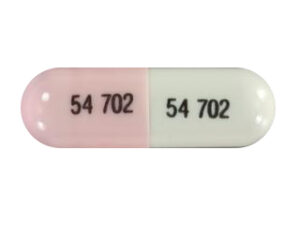
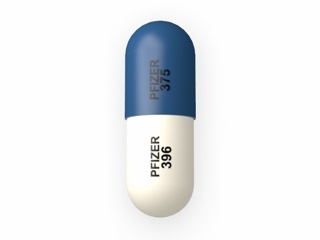
- Common forms: Capsules (commonly used in Australia)
- Typical availability: Generally supplied through prescription medicines channels in Australia, subject to local supply and clinician direction.
What it’s for: Ziprasidone is used for conditions such as schizophrenia and (in some settings) bipolar disorder, including episodes of acute mania and maintenance in adults, depending on the exact product details and clinical plan.
How Geodon Works (Mechanism of Action)
Ziprasidone helps rebalance chemical signals in the brain, primarily by interacting with several neurotransmitter receptors:
- Serotonin receptors (5-HT): Particularly 5-HT2A antagonism, which may help improve symptoms like hallucinations, delusions, anxiety, and mood-related symptoms.
- Dopamine receptors (D2): Dopamine antagonism helps reduce psychotic symptoms.
- Other receptor activity: Ziprasidone also affects other serotonin and dopamine-related pathways that may contribute to its overall effects.
What this means for you: The medicine targets core symptoms, but improvements may take time. Some people notice changes sooner, while others require several weeks for full benefit.
Pharmacokinetics (Absorption, Distribution, Metabolism, Elimination)
Understanding how ziprasidone behaves in the body can help explain why taking it with food matters and why timing can affect effects.
Absorption
- Food-dependent absorption: Ziprasidone absorption is significantly improved when taken with food (particularly a meal that contains enough calories).
- Consistency is important: Taking it the same way each day helps keep blood levels steadier.
Peak levels
- Ziprasidone reaches its maximum concentration in the blood after a number of hours following a dose (exact timing can vary by person and formulation).
Distribution
- It distributes into tissues and binds to plasma proteins.
Metabolism
- Ziprasidone is metabolised mainly by liver enzymes (notably CYP3A4).
- Drug–drug interactions can occur if other medicines affect these enzymes.
Elimination
- It is cleared from the body through metabolism and excretion via kidneys and/or faeces.
Clinical takeaway: Because absorption depends on food, and metabolism can be affected by other medicines, it’s important to follow dosing and interaction guidance carefully.
What Geodon is Typically Used For
Geodon/ziprasidone is used to treat:
- Schizophrenia (symptoms such as hallucinations, delusions, disorganised thinking, and negative symptoms).
- Bipolar disorder, including episodes of acute mania and, in some cases, maintenance (ongoing control of mood symptoms). The exact suitability depends on your diagnosis and clinical assessment.
Your prescriber will decide which condition(s) it is appropriate to treat based on your symptoms, past medication responses, and overall health.
Indications and Decision Factors
In practice, whether ziprasidone is chosen may depend on:
- Your diagnosis and symptom pattern
- Prior response to antipsychotic medicines
- Risk factors for side effects, especially heart rhythm changes (QT prolongation)
- Potential interactions with your current medicines
- Lifestyle factors (for example, diet routine affecting absorption)
Monitoring considerations: Some people may need additional baseline or follow-up checks (for example, heart-related monitoring and blood tests depending on their situation).
How to Take Geodon: Timing, Dosing, and What to Expect
Always follow the dose and schedule prescribed for you. The information below provides typical guidance used in many clinical settings.
Typical dosing approach
- Ziprasidone is commonly taken twice daily with meals.
- Clinicians may start at a lower dose and adjust gradually based on response and tolerability.
- Doses are individual. Do not change your dose without advice.
Timing with food
A key practical rule for ziprasidone is:
- Take each dose with food.
- Try to take it at a consistent time each day (for example, after breakfast and after dinner).
Why this matters: Taking ziprasidone without food can reduce absorption and may lower effectiveness. It can also make side effects feel unpredictable if blood levels fluctuate.
If you miss a dose
- If you remember soon after your scheduled time, take it with food if it’s still close enough to your next dose schedule.
- If it’s nearly time for your next dose, skip the missed one and continue as usual.
- Do not double up to make up for a missed dose.
Food Interactions (What to Eat and Avoid)
Food affects ziprasidone absorption. The most important guidance is:
- Take Geodon with a meal (a real meal is generally better than a light snack, as absorption may require sufficient food).
- Maintain consistent meal patterns across days.
There are no special “forbidden foods” in the same way there are for some other medicines, but the calorie and meal content can influence how well the medicine is absorbed.
Alcohol and Medicine Interactions
Alcohol
It is generally advised to avoid or limit alcohol while taking antipsychotics. Alcohol can:
- Worsen sleepiness and impair coordination
- Increase dizziness or risk of falls
- Make mood symptoms harder to manage
If you choose to drink, discuss safe limits with your clinician—especially if you have other medical conditions or are taking additional sedating medicines.
Interactions with other medicines
Ziprasidone can interact with medicines that affect:
- Heart rhythm (QT prolongation): Some medicines can increase the risk of abnormal heart rhythms when combined with ziprasidone.
- Liver metabolism (CYP3A4): Some medicines can increase or decrease ziprasidone levels.
- Sedation: Combining with other sedating medicines can increase drowsiness.
Common interaction examples to discuss with your pharmacist:
- Other medicines that prolong QT: Certain antiarrhythmics, some antibiotics (depending on the specific antibiotic), some antifungals, and certain antidepressants or antipsychotics.
- Strong CYP3A4 inhibitors/inducers: These can affect ziprasidone concentration. Your pharmacist can check your specific products.
- Medicines that lower potassium or magnesium: Low levels of potassium/magnesium can raise cardiac risk, especially if combined with QT-prolonging risk.
- Sedatives: e.g., benzodiazepines or strong antihistamines that may increase sedation.
Practical tip: Keep an up-to-date list of all medicines, including over-the-counter products and supplements, and show it to your pharmacist.
Safety Profile: Common, Serious, and When to Seek Help
Like all medicines, ziprasidone can cause side effects. Many are mild to moderate, but some can be serious. Knowing what to watch for helps you act quickly.
Common side effects
- Drowsiness or tiredness
- Dizziness
- Headache
- Nausea or stomach discomfort
- Akathisia (a feeling of inner restlessness; you may feel unable to sit still)
- Weight changes (may vary among individuals)
- Dry mouth
Less common but important risks
- Heart rhythm changes (QT prolongation): Ziprasidone can affect cardiac electrical activity in some people. Risk can be higher with certain medicines, electrolyte imbalances, heart disease, or higher doses.
- Extrapyramidal symptoms (EPS): such as stiffness, tremor, or slowed movements.
- Tardive dyskinesia: persistent abnormal movements (long-term risk with antipsychotics).
- Neuroleptic malignant syndrome (rare): fever, severe muscle stiffness, confusion, and autonomic instability. This is an emergency.
- Blood sugar and cholesterol changes: antipsychotics can affect metabolic parameters in some people, though patterns vary.
- Seizures: risk may be influenced by underlying factors and medicine interactions.
Seek urgent medical help if you notice:
- Fainting or severe dizziness, especially if accompanied by palpitations
- Fast or irregular heartbeat
- Severe allergic reaction symptoms (swelling of face/lips, trouble breathing)
- High fever, severe stiffness, confusion (possible emergency)
- Uncontrolled muscle movements or severe restlessness that rapidly worsens
If you’re unsure whether symptoms are serious, contact a clinician or local health service for guidance.
Practical Use Tips for Better Results
- Take it with food every time. This helps absorption and reduces “on/off” effectiveness.
- Keep a routine. Linking doses to breakfast and dinner can improve adherence.
- Avoid skipping meals. If you miss food, ask your pharmacist what to do. For ziprasidone, taking without food may reduce absorption.
- Be cautious when starting treatment. Drowsiness and dizziness can occur—avoid driving or operating machinery until you know how it affects you.
- Tell your pharmacist about all medicines. This includes herbal products, sedating antihistamines, cough and cold products, and supplements.
- Do not stop suddenly. Stopping antipsychotics abruptly can lead to symptom worsening. Seek advice for tapering or changes.
- Track side effects. Note changes in restlessness, sleepiness, appetite, movement symptoms, and mood—bring notes to your follow-up.
Dosing Guidance (General Information)
In Australia, the precise dosing and target dose depend on diagnosis (for example, schizophrenia vs bipolar episodes), age, kidney/liver function, and tolerability.
- Do not self-adjust your dose.
- If you experience troublesome side effects, discuss them promptly—dose adjustments or supportive treatment may be possible.
- Heart-risk considerations: if you have a history of heart rhythm problems, fainting, or you take other QT-prolonging medicines, extra caution and monitoring may be recommended.
Monitoring may include: clinical assessment of symptoms, side effect checks, and sometimes heart rhythm checks (for example, ECG) depending on individual risk factors and prescriber preference.
Alternative Options
If Geodon/ziprasidone is not suitable, there are other antipsychotic medicines and treatment options. Alternatives may include:
- Other atypical antipsychotics (choice depends on symptom profile and side effect priorities)
- Other treatments for bipolar disorder, including mood stabilisers and combination strategies (selected based on episode type)
- Psychosocial supports (for example, counselling, behavioural supports, and structured care plans), which can be used alongside medicine
Your clinician can explain why one option may be preferred over another for your specific needs. When considering alternatives, also discuss switching strategies—stopping one antipsychotic and starting another may require careful planning.
Australia: Market, Legal, and Healthcare Context
In Australia, antipsychotic medicines are regulated as medicines that require appropriate healthcare oversight. Availability typically follows medicine supply rules, prescriber direction, and pharmacy assessment of suitability and safety.
- Medicines regulation: Ziprasidone products are supplied through established pharmacy channels according to Australian medicine scheduling and regulatory requirements.
- Role of pharmacists: Pharmacists can advise on interactions, how to take the medicine, monitoring questions, and side effect management.
- Healthcare guidance: Clinical guidelines and local prescriber protocols help support safe and effective use.
Recent guidance and evolving practice: In recent years, clinicians have continued to emphasise safe prescribing practices for antipsychotics, including attention to metabolic monitoring, movement disorder risk, and heart rhythm considerations where relevant (especially for medicines with QT-related risk). Local formularies and guidelines may differ by state/territory and patient group.
Delivery and Availability (Online Pharmacy Considerations)
Availability can vary depending on stock levels and local supply. When ordering online in Australia, a pharmacy typically provides:
- Delivery options (standard or express, depending on service)
- Packaging that protects temperature-sensitive items where relevant (ziprasidone typically does not require special storage beyond standard conditions, but always check the label)
- Tracking and delivery updates
- Support if questions arise about timing with food or possible interactions
Storage advice: Store your medicine as directed on the packaging. Keep it in a safe place away from children.
Delivery reliability tip: If your medicine schedule depends on meals, consider ordering early enough to avoid missed doses if delivery is delayed.
FAQ: Common Questions About Geodon (Ziprasidone)
1) How quickly does Geodon work?
Some people notice changes in symptoms within days to weeks, while others may require several weeks for meaningful improvement. Your clinician will monitor progress and side effects to guide dose adjustments.
2) Should I take Geodon with food?
Yes. Ziprasidone absorption is improved when taken with food. Aim to take each dose with a meal and keep your routine consistent.
3) Can I drink alcohol while taking Geodon?
It’s generally recommended to avoid or limit alcohol because it can increase dizziness and sedation and may worsen mood stability. Ask your clinician for personal guidance, especially if you take other medicines that affect the central nervous system.
4) What medicines should I avoid?
Some medicines can increase risks with ziprasidone, particularly those that affect heart rhythm (QT prolongation) or liver metabolism. Always check with your pharmacist and provide a complete list of your medicines, including supplements.
5) What should I do if I miss a dose?
Take it with food only if it’s not too close to the next dose. Otherwise, skip and continue your usual schedule. Do not double doses.
6) Are there side effects I should monitor closely?
Pay attention to sleepiness, dizziness, restlessness, movement symptoms (stiffness/tremor), and any signs of heart-related issues such as palpitations, fainting, or severe dizziness. Seek urgent care if severe symptoms occur.
7) Is weight gain a common problem with Geodon?
Weight changes can occur with antipsychotic medicines, though the extent varies by individual. If weight gain, appetite changes, or metabolic concerns develop, discuss monitoring (such as glucose or lipids) with your clinician.
8) Can I stop Geodon suddenly?
Do not stop suddenly unless your clinician tells you to. Antipsychotic discontinuation should be managed with medical advice to reduce the chance of symptom return or withdrawal-like effects.
9) Do I need heart monitoring?
Some people may need ECG or additional assessment depending on personal risk factors (history of heart rhythm problems, electrolyte issues, or interacting medicines). Your prescriber will determine what’s appropriate.
10) What if Geodon makes me feel very restless?
Inner restlessness (akathisia) can happen. Contact your clinician promptly. There may be management options, including dose adjustments or supportive treatments.
Summary
Geodon (ziprasidone) is an antipsychotic medicine used to treat conditions such as schizophrenia and bipolar disorder in appropriate patients. It works by influencing serotonin and dopamine receptors. Its absorption is significantly improved when taken with food, and interactions—especially those affecting heart rhythm or metabolism—can be important. By taking Geodon consistently with meals, monitoring side effects, and reviewing your medication list with a pharmacist, you can support safe and effective use.
Need personalised advice? If you have questions about how to take Geodon safely with your current routine or medicines, speak with a healthcare professional or your pharmacist.