
Principen (Ampicillin) — Patient Information (Australia)
Principen is a brand of ampicillin, a type of antibiotic used to treat certain bacterial infections. This information is written to help you understand how the medicine works, when it’s usually taken, and what to consider for safety and practical use. It does not replace advice from a doctor or pharmacist.
| Product name | Principen |
|---|---|
| Active ingredient | Ampicillin |
| Medicine type | Penicillin-class antibiotic |
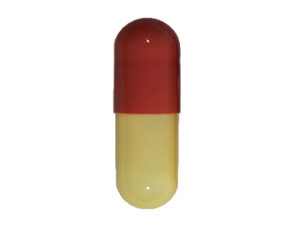
| Common forms | Tablets or capsules (and other presentations depending on supply) |
| How it’s taken | Usually by mouth, on a schedule |
| Typical goal | Treat bacterial infections |
Key points at a glance
- Ampicillin treats bacterial infections but does not work for viral illnesses like colds and flu.
- Complete the full course as directed, even if you feel better early.
- Take it at evenly spaced times to keep blood levels steady.
- Allergy risk exists: seek urgent help for signs of severe allergic reaction.
- Interactions and side effects are possible—especially with certain other medicines and in people with kidney problems.
How Principen (Ampicillin) works
Ampicillin is a beta-lactam antibiotic in the penicillin group. It works by interfering with the ability of susceptible bacteria to build a vital cell wall.
Mechanism of action (simple explanation):
- Ampicillin binds to bacterial enzymes involved in cell wall synthesis.
- This disrupts cell wall formation, leading to weakened bacteria and their death.
The effectiveness depends on the infection type and the bacteria’s sensitivity to ampicillin.
Pharmacokinetics (how the body handles it)
Understanding pharmacokinetics can help explain dosing schedules and why timing matters.
- Absorption: Ampicillin is absorbed from the gut after oral dosing. Food may affect absorption, although many people still take antibiotics as prescribed.
- Distribution: It distributes into many body tissues and fluids, with levels varying by infection site.
- Metabolism: A portion is metabolised in the liver.
- Elimination: The drug is mainly excreted via the kidneys. Reduced kidney function may require dose adjustment or closer monitoring.
- Half-life: The time it takes for the blood level to fall by half is affected by kidney function.
What it’s used for (typical use)
Principen (ampicillin) is used for infections caused by bacteria that are susceptible to ampicillin. In practice, doctors choose antibiotics based on:
- the likely bacteria involved
- site of infection
- severity
- local resistance patterns
- your medical history and allergies
Common indications may include (examples):
- certain respiratory tract infections
- urinary tract infections (where appropriate)
- some ear, nose and throat infections
- infections caused by susceptible bacteria such as Enterococcus and some Gram-positive organisms
Important: Some bacteria can be resistant to ampicillin. If there’s no response, treatment may need adjustment based on clinical review and tests.
When to take it (timing)
Antibiotics usually work best when taken at regular intervals. Your personal schedule can depend on the dose and the form of Principen provided.
General timing guidance:
- Take each dose at evenly spaced times.
- Do not stop early just because you feel better.
- If you miss a dose, take it as soon as you remember—unless it’s close to the next dose. Do not take double doses.
- If you’re unsure, speak with your pharmacist for advice specific to your dose and schedule.
Practical example schedules
- More frequent dosing is common for some oral penicillins. Follow your label instructions.
- If your regimen is twice daily, try taking doses in the morning and evening.
- If it’s three or four times daily, set reminders to maintain spacing.
Food interactions and meal guidance
Food effects can vary between antibiotic formulations and individual absorption. In many cases, ampicillin may be taken with or without food, but the product label and your pharmacist’s instructions should guide you.
General advice:
- If the medicine upsets your stomach, you may be able to take it with food (unless your prescription instructions specify otherwise).
- Try to keep the routine consistent across days.
- If you’re taking antacids or other products that affect stomach acidity, ask a pharmacist—these can sometimes influence absorption.
Alcohol and medicine interactions
Alcohol: Moderate alcohol use is not always strictly forbidden with antibiotics, but it can worsen side effects such as nausea, dizziness, and diarrhoea. It may also make it harder to stay hydrated and recover.
Recommended approach:
- Avoid alcohol if you feel unwell, dehydrated, or have diarrhoea.
- If you choose to drink, keep it minimal and monitor how you feel.
Medication interactions: Ampicillin can interact with other medicines. Examples of medicines that may require extra caution include:
- Allopurinol: may increase risk of rash in some people.
- Warfarin (and other anticoagulants): antibiotics can alter bleeding risk; your INR may need monitoring.
- Oral typhoid vaccine: antibiotics may reduce vaccine effectiveness.
- Probenecid: can increase ampicillin levels and prolong effect.
- Other antibiotics: may be combined only when specifically advised, depending on the organism and infection.
Always check: Provide your pharmacist with a full list of medicines, including over-the-counter products and supplements, so they can screen for interaction risks.
Indications (what symptoms it targets)
Ampicillin is indicated for bacterial infections. It is not an analgesic and does not relieve pain by itself, though symptoms may improve as the infection resolves.
You should seek medical advice if you have symptoms such as:
- high fever that persists or rapidly worsens
- shortness of breath or severe chest symptoms
- severe abdominal pain, dehydration, or persistent vomiting
- signs of an allergic reaction (see safety section)
- infection in high-risk groups (e.g., infants, elderly, immunocompromised)
Dosing information (general)
Dosing must be individualised. Your doctor/pharmacist will select the correct dose based on the diagnosis, severity, kidney function, age, and other factors.
Because dosing varies, the safest approach is to follow the instructions on your dispensing label. The information below is a general overview only.
Typical adult dosing patterns
- Oral ampicillin is commonly taken in multiple daily doses.
- The total daily dose may be adjusted depending on the infection and response.
Children and infants
- In children, dosing is usually weight-based.
- Always use the measuring method provided with the product if liquid preparations are used.
Renal impairment (kidney problems)
- If you have reduced kidney function, your prescriber may adjust the dose or dosing interval.
- Tell your pharmacist if you have kidney disease or if you have previously needed antibiotic dose adjustments.
Duration of therapy
- Courses vary by infection type and severity.
- Even if symptoms improve quickly, finishing the full course helps reduce relapse and antibiotic resistance.
Safety profile and who should be extra cautious
Like all medicines, ampicillin can cause side effects. Most people tolerate it, but some reactions can be serious.
Common side effects
- Gastrointestinal effects: nausea, diarrhoea, stomach discomfort
- Skin reactions: mild rash may occur
- Headache (less common)
Seek urgent medical help if you experience
- Signs of severe allergy:
- swelling of the face, lips, tongue, or throat
- trouble breathing, wheezing
- severe rash or widespread hives
- Severe or persistent diarrhoea, especially if watery or with blood, or if accompanied by fever and abdominal cramps
- Yellowing of the skin/eyes (jaundice), dark urine, or severe fatigue
- Severe skin reactions (rare), such as blistering, peeling skin, or sores in the mouth
Allergy and cross-reactivity
Do not take ampicillin if you’ve previously had a severe allergic reaction to penicillins or other beta-lactam antibiotics unless a clinician advises otherwise. If you have a history of mild penicillin rash, your pharmacist can help assess risk.
Special populations
- Pregnancy and breastfeeding: Many penicillin-class antibiotics are commonly used when needed. Discuss risks and benefits with a clinician.
- Kidney impairment: Dose adjustments may be required.
- History of antibiotic-associated diarrhoea/colitis: extra caution and prompt review if symptoms arise.
- Glandular fever (EBV) history: antibiotics in this context can sometimes increase rash—seek advice.
Practical use tips (how to take Principen effectively)
- Take the medicine exactly as instructed on the label.
- Set reminders (phone alarm) to avoid missed doses.
- Finish the course even if you feel better.
- Hydrate and maintain nutrition, especially if you develop mild diarrhoea.
- Track symptoms: if fever or symptoms don’t improve within the expected time, contact a healthcare professional.
- Keep an eye on allergy symptoms during the first days of treatment.
If you miss a dose
Take it as soon as you remember, then continue your schedule. If it’s close to the next dose, skip the missed dose and return to your regular timing. Do not take two doses at once.
Storage
- Store as directed on the pack (typically in a cool, dry place).
- Keep out of reach of children.
- Check the expiry date before use.
Alternative options (if ampicillin isn’t suitable)
If ampicillin isn’t appropriate due to allergy, resistance, side effects, or the infection type, clinicians may consider other antibiotic options. The “best” alternative depends on the bacteria involved.
Potential alternatives (examples only):
- Other penicillins or beta-lactam antibiotics (depending on sensitivity)
- Cephalosporins for certain infections
- Macrolides (e.g., for specific respiratory infections when appropriate)
- Tetracyclines or other classes in selected cases
Note: Self-switching antibiotics is not recommended. If symptoms worsen or don’t improve, consult a clinician for targeted advice and possible testing.
Australia: market, legal and healthcare context
In Australia, antibiotics are prescription medicines under the Australian Therapeutic Goods Administration (TGA) regulatory framework. Availability and brand choice depend on supply, formulation, and clinician selection.
Antibiotic stewardship matters: Australian health authorities encourage appropriate antibiotic use to help slow antimicrobial resistance. This includes using antibiotics only when needed, choosing effective agents, and completing courses as directed.
Recent guidance context: Australian antimicrobial stewardship programs and major health organisations promote:
- testing when it helps to identify the causative organism
- narrow-spectrum antibiotic selection when possible
- reviewing therapy when there is no clinical improvement
- supporting prevention strategies such as vaccination and hygiene
Because guidance can evolve, a pharmacist or clinician can provide the most current advice for your situation.
Delivery and availability (online pharmacy)
When purchasing Principen (ampicillin) from an online pharmacy in Australia, availability can vary by presentation, strength, and current stock levels. Reputable online pharmacies typically:
- verify product identity and expiry dates
- pack medicines securely for safe transit
- provide tracking information where available
- offer delivery estimates during checkout
Delivery considerations:
- Delivery times may vary by location and courier availability.
- If you need urgent treatment, contact the pharmacy to confirm dispatch times.
- Follow storage instructions when your order arrives.
FAQ
1) Does Principen treat colds or the flu?
No. Ampicillin is an antibiotic for bacterial infections. Colds and flu are usually caused by viruses, for which antibiotics do not help.
2) How quickly should I feel better?
Many people start to notice improvement within 24–72 hours, depending on the infection. If you don’t improve, worsen, or develop new symptoms, seek medical advice.
3) Can I take Principen with food?
Often antibiotics like ampicillin can be taken with or without food, but product-specific instructions may differ. If it upsets your stomach, taking it with food may help—confirm with your pharmacist if unsure.
4) What if I develop diarrhoea?
Mild diarrhoea can occur. However, seek urgent advice if diarrhoea is severe, persistent, watery, or bloody, or if you also have fever and abdominal cramps.
5) Can I drink alcohol while taking ampicillin?
Alcohol isn’t always an absolute prohibition, but it can worsen side effects and slow recovery. Avoid alcohol if you’re unwell or dehydrated, and keep intake minimal if you choose to drink.
6) What medicines commonly interact with ampicillin?
Interactions may include medicines such as warfarin (bleeding risk), allopurinol (rash risk), and probenecid (levels). Always share your complete medicine list with a pharmacist.
7) What if I’m allergic to penicillin?
You should generally avoid ampicillin if you’ve had a severe allergic reaction to penicillins. If you’re unsure about your allergy history, consult a pharmacist or doctor for guidance.
8) Should I stop early if I feel better?
No. Stopping early can allow infection to return and may contribute to antibiotic resistance. Finish the full course as directed.
9) How do I know the correct dose?
The correct dose depends on your infection, age, weight (for children), and kidney function. Always follow the dispensing label instructions.
10) Is ampicillin safe in pregnancy or breastfeeding?
Many antibiotics in the penicillin group are used when necessary. Your clinician can advise based on your individual circumstances.
When to seek help
Contact a healthcare professional promptly if:
- you suspect an allergic reaction
- your symptoms worsen or do not improve within the expected timeframe
- you develop severe diarrhoea
- you have underlying kidney disease or other significant medical conditions
Disclaimer: This page provides general information about Principen (ampicillin). Individual suitability, dosing, and duration depend on clinical assessment. For personalised advice, speak with a healthcare professional or pharmacist.