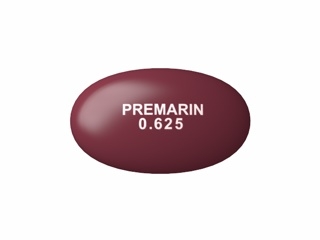


Premarin (Conjugated Estrogens) – Patient-Friendly Guide (Australia)
Premarin is a brand of conjugated estrogens, a type of hormone medicine used to treat certain conditions caused by a deficiency of oestrogen. This guide explains what Premarin is, how it works, typical uses, how it’s taken, important safety information, and practical tips for getting the best results.
Note: Medicine advice should always be individualised. If you have questions about whether Premarin is suitable for you, speak with a qualified healthcare professional.
1) Basic product information
| Product name | Active ingredient | Brand | Common formulation examples | Therapeutic class |
|---|---|---|---|---|
| Premarin | Conjugated estrogens | Premarin | Oral tablets and other available strengths/forms (varies by market) | Oestrogen hormone therapy |
What “conjugated estrogens” means: These are natural oestrogen compounds produced from sources such as equine estrogens and formulated to include a mixture of oestrogen types. The exact composition varies by product strength and presentation.
2) Mechanism of action (how it works)
Oestrogens play key roles in the female reproductive system and in other body tissues, including the skeleton, skin, urinary tract, brain, and cardiovascular system. In people who have low oestrogen levels (for example, during menopause), hormone therapy can help relieve symptoms and protect some tissues.
Premarin works by:
- Binding to oestrogen receptors in target tissues, influencing gene expression.
- Reducing menopausal symptoms such as hot flushes and night sweats by altering thermoregulatory activity in the brain.
- Improving vaginal and urinary symptoms by improving the oestrogen-dependent tissues involved in lubrication, elasticity, and tissue thickness (particularly important in genitourinary syndrome of menopause).
- Maintaining or improving bone density by slowing bone resorption (bone loss). Estrogen therapy can help, though other treatments are often considered depending on individual risk.
Important note about the uterus: If you still have a uterus, long-term oestrogen therapy typically requires a progestogen to reduce the risk of endometrial (uterine lining) thickening and cancer. The need and regimen depend on your individual situation.
3) Typical use in Australia
Premarin is used for hormone-related conditions where oestrogen therapy is appropriate. Common indications include:
- Moderate to severe vasomotor symptoms of menopause (hot flushes, night sweats).
- Genitourinary syndrome of menopause (vaginal dryness, discomfort, urinary symptoms), depending on the severity and the most suitable route of therapy.
- Prevention of postmenopausal bone loss when appropriate and where the balance of benefits and risks supports oestrogen therapy.
- Other oestrogen-responsive conditions as determined by a clinician (e.g., certain cases of hypogonadism or ovarian failure), depending on age, timing from menopause, and medical history.
How doctors decide: Eligibility depends on your age, time since menopause began, symptom severity, medical and family history, and your risk factors for conditions such as blood clots, stroke, and hormone-sensitive cancers.
4) Timing: when to start, and how long to use
Hormone therapy is generally considered most beneficial when started in the “early” menopausal period. Many clinical guidelines recommend using the lowest effective dose for the shortest duration that still achieves symptom control.
- For vasomotor symptoms: benefits often begin within weeks, though full effect may take longer.
- For vaginal symptoms: improvement may take longer; some people notice changes within several weeks.
- For bone protection: measurable benefit takes longer and is typically assessed over months to years.
Review schedule: Your clinician should regularly review your dose, symptom response, and ongoing risks (commonly at intervals such as 3–6 months early on, then at least yearly).
5) Pharmacokinetics (what the body does with Premarin)
Pharmacokinetics describes how a medicine is absorbed, distributed, metabolised, and eliminated.
- Absorption: Conjugated estrogens are absorbed after oral administration. Food and gut function can influence absorption.
- Distribution: Estrogens distribute widely into tissues and circulate partly bound to plasma proteins such as sex hormone-binding globulin (SHBG) and albumin.
- Metabolism: Oestrogens are metabolised primarily in the liver through pathways involving enzymes such as CYP and other metabolic systems. Some metabolites may be active.
- Elimination: Excretion occurs mainly via urine and/or bile–faecal elimination pathways.
Clinical relevance: Because metabolism occurs largely in the liver, liver disease or medicines that affect liver enzymes can change oestrogen levels and increase side effects or reduce effectiveness.
6) Indications (who it is for)
Premarin may be used to treat:
- Menopausal vasomotor symptoms (moderate to severe hot flushes and night sweats).
- Genitourinary syndrome of menopause, particularly when symptoms significantly affect quality of life. Local (vaginal) treatments may be preferred for some people.
- Prevention of osteoporosis in postmenopausal people at risk, when other options are not suitable and when benefits outweigh risks.
- Some hormone-responsive conditions under specialist guidance.
Not suitable for everyone: People with certain medical conditions (for example, past or present certain cancers, unexplained vaginal bleeding, active thromboembolic disease, or severe liver disease) may not be candidates for systemic oestrogen therapy.
7) Dosing and how to take Premarin
Dosage depends on your condition, symptoms, age, timing since menopause, and your risk profile. Dosing schedules vary by formulation and by whether a progestogen is required.
General principles:
- Use the lowest effective dose.
- Have regular reviews to reassess need and risks.
- If you have a uterus, you will generally be prescribed an appropriate progestogen in a regimen that reduces endometrial risk.
Typical timing within a day: Many oral hormone tablets are taken at roughly the same time each day. Try to maintain consistency to support stable hormone levels.
If you miss a dose: Follow the advice provided with your medicine and by your clinician. In general, take it when you remember unless it is close to the next dose—avoid doubling up unless told to do so.
For exact dose strength and schedule, refer to your specific product label or guidance from your healthcare professional.
8) Food interactions
Food can affect absorption for some oral hormone medicines. While specific effects depend on the formulation, practical guidance generally includes:
- Take Premarin in a way that is consistent from day to day (e.g., always with or without food).
- If you notice that symptoms change when you alter your routine (for example, due to stomach upset), discuss with your clinician or pharmacist.
Grapefruit and similar products: Grapefruit affects certain liver enzymes in some medicines. While the impact on conjugated estrogens may vary, it’s sensible to discuss regular grapefruit intake with your pharmacist.
9) Alcohol and medicine interactions
Alcohol
Moderate alcohol intake may not directly block hormone action, but it can contribute to side effects such as nausea, headache, or changes in mood. Alcohol may also affect liver metabolism, which is relevant because oestrogens are metabolised in the liver.
- If you have liver disease or elevated liver tests, alcohol use should be discussed with your clinician.
- Because individual tolerance varies, consider keeping alcohol intake moderate and monitor how you feel.
Other medicines that can interact
Interactions may change oestrogen levels or increase risk of adverse effects. Some medicines that can be relevant include:
- Enzyme inducers (can reduce effectiveness), such as some anticonvulsants (e.g., carbamazepine, phenytoin), rifampicin/rifabutin, and certain medicines for HIV.
- Some antibiotics/antifungals may affect levels in certain circumstances.
- Herbal products such as St John’s wort can potentially reduce hormone levels.
- Medicines affecting coagulation (blood thinning/antiplatelet medicines) may not interact directly with oestrogen levels but may alter overall safety considerations.
- Thyroid medicines: oestrogens can increase thyroid-binding globulin, sometimes changing total thyroid hormone levels.
Always tell your pharmacist about all medicines you take, including over-the-counter products and herbal supplements.
10) Safety profile: important warnings and when to seek urgent help
Like all systemic hormone therapies, Premarin has potential risks. Many risks relate to the duration of use, dose, age, and personal risk factors (including smoking and clotting history).
Common side effects
- Nausea or stomach discomfort
- Breast tenderness or swelling
- Headache
- Mood changes
- Fluid retention or swelling
- Vaginal bleeding or spotting, especially in the first months
Serious risks (seek urgent medical attention)
Stop and seek urgent medical care if you develop symptoms that may suggest a serious adverse event, such as:
- Signs of blood clot: sudden leg swelling/pain (often one-sided), sudden shortness of breath, coughing blood, chest pain.
- Stroke symptoms: sudden weakness/numbness on one side, trouble speaking, facial droop, sudden severe headache.
- Severe eye pain or sudden vision changes.
- Severe abdominal pain, which may indicate rare complications.
- Unexplained vaginal bleeding—this should be medically assessed promptly.
Who may need extra caution
Discuss risks carefully if you have:
- History of thromboembolic disease (blood clots)
- Uncontrolled hypertension
- Strong risk factors for cardiovascular disease
- Known or suspected hormone-sensitive cancer
- Unexplained abnormal genital bleeding
- Liver disease
- High cholesterol or diabetes with complications
Smoking: Smoking increases cardiovascular and clotting risk, which may influence whether systemic oestrogen therapy is appropriate for you.
11) Practical use tips
- Set a daily routine: Take it at the same time each day to help consistency.
- Use reminders: A phone alarm or weekly medication organiser can reduce missed doses.
- Track symptoms: Note improvements in hot flushes/night sweats and any side effects, especially during the first 3 months.
- Attend follow-ups: Regular reviews help adjust dose and ensure the continued benefit-risk balance.
- Monitor bleeding changes: Spotting can occur at first, but new or heavy bleeding should be checked promptly.
- Support vaginal comfort: If you’re using systemic oestrogen for genitourinary symptoms, consider additional non-hormonal care such as vaginal moisturisers/lubricants, if recommended.
Lifestyle can enhance benefit: For menopausal symptoms, measures such as maintaining a comfortable environment, dressing in layers, regular exercise, and stress reduction can improve overall comfort alongside medication.
12) Alternative options (depending on your symptoms and risk)
There are different types of treatment for menopausal symptoms and related conditions. Alternatives may include:
Non-hormonal options
- Certain medicines used for hot flushes when hormone therapy is unsuitable
- Lifestyle strategies and behavioural approaches
- Non-hormonal moisturisers and lubricants for vaginal dryness
Hormonal options
- Local (vaginal) oestrogen for vaginal and urinary symptoms—often used when symptoms are mostly local
- Different systemic oestrogens (varies by formulation)
- Oestrogen combined with a progestogen when a uterus is present
Choosing the right option: The best treatment depends on whether your symptoms are vasomotor (hot flushes), genitourinary (vaginal/urinary), bone-related, or a combination, plus your personal risk profile.
13) Market and legal context for Australia
In Australia, hormone medicines are supplied under the national medicines framework and may be listed under specific schedules depending on formulation and strength. Availability and the process for obtaining treatment can differ by pharmacy category and by the medicine form.
General considerations for Australian supply:
- Medicines are supplied in accordance with Australian regulatory requirements.
- Pharmacy professionals may request information to confirm suitability and safety, particularly for hormonal therapies with important risk profiles.
- Product availability can vary between brands and formulations.
Recent guidance (high-level): Recent international and Australian-aligned clinical principles emphasise individualised decision-making, using the lowest effective dose, considering the timing since menopause, and regularly reviewing benefits and risks. People are encouraged to discuss the safest option for their specific symptom pattern and health history.
14) Delivery and availability
Online pharmacies in Australia typically provide convenient home delivery for eligible medicines, subject to local regulations and supply processes. Availability can depend on:
- Stock levels and manufacturer supply
- The exact strength and formulation required
- Whether the product is commonly held locally or sourced through distribution networks
Delivery tips:
- Provide a delivery address where a signature can be arranged if needed.
- Check delivery estimates on the website before completing checkout.
- If you need urgent medication timing, contact the pharmacy support team.
Storage: Store tablets according to the product packaging instructions—generally at room temperature, away from moisture and direct sunlight, and out of reach of children.
15) FAQ
What is Premarin used for?
Premarin (conjugated estrogens) is used for conditions related to oestrogen deficiency, most commonly menopausal symptoms such as hot flushes and night sweats, and genitourinary symptoms. It may also be considered for certain bone-related prevention needs when appropriate.
How quickly will I feel better?
Some people notice improvement in hot flushes within weeks. Vaginal and urinary symptom improvement may take longer. Bone-related benefits take months to years and are not immediate.
Do I need a progestogen?
If you still have your uterus, systemic oestrogen therapy generally requires a progestogen to help protect the uterine lining. Your clinician will advise the appropriate regimen.
Can I take Premarin with food?
Many people can take it with or without food, but absorption may vary. For consistency, choose a routine that you can maintain daily and follow the instructions on your medicine label.
What if I miss a dose?
Follow the instructions supplied by your pharmacist or the product information. In general, don’t double up unless advised.
Are there interactions with other medicines?
Yes. Some medicines (especially those that affect liver enzymes) can change hormone levels. Tell your pharmacist about all medicines, including over-the-counter products and herbal supplements.
Is it safe to drink alcohol?
Moderate alcohol may be acceptable for some people, but alcohol can worsen side effects and can affect liver metabolism. If you have liver problems or experience side effects, discuss alcohol use with a healthcare professional.
What are warning signs that mean I should get urgent help?
Seek urgent medical attention for symptoms that could indicate blood clots (e.g., chest pain, shortness of breath, one-sided leg swelling), stroke symptoms, severe sudden headaches, or sudden vision changes. Also get prompt medical review for unexplained vaginal bleeding.
How long can I take Premarin?
There is no single duration for everyone. The guiding principle is regular review, using the lowest effective dose for the shortest duration consistent with your goals and symptom control.
What are common side effects?
Common side effects include nausea, breast tenderness, headache, mood changes, and spotting, particularly early in therapy.
What alternatives are available if Premarin isn’t right for me?
Depending on your symptoms, options may include non-hormonal treatments, local vaginal oestrogen, different hormonal preparations, or other medicines for specific symptoms such as hot flushes.
Always seek personalised advice if you are unsure about suitability, dosing, or interactions. If your symptoms change or you experience any concerning effects, contact a healthcare professional promptly.