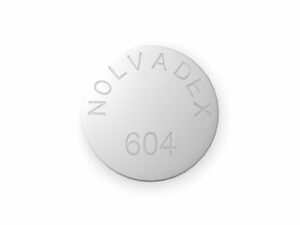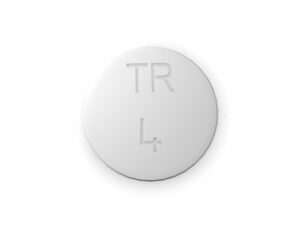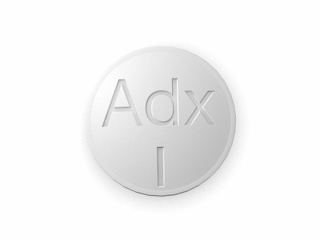


Anastrozole (Arimidex® and other brands) — Patient Information for Australia
Anastrozole is a medicine commonly used in the treatment of certain hormone receptor–positive breast cancers. In Australia, it is available in tablet form and is widely used as part of adjuvant (after surgery) and advanced disease management in appropriate patients. This page explains how anastrozole works, how it is used, what to expect, and important safety considerations.
Quick product overview
| Category | Details |
|---|---|
| Medicine name | Anastrozole |
| What it is | Non-steroidal aromatase inhibitor (AI) |
| Common strengths | 1 mg tablets |
| How it is taken | Usually once daily |
| Typical setting | Hormone receptor–positive breast cancer (postmenopausal, or when clinically appropriate) |
| Major benefits | Reduces oestrogen production, lowering cancer hormone stimulation |
How anastrozole works (mechanism of action)
Anastrozole belongs to a group of medicines called aromatase inhibitors. Aromatase is an enzyme found in many tissues, including fat and muscle, that helps convert androgens into oestrogens. By blocking aromatase, anastrozole reduces oestrogen levels in the body.
For certain breast cancers that are oestrogen-receptor positive (ER+) (and/or progesterone-receptor positive, depending on your diagnosis), oestrogen can promote cancer cell growth. Lowering oestrogen can therefore help slow disease progression and reduce the chance of recurrence.
Importantly, anastrozole does not directly destroy cancer cells; it works by reducing hormone availability that may be driving growth.
Pharmacokinetics (how the body handles anastrozole)
Understanding how a medicine is absorbed and processed can help set expectations about dosing consistency.
- Absorption: Anastrozole is absorbed after oral administration.
- Time to effect: Its oestrogen-lowering effect occurs progressively after dosing; steady effects are achieved with regular daily use.
- Metabolism: Anastrozole is metabolised in the liver.
- Elimination: Metabolites are mainly excreted via the kidneys.
- Half-life: It has a relatively long half-life, supporting once-daily dosing in many treatment plans.
Your clinician may adjust the plan based on your overall health, liver and kidney function, and treatment goals.
Typical use in breast cancer
Anastrozole is used for the management of hormone receptor–positive breast cancer in specific settings, most commonly in postmenopausal patients. It may be used:
- As adjuvant therapy (after surgery) to reduce recurrence risk
- For treatment of advanced or metastatic disease
- In certain neoadjuvant or other planned settings depending on clinical factors
Whether anastrozole is appropriate depends on factors such as menopausal status, hormone receptor status, prior treatments, and overall risk profile.
Indications (when it is prescribed/used)
In Australia, anastrozole is indicated for:
- Early breast cancer: Treatment in postmenopausal women with hormone receptor–positive disease, as part of adjuvant therapy.
- Advanced breast cancer: Postmenopausal patients with hormone receptor–positive advanced disease.
- Other hormone-driven settings: Your oncology team may use anastrozole according to treatment guidelines and individual circumstances.
If you are unsure which indication applies to you, ask your treating doctor or pharmacist to explain how your diagnosis relates to the intended benefit of anastrozole.
Dose and timing
Typical dose
The most common regimen for adults is:
- 1 mg by mouth once daily
When to take it
- Take your tablet around the same time each day.
- Many people find taking it at a consistent time with or without a meal helps with routine adherence.
- If you miss a dose, take it when you remember if it is close to the next dose; otherwise, skip and continue with your usual schedule. Do not double up.
If your clinician has given you a different schedule, follow that plan.
Food interactions and what to expect
Anastrozole can generally be taken with or without food.
- Food: No specific dietary restrictions are usually required.
- Consistency: Keeping a steady routine may help you remember doses and monitor side effects.
- Stomach upset: If you experience nausea or stomach discomfort, some people prefer taking the tablet after food, but confirm what suits you with your pharmacist.
Alcohol and medicine interactions
Moderate alcohol intake may not directly interact with anastrozole for most people, but alcohol can affect your overall health and may worsen some side effects (such as tiredness, dizziness, or sleep disruption). Because everyone’s situation is different, consider the following:
- Alcohol: If you choose to drink, keep it moderate and avoid binge drinking.
- Liver health: Anastrozole is metabolised in the liver. Heavy alcohol use may increase strain on the liver, which could be relevant if you have liver impairment.
- Other medicines: Always tell your healthcare professional about all medicines and supplements you use, including herbal products.
Important: Some medicines can affect how anastrozole is metabolised. Seek advice before starting or stopping any medication.
Safety profile and common side effects
Like all medicines, anastrozole can cause side effects. Not everyone experiences them, and many effects are manageable. It’s important to monitor for symptoms and discuss any concerns promptly.
Common side effects
- Hot flushes
- Joint stiffness or pain, including arthritis-like symptoms
- Headache
- Fatigue
- Vaginal dryness or related discomfort
- Skin rash or mild changes
- Sleep disturbance
- Reduced bone mineral density over time (osteoporosis risk)
Serious (seek urgent advice) — red flags
- Signs of an allergic reaction: swelling of face/lips, trouble breathing, or widespread rash
- Severe or persistent chest pain, shortness of breath, or unusual leg swelling
- Severe bone pain or symptoms suggesting fracture
- Marked liver problems: yellowing of skin/eyes (jaundice), dark urine, or severe upper abdominal pain
If you notice any severe symptoms, contact a healthcare professional urgently.
Bone health: a key consideration
Because anastrozole lowers oestrogen, it can reduce bone density. Over time, this can increase the risk of osteoporosis and fractures.
- Your clinician may arrange bone density scans (DEXA).
- They may recommend calcium and vitamin D and/or bone-protecting therapies if appropriate.
- Weight-bearing exercise and fall prevention strategies can help support bone health.
Practical use tips (to help you stay on track)
- Build a daily routine: Choose a consistent time (e.g., after breakfast or in the evening).
- Use a reminder: Phone alerts or medication apps can reduce missed doses.
- Track side effects: Note new or worsening joint pain, hot flushes, sleep changes, or mood changes. Share these with your pharmacist or doctor.
- Manage joint stiffness: Gentle stretching, regular activity, and warm showers may help. Report persistent pain early.
- Vaginal dryness support: Non-hormonal lubricants and moisturisers may help—ask your pharmacist about suitable options.
- Bone-friendly lifestyle: Include weight-bearing exercise (as approved by your clinician) and maintain adequate vitamin D and calcium intake.
Alternative options (if anastrozole isn’t suitable)
Depending on your cancer type, menopausal status, prior treatment, and tolerance, your oncology team may consider other options. Common alternatives include:
- Other aromatase inhibitors: Letrozole, exemestane
- Hormonal therapies: Depending on clinical context, therapies such as tamoxifen may be considered
- Ovarian suppression (where relevant): In some premenopausal situations, treatments that suppress ovarian function may be used
Switching within the same class (e.g., between aromatase inhibitors) may be considered if side effects become difficult to manage. Always discuss options with your specialist team.
Recent guidance and clinical monitoring (Australia)
In Australia, breast cancer care is guided by evidence-based clinical practice and ongoing updates from specialist bodies. Monitoring commonly includes:
- Ongoing review of benefit and tolerability during follow-up visits
- Bone health assessment, often with DEXA scans and supportive care
- Management of symptoms such as hot flushes, joint pain, and vaginal symptoms
- Review of drug interactions whenever new medicines are started
Your schedule may differ based on your overall risk profile and treatment plan. If your symptoms change, speak to your healthcare team promptly—early management often improves quality of life.
Delivery and availability in Australia
Anastrozole tablets are widely available through Australian pharmacies and approved online pharmacy services. Availability can vary by brand and strength, so it’s best to check stock status when ordering.
- Home delivery: Many online pharmacies in Australia offer convenient delivery to eligible addresses.
- Packaging: Medicines are supplied in appropriate packaging for safe transport and storage.
- Timing: Delivery time depends on your location and the pharmacy’s dispatch schedule.
- Cold chain: Anastrozole typically does not require cold-chain delivery, but always store it as directed on the pack.
If you require assistance with ordering, dosage form availability, or delivery options, contact the pharmacy support team.
Storage
- Keep tablets in their original packaging.
- Store at room temperature as directed on the label (avoid excessive heat).
- Keep out of reach of children.
- Do not use after the expiry date on the carton.
When to talk to your pharmacist or doctor
Speak with a healthcare professional before continuing or adjusting your medicines if you:
- Have new or worsening joint pain that affects daily activities
- Have symptoms suggestive of bone issues (severe pain, signs of fracture)
- Develop unusual bleeding or severe vaginal discomfort
- Start new prescriptions, over-the-counter medicines, or herbal supplements
- Have liver or kidney concerns
Frequently asked questions (FAQ)
1) What is anastrozole used for?
Anastrozole is used primarily to treat hormone receptor–positive breast cancer in postmenopausal patients, including early-stage disease as adjuvant therapy and advanced breast cancer in appropriate situations.
2) How long does it take to work?
Oestrogen levels can fall after starting therapy. The overall benefit is usually assessed over months to years as part of your cancer treatment plan.
3) Can I take anastrozole with food?
Yes. Anastrozole can generally be taken with or without food. If it upsets your stomach, taking it after food may be more comfortable.
4) What if I miss a dose?
If you miss a dose, take it when you remember if it is close to the time of your next dose. If it’s nearly time for your next dose, skip the missed tablet and resume your normal schedule. Do not take two doses at once.
5) What are the most common side effects?
Common side effects include hot flushes, joint stiffness or pain, headache, fatigue, sleep disturbance, and vaginal dryness. Bone mineral density may decrease over time.
6) Does anastrozole affect bones?
Yes. By lowering oestrogen, anastrozole may reduce bone density and increase osteoporosis risk. Your healthcare team may monitor bone health and recommend preventive measures.
7) Can I drink alcohol while taking anastrozole?
Moderate alcohol intake may be acceptable for many people, but alcohol can worsen overall well-being and liver strain. If you are unsure, discuss your individual situation with a pharmacist or doctor.
8) Are there medicine interactions?
Potential interactions can occur, especially with medicines that affect liver metabolism. Tell your healthcare professional about all medicines and supplements, including herbal products.
9) Is anastrozole the same as tamoxifen?
No. They are different hormonal therapies. Anastrozole lowers oestrogen production (aromatase inhibition), while tamoxifen works differently by binding to oestrogen receptors. Your treating team selects the most appropriate option for your cancer and menopausal status.
10) What should I do if joint pain becomes severe?
Don’t wait. Contact your pharmacist or doctor. There are strategies to help manage symptoms, and your treatment plan may be reassessed if needed.
Summary
Anastrozole is an aromatase inhibitor that reduces oestrogen levels, helping treat hormone receptor–positive breast cancer and reduce recurrence risk in suitable patients. It is typically taken once daily and can usually be taken with or without food. The most important safety consideration is protecting bone health, along with monitoring and managing side effects such as hot flushes and joint discomfort. If you have questions about dosing, interactions, or side effects, your pharmacist is a helpful first point of contact.