Aygestin (Norethindrone Acetate) — Patient-Friendly Medicine Information (Australia)
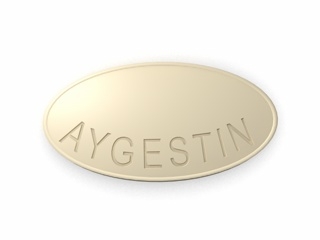
Aygestin is a brand of norethindrone acetate, a synthetic form of the hormone progestin. Progestins are used in a variety of conditions where hormone balance matters, including some abnormal uterine bleeding problems and periods related to hormonal regulation. This guide explains how Aygestin works, how it is typically used, what to watch for, and how to fit it safely into everyday life.
This information is designed to be patient-friendly and practical. It does not replace advice from a healthcare professional. If you have symptoms that concern you—such as heavy bleeding, severe pain, or signs of a blood clot—seek urgent medical care.
Basic product information
| Item | Details |
|---|---|
| Brand name | Aygestin |
| Generic name | Norethindrone acetate |
| Drug type | Progestin (synthetic progesterone) |
| Common form | Oral tablets |
| Typical dosing approach | Varies by indication (for example, bleeding control or hormone-related conditions) |
| Important note | Use depends on your personal medical history and the condition being treated |
How Aygestin works (mechanism of action)
Norethindrone acetate acts like progesterone in the body. After you take it by mouth, it helps regulate the way the uterine lining (endometrium) grows and sheds.
- Stabilises and regulates the endometrium: Progestins reduce abnormal or excessive growth of the uterine lining.
- Helps control bleeding patterns: In many hormone-related bleeding conditions, it encourages more predictable shedding.
- May affect the hypothalamic–pituitary–ovarian axis: This can influence ovulation timing and hormone release, depending on the situation.
The precise effect can vary based on the reason Aygestin is being used, the dose, and the duration of treatment.
Pharmacokinetics (how the body handles the medicine)
Pharmacokinetics describes what happens to a medicine after it is swallowed—absorption, distribution, metabolism, and elimination.
- Absorption: Norethindrone acetate is absorbed from the gastrointestinal tract after oral dosing.
- Metabolism: It is metabolised by the liver. Progestins can be processed by hepatic enzymes, and their levels may change with certain interacting medicines.
- Conversion to active forms: Norethindrone acetate acts as a prodrug and is converted to norethindrone and related metabolites.
- Elimination: Metabolites are cleared from the body primarily through urine and faeces.
Because Aygestin is hormone-active and liver-metabolised, interactions with other medicines can be important (see the “Alcohol and medicine interactions” section).
Typical use in everyday terms
Aygestin is used to treat certain conditions involving hormone effects on the uterus. Common uses include controlling abnormal uterine bleeding and supporting hormone-related management plans.
Examples of typical uses may include:
- Abnormal uterine bleeding related to hormonal imbalance
- Endometrial hyperplasia management in selected patients (where appropriate per clinician assessment)
- Conditions requiring progestin effect to help regulate uterine lining behaviour
The exact indication and suitability depend on your age, symptoms, investigations (if any), risk factors, and whether pregnancy is possible.
Timing and how to take Aygestin
Taking Aygestin consistently improves the chance of achieving the desired hormone effect and helps reduce missed-dose issues. Always follow your healthcare professional’s plan and the instructions on the medicine pack.
When to take it
- Pick a consistent time: Many people choose the same time each day to support adherence.
- Consider side effects: If it makes you feel unusual (e.g., nausea or dizziness), your clinician may suggest timing adjustments (such as taking it with food or at night).
What to do if you miss a dose
If you miss a dose, the best action depends on how long ago it was and your dosing schedule. If you are unsure, contact your pharmacist or healthcare professional for guidance. Avoid taking a double dose unless specifically advised.
Dosing (general information)
Dosing is individualised. Aygestin doses vary depending on the condition being treated and your response. Typical regimens in clinical practice may include short- or longer-term schedules, sometimes with dose adjustments.
General principles:
- Use the prescribed regimen: Do not change the dose or stop early without advice.
- Bleeding changes can occur: Some people notice changes in bleeding within the first days to weeks.
- Follow-up may be needed: Your clinician may review symptoms and, if relevant, investigate the cause of bleeding.
If you’re using Aygestin for a condition where uterine lining monitoring is important, attend recommended follow-up appointments.
Food interactions: can you take it with meals?
Aygestin can usually be taken with or without food. Taking it with food may help reduce common side effects such as nausea or stomach upset.
- With food: Often easier on the stomach.
- Without food: Some people may still tolerate it well, but if you experience nausea, try with a meal or snack.
There are no well-known major food–medicine interactions that require special meal planning for most people. If you have a sensitive stomach or other medical conditions, ask your pharmacist for tailored advice.
Alcohol interactions
Moderate alcohol intake may not directly “cancel” Aygestin’s effect, but alcohol can worsen side effects for some individuals. It may increase the chance of dizziness, nausea, or headaches—especially during the first days of treatment.
- Best approach: Limit alcohol and observe how your body responds.
- Extra caution: If you have liver disease, have a history of heavy alcohol use, or take other medications that affect liver metabolism.
If you are unsure how alcohol applies to your personal health situation, ask your pharmacist or healthcare professional.
Alcohol and medicine interactions (including key drug interactions)
Progestins like norethindrone acetate can interact with other medicines, primarily through liver enzyme pathways and hormone-related effects. These interactions can reduce effectiveness or increase side effects.
Medicines that may interact
- Enzyme-inducing medicines: Some medicines used for seizures, tuberculosis, or certain fungal infections can reduce progestin levels, potentially lowering effectiveness.
- Some antibiotics and antiviral medicines: While not all antibiotics interact, certain medications can affect hormone metabolism.
- Herbal products (especially St John’s wort): May reduce hormone levels and effectiveness.
- Other hormone medicines: Combination hormone therapy or switching hormone regimens may require careful planning.
- Medicines affecting blood clot risk: Any medicine that changes clotting risk should be reviewed, especially if you have risk factors.
How to manage interactions safely
- Keep a list of all medicines, including over-the-counter products and supplements.
- Ask your pharmacist or clinician before starting a new medicine.
- Tell them if your bleeding pattern changes significantly after starting or stopping another medicine.
Indications (conditions Aygestin may be used for)
Aygestin is a progestin medicine. Indications depend on your clinical situation and local prescribing guidelines. In general, progestins are used to manage uterine lining-related conditions and bleeding problems.
Common indications include:
- Abnormal uterine bleeding due to hormone imbalance
- Endometrial hyperplasia in selected patients where a progestin approach is appropriate
- Hormone-related management plans involving progestin effect
Your healthcare professional will consider factors such as pregnancy possibility, cause of bleeding, age, risk factors, and any previous investigations before choosing Aygestin.
Safety profile: what to expect and when to seek help
Like all medicines, Aygestin can cause side effects. Many are mild and temporary, especially when starting treatment. However, some symptoms can be serious and need prompt medical attention.
Common possible side effects
- Changes in bleeding pattern (spotting, changes in flow)
- Nausea or stomach upset
- Breast tenderness
- Headache
- Dizziness
- Mood changes in some people
- Bloating or fluid retention
- Acne or skin changes (variable by individual)
Serious side effects: seek urgent medical attention
Get urgent help if you experience any of the following:
- Symptoms of a blood clot (for example: sudden shortness of breath, chest pain, coughing blood, severe leg swelling or pain)
- Severe abdominal pain or sudden vision changes
- Yellowing of the skin/eyes (jaundice) or signs of liver problems
- Severe allergic reaction (swelling of face/lips, difficulty breathing, widespread rash)
- Very heavy bleeding or bleeding with weakness/light-headedness
Your risk may be higher if you smoke, have a history of clots, have certain medical conditions, or use interacting medications. Discuss your individual risk with a healthcare professional.
Who should be extra careful
Extra caution may be required if you have or have had:
- Liver disease or abnormal liver function
- A history of blood clots or clotting disorders
- Unexplained vaginal bleeding that has not been investigated
- Migraine with aura or other risk factors relevant to hormonal medicines
- Breast cancer or hormone-sensitive cancers (as relevant to your history)
Practical use tips (making treatment easier)
- Use reminders: Set a phone alarm or medication reminder app to reduce missed doses.
- Track bleeding changes: Note days of bleeding/spotting and intensity. This is helpful for follow-up.
- Keep hydrated and eat regularly: If nausea occurs, take with food and consider smaller, regular meals.
- Watch for new symptoms: If headaches, mood changes, or unusual swelling occur, report them early.
- Check your medicine list: Review over-the-counter products and supplements for possible interactions.
- Don’t share medication: Hormone medicines should be used only for the indication and regimen given for you.
What to monitor while taking Aygestin
Monitoring helps ensure the medicine is working and that any side effects are identified early.
- Bleeding pattern: Many people see changes; keep track of severity and timing.
- Any signs of complications: Particularly those listed under “Serious side effects.”
- Response to treatment: If symptoms don’t improve or worsen, seek advice.
- General health: Blood pressure and other risk factors may be reviewed as appropriate by your clinician.
Alternative options
If Aygestin is not suitable or if symptoms persist, healthcare professionals may consider other treatments depending on your diagnosis. Alternatives can include other progestins, non-hormonal options, or different hormonal regimens.
Possible alternatives may include:
- Other progestin therapies (depending on the indication and formulation available locally)
- Combined or different hormonal treatments for certain conditions
- Non-hormonal options for specific types of abnormal bleeding
- Procedural or surgical management in selected cases, based on cause and severity
The “best” alternative depends on the underlying cause of symptoms, your medical history, and your preferences. Ask your pharmacist or clinician about options available in Australia for your particular situation.
Market and legal context in Australia (general information)
In Australia, medicines are supplied under a regulatory framework managed by the Therapeutic Goods Administration (TGA). Availability and prescribing rules can vary by medicine type, brand, and the patient’s circumstances.
- Licensed supply: Aygestin and norethindrone acetate are medicines that may be available through appropriate channels depending on local supply arrangements.
- Pharmacy checks: Australian pharmacies follow safety requirements, including identification verification and medication history checks.
- Ongoing guidance: Prescribing information and product updates may be reviewed as new safety data emerges.
Availability on an online pharmacy may vary, and shipping options may depend on stock, cold-chain needs (if any), and regulations. Your pharmacy platform should provide details at checkout.
Recent guidance and safety updates (how to stay informed)
Hormone medicines can have evolving guidance related to safety considerations, risk assessment, and interaction checks. In Australia, product information is typically aligned with TGA-approved documentation and standard clinical practices.
- Always review the current consumer medicine information provided with the product.
- Contact your pharmacist for the latest advice if you have a new medical condition or start a new medication.
- Seek medical advice if you experience symptoms suggesting a serious adverse event.
If you would like, tell us your indication and medication list (including supplements), and a pharmacist can help identify likely interaction concerns.
Delivery, availability, and what to expect from an online pharmacy
Online pharmacies typically help you order Aygestin and deliver it to your nominated address. Availability can depend on regional stock levels and supplier timelines.
Common steps you may see
- Product selection: Choose the correct strength and quantity.
- Safety checks: Pharmacy systems may request information to support safe supply.
- Dispatch timing: Orders are usually dispatched on business days if stock is available.
- Tracking: Many services provide tracking updates once the parcel leaves the facility.
Storage and handling
- Store at room temperature unless the product label says otherwise.
- Keep out of reach of children.
- Protect from moisture and heat.
- Keep tablets in their original packaging.
For the most accurate guidance, refer to the instructions on your specific pack.
FAQ (Frequently asked questions)
1) What is Aygestin used for?
Aygestin (norethindrone acetate) is a progestin medicine commonly used for uterine lining and hormone-related bleeding conditions. The exact reason you’re taking it depends on your diagnosis and clinical assessment.
2) How long does it take to work?
Some people notice changes in bleeding within days to weeks. For other conditions, it may take longer. If there is no improvement or symptoms worsen, contact your pharmacist or clinician.
3) Can I take Aygestin with food?
Yes. Taking it with a meal can help reduce nausea for some people. Follow the instructions on your pack for best results.
4) What if I drink alcohol while taking Aygestin?
Moderate alcohol may not be strictly contraindicated, but it can increase the chance of side effects such as dizziness or nausea. If you have liver issues or take other interacting medicines, discuss alcohol use with your pharmacist.
5) Does Aygestin affect other medications?
Yes, interactions are possible—especially with medicines that affect liver enzymes or other hormone therapies. Always tell your pharmacist about all medicines and supplements you use.
6) What side effects are most common?
Common effects can include changes in bleeding pattern, breast tenderness, headache, nausea, dizziness, and mood changes. Report persistent or troublesome symptoms.
7) When should I seek urgent help?
Seek urgent medical care if you develop symptoms suggesting a blood clot (such as chest pain or sudden breathlessness), severe abdominal pain, jaundice, or signs of a serious allergic reaction.
8) Can Aygestin be stopped suddenly?
Stopping suddenly may affect bleeding patterns and may not be appropriate for all indications. If you want to stop, discuss the plan with your pharmacist or clinician first.
9) Are there alternatives if Aygestin doesn’t suit me?
Yes. Alternatives depend on the cause of your symptoms and may include other progestins, different hormonal regimens, or non-hormonal approaches. Ask a healthcare professional about options available in Australia.
10) How should I store Aygestin?
Store at room temperature unless your pack instructs otherwise, keep it dry, and keep tablets in their original packaging. Keep out of reach of children.
Important final reminder
If you have new or worsening symptoms, are unsure about dose timing, or suspect a medicine interaction, contact a pharmacist for personalised advice. For severe symptoms—especially those suggesting a blood clot or serious allergy— seek urgent medical care immediately.