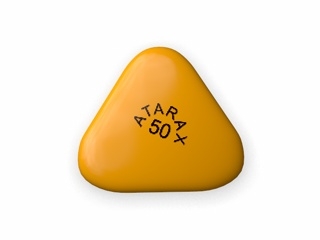
Atarax (Hydroxyzine) – Patient Information (Australia)
Atarax is a medicine containing hydroxyzine. It is used to relieve symptoms related to anxiety and allergic conditions, and it can also help with itching caused by skin reactions. Many people find Atarax helpful when they need symptom relief and sleep support during periods of distress or discomfort.
This page provides clear, practical information about how Atarax works, when it’s typically taken, what to expect, and important safety considerations. Always follow the instructions provided with your medicine and consult a healthcare professional if you’re unsure.
Basic product information
| Feature | Information |
|---|---|
| Medicine name | Atarax |
| Active ingredient | Hydroxyzine |
| Medicine type | Antihistamine with sedative/anxiolytic effects |
| Common forms | Tablets; oral liquid may be available (varies by brand/supplier) |
| How it may be used | Short-term symptom relief for anxiety, allergic symptoms, and itching |
| How it feels | May cause drowsiness; can be useful in the evening |
How Atarax works (mechanism of action)
Hydroxyzine is an antihistamine that blocks the body’s H1 histamine receptors. Histamine is a chemical involved in allergic reactions and itch. By blocking H1 receptors, hydroxyzine can help reduce:
- Itching (pruritus)
- Allergic skin reactions (e.g., hives/urticaria)
- Other allergic symptoms such as swelling and discomfort
Hydroxyzine also has effects in the brain that can reduce feelings of anxiety and promote calmness and sleepiness. This is why it may be recommended when anxiety and poor sleep occur together.
Pharmacokinetics (how the body handles hydroxyzine)
Pharmacokinetics describes what the body does with the medicine: absorption, distribution, metabolism, and elimination.
- Absorption: Hydroxyzine is absorbed after oral dosing. Onset can be relatively fast for some people, but exact timing varies with dose, formulation, and individual factors.
- Distribution: It can cross into the brain and affect the nervous system, which contributes to sedation.
- Metabolism: Hydroxyzine is metabolised primarily in the liver.
- Elimination: Metabolites are excreted mainly via the kidneys (urine).
Practical takeaway: Because hydroxyzine can cause drowsiness, the timing of your dose (morning vs night) and your daily activities matter.
Typical uses and indications
Atarax (hydroxyzine) is commonly used for symptom relief in the following situations:
1) Allergic conditions
- Relief of itching due to allergies or skin reactions
- Urticaria (hives) and allergic skin discomfort
2) Anxiety and tension
- Short-term relief of symptoms of anxiety
- Support with sleep where anxiety contributes to restlessness (as advised by a clinician)
Important: Atarax helps with symptoms. If you have ongoing or severe anxiety, discuss longer-term treatment options with a healthcare professional.
When and how to take Atarax (timing and practical dosing overview)
Timing depends on why you’re taking hydroxyzine. The key considerations are sedation and how long it may affect you.
For anxiety or restlessness
- Often taken in the evening or at the time symptoms worsen.
- If it makes you sleepy, taking it at night may help reduce daytime impairment.
For allergy or itch
- May be taken once daily or in divided doses, depending on the regimen advised.
- If symptoms worsen at specific times (e.g., night-time itch), dosing timing may be adjusted to match symptoms.
Do not increase your dose to “make it work faster.” If your symptoms aren’t controlled, seek medical advice rather than changing your schedule yourself.
Food interactions
There are generally no strict food prohibitions with hydroxyzine for most people. However, food can influence how you feel after taking the tablet.
- With food: Taking hydroxyzine with meals may be helpful if it causes mild stomach upset for you.
- Empty stomach: Some people may notice stronger early effects or nausea on an empty stomach.
Practical tip: Choose a consistent routine (with or without food) and monitor how you respond.
Alcohol and medicine interactions
Alcohol
You should avoid alcohol while taking Atarax unless your healthcare professional specifically says it’s acceptable. Alcohol can increase sedation, slow reaction times, and worsen impairment.
- Higher risk of excessive drowsiness
- Higher risk of dizziness and falls
- Increased risk of impaired driving or operating machinery
Other medicines that may cause sedation
Hydroxyzine can interact with other medicines that depress the central nervous system. Examples include:
- Benzodiazepines (e.g., diazepam, alprazolam)
- Opioid pain medicines (e.g., oxycodone, morphine)
- Sleeping tablets and sedative antihistamines
- Some antidepressants or antipsychotics that have sedating effects
- Some anti-nausea medicines that may cause drowsiness
Important: Combining sedating medicines can significantly increase drowsiness and impairment. Always check with a pharmacist or clinician if you take multiple medications.
Medicines affecting heart rhythm
Hydroxyzine may have potential effects on the heart’s electrical activity in some circumstances (for example, prolonging the QT interval). This risk may be increased when combined with other medicines that also affect heart rhythm or in people with certain health conditions.
Tell your healthcare professional if you take medicines such as:
- Some antibiotics (certain macrolides, fluoroquinolones)
- Some antifungals
- Some antipsychotics or antiarrhythmics
- Other medicines known to increase QT prolongation
Practical takeaway: If you have a history of rhythm problems, fainting episodes, or electrolyte disturbances (low potassium/magnesium), ask your pharmacist to review interaction risks.
Dose guidance (general information)
Dose depends on age, reason for use, and individual response. Because Atarax dosing differs between adults and children and between indications, the most reliable approach is to follow the dosing instructions supplied with your product and any guidance from a healthcare professional.
Below is general information on typical dosing ranges often used in practice; actual prescribed/label dosing may differ.
Adults
- Often used as a once-daily regimen or divided doses depending on symptoms.
- Dosing may be adjusted to balance symptom relief with tolerability (especially sleepiness).
Children
- Dosing is age and weight dependent and must be determined carefully.
- Children are more sensitive to sedative effects, so correct dosing is critical.
Never share hydroxyzine between people. If you’re preparing a dose for a child, double-check the concentration and dosing schedule with the packaging or pharmacist.
Safety profile: what to know before you take Atarax
Atarax can be effective, but it may not suit everyone. It’s important to understand common side effects and situations that require extra caution.
Common side effects
- Drowsiness or fatigue
- Dizziness
- Dry mouth
- Headache
- Nausea (sometimes)
Less common but important risks
- Confusion or paradoxical agitation (more likely in some children or older adults)
- Blurred vision
- Constipation or urinary retention (more likely in people with prostate/bladder issues)
- Heart rhythm changes in susceptible individuals or with interacting medicines
When to seek urgent help
Contact emergency services or urgent medical care if you experience signs of a serious reaction, such as:
- Fainting, severe dizziness, or symptoms suggestive of an abnormal heartbeat
- Severe allergic reaction (e.g., swelling of face/lips, difficulty breathing)
- Uncontrolled shaking, severe confusion, or extreme sleepiness that is hard to awaken from
Practical use tips (make treatment safer and easier)
- Test how you react: The first doses can cause stronger drowsiness. Avoid driving or high-risk activities until you know how Atarax affects you.
- Stand up slowly: If dizziness occurs, rising slowly can reduce light-headedness.
- Hydration and oral care: Dry mouth is common—sip water and consider sugar-free lozenges.
- Check “double antihistamine” use: Some cough, cold, and allergy products also contain antihistamines. Using two can increase sedation and side effects.
- Plan around sleepiness: If you take it in the morning, you may still feel drowsy later. Consider night-time dosing if advised.
- Keep a simple symptom diary: Note when symptoms occur and how your body responds. This can help clinicians adjust your plan.
Special considerations
Older adults
Older adults may be more prone to side effects such as drowsiness, confusion, falls, and constipation. Extra caution is recommended, and doses may need to be lower.
People with liver or kidney impairment
Because hydroxyzine is metabolised in the liver and cleared by the kidneys, impairment may affect the medicine’s effect duration. Medical review is important to reduce the risk of excess sedation or accumulation.
Driving and machinery
Hydroxyzine can reduce alertness. Avoid driving, operating machinery, or performing tasks requiring full concentration until you know how it affects you.
Pregnancy and breastfeeding
If you are pregnant, trying to conceive, or breastfeeding, discuss risks and benefits with a healthcare professional before using hydroxyzine. Decisions depend on your condition, timing, and safety considerations for mother and baby.
Alternative options
Alternatives depend on whether you’re treating anxiety, allergies, or itching.
For allergic symptoms and itching
- Non-sedating (second-generation) antihistamines (commonly preferred for daytime use)
- Topical therapies for itch or skin inflammation (depending on the cause)
- Skin-care measures such as moisturisers and avoiding triggers
For anxiety or sleep-related symptoms
- Non-medicine strategies (sleep hygiene, relaxation techniques, counselling)
- Other medicine options with different side-effect profiles (only where appropriate and advised)
A pharmacist can help you compare options based on your symptoms, age, existing medicines, and the level of sedation you can tolerate.
Market and legal context in Australia
In Australia, medicines are supplied under different scheduling categories that reflect their safety profile and the need for professional oversight. Hydroxyzine products such as Atarax are regulated according to Australian medicine scheduling and brand-specific labelling requirements.
What this means for you:
- Online pharmacies in Australia must follow the relevant laws and guidelines for supply.
- Depending on the product and category, you may be required to meet certain supply conditions.
- Pharmacists may contact you to confirm details, safety information, or suitability before dispensing.
Australian medicine regulations also support clear labelling and consumer information, including instructions about side effects, driving impairment, and when to seek help.
Recent guidance and safety updates (general overview)
Safety guidance for hydroxyzine in Australia and internationally has focused on drowsiness, falls risk (especially in older adults), and heart rhythm considerations for individuals with increased risk factors or when combined with interacting medicines.
Because guidance can evolve, it’s good practice to:
- Use the exact dosing and timing on your label
- Check for medicine interactions whenever you start a new medicine
- Tell your pharmacist if you have heart rhythm history, fainting, or electrolyte problems
- Report unusual symptoms promptly
Delivery, availability, and what to expect when ordering online
Availability can vary depending on the product strength and formulation. Many online pharmacies in Australia support home delivery of eligible medicines.
Common steps when ordering:
- Select the product and quantity that matches your needs and the label instructions.
- Complete required customer details and any safety checks.
- Receive confirmation of dispatch and estimated delivery time (varies by provider and location).
- Check the package promptly on arrival for correctness and expiry date.
Tip: Store Atarax in a cool, dry place away from direct sunlight, and keep it out of reach of children.
Note: Delivery times, eligibility requirements, and stock availability may differ by online pharmacy.
FAQ – Atarax (Hydroxyzine)
1) Will Atarax make me sleepy?
Atarax (hydroxyzine) commonly causes drowsiness or sedation. Many people find it best taken in the evening, but the exact effect varies. Avoid driving or hazardous tasks until you know how it affects you.
2) How quickly does Atarax work?
Some people notice effects within a short time after taking hydroxyzine, but timing varies by dose, formulation, and individual factors. If you don’t feel any benefit or you feel worse, seek advice rather than increasing the dose.
3) Can I take Atarax with other allergy tablets?
Be careful. Many cold and allergy products contain antihistamines. Combining antihistamines can increase sedation and side effects. Ask a pharmacist if you’re using multiple allergy medicines.
4) Is it safe to drink alcohol while using Atarax?
It’s best to avoid alcohol because it can increase drowsiness and impairment. If you’re unsure, speak to a pharmacist or doctor.
5) Can Atarax be taken with food?
Usually yes. If you experience stomach upset, taking it with food may help. Try to take it consistently the same way each time.
6) What should I do if I miss a dose?
Follow the product label instructions. In general, if you miss a dose, take it when you remember unless it’s close to the next dose. Do not take a double dose to make up for a missed one.
7) Are there people who should use Atarax with extra caution?
Yes. Extra caution is needed in older adults, people with liver/kidney impairment, individuals with a history of heart rhythm problems, and those taking other medicines that can cause sedation or affect heart rhythm.
8) What are signs of a serious problem?
Seek urgent help if you have severe allergic symptoms (swelling, breathing difficulty), fainting, significant irregular heartbeat symptoms, or extreme confusion/unusual reactions.
9) What are non-medicine alternatives for itching or anxiety?
For itch: moisturisers, trigger avoidance, gentle skin care, and topical measures (depending on cause). For anxiety: relaxation strategies, counselling, and sleep hygiene. Your pharmacist can help suggest options that fit your symptoms.
10) How long should I use Atarax?
Hydroxyzine is often used for short-term symptom relief. The appropriate duration depends on your reason for using it and how you respond. If symptoms persist or worsen, discuss further options with a healthcare professional.
Summary
Atarax (hydroxyzine) is an antihistamine medicine used to relieve symptoms of allergies and itching and to provide short-term help with anxiety-related tension. It works by blocking histamine receptors and has calming, sedative effects. Because it can cause drowsiness, it’s important to plan dosing timing, avoid alcohol, and check for interactions with other sedating or heart-rhythm-affecting medicines. If you have concerns about side effects, ongoing symptoms, or suitability for your situation, speak with a pharmacist for guidance.