

Ponstel (Mefenamic Acid) – Patient Information (Australia)
Ponstel is a brand of mefenamic acid, an anti-inflammatory medicine used for the relief of certain types of pain. This guide explains what Ponstel is, how it works, how it’s taken, key safety points, and practical advice for use in Australia.
Note: Medicines affect people differently. Always read the consumer medicines information (CMI) supplied with your product and follow the instructions from your healthcare professional.
Basic product information
| Item | Details |
|---|---|
| Brand name | Ponstel |
| Generic name | Mefenamic acid |
| Medicine type | Non-steroidal anti-inflammatory drug (NSAID) |
| Main use | Relief of pain and inflammation, including period (menstrual) pain |
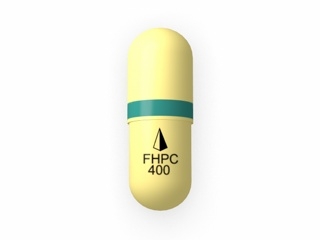
| Common strengths (varies by product) | Typically 250 mg capsules (check your pack) |
| How it’s taken | By mouth (usually capsules) |
| How quickly it works | Often within 1–2 hours for pain relief (varies by person) |
How Ponstel works (mechanism of action)
Mefenamic acid belongs to the NSAID family. NSAIDs reduce pain and inflammation primarily by affecting prostaglandins—chemical messengers in the body that contribute to pain, fever, and swelling.
- Prostaglandin inhibition: Mefenamic acid helps lower prostaglandin production by inhibiting cyclo-oxygenase enzymes (COX).
- Why this helps menstrual pain: Prostaglandins play a key role in uterine muscle contractions during menstruation. By reducing prostaglandin activity, Ponstel can lessen cramping and associated discomfort.
- Not an anti-spasmodic: It’s aimed at the inflammatory and prostaglandin-driven component of pain, not a direct “muscle relaxer.”
Pharmacokinetics (how the body processes it)
Pharmacokinetics describes what happens to the medicine after you take it—absorption, distribution, metabolism, and elimination.
- Absorption: After oral dosing, mefenamic acid is absorbed from the gastrointestinal tract. Onset of relief is often noticeable within a short timeframe.
- Distribution: It circulates in the bloodstream and can reach tissues where pain is occurring.
- Metabolism: Mefenamic acid is metabolised mainly in the liver.
- Elimination: Metabolites and drug remnants are removed primarily via the kidneys and, to a lesser extent, through the gastrointestinal tract.
- Half-life: The elimination half-life can vary by individual factors such as liver and kidney function.
Because NSAIDs can affect kidney blood flow and may accumulate in certain conditions, dosing should follow recommended limits and be reviewed if symptoms persist.
Typical use and indications (what it is for)
Ponstel is used for short-term relief of pain related to conditions where prostaglandins are involved. In Australia, mefenamic acid is commonly used for:
- Menstrual pain (dysmenorrhoea): Cramping and pain associated with periods
- Mild to moderate pain: Where an NSAID is appropriate
Important: It is generally intended for short-term use. If you need ongoing treatment, see a healthcare professional for assessment and a safer long-term plan.
When to take it (timing and how to start)
Timing can make a difference—especially for menstrual pain, which often begins before flow is fully established.
- For period pain: Many people find it helps to start dosing at the first signs of cramps or as soon as the pain begins.
- With food vs on an empty stomach: Taking with food may reduce stomach discomfort.
- Spacing doses: Follow the dosing interval on your pack or as directed by a healthcare professional.
- If pain persists: Don’t simply continue indefinitely. Seek medical advice if symptoms don’t improve.
Dosing (general guidance)
Dosing can vary by age, condition, and product strength. Always check your specific pack instructions.
Adults (typical dosing for mefenamic acid):
- Common regimens involve taking doses at set intervals, then continuing for a limited duration depending on symptoms.
- Some product instructions specify an initial period with a particular frequency followed by maintenance dosing for the remainder of the pain episode.
Children and adolescents:
- Use in children should follow age-appropriate product directions or clinician guidance.
- Do not use without confirming suitability and correct dose for the child’s age and weight.
Maximum daily dose:
- Do not exceed the maximum daily amount stated on your product label or in the CMI.
If you miss a dose:
- Take it when you remember unless it’s close to the next dose.
- Don’t double up to catch up.
Food interactions
Food can influence how NSAIDs feel in the stomach and how well they are tolerated.
- Taking with food may help reduce nausea, heartburn, and stomach irritation.
- Avoid taking on an empty stomach if you’ve previously experienced stomach upset with NSAIDs.
- Alcohol with NSAIDs (see below) increases the risk of stomach bleeding—so avoid or limit alcohol.
There are no common “specific foods” that must always be avoided with mefenamic acid, but general NSAID stomach-protection strategies are important (see Safety and Practical Tips).
Alcohol and medicine interactions
Combining alcohol with NSAIDs can raise the risk of gastritis and gastrointestinal bleeding. For safer use:
- Best practice: Avoid alcohol while taking Ponstel.
- If you choose to drink: keep to low amounts and do not take Ponstel on an empty stomach.
- Do not take multiple NSAIDs together (e.g., ibuprofen or naproxen) unless a clinician specifically advises it.
Medicine interactions to be aware of (examples):
- Other NSAIDs (ibuprofen, naproxen, aspirin at pain-relief doses): increased risk of stomach and kidney side effects.
- Anticoagulants (e.g., warfarin, some newer blood thinners): increased risk of bleeding.
- Antiplatelet medicines (e.g., clopidogrel): increased bleeding risk.
- Selective serotonin reuptake inhibitors (SSRIs) (e.g., sertraline, fluoxetine): can increase gastrointestinal bleeding risk when combined with NSAIDs.
- Diuretics and blood pressure medicines (including ACE inhibitors/ARBs): NSAIDs may reduce kidney function and lessen the effect of blood pressure medicines in some people.
- Lithium and methotrexate: NSAIDs can alter levels; medical advice is important.
- Oral corticosteroids: higher risk of stomach ulcer/bleeding when combined.
If you take any regular medicines, it’s wise to check interactions with a pharmacist or healthcare professional before starting Ponstel.
Safety profile (who should use caution)
NSAIDs—including mefenamic acid—can cause side effects. Most people tolerate short courses well, but certain risks are more serious and need caution.
Common side effects
- Stomach discomfort, nausea, indigestion
- Heartburn
- Headache or dizziness (less commonly)
Serious risks (seek urgent medical help if needed)
- Gastrointestinal bleeding or ulceration: symptoms may include black/tarry stools, vomiting blood, or severe stomach pain.
- Allergic reactions: swelling of face/lips, wheezing, rash, or difficulty breathing.
- Kidney problems: reduced urine output, swelling in legs/ankles, or unusual fatigue.
- Cardiovascular risk: NSAIDs can increase risk in some individuals, especially with high doses or prolonged use.
Extra caution if you have any of the following
- History of stomach ulcers or gastrointestinal bleeding
- Known NSAID allergy or asthma that worsens with NSAIDs
- Significant kidney disease or dehydration
- History of heart disease, stroke, or high cardiovascular risk
- Uncontrolled high blood pressure
- Liver impairment
- Older age (higher baseline risk for side effects)
Practical use tips (how to take Ponstel safely)
- Follow the lowest effective dose: use the amount that controls pain with the least risk.
- Use for the shortest time needed: if you’re still in pain after the expected time, get advice.
- Take with food or after meals: helps reduce stomach irritation.
- Hydrate well: dehydration can increase kidney risk with NSAIDs.
- Avoid combining NSAIDs: don’t take Ponstel alongside other NSAIDs.
- Consider stomach protection strategies: if you’re at higher risk, speak with a pharmacist/doctor—sometimes an acid-reducing medicine is considered.
- Watch for warning signs: stop and seek help if you experience bleeding symptoms, rash, severe abdominal pain, or reduced urine.
Driving and machinery: Ponstel may rarely cause dizziness or headache in some people. If you feel affected, avoid driving or operating machinery.
Alternative options for pain and menstrual cramps
Depending on your symptoms and medical history, alternatives may include:
- Paracetamol (acetaminophen): helpful for mild pain; generally gentler on the stomach than NSAIDs, but follow dose limits carefully.
- Other NSAIDs: ibuprofen, naproxen, or similar medicines may be appropriate for some people—always avoid taking two NSAIDs together.
- Non-medicine strategies: heat packs to the lower abdomen, regular gentle exercise, adequate hydration, and relaxation techniques can reduce menstrual discomfort.
- Targeted menstrual options: some individuals benefit from medical therapies advised by a clinician for recurrent severe period pain.
If your menstrual pain is severe, worsening, or associated with heavy bleeding or other symptoms, it’s important to seek medical evaluation to rule out underlying causes.
Pharmacovigilance and “recent guidance” (Australia-focused)
In Australia, safety information for medicines is updated through ongoing regulatory monitoring (e.g., the Therapeutic Goods Administration and medicine labels/CMIs). Recent guidance for NSAIDs generally reinforces:
- Use the lowest effective dose for the shortest duration.
- Avoid combining multiple NSAIDs.
- Be alert to gastrointestinal bleeding risks, especially in people with prior ulcer disease, older age, or concurrent medicines that affect bleeding.
- Consider cardiovascular and kidney risk factors for prolonged use or higher dosing.
For the most up-to-date product label/CMI and consumer safety messages, check the information supplied with your specific Ponstel pack or ask a pharmacist.
Delivery and availability in Australia (online pharmacy)
Ponstel availability can vary by supplier and stock levels. When purchasing online, you may find:
- Home delivery: Most Australian online pharmacies offer delivery to residential addresses and sometimes parcel lockers, depending on the provider.
- Dispatch timeframes: Typically orders dispatch within 1–2 business days when stock is available (varies by pharmacy).
- Packaging: Medicines are usually shipped in protective packaging to maintain product integrity.
- Verification steps: Some medicines require additional checks before dispatch to meet Australian regulatory requirements.
Tip: If you have a specific strength or pack size preference (e.g., capsule count), confirm details before ordering.
Market and legal context for Australia
In Australia, NSAID medicines are regulated under the Therapeutic Goods Act. Availability depends on the specific product formulation and the way it’s supplied to consumers. Online pharmacies operate under Australian health and pharmacy standards and must follow requirements for:
- Supply processes appropriate to the medicine’s status
- Correct labelling and consumer information (CMI)
- Responsible dispensing and appropriate checks for safety
Because product status and requirements can vary, the purchasing page or pharmacist support will indicate what is needed for your order.
FAQ (frequently asked questions)
1) What is Ponstel used for?
Ponstel (mefenamic acid) is used for relief of pain, commonly including period (menstrual) pain and other types of mild to moderate pain where an NSAID is appropriate.
2) How fast does Ponstel work?
Many people notice pain relief within about 1–2 hours. The exact timing varies depending on your individual response and whether it’s taken with food.
3) Should I take Ponstel with food?
Yes, if you find it upsets your stomach, taking it with meals or after food can help reduce digestive side effects.
4) Can I take Ponstel with paracetamol?
Often, paracetamol and an NSAID can be used together if needed, but you should confirm suitability—especially if you have liver disease or take other medicines. Avoid exceeding paracetamol’s daily limits.
5) Can I drink alcohol while taking Ponstel?
It’s strongly advisable to avoid alcohol while taking NSAIDs because it can increase the risk of stomach bleeding and irritation. If you drink, keep amounts low and take Ponstel with food.
6) Can I take Ponstel with other painkillers?
Avoid taking two NSAIDs together. If you’re unsure about a combination (especially with blood thinners, steroids, or antidepressants), ask a pharmacist.
7) Who should not use Ponstel?
People with a history of NSAID allergy, those with prior NSAID-related asthma/worsened breathing, or those with a history of stomach ulcers/bleeding need careful assessment. Anyone with significant kidney disease or high cardiovascular risk should consult a healthcare professional before use.
8) What should I do if I have stomach pain or black stools?
Stop the medicine and seek urgent medical attention. Black, tarry stools, vomiting blood, or severe abdominal pain can be signs of bleeding.
9) What if my period pain doesn’t improve?
If your symptoms don’t improve, worsen, or you experience very heavy bleeding or new symptoms, seek medical evaluation to determine the cause and discuss safer long-term options.
10) How long can I take Ponstel?
Ponstel is generally intended for short-term use. If you need it for prolonged or frequent pain episodes, discuss with a pharmacist or doctor to review the safest plan.
Summary
Ponstel (mefenamic acid) is an NSAID used for short-term relief of pain, especially menstrual pain. It works by reducing prostaglandins, helping to lessen pain and cramping. Like other NSAIDs, it can affect the stomach, kidneys, and—depending on your risk factors—the cardiovascular system. For safer use: take it with food, avoid alcohol, don’t combine with other NSAIDs, and seek advice if pain persists or if you develop warning symptoms.