

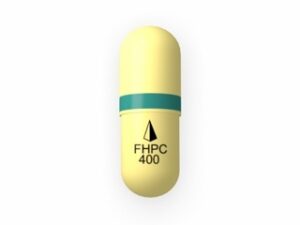

Prometrium (Progesterone) – Patient Information
Prometrium is a brand of micronised progesterone, a natural hormone used to support hormonal balance in specific women’s health situations. This page explains how Prometrium works, how it’s typically used, what to expect, and important safety information. It’s written for patients in Australia and should be used alongside advice from your healthcare professional.
Quick overview
- Medicine: Prometrium (progesterone)
- Type: Hormone therapy (progestogen)
- How it works: Replaces or supports progesterone activity
- Common uses: Conditions where progesterone support is needed, such as luteal support and certain perimenopausal/endometrial protection regimens
- Form: Oral capsules (micronised progesterone)
Basic product information
Prometrium contains micronised progesterone. “Micronised” refers to how the drug is processed, which helps it dissolve and be absorbed after swallowing.
| Feature | What it means for you |
|---|---|
| Active ingredient | Progesterone (micronised) |
| Therapeutic class | Progestogen / hormone therapy |
| Route | Oral (capsules) |
| Typical dosing schedules | Varies by indication; commonly taken once daily at night or as directed |
| Onset | Effects develop as hormone levels rise; symptom changes may take days to weeks |
| Duration | Depends on reason for use and individual response |
How Prometrium works (mechanism of action)
Progesterone is a natural hormone that plays a key role in regulating the menstrual cycle and preparing the uterus (endometrium) for pregnancy. It helps balance the effects of oestrogen on the uterine lining.
In practical terms, Prometrium:
- Supports the menstrual cycle: Helps provide progesterone activity when the body needs additional support.
- Stabilises the endometrium: Helps protect the uterine lining from the overstimulation that can occur with oestrogen alone.
- May influence uterine and cervical environment: Supporting conditions in which progesterone is needed for embryo implantation and early pregnancy maintenance (when used for appropriate indications).
- May reduce abnormal bleeding patterns: In some hormone replacement regimens, progestogens help regularise or protect the endometrium.
Pharmacokinetics (how your body handles the medicine)
Pharmacokinetics describes how the body absorbs, distributes, metabolises, and eliminates progesterone. Individual results can vary based on age, liver function, and other medicines.
Absorption
Micronised progesterone is absorbed after oral administration. Absorption may be influenced by food (see “Food interactions” below).
Distribution
Progesterone is distributed throughout the body and binds to plasma proteins.
Metabolism
Progesterone is primarily metabolised in the liver. This matters because medicines that change liver enzyme activity may affect progesterone levels.
Elimination
Progesterone metabolites are eliminated mainly via urine. The overall “half-life” may vary by patient and formulation.
Typical uses and indications
Prometrium is used when progesterone support or progestogen activity is needed. In Australia, it may be used for:
- Luteal phase support in fertility treatment settings, when progesterone support is required during early stages of reproduction (as clinically appropriate).
- Hormone replacement therapy (HRT) regimens to provide endometrial protection in women who have a uterus and who are receiving oestrogen therapy.
- Other progesterone-responsive conditions where clinicians consider progesterone appropriate. The exact indication depends on your individual situation.
If you’re unsure why Prometrium was recommended for you, speak to your healthcare professional. Indications and schedules vary widely.
Dosing: what is “typical” and why it varies
Dosing depends on the reason you’re taking Prometrium, your stage of treatment, and your personal response. Common regimens include:
- Once daily dosing in many HRT contexts or support regimens.
- Divided dosing in some fertility support or cycle-based regimens (depending on clinical plan).
- Cycle-based schedules for HRT: progesterone may be taken for part of the cycle (continuous or cyclical regimens exist).
Your prescribed dose and timing are the most important guide. Below are general ranges used in clinical practice, but your exact regimen may differ.
| Possible use | Typical approach (general) | Important notes |
|---|---|---|
| Endometrial protection in HRT | Often taken once daily, sometimes for specific days of the cycle | Only relevant if you have a uterus and take oestrogen |
| Luteal support | Usually daily dosing during the luteal phase and early treatment period | Duration may be based on clinical milestones |
| Other progesterone support | Individually tailored | Follow your clinician’s plan |
Timing: when to take Prometrium
Many patients prefer taking Prometrium at night because progesterone can cause sleepiness or fatigue. However, the best time is whichever time helps you take your dose consistently.
Practical timing tips
- Take it at the same time each day to maintain steadier hormone levels.
- If you experience drowsiness, consider taking it in the evening before bed.
- If you miss a dose, follow the guidance provided to you by your healthcare professional or pharmacy.
- Do not double up unless advised.
Food interactions
Food can affect the absorption of progesterone. In general, micronised progesterone may be absorbed differently depending on whether it’s taken with meals.
Many patients find it helpful to take Prometrium:
- Consistently either with food or on an empty stomach, rather than switching frequently.
- At night if the capsules cause nausea or tiredness, as this may be more comfortable.
If you have nausea, you can discuss strategies with your pharmacist, such as taking it with a light meal, ensuring hydration, or changing the time of day—only within the boundaries of your dosing plan.
Alcohol and medicine interactions
Alcohol
Alcohol may worsen progesterone-related effects such as sleepiness, dizziness, and reduced alertness. If you feel drowsy after taking Prometrium, it’s best to avoid alcohol or limit it.
Other medicines: key interaction themes
Progesterone is metabolised in the liver. Medicines that strongly influence liver enzymes may alter progesterone levels and potentially reduce effectiveness or increase side effects.
Tell your healthcare professional or pharmacist about all medicines you take, including:
- Anti-epileptics and other drugs that affect liver enzymes
- Some antibiotics and antifungals
- HIV medicines and other antiviral therapies
- Herbal products (e.g., St John’s wort)
- Other hormones including oestrogens
If you begin a new medicine while on Prometrium, check whether it could interact. Your pharmacist can provide practical guidance quickly.
Safety profile: who should be cautious
Prometrium is generally well tolerated when used appropriately, but like all medicines it may cause side effects. Some conditions require careful assessment before use.
Common side effects
- Sleepiness, tiredness, or fatigue
- Dizziness or light-headedness
- Headache
- Nausea or mild stomach upset
- Bloating
- Breast tenderness
- Mood changes (varies between individuals)
- Irregular bleeding or spotting, especially early in treatment
Serious warnings (seek urgent medical help)
Contact urgent medical services immediately or seek urgent medical care if you experience symptoms that could signal a serious reaction or a blood clot. Examples include:
- Chest pain, shortness of breath, coughing blood
- Severe headache or sudden vision changes
- Weakness on one side of the body, trouble speaking
- Severe leg pain or swelling (especially in one leg)
- Signs of an allergic reaction such as swelling of the face/lips, rash, or difficulty breathing
Special caution
Extra caution may be needed if you have (or have had) any of the following:
- Liver disease (because progesterone is metabolised in the liver)
- Unexplained vaginal bleeding (needs assessment)
- History of blood clots or certain clotting risk factors
- Known or suspected hormone-sensitive conditions (requires specialist review)
- Depression or mood disorders (monitoring may be recommended)
Your healthcare professional can assess your personal risk factors. Do not start or stop Prometrium without guidance.
Practical use tips
These tips can make treatment smoother and help you get the most consistent results.
- Consistency matters: Take your capsule(s) at the same time each day.
- Night-time dosing: If you feel drowsy, consider taking it before bed.
- Track side effects: Keep notes if you experience nausea, dizziness, breast tenderness, or bleeding changes.
- Watch bleeding patterns (HRT): Some early spotting can occur, but ongoing heavy or unusual bleeding should be reviewed.
- Keep appointments: If you’re using Prometrium as part of hormone therapy, regular review is important.
- Storage: Store at controlled room temperature and keep the medicine in its original packaging. Follow the label instructions.
What to do if you miss a dose
If you miss a dose, the best action depends on your schedule and timing. As a general rule:
- Check the advice you received from your pharmacist or healthcare professional.
- If it’s close to your next dose, you may be advised to skip the missed capsule—rather than take two at once.
- If you’re taking Prometrium as part of fertility support or cycle-based therapy, contact your clinic for tailored advice if you miss doses.
Alternative options
Depending on your indication, there are alternative ways progesterone can be delivered. Discuss options with your clinician and pharmacist.
Possible alternatives
- Other oral micronised progesterone products: Different brands may be available.
- Vaginal progesterone formulations: Often used in fertility support where local delivery may be preferred.
- Different progestogens used in HRT: Some progestogens may be used for endometrial protection in specific HRT regimens.
The “best” alternative depends on how you tolerate treatment, your medical history, and the clinical goal (e.g., endometrial protection versus cycle support).
Market and legal context for Australia (what to expect)
In Australia, medicines are supplied based on regulatory classification and prescribing requirements set by Australian health authorities. Prometrium is an established product, and availability may vary across pharmacies.
When purchasing hormone medicines online, you may need to follow steps required by Australian pharmacy and regulatory frameworks, such as identity verification and compliance checks. Delivery options and stock availability can also vary by location.
Always ensure you receive the correct strength and formulation, and check that the packaging is intact and not expired.
Recent guidance and best-practice considerations
Clinical recommendations for progesterone use can evolve as new evidence emerges, especially in fertility and menopausal symptom management. In Australia, it’s common for clinicians to:
- Use progesterone regimens tailored to individual risk factors
- Review bleeding patterns and monitor tolerability
- Check potential medicine interactions, particularly those affecting liver metabolism
- Reassess the need for continued hormone therapy periodically
If you’re taking Prometrium as part of HRT, ask your healthcare professional about how often you should be reviewed and whether dose adjustments are needed as your treatment progresses.
Delivery and availability in Australia
Availability can depend on the pharmacy’s local stock, distribution timelines, and your location. Many online pharmacies offer home delivery across Australia, with options that may include standard and express shipping.
How to prepare for online ordering
- Confirm the strength and quantity you need.
- Ensure your delivery address is correct and accessible.
- Allow for processing and dispatch time, especially if your preferred brand needs to be sourced.
- Check delivery times at checkout.
On arrival, verify the packaging, check the expiry date, and store the medicine as directed.
FAQ
Is Prometrium the same as “bioidentical” progesterone?
Prometrium contains micronised progesterone, which is progesterone itself (a naturally occurring hormone). Some people use the term “bioidentical” more broadly, but for practical purposes, what matters is the active ingredient and whether it matches your intended regimen.
Can I take Prometrium with food?
Many people take it consistently with or without food. Because food can affect absorption, the most useful approach is to take it in the same way each day. If you experience nausea, taking it with a light meal at a consistent time may help—ask your pharmacist for tailored advice.
What if I feel very sleepy after taking it?
Sleepiness is a known possible effect. Try taking your dose at night, avoid driving or operating machinery if you feel drowsy, and let your pharmacist or clinician know if symptoms are significant or persistent.
How long does it take to work?
Some effects may begin within days as hormone levels rise, but noticeable changes (such as cycle-related symptoms or bleeding pattern changes) can take longer and vary by indication.
Will Prometrium affect my period?
It can. In HRT regimens, changes in bleeding and spotting can occur, especially early on. If you experience heavy bleeding, bleeding that is new for you, or bleeding that worries you, seek medical review.
Can I drink alcohol while using Prometrium?
Moderate alcohol may be tolerated by some people, but alcohol can increase dizziness or sleepiness. If you notice these effects, reduce alcohol or avoid it and speak with your pharmacist.
What medicines should I avoid while taking Prometrium?
Don’t start or stop other medicines without checking interactions. Medicines that affect liver enzymes can change progesterone levels. Always provide your pharmacist with a complete list of medicines and supplements you use.
Are there alternatives if I can’t tolerate Prometrium?
Yes, depending on your indication. Alternatives may include other progesterone formulations (oral or vaginal) or different progestogens used for HRT. Your clinician can help choose the most suitable option.
Where can I find more information?
Always refer to your product packaging and the information provided by your pharmacy. If you have specific questions about your situation, your pharmacist or healthcare professional can provide tailored advice.
Important reminders
- Take Prometrium exactly as directed for your situation.
- Report new or concerning symptoms promptly.
- Keep track of side effects and any unusual bleeding patterns.
- Confirm interactions with your pharmacist when starting new medicines or herbal products.
This information is general and not a substitute for personalised medical advice. If you’re unsure about your dosing schedule, timing, or suitability, speak with a healthcare professional.