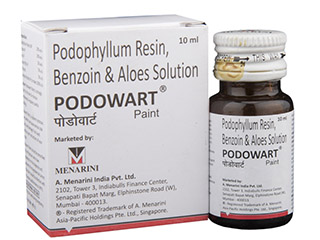
Podowart (Podophyllum resin) – Patient Information for Australia
Podowart contains podophyllum resin (from Podophyllum species). It is used for the local treatment of certain external warts. This guide explains how it works, how to use it safely, what to expect, and when to seek medical advice.
Important: Read the label and packaging instructions carefully. If you are unsure whether your wart type is suitable for Podowart, speak with a pharmacist or clinician.
Key Product Details
| Feature | What you should know |
|---|---|
| Medicine | Podowart (podophyllum resin) |
| Common use | Local treatment of certain external warts |
| Route | Topical (applied to the wart) |
| Typical frequency | Often applied in short courses (follow your product label exactly) |
| How it works | Causes destruction of wart tissue |
| Where to apply | Only to approved external wart areas; avoid surrounding skin |
What Podowart Is Used For (Indications)
Podowart is used for the treatment of external warts where podophyllum resin is appropriate. In practice, it is most commonly used for:
- Genital warts (external) in suitable locations
- Other approved external warts as directed by product instructions
Not for: Do not use on skin areas where the product instructions do not specify, and avoid use on internal surfaces (for example, inside the vagina, urethra, or anus) unless explicitly directed by a healthcare professional.
If you are uncertain about whether your wart is appropriate for this medicine, get advice before use—some skin conditions can look like warts but require different treatment.
How Podowart Works (Mechanism of Action)
Podophyllum resin contains active compounds that target rapidly dividing cells. Warts are caused by human papillomavirus (HPV), and wart growth depends on the activity of infected cells.
Podophyllum resin works by:
- Disrupting cell growth in wart tissue
- Causing cell death in the treated wart area
- Leading to shedding of the wart over time
Because it acts locally, the medicine is intended to be applied carefully only to the wart tissue, not normal surrounding skin.
Pharmacokinetics (What Happens in the Body)
Podophyllum resin is a topical treatment, so most of its effect is local. However, some absorption can occur depending on:
- The size/number of warts
- Condition of skin (irritated or broken skin may absorb more)
- How much product is applied and how precisely it is used
- Frequency and duration of treatment
In general, after topical application:
- Local tissue effects occur at the site of application.
- Only small systemic absorption is expected when used correctly.
- Any absorbed fraction is processed by the body and ultimately eliminated, but the clinical importance of systemic exposure is usually low when used as directed.
Why this matters: Using too much, applying to large areas, or using more often than instructed increases the risk of side effects.
Typical Use and Treatment Timing
Podowart is typically used in short application cycles designed to limit harm to surrounding skin while destroying wart tissue.
Follow your exact product label for:
- How often to apply (e.g., once or twice per day)
- How many days to use it in each cycle
- How many cycles are recommended
In many wart regimens:
- Within a few days, the wart may look irritated, darker, or smaller.
- Over one to several weeks, treated wart tissue may dry and fall off.
- Up to several weeks may be needed for full improvement, depending on wart size and number.
Do not apply more frequently than recommended to “speed up” results—this can increase irritation and complications without improving effectiveness.
Dosing (How Much to Use)
Because podophyllum resin products are formulated differently, dosage instructions must be followed exactly from your specific Podowart pack. As a general patient safety principle:
- Apply only a small amount to the wart
- Use an applicator if provided, or a method recommended by the product
- Keep product off normal surrounding skin
- Wash hands after use
- Do not cover with airtight dressings unless instructed
Typical approach (general guidance):
- Apply to the entire visible wart only.
- Avoid pooling or dripping into surrounding tissue.
- If your warts are large, widespread, or clustered, ask a pharmacist or clinician for advice before starting—precision matters.
Food Interactions
No known direct food interactions are expected with podophyllum resin because it is used topically. However, general safety still applies:
- Stay hydrated and avoid excessive alcohol if you experience irritation, as discomfort can affect wellbeing.
- If you feel unwell or develop unusual symptoms, stop using the product and seek advice.
Alcohol and Medicine Interactions
There are no well-established specific interactions between alcohol and podophyllum resin topical use. Still, it’s important to consider the following:
- Avoid alcohol if it worsens side effects such as dizziness, nausea, or general discomfort.
- If you are taking other medicines, consider that irritation and inflammation can sometimes be mistaken for medication reactions; ask a pharmacist if you’re unsure.
Practical note: Do not apply podophyllum resin to compromised skin (for example, open sores). This reduces the chance of higher absorption and systemic effects.
How to Use Podowart Safely (Practical Use Tips)
Proper technique improves effectiveness and reduces irritation.
Before you start
- Confirm the area is external and matches the product instructions.
- Wash the area gently with water and pat dry.
- Have tissues and hand-washing supplies ready.
During application
- Use the applicator provided, if available.
- Apply only to the wart—avoid normal skin.
- Let it set/dry as instructed by the product label.
- Wash your hands thoroughly after each application.
After application
- Watch for irritation. Mild redness or discomfort can occur.
- If irritation is severe, stop and seek advice.
- Do not share towels or personal items while your area is healing.
Hygiene and sexual health considerations
- Warts associated with HPV can be contagious. Use barrier protection (e.g., condoms) during treatment and after, as appropriate.
- Avoid sex if the area is very sore or bleeding.
Safety Profile (Side Effects and When to Stop)
Like all medicines, Podowart can cause side effects. Many people experience some local irritation, especially in early treatment.
Common or expected effects
- Local redness
- Burning or stinging
- Swelling or tenderness
- Crusting, scaling, or darkening of wart tissue
- Superficial ulceration of the treated wart (as tissue sheds)
Seek urgent medical advice if you experience
- Severe or rapidly worsening pain
- Blistering, extensive ulceration, or spreading redness
- Signs of infection (e.g., increasing warmth, pus, fever)
- Difficulty urinating or severe genital swelling
- Any symptoms suggesting a systemic reaction (e.g., marked dizziness, vomiting, unusual weakness)
Stop treatment and get advice if
- The medicine appears to be affecting large areas of normal skin
- You do not see any improvement after an appropriate trial period on the label
- Warts multiply quickly during treatment
- You are pregnant or planning pregnancy (safety considerations apply)
Pregnancy and breastfeeding: If you are pregnant, trying to conceive, or breastfeeding, consult a clinician or pharmacist before using podophyllum resin. Local treatment decisions should be individualised.
Children: Use only if clearly recommended for the child’s age and condition by an appropriate health professional and according to the product instructions.
When Podowart May Not Be Suitable
Podowart may not be appropriate if:
- You are unsure the growth is a wart
- The area is internal or not covered by product instructions
- You have poor wound healing or skin disorders in the treatment area
- You cannot apply it accurately (precision is important to avoid chemical burns)
If you have concerns, ask for a pharmacist review or a clinician assessment.
Alternative Treatment Options
If Podowart is not suitable or doesn’t work for you, there are other approaches. The best option depends on wart location, size, number, and your tolerance for local irritation.
At-home / topical options (as appropriate)
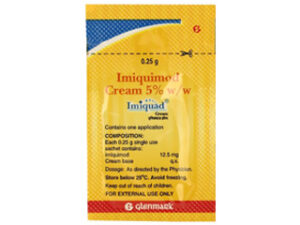
- Imiquimod cream (works by stimulating local immune responses)
- Sinecatechins ointment (green tea extract; used for external warts in specific settings)
Clinic-based options
- Cryotherapy (freezing)
- Trichloroacetic acid or similar chemical cautery options
- Electrocautery or surgical removal
- Laser therapy in select cases
Which is best? Some treatments may cause more or less discomfort, and outcomes can vary. Your pharmacist or clinician can help match the option to your situation.
Recent Guidance and Practical Considerations (Australia)
In Australia, management of HPV-related warts commonly focuses on:
- Confirming diagnosis (particularly if lesions are atypical)
- Using the right treatment for the right site (external vs internal)
- Setting realistic expectations: warts may take time to respond, and recurrence can occur
- HPV prevention through vaccination (where eligible) and safer sex practices
Recurrence can happen because warts can persist or return even after visible lesions clear. Continued follow-up and appropriate prevention measures are often recommended.
Market and Legal Context in Australia
Medicine availability and classification vary by product. In Australia, medicines are regulated through the Therapeutic Goods Administration (TGA). Products marketed for wart treatment must meet applicable standards for quality, safety, and labelling.
For the most accurate details about Podowart in the Australian market, including pack size, strength, and approved indications, refer to:
- The product carton/leaflet supplied with your medication
- Information provided by the dispensing pharmacy
- TGA listings and consumer medicine information where available
Always use the version you purchased and follow its instructions. If you’re using a product supplied under a specific brand/strength, check the label for the exact directions.
Delivery and Availability
Podowart may be available through online pharmacies in Australia subject to stock, prescribing/dispensing rules, and product supply constraints. Availability can vary by region and time.
Typical delivery considerations:
- Orders are usually processed once payment is confirmed and stock is verified.
- Delivery times depend on your location and the courier service used.
- Some medicines may require identity verification or additional checks before dispatch.
If you’d like, provide your suburb/postcode and we can help estimate delivery options (where applicable).
FAQ – Podowart (Podophyllum Resin)
1) How long does it take for warts to improve?
Many people notice changes within the first week, but complete clearance can take longer—often several weeks depending on the size and number of warts and how consistently the product is used as directed.
2) Can I use Podowart on any wart?
No. Podowart should only be used on external warts in the areas specified on the product instructions. If the appearance is unusual or you’re unsure what you have, get advice before using it.
3) What should the wart look like during treatment?
Local irritation, darkening, crusting, and loosening of wart tissue may occur. These effects often reflect that the treated tissue is breaking down. However, severe pain or extensive skin damage is not expected—stop and seek advice if this happens.
4) What if I accidentally get Podowart on normal skin?
Rinse the area with water promptly. Avoid rubbing aggressively. If burning is severe or the area becomes very painful or blistered, contact a pharmacist or clinician for advice.
5) Is it safe to use Podowart with other creams or antiseptics?
To reduce the risk of irritation and interactions, avoid applying other products to the same area unless a pharmacist advises you to. If the area is very irritated, speak to a healthcare professional before combining treatments.
6) Can I drink alcohol while using Podowart?
There are no widely documented alcohol-specific interactions with topical podophyllum resin. If you feel unwell or irritation worsens after alcohol, avoid further alcohol and seek advice if symptoms persist.
7) Will using Podowart guarantee that I won’t get warts again?
No treatment can guarantee complete prevention of recurrence because HPV can remain in the body. Warts can return. Continuing safer sex practices and discussing HPV vaccination with a healthcare professional may reduce risk.
8) Should sexual partners be treated too?
Warts are caused by HPV, which can be shared between partners. Partner evaluation may be appropriate if they have symptoms. Treatment decisions should be guided by their own clinical assessment.
9) When should I stop and see a clinician?
Stop using Podowart and seek advice if you have severe pain, spreading irritation, signs of infection, no improvement after the labelled treatment period, or if you are pregnant/possibly pregnant.
10) Is podophyllum resin suitable for pregnant people?
Caution is advised. Discuss with a pharmacist or clinician before use if you are pregnant, trying to conceive, or breastfeeding. Treatment choices may differ during pregnancy.
Summary
Podowart (podophyllum resin) is a topical medicine used to treat certain external warts. It works by destroying wart tissue, leading to gradual shedding. When used correctly—applying only to the wart, following the labelled dosing schedule, and avoiding surrounding skin—many people experience improvement over weeks.
If you’re unsure whether Podowart is right for your wart type or location, or if you experience significant irritation, stop and seek advice promptly. Your pharmacist can help you choose the safest and most effective option for your situation.