Pimecrolimus: Patient-Friendly Guide (Australia)
Pimecrolimus is a medicine used to treat certain inflammatory skin conditions. It belongs to a group of medicines called topical calcineurin inhibitors, which help calm immune activity in the skin. This guide explains how pimecrolimus works, how it’s used, what to expect, and important safety and interaction information—written for people buying online in Australia.
Quick facts
- Medicine name: Pimecrolimus
- Where it’s used: On the skin (topical)
- Common skin conditions: Eczema/atopic dermatitis (in appropriate patients)
- How it works: Reduces inflammation by modifying immune signalling in the skin
- Typical use pattern: Applied as a thin layer to affected areas
- Key practical point: It’s not the same as steroid creams and may reduce flare frequency for some people
Basic product information
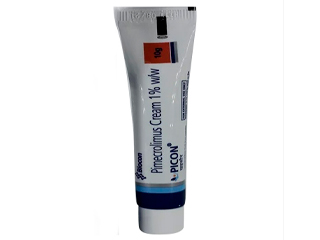
Pimecrolimus is supplied as a cream or similar topical formulation. Brand names vary by supplier and product line. Strengths also vary depending on the specific product in Australia, so always confirm the exact strength and instructions on your packaging or the product details shown at checkout.
What it looks like: Typically a cream intended for application to the skin.
Who uses it: It’s commonly used for inflammatory skin conditions such as atopic dermatitis (eczema) in suitable ages, based on clinical advice and the product’s approved indications.
How pimecrolimus works (mechanism of action)
Pimecrolimus works by targeting an immune pathway called the calcineurin–NFAT pathway. In simpler terms:
- During eczema flare-ups, immune signals increase inflammation in the skin.
- Pimecrolimus modulates immune activation in skin cells.
- This helps to reduce redness, itching, and inflammation associated with eczema.
Unlike some steroid treatments, pimecrolimus is not a corticosteroid. For many people, this can be useful for longer-term sensitive-area use when steroids are not ideal or when clinicians prefer a non-steroidal approach.
Pharmacokinetics: what happens in the body
Pharmacokinetics describes how the body absorbs, distributes, metabolises, and eliminates a drug.
- Absorption: When applied to intact skin, pimecrolimus is generally absorbed in small amounts. Higher absorption may occur if the skin is broken or if applied over large areas.
- Distribution: Because systemic absorption is limited, most of the medicine acts locally in the skin.
- Metabolism: In the body, pimecrolimus is metabolised mainly through hepatic (liver) pathways.
- Elimination: Metabolites are eliminated largely via urine and faeces.
Clinical takeaway: For most people using pimecrolimus as directed, meaningful whole-body effects are unlikely. However, absorption can increase with overuse, occlusive dressings, or extensive application.
Typical use and indications
Pimecrolimus is used for inflammatory skin conditions, most notably atopic dermatitis (eczema). Depending on local prescribing information and product label details, it may be indicated for:
- Management of eczema in people who can benefit from non-steroidal anti-inflammatory therapy
- Helping reduce flare-related symptoms such as itch and redness
- Suitable use in sensitive skin areas when appropriate (e.g., where steroid side effects are a concern), as advised by a clinician
Important: The exact age range, severity criteria, and treatment approach may vary by product and Australian regulatory guidance. Always follow the approved directions for the specific pimecrolimus product you use.
Timing: when and how to apply
Proper timing improves results and helps reduce the chance of side effects.
- Start at the right time: Begin treatment at the first sign of a flare or as directed by your clinician/product instructions.
- How often: Use the frequency stated on the product label. Many topical eczema regimens are applied twice daily during active flare phases, but your specific product instructions should be followed.
- Apply consistently: If using pimecrolimus to help prevent or manage recurring eczema, consistency matters.
What to do during flares: Apply a thin layer to the affected areas. If symptoms worsen or you don’t see improvement, seek medical advice rather than increasing dose on your own.
Dosing: practical, patient-friendly guidance
Because products differ (strength and label directions), the most accurate dosing is the instruction on your medicine pack or your clinician’s directions. The guidance below is intended to help you understand typical use.
| Aspect | Patient-friendly guidance |
|---|---|
| Amount | Apply a thin layer to affected skin—enough to cover the area, not a thick coating. |
| Frequency | Use the frequency stated on the label (commonly once or twice daily depending on treatment stage). |
| Duration | Continue for the period recommended on the pack or by your clinician. If you need treatment beyond the recommended timeframe, obtain further advice. |
| Hands | If applying to hands, wash hands after application unless the hands themselves are the treated area. |
| Moisturisers | Moisturise regularly (often the best supportive care). You may apply moisturiser after pimecrolimus once the skin has absorbed the medicine, or as advised. |
Food interactions
Food interactions are unlikely with topical pimecrolimus because systemic absorption is generally low. However, if you have conditions affecting skin healing, immunity, or if you use multiple therapies, it’s still wise to follow a consistent skincare routine.
If you are unsure about interactions with any oral medicines you take, check with a pharmacist. For most people, there’s no specific “avoid with food” rule for pimecrolimus.
Alcohol and medicine interactions
Alcohol: There are no well-established direct interactions between pimecrolimus and alcohol. Because the medicine is applied to the skin, the impact is generally local. Still, excessive alcohol may worsen eczema indirectly by affecting sleep, hydration, and immune function.
Medicine interactions: Significant interactions are not commonly expected for pimecrolimus when used as directed. That said:
- If you use other topical products on the same area (antibiotics, antiseptics, other anti-inflammatory creams), avoid mixing unless advised.
- Inform your pharmacist/doctor about all medicines you use, including oral immunosuppressants, biologics, or other topical therapies.
- If the treated area is infected or weeping, you may need different treatment—do not rely on pimecrolimus alone.
Safety profile: side effects and warnings
Most people tolerate pimecrolimus well. Like all medicines, it can cause side effects, especially at application sites.
Common side effects
- Burning, stinging, or tingling at the application site (often mild to moderate and may settle after repeated use)
- Skin irritation or redness where applied
- Itch or dryness in the treated area
Less common but important risks
- Skin infection may be harder to distinguish if symptoms change—seek advice if you notice worsening pain, pus, crusting, or fever.
- Allergic reaction: stop use and seek urgent advice if you develop swelling of the face/lips, widespread rash, or breathing difficulty.
When to avoid or use extra caution
- Do not apply to areas with suspected viral infections (e.g., cold sores) unless specifically instructed.
- Use care if the skin is broken or severely inflamed; absorption may increase.
- If you are pregnant, breastfeeding, or treating a child, discuss appropriate use with a clinician—recommendations may differ by product and individual circumstances.
Sun exposure: Reduce exposure to strong sunlight and sunbeds on treated areas. Use protective clothing and sunscreen for exposed areas, and ask your pharmacist for advice on how to manage eczema alongside sun protection.
Practical use tips (to get the best results)
- Use on clean, dry skin: Apply after gently washing and patting the skin dry.
- Apply thinly and evenly: Thick application doesn’t usually help and may increase irritation.
- Don’t cover with occlusive dressings unless your clinician advises it. Occlusion can increase absorption.
- Maintain moisturising habits: Emollients help repair the skin barrier and often reduce flare frequency.
- Track your triggers: Common triggers include dry weather, harsh soaps, sweat, and stress. Identifying triggers improves long-term control.
- Watch for infection signs: Increased pain, warmth, oozing, crusting, or fever should be assessed promptly.
- Wash hands after application (unless treating hands) to avoid accidental transfer to eyes or mouth.
- Avoid eyes and mucous membranes: If contact occurs, rinse with water thoroughly.
Alternative options for eczema (non-pimecrolimus)
Depending on your eczema severity, age, location of lesions, and response to therapy, healthcare professionals may recommend other treatments. Common alternatives include:
- Topical corticosteroids (steroids): Often used for short courses to quickly reduce inflammation.
- Topical tacrolimus: Another calcineurin inhibitor with a similar anti-inflammatory approach.
- Barrier-repair emollients: Daily moisturisers can reduce flare frequency and help maintain skin comfort.
- Antihistamines (for itch): Sometimes used to help sleep when itch is severe (depending on age and suitability).
- Phototherapy or systemic therapies: For severe, uncontrolled eczema, specialists may recommend advanced options.
Choosing the right option: The best treatment depends on how extensive the eczema is, whether it’s infected, and how you respond to prior therapies.
Market and legal context in Australia
In Australia, topical medicines are regulated through the Australian Register of Therapeutic Goods (ARTG). Availability (for example, whether a medicine is pharmacy-only, prescription-only in general practice, or available with pharmacist assistance) depends on its regulatory classification and the specific product formulation.
Buying online: When purchasing topical medicines from an online pharmacy in Australia, reputable suppliers typically include:
- Product identification (exact strength and formulation)
- Clear directions for use consistent with approved information
- Guidance on storage (often “store below 25°C” unless otherwise stated)
- Supply compliance and customer verification where required
If you are uncertain about suitability for your age group or condition severity, choose a pharmacy website that offers access to pharmacist support or a pathway to professional advice.
Recent guidance and evolving practice
Clinical practice for eczema continues to evolve. Common themes in recent dermatology guidance include:
- Early intervention: Treating flares early can help reduce severity and duration.
- Skin barrier focus: Emollients and barrier repair remain core long-term management.
- Non-steroidal options: Calcineurin inhibitors may be considered for sensitive areas or long-term intermittent control.
- Infection awareness: People with eczema can be prone to skin infections—treatment plans often consider infection risk.
Product labels and local clinical recommendations may be updated over time. Always check the current instructions included with the specific pimecrolimus product you purchase.
Delivery and availability (online pharmacy)
Online availability depends on stock levels, supplier networks, and the specific formulation (cream type/strength). When ordering in Australia, a reputable online pharmacy generally offers:
- Clear dispatch timelines: Some orders dispatch within 24–72 hours depending on verification and stock.
- Delivery options: Standard and sometimes express delivery depending on location.
- Tracking information: Many orders include tracking via the courier.
- Secure packaging: Creams are typically packed to reduce leakage and protect from heat.
Storage: Store pimecrolimus according to the label. Keep it away from extreme heat and sunlight, and ensure it is out of reach of children.
How to use pimecrolimus correctly: step-by-step
- Clean gently with lukewarm water and a mild cleanser if needed.
- Pat dry the affected area.
- Wash hands (before and after), unless the hands are the area treated.
- Apply a thin layer of pimecrolimus to the affected eczema patches only.
- Allow absorption before covering with clothing (loose clothing is preferred).
- Moisturise as part of your eczema routine, typically regularly across the day.
- Stop and seek advice if symptoms significantly worsen or you suspect infection.
FAQ
Is pimecrolimus a steroid?
No. Pimecrolimus is a topical calcineurin inhibitor. It works differently from corticosteroids.
How quickly will pimecrolimus work?
Some people notice improvement within days, but others may take longer. If there is no improvement after a reasonable period (as advised by the product/clinician), seek further guidance.
Can I use pimecrolimus on my face or sensitive areas?
It may be suitable for some people and locations, but the decision depends on your individual situation and product-specific instructions. Avoid eyes and mucous membranes.
What should I do if I feel burning or stinging?
Mild burning or stinging can occur, especially at the start. Try applying a thin layer as directed. If irritation is severe or persists, stop use and speak to a pharmacist or doctor.
Can I use moisturiser with pimecrolimus?
Yes, moisturiser is typically important for eczema. Apply moisturiser regularly and consider applying moisturiser after pimecrolimus once the cream has absorbed, unless your clinician advised otherwise.
Can I apply pimecrolimus after swimming or sweating?
Dry your skin gently. If you’re treating eczema patches, apply pimecrolimus after the skin is clean and dry. Avoid rubbing aggressively.
Is it safe to drink alcohol while using pimecrolimus?
There are no commonly recognised direct interactions between topical pimecrolimus and alcohol. However, alcohol can indirectly affect eczema via sleep and hydration. If you notice worsening symptoms after drinking, consider limiting alcohol and discuss options with a healthcare professional.
Does pimecrolimus interact with other medicines?
Significant interactions are not expected for most people with typical topical use. Still, tell your pharmacist about all medicines and topical products you use, especially if you use other immune-modifying medicines.
What if I miss a dose?
Apply it when you remember if it’s still close to your usual time. If it’s almost time for the next dose, skip the missed application—do not apply extra.
When should I seek medical advice urgently?
Seek urgent advice if you develop signs of severe allergic reaction (swelling of face/lips, trouble breathing), rapidly spreading rash, or signs of skin infection (worsening pain, oozing/pus, fever).
Summary
Pimecrolimus is a topical non-steroidal anti-inflammatory medicine commonly used for eczema/atopic dermatitis in appropriate patients. It works by modulating immune signalling in the skin, and when used as directed it generally has low whole-body absorption. For best results, apply a thin layer at the right time, maintain moisturising routines, protect the skin from irritants and strong sunlight, and seek advice if symptoms worsen or infection is suspected.