
Paxil (Paroxetine) — Patient-Friendly Guide (Australia)
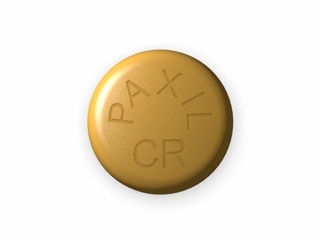
Paxil is a brand of paroxetine, a medicine used to treat several mental health conditions. This guide explains how Paxil works, how it’s typically taken, what to expect, and important safety considerations—written for patients in Australia.
Note: Mental health medicines must be chosen and adjusted individually. If you are unsure whether Paxil is right for you, speak with a pharmacist or prescriber.
Quick Product Information
| Category | Details |
|---|---|
| Medicine | Paxil (paroxetine) |
| Medicine class | Selective Serotonin Reuptake Inhibitor (SSRI) |
| Common uses | Depression, anxiety disorders, panic disorder and related conditions |
| How it works | Increases serotonin activity in the brain |
| Common dosing approach | Often once daily; dose may be increased gradually |
| Onset of effects | Some improvement may occur within 1–2 weeks; full benefit may take several weeks |
| Stopping | Usually requires gradual tapering to reduce discontinuation symptoms |
What is Paxil (Paroxetine)?
Paxil contains paroxetine, an SSRI antidepressant. SSRIs work by increasing the amount of serotonin available to brain cells. Serotonin is a chemical messenger involved in mood, anxiety, appetite, sleep, and stress responses.
Paxil may be used for multiple conditions, particularly when anxiety and depression overlap. It is known for helping both emotional symptoms (such as low mood) and physical anxiety symptoms (such as tension, worry, and panic-related symptoms).
How Paxil Works (Mechanism of Action)
Paroxetine primarily acts by:
- Blocking the serotonin transporter (SERT), which reduces the reuptake of serotonin back into nerve cells.
- Increasing serotonin availability in the synaptic space, which helps improve communication between neurons.
- Indirectly influencing brain circuits involved in mood regulation and anxiety response.
Unlike some medicines that act quickly, SSRIs generally require time to adjust brain signalling patterns. This is why benefits typically build gradually.
Pharmacokinetics: How Your Body Handles Paroxetine
Pharmacokinetics describes what the body does with a medicine (absorption, distribution, metabolism, and elimination). For paroxetine:
- Absorption: Paroxetine is absorbed after oral dosing.
- Distribution: It distributes throughout the body and crosses into the brain, where it influences serotonin signalling.
- Metabolism: It is metabolised mainly in the liver.
- Elimination: Metabolites are excreted primarily via the kidneys.
- Half-life: Paroxetine has a relatively short to intermediate elimination half-life compared with some other SSRIs. This can be one reason why missed doses or abrupt stopping may lead to discontinuation symptoms in some people.
Practical takeaway: consistency matters—try not to skip doses and avoid sudden changes unless advised by a healthcare professional.
Typical Uses and Indications
Paxil is used for a range of mental health conditions. Depending on local guidance and individual assessment, it may be used for:
- Depressive illness (including major depressive episodes)
- Obsessive-compulsive disorder (OCD)
- Panic disorder
- Social anxiety disorder
- Generalised anxiety disorder (GAD)
- Post-traumatic stress disorder (PTSD) (use depends on clinical judgement and local recommendations)
In some patients, symptoms overlap across categories (for example, depression with panic or chronic anxiety). A clinician may choose Paxil because it can address both mood and anxiety symptoms.
When Paxil Starts Working (Timing)
Response timing varies by person and by condition:
- First 1–2 weeks: Some people notice changes in anxiety, restlessness, or sleep. Others may feel little difference at first.
- Weeks 2–4: Gradual symptom improvement is more common.
- Weeks 4–6+: For many anxiety disorders and OCD, the full benefit may take longer.
Initial side effects: Early on, some people experience temporary effects such as nausea, headache, increased sweating, or changes in sleep. These often improve over time, but if they are severe, persistent, or worsening, seek advice.
If you feel worse early: Any sudden worsening, emergence of unusual agitation, or severe distress should be discussed with a healthcare professional promptly.
How to Take Paxil: General Dosing Guidance
Dosing should be individualised. Below is general information commonly used with paroxetine, but your exact dose may differ based on your condition, age, other medicines, and response.
Typical schedule: Often taken once daily. Many people take it in the morning or evening, depending on how it affects them.
Starting and adjusting dose
- Start low and go slow: Many clinicians begin at a lower dose to reduce side effects, then adjust after assessing tolerance and symptom response.
- Gradual dose changes: Increases (if needed) are usually done stepwise with time to observe effects.
- OCD and panic disorder: May require higher doses and longer treatment duration to see full benefit.
Missed dose
- Take it as soon as you remember if it’s not close to the next dose.
- If it’s nearly time for the next dose, skip the missed dose—don’t double up.
- If missed doses happen frequently, talk to your pharmacist or prescriber for practical strategies.
Stopping Paxil (discontinuation)
Paroxetine should not usually be stopped abruptly. Stopping suddenly can cause discontinuation symptoms such as:
- dizziness
- “brain zaps” or electric shock sensations
- nausea
- headache
- irritability, anxiety, or low mood returning
- sleep disturbances
Best practice: If you need to stop, ask your healthcare professional about a tapering plan tailored to you.
Food Interactions and Dietary Considerations
Paxil can generally be taken with or without food. Some patients find:
- With food helps reduce nausea or stomach upset.
- Empty stomach may increase risk of nausea for some people.
Alcohol and caffeine: These can affect mood and anxiety symptoms and may worsen side effects. Consider limiting alcohol and monitoring how caffeine affects anxiety and sleep.
Grapefruit and other foods: There are not specific widely recognised food restrictions for paroxetine, but general advice is to maintain a stable diet and avoid sudden major dietary changes that could affect overall wellbeing.
Alcohol and Medicine Interactions
Alcohol
Combining Paxil with alcohol may:
- worsen sleepiness or dizziness
- reduce judgement and coordination
- increase anxiety or mood instability
Recommendation: For many patients, it’s safest to avoid alcohol or keep it minimal and discuss with a clinician if alcohol use is regular.
Important medicine interactions
Paroxetine can interact with several medicines due to effects on liver enzymes and serotonin-related pathways. Always tell your pharmacist about all medicines you take, including:
- prescription medicines
- over-the-counter products
- herbal supplements
- vitamins and “natural” remedies
Examples of medicines that may interact:
- Other serotonergic medicines (increases risk of serotonin syndrome)
- some migraine medicines (triptans)
- other antidepressants
- linezolid
- certain medicines for nausea (some act via serotonin pathways)
- MAO inhibitors (a combination that is generally avoided)
- Other SSRIs/SNRIs or medicines that affect serotonin
- Blood thinners / antiplatelet medicines (higher risk of bleeding may occur with SSRIs in some patients)
- NSAIDs (e.g., ibuprofen, naproxen) when used regularly (also may increase bleeding risk)
- Some antiarrhythmics or drugs affecting heart rhythm (interaction risk may require monitoring)
- Some seizure medicines or other medicines affecting metabolism
Herbal supplements: Be cautious with supplements that influence serotonin or mood. One common example is St John’s wort, which may increase interaction risk.
Serotonin syndrome warning signs (seek urgent help if severe):
- fever, sweating, confusion
- fast heart rate
- shaking/tremor, muscle stiffness
- severe agitation
- diarrhoea
Do not start, stop, or change doses of other medicines without professional advice when taking Paxil.
Safety Profile: Common Side Effects and Serious Risks
Most people tolerate paroxetine reasonably well, but side effects vary. If side effects are bothersome or you feel unwell, contact a pharmacist or prescriber.
Common side effects
- Nausea
- Headache
- Sleep changes (sleepiness or insomnia)
- Increased sweating
- Tremor or feeling jittery early on
- Sexual side effects (decreased libido, delayed orgasm, erectile difficulties)
- Dry mouth
- Changes in appetite or weight (weight change can occur over time)
- Diarrhoea or constipation
Less common but important effects
- Bleeding risk: SSRIs can increase bleeding tendency, especially if combined with blood thinners or NSAIDs.
- Hyponatraemia: Low sodium levels can occur, more commonly in older adults or those taking diuretics.
- Angle-closure glaucoma risk: If you have eye conditions, discuss suitability and watch for eye pain or vision changes.
- Mania/hypomania: In people with bipolar disorder, antidepressants can trigger mood elevation. Symptoms include unusually elevated mood, reduced need for sleep, and risky behaviour.
Discontinuation symptoms (why tapering matters)
As mentioned, paroxetine is associated with a noticeable discontinuation effect if stopped suddenly. Tapering reduces this risk.
When to seek urgent help
Get urgent medical attention if you experience:
- signs of serotonin syndrome
- severe allergic reaction (swelling of face/lips, trouble breathing, hives)
- severe agitation, confusion, or sudden extreme mood change
- thoughts of self-harm or worsening suicidal thoughts
- unusual bleeding (black/tarry stools, coughing blood, severe bruising)
Practical Use Tips (What Helps Day-to-Day)
These tips are designed to help you take Paxil comfortably and safely.
- Choose a consistent time: Take it at the same time each day. If it makes you drowsy, consider evening; if it makes you feel alert, consider morning (confirm with a clinician).
- Give it time: Many benefits appear gradually over weeks.
- Track changes: Use a notes app or diary to record mood, anxiety, sleep, and side effects to help your healthcare professional adjust therapy.
- Don’t abruptly stop: If you miss doses or decide to stop, get advice about tapering.
- Stay hydrated and manage nausea: If nausea occurs, take with food and consider smaller meals.
- Sleep hygiene: Anxiety medications can sometimes affect sleep initially. Consistent bedtime routines and limiting late caffeine may help.
- Plan for initial side effects: If you can, avoid scheduling major stressful events in the first couple of weeks.
- Discuss sexual side effects: These are common with SSRIs and can often be managed—don’t stop medication without advice.
Alternative Options for Depression and Anxiety
Because mental health needs differ, alternatives may be considered depending on your symptoms, history, and side-effect preferences. Options include:
Other SSRIs
- Examples (varies by availability and indication): sertraline, escitalopram, fluoxetine.
SNRIs
- Duloxetine or venlafaxine may be used in some anxiety and depression presentations.
Other medication classes
- Mirtazapine (often considered for sleep or appetite issues)
- Some cases may use short-term anxiolytics under close supervision (depending on clinical judgement)
Non-medicine options
- Psychological therapies (e.g., CBT, exposure therapy, trauma-focused therapy)
- Lifestyle supports (exercise, sleep routine, mindfulness, structured coping strategies)
- Support networks and community programs
Important: If you consider switching medicines, it should be done under medical guidance to avoid withdrawal effects or interaction risks.
Market and Legal Context in Australia
In Australia, antidepressants and other SSRIs are medicines that are regulated under national medicines and prescription medicine frameworks. Supply is designed to ensure medicines are used safely, with appropriate advice and monitoring.
Online pharmacy services may require relevant checks and patient information to support safe use. Pharmacists can also advise on:
- dose timing and missed-dose plans
- interaction checks with your current medicines
- managing common side effects
- safe tapering if stopping
Guidance and monitoring: Australian clinicians follow evidence-based recommendations for depression and anxiety management. Treatment plans may include ongoing follow-up to assess effectiveness and safety.
Recent guidance and focus areas: Ongoing clinical emphasis in recent years includes safer initiation and monitoring, attention to drug interactions, management of discontinuation symptoms, and appropriate use across age groups and risk profiles (including suicidal ideation monitoring where relevant).
Delivery and Availability (How Online Pharmacies May Work in Australia)
Availability and presentation (tablet strength and pack size) can vary by supplier. When purchasing online, you can generally expect:
- Product listing details: strength (e.g., mg per tablet), formulation type, and pack size.
- Secure packaging: dispatched to protect tablets from damage.
- Tracking and estimated delivery: carriers typically provide tracking information.
- Pharmacist support: you may receive medication advice prompts or interaction checks as part of the ordering process.
If your medication is time-sensitive or you have concerns about supply, contact the pharmacy before placing an order to understand dispatch cut-off times and delivery estimates for your area.
FAQ: Paxil (Paroxetine) for Patients
1) How long does it take for Paxil to work?
Some people notice early changes within 1–2 weeks, but full improvement often takes several weeks. For OCD and some anxiety disorders, improvement may take longer—often 4–6 weeks or more.
2) Can I take Paxil with food?
Yes. Many people take it with food to reduce nausea. You can also take it without food if it suits you. Choose what helps you tolerate it.
3) What if I miss a dose?
Take it when you remember if it’s not close to your next dose. If it is close, skip the missed dose. Don’t double up. If missing doses happens often, discuss strategies with your pharmacist.
4) Why shouldn’t I stop Paxil suddenly?
Stopping abruptly can cause discontinuation symptoms such as dizziness, nausea, irritability, sleep problems, and “brain zaps.” Tapering helps reduce these effects.
5) Will Paxil make me feel worse at the start?
Some people experience temporary side effects or increased restlessness early on. However, severe worsening, agitation, or any troubling changes should be discussed promptly with a healthcare professional.
6) Can I drink alcohol while taking Paxil?
It’s generally best to avoid or limit alcohol. Alcohol can worsen side effects like sleepiness and can negatively affect mood and anxiety.
7) Are there medicines I must avoid with Paxil?
Yes—some medicines increase the risk of interactions, including those affecting serotonin pathways and certain blood thinners. Always tell your pharmacist about all medicines and supplements you take.
8) What side effects are most common?
Common side effects include nausea, headache, sleep changes, sweating, dry mouth, and sexual side effects. Many lessen over time.
9) Does Paxil cause weight gain?
Weight changes can occur with SSRIs, but responses vary. If you notice rapid or significant changes, discuss them with your clinician.
10) Can Paxil be used for anxiety disorders like panic disorder and social anxiety?
Yes. Paxil is commonly used for anxiety-related conditions, including panic disorder and social anxiety disorder, depending on individual assessment and local guidance.
Key Takeaways
- Paxil (paroxetine) is an SSRI used for depression and several anxiety-related conditions.
- Benefits usually build gradually over weeks.
- Take it consistently and avoid abrupt stopping; tapering is important.
- Watch for side effects, particularly early changes in sleep, nausea, and sexual function.
- Interactions matter: discuss all medicines and supplements with a pharmacist.
If you’d like, tell me the strengths and formulation you sell (for example, tablets and strengths) and the audience tone you prefer, and I can tailor this content to match your shop’s product range while keeping it patient-friendly.