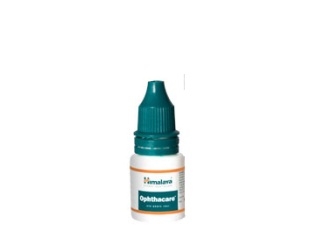


Ophthacare Eye Drops (Australia): Patient Guide
Ophthacare is an eye product used to relieve and protect the eye surface. It is designed to be convenient for everyday use, supporting comfort and helping maintain a healthy environment on the front of the eye (the ocular surface). This page explains how Ophthacare works, how to use it properly, and what to consider for safety and interactions.
Note: Product formulations can vary between brands and versions. Always check the exact label and packaging for the active ingredient(s) and strengths in the Ophthacare product you have purchased. If you are unsure, speak with a pharmacist.
Quick product facts
| Category | Ophthalmic eye drops |
|---|---|
| Common uses | Relief of dry/irritated eyes and ocular surface discomfort (varies by formulation) |
| How it works | Lubricates and/or supports the tear film and protects the eye surface |
| Typical dosing | Usually 1 drop in the affected eye(s) up to several times daily, depending on symptoms and product label |
| Time to notice comfort | Often within minutes (individual responses vary) |
| Food interactions | Generally minimal because the medicine is applied to the eye |
| Alcohol interactions | Usually no direct interaction, but alcohol can worsen dryness for some people |
What is Ophthacare?
Ophthacare is an ophthalmic (eye) solution intended for use on the surface of the eye. It is commonly chosen for symptoms such as:
- Dryness or grittiness
- Burning or mild irritation
- Discomfort from screens, air conditioning, wind, or contact with environmental irritants
- Support for ocular surface comfort, depending on the exact formulation
Some eye drops are designed purely for lubrication (artificial tears). Others may combine lubricating components with protective or conditioning agents. The most accurate description depends on your specific Ophthacare product’s ingredients—always refer to the box/label.
How Ophthacare works (mechanism of action)
The front surface of the eye is covered by a tear film that helps with:
- Comfort (reducing friction between the eyelid and cornea)
- Protection (forming a barrier against irritants)
- Clarity (maintaining a stable optical surface)
- Moisture balance (supporting hydration of the eye surface)
Ophthacare generally helps by one or more of the following:
- Lubricating the eye to ease the sensation of dryness
- Improving tear film stability so tears stay on the eye longer
- Protecting the ocular surface from irritation
- Supporting the normal function of the tear layer to help reduce symptoms
If your Ophthacare version contains preservative-free ingredients or special viscosity agents, it may feel “thicker” and last longer for some users.
Pharmacokinetics: how the body handles Ophthacare
Eye drops work locally. After instillation, the product spreads over the eye surface and mixes with tears. Most of the administered material is:
- Cleared from the eye via normal tear drainage through the tear ducts
- Partly diluted and removed by blinking and tear flow
- Only minimally absorbed into the bloodstream through the eye surface
Because systemic absorption is usually low, pharmacokinetic effects across the body are typically minimal. Exact absorption, distribution, metabolism and excretion depend on formulation and individual factors (for example, tear production, blinking pattern, and whether the product is preserved or preservative-free).
Typical indications (what it is used for)
Ophthacare may be used for:
- Dry eye symptoms (temporary relief of dryness, irritation, or burning)
- Comfort support for the ocular surface in people with environmental or screen-related eye strain
- General lubrication to reduce friction-related discomfort
- Adjunctive comfort when advised alongside other eye care measures
Important: If you have red, painful eyes, reduced vision, significant light sensitivity, discharge, or symptoms that worsen, seek professional assessment promptly. Eye drops for dryness are not intended to treat infections or serious eye conditions.
How to use Ophthacare (dosing and timing)
Always follow the dosing instructions on the package or as advised by your pharmacist.
Typical dosing (general guidance)
- Adults: Often 1 drop in the affected eye(s) up to several times daily depending on symptoms.
- Children: Use only if appropriate for the child’s age and condition. Ask a pharmacist if dosing is not clearly stated on the product label.
Some users may start more frequently (for example, during the day) and then reduce to maintenance dosing once comfort improves.
When to apply (timing)
- Use at times that match your triggers (for example, before bed, after screen time, or when in air conditioning).
- If you are also using other eye medicines, spacing matters (see below).
- If you miss a dose, apply it when you remember unless it is close to the next dose.
How to apply correctly (practical step-by-step)
- Wash and dry your hands.
- If needed, gently clean any debris from the eyelids using clean tissue.
- Look upward and pull the lower eyelid down to form a small “pocket”.
- Hold the bottle above the eye and apply 1 drop into the pocket without touching the eye or eyelids.
- Close your eye gently and press lightly at the inner corner of the eye (near the nose) for about 30–60 seconds to reduce drainage.
- Wipe away excess fluid with clean tissue.
- Replace the cap immediately.
If you wear contact lenses
- Check the product label for contact lens guidance. Some eye drops are safe with lenses; others require removal before use.
- If the label allows use with lenses, place drops without touching the lens tip and allow time before blinking heavily.
- If you are unsure, remove lenses first and wait before reinserting (commonly 15 minutes, but follow the product directions).
Food interactions
Because Ophthacare is administered to the eye, food interactions are not expected to be clinically significant. There is generally no need to adjust meals when using eye drops.
If you are taking other medicines (for example, for dry eye conditions or allergy), check whether any of them require timing around meals—your pharmacist can confirm based on the exact products.
Alcohol and medicine interactions
Alcohol: There is typically no direct interaction between alcohol and ophthalmic lubricating drops, but alcohol can worsen dehydration and may increase the feeling of dryness or irritation in some people.
Other medicines: The most important interaction is usually practical—spacing between different eye drops to avoid wash-out of one medicine by another.
- If you are using more than one eye product, separate them by at least 5–10 minutes.
- Use ointments last, if part of your regimen.
- If Ophthacare is used alongside medicated drops (for example, allergy drops), follow your pharmacist’s schedule.
For systemic medicines (tablets/capsules), significant interactions are generally unlikely due to low systemic absorption, but your pharmacist can confirm for your specific regimen.
Safety profile and side effects
Most people tolerate Ophthacare well. However, all eye products can cause side effects in some individuals.
Common mild effects
- Temporary blurred vision right after instilling (usually resolves quickly)
- Mild stinging or a feeling of wetness
- Temporary redness or irritation
Seek medical advice urgently if you experience
- Severe or worsening eye pain
- Sudden or persistent vision changes
- Marked swelling around the eye
- Significant discharge, fever, or symptoms suggesting infection
- Severe light sensitivity
- Symptoms of allergy such as hives, facial swelling, or breathing difficulty
General safety considerations
- Do not use longer than directed unless advised.
- Do not share eye drops with other people.
- Keep the bottle clean: avoid contact between the dropper tip and the eye.
- If you use it frequently, consider preservative-free versions if recommended (especially if irritation occurs).
Practical use tips for best results
- Consistency matters: Dry eye symptoms often improve gradually with regular use.
- Match triggers: Use before long screen sessions, flights, or time in air conditioning.
- Technique improves comfort: Correct drop placement and gentle inner-corner pressure reduce overflow and help the drop stay on the eye surface.
- Avoid touching the tip: Reduces contamination risk and helps maintain effectiveness.
- Consider blinking breaks: The “20-20-20” rule (every 20 minutes, look 20 feet away for 20 seconds) can help dryness.
- Hydration and humidity: Drink water as appropriate and consider using a humidifier if you are in very dry indoor air.
Alternative options (depending on the cause of symptoms)
Choosing the right eye product depends on why your eyes feel dry or irritated. Alternatives may include:
- Preservative-free lubricating drops for sensitive eyes or frequent use
- Gel or ointment formulations used at night for longer contact time
- Lubricating eye sprays (where available) for gentle support
- Allergy-targeted eye drops if symptoms are driven by itching and seasonal allergies (confirm product suitability)
- Options for eyelid-related dry eye (such as warm compresses and lid hygiene) if meibomian gland dysfunction is suspected
If you experience persistent symptoms despite lubricating drops, it may indicate underlying conditions (for example, blepharitis, allergy, or significant dry eye). A clinician or optometrist can help determine the best plan.
Market and legal context in Australia
In Australia, eye medicines are regulated by the Therapeutic Goods Administration (TGA). Depending on the active ingredients and intended use, products may be:
- Listed or registered therapeutic goods, and/or
- Provided under specific retail categories depending on the product’s classification
Availability online: Many lubricating eye drops are available through pharmacies and reputable online pharmacies, provided they meet Australian regulatory requirements. Always purchase from a trusted retailer that sources products lawfully and ensures appropriate storage and handling.
Recent guidance: In Australia, ongoing public health and clinical messaging has emphasised safe eye care, correct hand hygiene, and seeking prompt assessment for red-flag symptoms (pain, reduced vision, discharge, and sudden worsening). If you are unsure whether your symptoms are consistent with dryness, it is safer to consult an optometrist or medical practitioner.
Delivery, availability and what to expect
Ophthacare is typically stocked by Australian pharmacies and can often be delivered to metropolitan and regional areas. Delivery time varies based on your location, order cut-off times, and transport providers.
- Availability: Subject to stock levels; some sizes (for example, single packs vs multi-packs) may sell out sooner.
- Storage: Store according to label instructions—usually at room temperature and away from direct sunlight.
- Packaging: Products should arrive sealed and in an intact carton or pack.
- Check the expiry date: Confirm before use.
If you need regular refills for ongoing dry eye symptoms, consider ordering ahead—especially if you use drops frequently.
How long can you use Ophthacare?
For many people with mild to moderate dryness, lubricating eye drops can be used for extended periods. However, ongoing symptoms should be reviewed if:
- You need to use them more frequently to maintain comfort
- Your symptoms persist beyond the time stated on the label
- New symptoms appear (pain, light sensitivity, discharge, or vision changes)
Your pharmacist can also advise whether your symptoms warrant an eye examination.
Frequently asked questions (FAQ)
1) Is Ophthacare suitable for dry, irritated eyes?
Ophthacare is commonly used to relieve dryness and ocular discomfort by supporting the tear film and protecting the eye surface. If your symptoms are due to infection or an urgent eye condition, you should seek professional assessment rather than relying on lubrication alone.
2) How many times a day should I use it?
Follow the dosing directions on the product label. Many people use 1 drop in the affected eye(s) several times daily at first, then adjust based on symptom relief. If you are unsure, ask a pharmacist for guidance for your specific product strength and formulation.
3) Can I use Ophthacare with other eye drops?
Yes, in many cases. To reduce wash-out, allow a gap of 5–10 minutes between different eye drops unless the other product’s instructions say otherwise. Use ointments last if prescribed/used.
4) Will it affect my contact lenses?
Check the Ophthacare label for whether it is safe with contact lenses. Some eye drops can be used while wearing lenses; others require lens removal. When in doubt, remove lenses and follow the directions for reinsertion time.
5) Can I drive after using Ophthacare?
You may experience temporary blurred vision immediately after applying drops. Wait until your vision is clear before driving or operating machinery.
6) What if I accidentally miss a dose?
Apply the next dose at your usual time. Do not use extra drops to “catch up” unless your label or pharmacist advises otherwise.
7) What if the drops sting?
Mild, short-lived stinging can happen. Ensure the tip does not touch the eye and that the liquid is not expired. If stinging is significant or continues, stop use and consult a pharmacist or optometrist—your formulation may not suit your eyes.
8) How do I know if I should see a doctor?
Seek urgent advice if you have severe eye pain, marked redness, reduced vision, significant discharge, severe light sensitivity, or sudden worsening symptoms. These can indicate conditions that require prompt treatment.
9) Is there any interaction with alcohol or food?
Food interactions are generally not expected. Alcohol usually has no direct interaction, though it may worsen dryness for some people. If you are taking other medicines, keep spacing between eye products as described and consult a pharmacist for confirmation.
10) How should I store Ophthacare?
Store at the temperature and conditions listed on the label (often room temperature, protected from light). Keep the cap closed, and check expiry dates. Follow any instructions regarding use after opening (some products have a recommended discard period).
When to seek professional advice
If you have ongoing dryness or repeated discomfort, it can help to get your eyes assessed—especially if symptoms continue despite consistent use. An optometrist or doctor can check for underlying causes such as eyelid inflammation, meibomian gland problems, allergies, or issues with tear production.
For urgent symptoms (pain, discharge, or vision changes), don’t delay seeking care.
Always read the product label carefully. If you are pregnant, breastfeeding, have an eye condition, or use multiple eye products, talk to a pharmacist or optometrist to ensure the right approach for your situation.