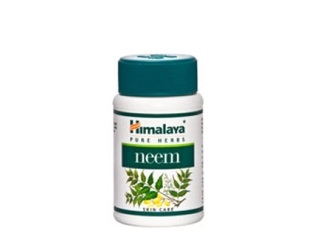
Neem (Azadirachta indica) – Product Information & Consumer Guide (Australia)
Neem is a natural product derived from the neem tree (Azadirachta indica), widely used in traditional medicine and increasingly popular as a dietary and wellness supplement. In Australia, Neem is commonly available as capsules, tablets, powders, teas, or topical preparations, depending on the product type and intended use.
This guide is designed to be patient-friendly and practical. It explains what Neem is, how it may work, typical uses, recommended timing, food and alcohol considerations, safety points, and what to know about availability and legal context in Australia.
Quick Overview
- Common names: Neem, Indian lilac, margosa
- Source: Leaves, bark, seeds, or oil of the neem tree
- Available forms: Capsules/tablets, powder, tea, topical gels/creams and oils (varies by retailer)
- Typical focus: General wellness support, skin and hygiene routines, and traditional uses related to immune and metabolic health
- Key caution: Neem oil and some neem preparations can be irritating and may be unsafe if taken inappropriately
- Always check the label: Dose and safety depend heavily on the specific product (leaf extract vs seed-derived oil vs topical preparation)
Basic Product Information
Neem is a botanical substance used as an ingredient in supplements and topical products. Neem’s most discussed active compounds include naturally occurring limonoids and flavonoids, which may contribute to its traditional effects.
In online pharmacies and supplement retailers, you will often see products described as:
- Neem leaf extract (usually for oral use in supplement form)
- Neem powder (commonly from leaf)
- Neem seed oil (often intended for topical or environmental uses; oral use varies by product and label)
- Topical neem products (creams/gels/shampoos may be used for skin/scalp routines)
Important: Not all neem products are meant to be taken by mouth. Always follow the product label or the advice of a qualified health professional for your specific product.
How Neem May Work (Mechanism of Action)
Neem has been studied for multiple biological activities. While evidence quality varies by condition and product type, the main proposed mechanisms include:
- Antimicrobial activity: Neem compounds may help inhibit the growth of certain microorganisms. This is one reason neem is used in traditional hygiene and skin-support routines.
- Anti-inflammatory properties: Some constituents are thought to influence pathways involved in inflammation, which may be relevant for skin comfort.
- Antioxidant effects: Neem contains naturally occurring antioxidants that may help reduce oxidative stress in the body.
- Metabolic support (traditional use): Neem is sometimes used in wellness routines that target blood sugar and lipid balance; results vary, and effects are not guaranteed.
What to expect: Neem is typically used as part of a broader wellness approach. It is not a quick “cure,” and benefits—if any—may develop gradually over time.
Pharmacokinetics: What We Know About Absorption & Processing
“Pharmacokinetics” describes what the body does to a substance—absorption, distribution, metabolism, and elimination. For neem, detailed pharmacokinetic data in humans is limited and depends on:
- the exact product (leaf extract vs seed oil vs powder)
- the dose and concentration
- whether compounds are standardized
- individual factors (gut health, metabolism, other medications)
In general, oral neem components may be absorbed to varying degrees and metabolised by the body, with effects influenced by formulation. Many studies focus on biochemical activity rather than precise blood-level concentrations.
Practical takeaway: Because human pharmacokinetics are not fully established for all neem products, it’s especially important to use products with clear labeling and directions and to monitor how you respond.
Typical Use in Australia
Neem is usually selected for wellness purposes. Common reasons people choose Neem products include:
- Skin and hygiene routines: Topical neem products are often used to support a cleansing routine for skin/scalp (always check product directions and patch test).
- General wellness: Some people use neem supplements to support overall health as part of diet and lifestyle changes.
- Traditional dietary use: Neem leaf powder or capsules are sometimes used in traditional approaches to wellness.
Note on “indications”: In Australia, consumer supplement products generally cannot claim to treat or cure diseases in the same way as medicines. Labels may make permitted health/wellness statements, depending on regulatory classification and evidence.
Indications (What Neem Products Are Commonly Used For)
Depending on the product type and regulatory classification, Neem products are commonly used for:
- Support of general wellbeing (wellness-oriented supplements)
- Skin comfort and cleansing routines (topical products)
- Traditional metabolic wellness support (some supplement labels—always read label claims carefully)
If you are using Neem for a specific health goal, look for:
- the product’s active ingredient and standardisation (if listed)
- the label directions for your form (capsule/powder/oil/topical)
- any contraindications or warnings on the label
Dosing: How Much to Take (General Guidance)
Dosing for Neem varies widely across brands and formulations. The safest approach is to follow the exact label directions for your specific product.
Typical oral dosing patterns (example ranges only)
Many oral neem leaf supplements list a daily dose based on the amount of neem leaf extract. Common patterns include:
- Once daily with a meal
- Twice daily dosing for some extracts (morning and evening)
- Powder dosing split through the day depending on taste and tolerance
Because neem products are not uniform, you should not substitute dosing between:
- leaf extract capsules vs leaf powder
- supplement vs neem oil
- oral vs topical products
How to start (sensible approach)
- Begin with the lowest label dose for the first few days.
- Increase only if tolerated and consistent with the product label.
- If you experience stomach upset, stop and reassess your plan.
Duration
Many people trial supplements for a period (for example, a few weeks) and then review how they feel and whether there are any measurable changes. If your goal is skin-related, topical routines are generally assessed over weeks, not days.
Timing: When to Take Neem
Many neem supplements are taken once daily or with meals to support comfort and reduce the chance of stomach irritation.
- Morning: suitable for daily routines if you tolerate it well.
- With food: commonly recommended for oral products.
- Evening: some people prefer evening dosing as part of a consistent routine.
Practical tip: Take Neem at the same time each day to help you remember and to monitor tolerance.
Food Interactions: What to Know
There is limited high-quality evidence on specific food-drug interactions with neem. However, practical guidance is available based on typical supplement behaviour and the fact that formulation matters.
- Taking with food may improve gastrointestinal comfort.
- If you have a sensitive stomach, consider taking it with a light meal rather than on an empty stomach.
- Avoid assuming “natural” means “no interaction.” If you’re managing a chronic condition, check with a pharmacist before starting.
Specific caution: Neem seed-derived oil products are more likely to be irritating or unsafe if taken orally. If your product contains “oil” or is marketed for topical use, do not take it by mouth unless the label explicitly instructs oral use.
Alcohol Interactions and Considerations
There is limited direct research on how alcohol interacts with neem supplements. However, as a general rule:
- Limit alcohol when starting a new supplement, so you can tell whether any side effects are from the product or alcohol.
- Be cautious if you have liver conditions or take multiple supplements/medications that may affect the liver.
If you notice nausea, dizziness, abdominal discomfort, or worsening symptoms after drinking alcohol while using Neem, stop and seek advice.
Safety Profile: Who Should Use Caution?
Neem is generally considered safe for many people when used according to the product label. Nevertheless, safety depends on:
- the neem part used (leaf vs seed vs oil)
- standardisation and dose
- your health status and other medicines
- potential allergic reactions
Common side effects (mostly gastrointestinal or skin-related)
- Nausea or stomach upset
- Cramping or diarrhoea (in some people)
- Headache or dizziness (less commonly)
- Skin irritation for topical products
Serious warning signs—seek medical advice
- Signs of an allergic reaction (rash, swelling, difficulty breathing)
- Severe abdominal pain, persistent vomiting, or dehydration
- Yellowing of the skin/eyes or very dark urine (possible liver-related symptoms)
When to avoid Neem or get advice first
- Pregnancy: avoid unless a qualified healthcare professional advises otherwise.
- Breastfeeding: consult a pharmacist or doctor before use.
- Children: safety depends on the product—check label age guidance.
- Diabetes or blood sugar-lowering treatment: neem is sometimes used for metabolic wellness; talk to a pharmacist about monitoring to avoid unwanted low blood sugar.
- Bleeding disorders or anticoagulant/antiplatelet medicines: because of potential effects on biological pathways, consult advice before use.
- Liver or kidney impairment: consider professional advice.
Allergen note: If you have sensitivities to plant extracts, start with a low dose and monitor for reactions.
Practical Use Tips (How to Get the Best Experience)
- Choose the right formulation: Ensure your product is specifically intended for the way you plan to use it (oral vs topical).
- Follow label dosing: Do not “increase for faster results.” Too much increases the chance of side effects.
- Start low: Especially if you have a sensitive stomach or are starting multiple supplements.
- Use consistent timing: Helps you track benefits and side effects.
- Topical products: patch test on a small area first. Stop if you get burning, intense redness, or itching.
- Hydration: If taking oral supplements and you’re prone to mild digestive effects, drink adequate water.
- Review your routine: If symptoms worsen, stop and seek advice.
Medicine Interactions: Alcohol and Other Medicines
Specific interactions between neem and prescription or non-prescription medicines can vary and depend on the product type. Because of limited definitive interaction studies in humans, it’s safest to approach Neem as you would any active supplement.
Potential interaction categories to consider
- Blood sugar medications: neem supplements are sometimes associated with metabolic effects. If you are on glucose-lowering treatments, discuss monitoring.
- Blood thinning medicines: if you use anticoagulants/antiplatelets, talk to a pharmacist before starting.
- Blood pressure medicines: any agent that may affect circulation or metabolism may warrant caution.
- Other supplements: combining multiple “herbal actives” increases the chance of side effects.
Alcohol considerations (practical)
- If you’re taking other medicines regularly, avoid heavy alcohol use while starting a new supplement.
- Alcohol may worsen stomach irritation and reduce your ability to notice early side effects.
Recommended approach: If you take regular medicines, speak with a pharmacist before using Neem, especially if you have diabetes, heart conditions, liver disease, or you are on blood-thinning therapy.
Alternative Options
If Neem isn’t suitable for you—or if you want alternatives for similar goals—consider options that match your specific intention (oral wellness vs skin cleansing).
Oral wellness alternatives
- Other botanicals with available standardized evidence (select based on your health goal)
- Probiotic supplements (for gut support routines)
- Omega-3 supplements (for general anti-inflammatory wellness goals, if appropriate)
Skin and scalp routine alternatives
- Gentle cleansers and moisturisers suited to your skin type
- Anti-dandruff or soothing scalp products where clinically appropriate
- Other plant-based topical ingredients designed for skin use with known tolerability
If you are using Neem for a condition like eczema, acne, psoriasis, or a persistent rash, it may be worth discussing evidence-based options with a pharmacist or doctor.
Market & Legal Context for Australia
In Australia, products sold as complementary medicines, vitamins and minerals, or therapeutic goods are regulated under Australian frameworks. Neem may appear as:
- a listed or registered complementary medicine (depending on classification)
- a vitamin/mineral or supplement product with permitted statements
- a topical skincare item that falls under a consumer goods pathway
Regulatory requirements impact what manufacturers can claim on labels and marketing materials. Consumer products generally cannot make unapproved claims that they treat, cure, or prevent diseases unless they are registered/approved for those claims.
Why this matters: You may see “wellness” language (support, helps maintain, contributes to) rather than disease treatment claims.
Recent guidance (consumer-oriented)
Australian regulators and the broader healthcare community continue to emphasise:
- Read label directions and adhere to dose instructions.
- Be cautious with herbal products—natural products can still cause side effects.
- Check safety for vulnerable groups (pregnancy, children, and those with medical conditions).
- Report unexpected side effects.
Product availability and permitted claims can change over time, so always check the item’s label and product page for the most current instructions.
Delivery, Availability & Where to Buy Online
Neem is commonly available through Australian online pharmacies and supplement retailers in multiple forms:
- Capsules/tablets: often for leaf extract (oral use)
- Powder: for traditional or routine intake (label dependent)
- Topical products: soaps, cleansers, creams, and scalp treatments
Delivery: Delivery time varies by provider, location, and stock levels. At checkout, you can typically see estimated delivery windows and shipping costs.
Availability: Stock may differ between popular brands and formulations. If you’re looking for a specific extract standardisation or dosage, check the ingredient list and “directions for use” section carefully.
FAQ
1) Is Neem safe to take?
Many people tolerate Neem leaf supplements when taken according to label directions. Safety depends on the product form (leaf extract vs oil), your health conditions, and other medications you use. If you’re pregnant, breastfeeding, or managing chronic conditions, seek advice before starting.
2) Can I take neem seed oil by mouth?
Some neem seed oil products are intended for topical or non-oral uses. Do not take neem oil by mouth unless the product label explicitly instructs oral use and provides safe directions.
3) How long does it take to feel effects?
For wellness and skin-support routines, changes—if they occur—often develop over weeks. If you experience side effects early, stop and reassess. If you don’t notice any benefit, you may choose to discontinue or speak with a pharmacist.
4) Should I take Neem with food?
Often, yes. Taking Neem with food may reduce the chance of stomach upset. Follow the label directions for your specific product.
5) Can Neem interact with diabetes medicines?
It may. Neem is sometimes used for metabolic wellness. If you take glucose-lowering medicines, discuss monitoring (including symptoms of low blood sugar) with a pharmacist before starting.
6) Can I drink alcohol while using Neem?
There’s limited direct evidence on interactions. To be cautious, keep alcohol moderate—especially when starting—so you can identify the source of any side effects.
7) Is Neem good for skin?
Topical neem products are used in skin and scalp routines. Results vary by skin type and the cause of the concern. Patch test first, stop if irritated, and consider evidence-based options for persistent conditions.
8) What should I do if I miss a dose?
If you miss a dose, take it when you remember if it’s close to the next scheduled time. Otherwise, skip and continue with your usual schedule. Do not double dose.
9) How should I store Neem?
Follow the product label. Many supplements should be stored in a cool, dry place away from direct sunlight, with the lid closed tightly.
Product Comparison (Example Guide)
Use the table below to help you compare common Neem product types and understand what to check on the label. Always follow your specific product’s instructions.
| Neem product type | Common uses | Typical route | Key label checks |
|---|---|---|---|
| Neem leaf extract | Oral wellness routines | Oral (capsules/tablets) | Daily dose, extract standardisation, “Directions for use,” any warnings |
| Neem leaf powder | Traditional intake | Oral (powder) | Recommended serving size, taste/tolerance guidance, expiry date |
| Neem seed oil | Often topical or non-oral uses | Varies by label (commonly topical) | Whether oral use is explicitly permitted; irritation warnings; ingredient purity |
| Topical neem skincare | Skin and scalp routines | Topical | Patch test guidance, skin type compatibility, active ingredient % |
Final Notes
Neem can be a useful addition to a wellness routine when chosen carefully and used as directed. Always:
- select the correct formulation for your intended route (oral vs topical)
- follow label directions for dosing and timing
- consider your medical history and current medicines
- stop and seek advice if you experience concerning side effects
If you’d like, share the exact Neem product name and form (capsules, powder, topical, or oil) and your health goals, and you can help ensure the guidance matches the product you’re considering.