

Pilex Capsules (Australia) — Patient Information
Pilex is an oral herbal medicine commonly used to help relieve symptoms associated with piles (haemorrhoids). This patient-friendly guide explains what Pilex is, how it works, how to take it, what to expect, and important safety considerations for use in Australia.
Note: Product formulations and directions can vary by brand and country. Always read the package label and follow the instructions supplied with your Pilex product.
Quick Overview
- Common uses: Relief of discomfort from piles/haemorrhoids
- How it works: Herbal ingredients that may help reduce inflammation and support healing
- How to take: Usually oral capsules taken at regular times each day
- When to take: Often taken with or without food (follow your label); many people prefer with meals to reduce stomach upset
- Key safety focus: Monitor for allergic reactions and digestive upset; consider drug–herb interactions
- Typical course: Symptom improvement is often noticed over several days, but follow the recommended duration
Basic Product Information
Product: Pilex Capsules
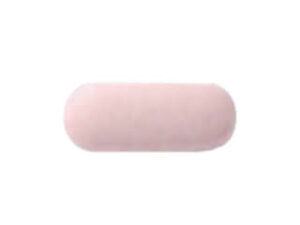
Dosage form: Oral capsules
Active ingredients: Pilex typically contains a combination of herbal components used in traditional medicine for piles. The exact ingredient profile and strengths can vary by formulation—please confirm the ingredients and amounts on your specific Australian pack.
Where it may be available: Some Pilex products are sold via pharmacies and online pharmacies in Australia. Availability can vary due to supplier changes and regulatory updates.
What Are Piles (Haemorrhoids)?
Piles are swollen veins around the anus and lower rectum. They may cause:
- Bleeding (often bright red)
- Itching or burning
- Pain or discomfort during bowel movements
- Lump or swelling near the anus
- Oozing or irritation
Symptoms can fluctuate and may worsen with constipation, straining, prolonged sitting, or low-fibre diets. While Pilex may help relieve symptoms, addressing constipation and improving stool consistency are often equally important.
Indications: When Pilex Is Used
Pilex is commonly used as a supportive treatment for symptoms of piles (haemorrhoids), including:
- Anal discomfort
- Itching and irritation
- Pain or burning sensation
- Swelling and inflammation
- Mild bleeding associated with haemorrhoids (if present)
If symptoms are severe, persistent, or you notice significant rectal bleeding, seek medical advice promptly to rule out other causes.
Mechanism of Action (How Pilex Works)
Pilex is an oral herbal product. While individual ingredients differ by formulation, herbal blends used for haemorrhoids typically aim to:
- Reduce inflammation: Some herbal constituents may help calm inflammatory processes in the affected area.
- Support tissue repair: Ingredients may be intended to help the body manage irritation and recovery.
- Help relieve swelling: By supporting local comfort and reducing inflammatory swelling, symptoms like discomfort and itching may ease.
- Support circulation and vein health: Traditional use often targets the underlying venous congestion associated with haemorrhoids.
Important: The exact mechanism for each ingredient can be complex, and clinical response varies between people. Use the product as directed and combine with lifestyle measures for best results.
Pharmacokinetics (Absorption, Distribution, Metabolism, Excretion)
Because Pilex is a multi-ingredient herbal medicine, formal pharmacokinetic studies may not be available in the same detail as for conventional single-ingredient drugs. In general, herbal constituents may:
- Absorb: Active components may be absorbed in the gastrointestinal tract to varying degrees.
- Metabolise: Many phytochemicals are metabolised in the liver and other tissues.
- Excrete: Metabolites may be eliminated via bile and/or urine.
What this means for you: Herbal medicines often work over days rather than immediately. If your symptoms do not improve after the recommended period, reassess your treatment plan and consider medical guidance.
Typical Use and Expected Timing
Many people use Pilex to help manage discomfort from haemorrhoids. Typical expectations:
- Early relief: Some symptom relief may be noticed within a few days.
- Steadier improvement: It may take longer to see reduced itching, swelling, and pain.
- Consistency matters: Taking capsules regularly as directed is important.
Duration: Follow the dosing schedule on your pack or from your healthcare professional. If you are unsure, ask a pharmacist for tailored advice.
Dosing (How to Take Pilex)
Always check the label for the exact dose for your specific Pilex product, because formulations may differ.
| Aspect | Typical approach (follow your pack) |
|---|---|
| Age group | Use according to label directions for adults/children (some products are adult-only) |
| How often | Usually taken multiple times daily as directed (e.g., two to three times daily) |
| How much | Number of capsules per dose depends on strength and label instructions |
| Best time | Regular intervals; many people find it easiest to take with meals to reduce stomach upset |
| Course length | Continue for the recommended duration; review if no improvement |
Practical tip: Set a reminder on your phone to support consistent dosing, especially if you take it during a work schedule.
Timing: When to Take Pilex During the Day
There is no one “perfect” timing for all users. In practice, many people choose timings based on bowel habits and comfort:
- With meals: Helps some people avoid nausea or stomach discomfort.
- Consistent intervals: Taking doses at similar times each day can help maintain steady exposure.
- Before anticipated bowel movements (optional): Some people prefer doses earlier in the day. However, follow label directions rather than attempting to target a specific bowel movement.
If you miss a dose, do not double up. Take the next dose at the usual time (unless the label states otherwise).
Food Interactions
Herbal medicines may interact with food in subtle ways, depending on how their active constituents behave in the gut. For Pilex, typical guidance includes:
- With or without food: Many users can take capsules with water either with meals or between meals. Follow your pack instructions.
- High-fat meals: Some herbal constituents may be absorbed differently with fatty meals. If you notice stomach upset or no benefit when taken at a certain time, consider taking with a lighter meal.
- Hydration and fibre: For haemorrhoid symptoms, adequate fluid intake and fibre are crucial to reduce constipation and straining.
If you have a sensitive stomach, consider taking with food.
Alcohol and Medicine Interactions
Because Pilex is a herbal product, specific alcohol interaction data may be limited. However, as a general safety approach:
- Avoid or limit alcohol while symptoms are active, as alcohol can worsen dehydration and constipation in some people.
- Watch for side effects: If you experience dizziness, nausea, or stomach upset after combining alcohol and Pilex, stop alcohol and consult a pharmacist.
Drug interaction caution: Herbal products can interact with prescription and over-the-counter medicines. If you take blood thinners, immunosuppressants, diabetes medicines, blood pressure medicines, or other long-term treatments, check with a pharmacist before use.
Safety Profile: Who Should Be Careful?
Most people tolerate Pilex well when used as directed. However, safety considerations are important.
Common side effects
- Mild gastrointestinal upset (e.g., nausea, stomach discomfort)
- Diarrhoea or changes in bowel habits (less commonly)
- Headache or mild dizziness (uncommon)
Seek urgent advice if
- Signs of allergy occur (rash, hives, swelling of lips/face, breathing difficulty)
- Severe abdominal pain
- Significant or ongoing rectal bleeding
Who should ask a pharmacist first
- Pregnant or breastfeeding (ask before use)
- Children (use only if label indicates safety for that age)
- People with chronic medical conditions (liver, kidney, bleeding disorders)
- People taking other medications, especially those affecting bleeding risk or liver metabolism
Practical Use Tips for Best Results
Medicines like Pilex may help reduce haemorrhoid symptoms, but lifestyle steps are often the difference between short-term relief and longer-term improvement. Try these practical strategies:
- Prevent constipation: Aim for regular, soft bowel movements.
- Increase fibre gradually: Include fruits, vegetables, whole grains, and consider a fibre supplement if needed.
- Drink water: Adequate hydration supports softer stools.
- Don’t strain: Avoid forcing bowel movements; use the bathroom when you feel the urge.
- Limit sitting on the toilet: Prolonged toilet time can worsen symptoms.
- Warm sitz baths: Warm water soaks can ease discomfort alongside oral treatment.
- Gentle hygiene: Use mild, unscented products; avoid harsh wiping.
- Track symptoms: Note bleeding, pain level, and triggers (e.g., constipation, heavy lifting).
If symptoms persist beyond the recommended treatment window or keep recurring, consult a healthcare professional for further evaluation.
Alternative Options
If Pilex isn’t suitable for you, or if symptoms don’t improve, several alternatives may be considered depending on severity and cause.
Non-medicine options
- Dietary fibre and hydration to reduce straining
- Osmotic laxatives (available without prescription, check with a pharmacist)
- Warm sitz baths and gentle anal care
- Topical haemorrhoid products (creams/ointments/suppositories)
Other medicine types (depending on product availability)
- Topical anti-inflammatory or barrier creams for symptom relief
- Local anaesthetics for pain relief (short-term use)
- Combination products that target inflammation, itching, and pain
Your pharmacist can help you choose based on your symptoms (pain, itching, bleeding, swelling) and any existing medical conditions or medications.
Australia: Market and Legal Context
In Australia, herbal and complementary medicines are generally regulated under the Australian regulatory framework for complementary medicines. Products sold to consumers typically carry indications and usage directions consistent with their regulatory status.
What this means for shoppers:
- Only products that meet Australian requirements are listed by reputable pharmacies.
- Packaging and instructions may vary by brand and supplier.
- Always verify the exact product name and directions on the label you receive.
Recent guidance and updates: Over time, guidance for consumers and listings can evolve—particularly around quality assurance, labelling, and claims. To stay informed, rely on the product label and consult a pharmacist for the latest context.
Delivery and Availability (Online Pharmacy)
Availability of Pilex can vary between online pharmacies and by state, due to stock cycles and supplier distribution. When ordering online in Australia, reputable pharmacies typically provide:
- Clear product listing details (strength, capsule count, and form)
- Estimated dispatch and delivery times
- Secure packaging to protect capsules
- Tracking information where available
Storage: Keep capsules in a cool, dry place, away from direct sunlight, and store according to label instructions.
Stock changes: If your preferred Pilex variant is temporarily unavailable, the pharmacy may suggest an equivalent option or an alternative product for haemorrhoid relief.
Safety FAQs
FAQ About Pilex
1. How long does it take for Pilex to work?
Many people notice some symptom improvement within a few days. If you’re not getting relief within the time period recommended on the label, stop and speak to a pharmacist or healthcare professional for review.
2. Can I take Pilex with other haemorrhoid treatments?
Often, supportive approaches can be combined—such as fibre, hydration, and warm sitz baths. If you plan to use additional medicines (especially topical products or laxatives), ask a pharmacist to ensure the combination is appropriate for your situation.
3. Is Pilex suitable for everyone with piles?
Pilex is intended for supportive relief of haemorrhoid symptoms. However, not all causes of rectal discomfort are haemorrhoids. If you have significant bleeding, pain that is worsening, fever, or unexplained symptoms, seek assessment promptly.
4. Does Pilex interact with other medicines?
Herbal products can interact with other medications. If you take medicines for blood clotting/bleeding risk, diabetes, high blood pressure, autoimmune conditions, or any long-term treatments, consult a pharmacist before starting Pilex.
5. What should I do if I miss a dose?
Take your next dose at the usual time. Do not double up unless the label specifies otherwise.
6. Can I drink alcohol while using Pilex?
There is no universal “no alcohol” rule for all herbal medicines, but it’s sensible to limit alcohol while symptoms are active. Alcohol can worsen dehydration and constipation for some people. Stop alcohol and seek advice if you experience side effects.
7. What foods should I avoid?
There are typically no specific “must avoid” foods for Pilex. For haemorrhoid management, focus on a fibre-rich diet, adequate water intake, and avoiding constipation triggers.
8. Are there any warning signs that mean I should get checked urgently?
Yes. Seek urgent medical advice if you have heavy rectal bleeding, black/tarry stools, severe or rapidly worsening pain, fever, or symptoms that do not improve or keep recurring.
9. Is Pilex safe during pregnancy or breastfeeding?
If you are pregnant or breastfeeding, it’s best to ask a pharmacist or healthcare professional before use, because herbal ingredient safety can vary and evidence may be limited.
10. Can Pilex be used for children?
Only use Pilex for children if the label indicates the product is suitable for that age group. If you’re unsure, ask a pharmacist.
When to Seek Professional Advice
Consider speaking with a pharmacist or healthcare professional if:
- Your symptoms are severe or rapidly worsening
- You have ongoing bleeding
- You have recurring haemorrhoid symptoms
- You have not improved after following the recommended course
- You have significant changes in bowel habits without a clear cause
Summary
Pilex Capsules is an oral herbal medicine used to support relief of symptoms associated with piles (haemorrhoids). It’s typically taken at regular times each day, and many people start to notice improvement within a few days. For best outcomes, combine Pilex with constipation prevention strategies—such as fibre, hydration, and avoiding straining.
If you have questions about dosing, food or medication interactions, or if symptoms are persistent or concerning, consult a pharmacist for tailored guidance.