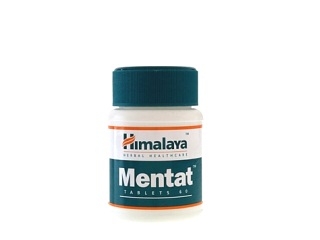


Mentat (Herbal Tonic) – Patient-Friendly Guide (Australia)
Mentat is a herbal supplement traditionally used to support memory, concentration, and general mental performance. Many Australians use it as part of a broader routine for wellbeing—alongside healthy sleep, regular physical activity, and a balanced diet.
This page explains how Mentat is used, how it may work in the body, what to consider with food and alcohol, practical tips for safe use, and common questions. Always follow the directions on the product label and speak with a healthcare professional if you have any concerns.
Quick Facts
- Product type: Herbal supplement (tonic)
- Common use: Supports memory and concentration
- Who may consider it: Adults seeking cognitive support as part of a healthy lifestyle
- How it’s taken: Usually oral tablets/capsules (follow label for the exact form and dose)
- Key safety approach: Avoid exceeding the recommended dose; review interactions and contraindications
Basic Product Information
| Category | What to know |
|---|---|
| Brand | Mentat |
| Form | Herbal supplement form varies by market (commonly tablets or capsules). Check your specific pack. |
| Ingredients | Mentat formulations typically include a blend of herbal ingredients. Refer to the label for the exact ingredient list and strengths. |
| Who it’s for | Adults and older children only if appropriate for the formulation (follow label guidance and medical advice). |
| Where to use | Home use as a supplement. Not intended to replace medical care. |
Important: Ingredient profiles can vary between products and batches. For the most accurate information, always check the specific Mentat label you are buying.
How Mentat Works (Mechanism of Action)
Mentat is marketed to support cognitive function. While herbal supplements are complex and often contain multiple active constituents, the overall rationale is typically based on one or more of the following mechanisms:
- Neuro-support & antioxidant activity: Many herbal ingredients used in “memory support” formulations contain compounds that may help reduce oxidative stress, which can affect brain cells.
- Cholinergic or neurotransmitter support: Some herbal constituents are traditionally used to support neurotransmission involved in attention and memory.
- Anti-inflammatory effects: Chronic low-grade inflammation may be relevant to cognitive decline, and some herbal components are used for their anti-inflammatory properties.
- Stress and fatigue resilience: If your mental performance feels “drained” due to stress or lack of sleep, these ingredients may be used to support general wellbeing.
What to expect: Herbal supplements usually work gradually. Results—if they occur—often build over days to weeks as part of a consistent routine.
Pharmacokinetics (What Happens in the Body)
Because Mentat is a multi-ingredient herbal supplement, exact pharmacokinetic properties (absorption, distribution, metabolism, and excretion) are not always fully characterised for every component.
In general:
- Absorption: Herbal constituents may be absorbed through the gastrointestinal tract, with absorption varying by ingredient type (e.g., whether compounds are fat-soluble or water-soluble).
- Metabolism: Many plant compounds are processed in the liver and other tissues. Metabolism can vary by person.
- Distribution: Some constituents may reach the bloodstream and tissues, including the brain, though the extent varies by ingredient and chemistry.
- Elimination: Metabolites are typically excreted via urine and/or bile.
Practical takeaway: Consistency matters. If you stop and restart, effects may take time to re-develop. For best results, follow the label dosing schedule.
Typical Use & Indications (What It’s Used For)
Mentat is commonly used to support:
- Memory and recall
- Concentration and attention
- Learning ability (e.g., study support)
- General mental performance
Clinical note: Herbal supplements are often used as “support” rather than treatment. If you have significant memory problems, mood changes, or cognitive decline, it’s important to discuss these with a healthcare professional.
How to Take Mentat: Timing & Routine
Use Mentat according to the instructions on your product label. If your label does not specify timing, a common approach is:
- Once daily routines: Take at a consistent time each day (many people prefer morning or early afternoon).
- Split dosing (if instructed): Take doses spaced across the day to support steadier exposure.
Why consistency matters: Your body may need time to adjust to a supplement routine. Many users report noticeable changes only after several weeks.
If you miss a dose: Take it when you remember unless it is close to the next scheduled dose. Do not double up.
Food Interactions
In general, herbal supplements can be taken with or without food, but the best approach depends on the specific ingredient blend and how your stomach feels.
- Taking with food: Often helps reduce stomach upset and may improve tolerance.
- Taking on an empty stomach: Some people prefer this, but it may increase the chance of nausea or indigestion for sensitive users.
Dietary considerations: There are no universal food restrictions for all Mentat products, but you should still consider the following:
- If you’re prone to acid reflux or nausea, take Mentat with meals.
- Maintain a balanced diet—supplement effects can be limited if nutritional needs are not met.
- If Mentat contains herbs that can affect blood sugar or blood thinning in some cases (varies by formulation), discuss with a clinician if you have relevant conditions.
Tip: If you experience stomach discomfort, try taking it with your largest meal and reassess tolerance.
Alcohol & Medicine Interactions
Alcohol
Because Mentat is a supplement, direct interactions with alcohol are not always clearly defined. However, it’s generally advisable to:
- Limit alcohol if you are using Mentat to support cognitive performance.
- Avoid heavy drinking, as alcohol can impair memory, sleep quality, and concentration.
Interactions with other medicines
Herbal supplements can potentially interact with prescription and over-the-counter medicines. This can increase side effects or reduce effectiveness.
Discuss with a healthcare professional or pharmacist if you take any of the following classes (depending on the Mentat ingredient profile on your pack):
- Blood thinners or medicines that affect bleeding
- Diabetes medicines (if herbs affect blood sugar)
- Antidepressants or sedatives (for possible effects on the nervous system)
- Anticonvulsants or neurological medicines
- Anti-hypertensives (if any ingredients may influence blood pressure)
Practical approach: Keep an up-to-date list of all medicines and supplements you take and review it with a pharmacist—especially if you’re starting Mentat for the first time.
Dosing: How Much to Take
Always follow the dosing instructions on your Mentat label. Doses vary depending on the formulation and concentration.
As a general example of how products are often taken (not a substitute for your label):
- Adults: Typically one or more tablets/capsules daily.
- Children: Only use if the label states it is appropriate and a healthcare professional agrees.
Do not exceed the recommended amount: Taking more does not necessarily improve results and can increase the risk of side effects.
Duration of use: Many people use supplements for at least several weeks to judge benefit. If you notice no change after an appropriate trial period, discuss with a healthcare professional.
Safety Profile & Side Effects
Mentat is generally considered safe when used according to label directions. However, all supplements can cause adverse reactions in some people.
Common or possible side effects
Depending on individual sensitivity and the specific Mentat formula, possible effects may include:
- Gastrointestinal discomfort (e.g., nausea, mild upset stomach)
- Headache (uncommon)
- Allergic reactions (rare, but possible with any herbal product)
Serious warning signs (seek medical advice urgently)
- Rash, swelling of face/lips, trouble breathing
- Severe or persistent vomiting/diarrhoea
- Unusual bruising or bleeding (if you also take blood-thinning medicines)
Who should be extra cautious
- Pregnant or breastfeeding individuals: safety data for herbal blends may be limited—seek medical advice.
- People with liver or kidney disease: herbal constituents are metabolised in the body; caution is advised.
- People with chronic conditions or those taking multiple medicines: check interactions.
- People with allergies to herbal ingredients
Stop use and seek advice if you experience unexpected symptoms.
Practical Use Tips
- Start steadily: Begin with the labelled dose. If you are sensitive, take with food.
- Be consistent: Take at the same time each day for better routine.
- Track changes: If you’re using Mentat for focus or memory, consider noting outcomes such as how easily you study, your concentration level, and your perceived mental fatigue.
- Support it with lifestyle: Sleep, hydration, and regular movement strongly influence cognitive performance.
- Avoid stacking multiple “brain” supplements: Using several products at once can make side effects and interactions harder to manage.
- Read the label every time: Ingredients and strengths can change between versions.
Alternative Options for Cognitive Support
If you’re considering Mentat, it may be helpful to know about other ways people support memory and concentration. Alternatives can include:
Other supplements
- Omega-3 fatty acids (e.g., fish oil) – often used for brain health support
- Magnesium – may help if sleep quality or muscle tension affects rest
- B-vitamins – particularly if dietary intake is low (e.g., B12, folate)
- Ginkgo biloba – sometimes used for circulation-related cognitive support
- L-theanine – used for calm focus (often alongside caffeine)
Non-supplement alternatives
- Sleep optimisation (consistent bedtime, limiting late caffeine)
- Physical exercise (aerobic and strength training)
- Stress management (breathing exercises, mindfulness, therapy)
- Cognitive habits (spaced repetition for learning, active recall, note-making)
Choosing between options: If you have medical conditions or take medicines, ask a pharmacist to help compare safety and interaction risks.
Mentat in the Australian Market: Legal & Regulatory Context
In Australia, complementary medicines and herbal products are regulated within the framework administered by Australia’s regulatory bodies. Labels, claims, and product categorisation are important.
- Quality and compliance: Reputable products are expected to be manufactured and labelled to meet applicable regulatory standards.
- Health claims: Complementary medicines may have specific allowable indications and wording. Claims should be consistent with approved information.
- Traceability: Legitimate sellers provide clear product information such as ingredient lists, dosage instructions, batch/expiry details, and manufacturer information.
What this means for you: Choose products from reputable suppliers, check the label for exact ingredients and instructions, and avoid products with unclear or missing manufacturing details.
Recent Guidance & Ongoing Safety Considerations
Ongoing guidance for herbal and complementary medicines typically emphasises:
- Reading the label and using products only as directed
- Checking interactions when taking other medicines (especially blood thinners and diabetes medicines)
- Monitoring for side effects and stopping if reactions occur
- Consulting professionals if symptoms are severe, persistent, or worsening
Practical note: If you’re using Mentat while managing health conditions, it’s wise to review your supplement plan periodically with a pharmacist or GP—particularly when new medicines are started or doses are changed.
Delivery & Availability in Australia
Mentat may be available through online pharmacy and approved retail channels depending on the specific product version and distribution arrangements.
What you can expect when ordering online:
- Clear product details: Ingredient list, form (e.g., tablets/capsules), pack size, and expiry information displayed where available.
- Secure packaging: Supplements are typically shipped in protective packaging to reduce damage.
- Delivery timeframes: Delivery times vary by location and dispatch schedules—check at checkout for the most accurate estimate.
Stock availability: Popular complementary products can sell out. If your preferred pack size is unavailable, consider alternative pack sizes or restock alerts (if offered).
FAQ: Mentat (Australia)
1) What is Mentat used for?
Mentat is used by many people to support memory, concentration, and general mental performance. It’s commonly taken as a daily routine alongside healthy lifestyle habits.
2) How long does it take to work?
Herbal supplements often work gradually. Some people notice changes within a few weeks, while others may need a longer consistent routine. If you don’t feel any benefit after following label directions for a reasonable trial period, consider discussing with a healthcare professional.
3) How should I take Mentat—morning or night?
Follow your label instructions. Many people prefer morning or early afternoon to match their daily routine. If your label doesn’t specify timing, choose a consistent time and assess how you feel.
4) Can I take Mentat with food?
Often yes. If Mentat upsets your stomach, taking it with food may improve comfort. If you want to take it on an empty stomach, test tolerance carefully and stop if you experience nausea or discomfort.
5) Are there any foods I should avoid?
There are no universal dietary restrictions for all Mentat formulas. However, if you have conditions such as diabetes, bleeding disorders, or liver disease, discuss with a pharmacist to ensure the ingredient blend is appropriate for you.
6) Can I drink alcohol while taking Mentat?
Moderation is recommended. Heavy alcohol use can impair sleep and memory, which may counteract the reasons you’re taking a cognitive support supplement.
7) Does Mentat interact with other medicines?
It may. Herbal ingredients can interact with medicines such as blood thinners, diabetes medications, and medicines affecting the nervous system. If you take any regular medicines, check with a pharmacist before starting.
8) Is Mentat safe for everyone?
Not necessarily. People who are pregnant or breastfeeding, those with significant medical conditions, and those on multiple medicines should seek professional advice first. Always review the label for contraindications and warnings.
9) What should I do if I miss a dose?
Take it when you remember unless it’s close to the next dose. Don’t double up.
10) When should I stop taking Mentat?
Stop if you experience an allergic reaction or significant side effects. If symptoms persist or worsen, seek medical advice.
Summary
Mentat is a herbal supplement commonly used to support memory and concentration. When taken consistently and according to label directions, many users incorporate it into a daily routine aimed at improving mental performance. As with any supplement, it’s important to consider food tolerance, alcohol moderation, and potential interactions with other medicines—especially if you have underlying health conditions.
For personalised advice, consult your pharmacist or healthcare provider, particularly if you’re taking other medications or have medical concerns.