

Mysoline (Primidone) — Patient Information (Australia)
Mysoline is a brand of primidone, a medicine used mainly to treat certain types of seizures. This guide is written to help you understand how primidone works, how it’s usually taken, what to expect, and important safety information. It is designed for patients and carers in Australia.
Quick Overview
- Medicine name: Mysoline (primidone)
- Type: Antiepileptic (antiepileptic/anti-seizure) medicine
- Common uses: Tonic-clonic seizures, certain focal seizures, and off-label prevention of some types of tremor (e.g., essential tremor) depending on clinical assessment
- How it works: Reduces abnormal electrical activity in the brain and helps stabilise nerve signalling
- How it’s taken: Usually by mouth, once or more daily depending on your regimen
- Key safety note: Drowsiness, dizziness, and nausea can occur, especially when starting or increasing dose
Basic Product Information
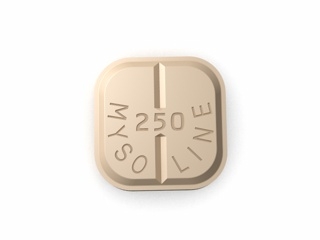
Mysoline contains primidone. Available strengths and presentations can vary, so always check the label on your package for the exact strength and form. In Australia, primidone is supplied through established pharmaceutical supply channels.
Important: If you have been switched between brands or generic forms, your dose may need careful review to ensure you continue to receive the correct amount of medicine.
Mechanism of Action (How Mysoline Works)
Primidone is converted in the body to active metabolites, including phenobarbital. It works through multiple effects that help reduce seizure activity, particularly by:
- Enhancing inhibitory signalling in the brain (helping “calm” overactive nerve activity)
- Reducing spread of abnormal electrical activity across brain networks
- Modulating neurotransmitter pathways that influence neuronal excitability
For tremor conditions, the same brain-calming properties may help reduce the intensity and frequency of tremor. Your clinician will decide whether primidone is suitable for your specific condition.
Pharmacokinetics (Absorption, Distribution, Metabolism, Elimination)
Pharmacokinetics describes what the body does to a medicine. Understanding these processes helps explain when effects may be felt, why dosing can take time, and why interactions can occur.
Absorption
Primidone is absorbed after oral administration. Peak levels may occur within hours, but exact timing can vary between people.
Distribution
Primidone and its metabolites distribute throughout body tissues and can cross into the brain. It may also pass into breast milk and, depending on pregnancy status, cross the placenta (discuss if relevant).
Metabolism
Primidone is metabolised in the liver. A key feature is conversion to phenobarbital and other metabolites. This can influence both effectiveness and interactions with other medicines.
Elimination
Elimination occurs mainly through metabolism and excretion of metabolites. The presence of long-acting metabolites (such as phenobarbital) can contribute to a longer overall effect.
Typical Use
Mysoline (primidone) is typically used as an antiepileptic medicine to manage seizures. It may be used:
- As adjunct therapy (with other seizure medicines) for certain seizure types
- In some cases as a single treatment option, depending on seizure type and patient factors
- For tremor in selected patients where it is clinically appropriate (often when other measures are not sufficient)
Indications (When Mysoline May Be Used)
Indications are decided by the treating clinician based on the medical diagnosis and the approved scope of use. Commonly, primidone is indicated for seizure disorders such as:
- Tonic-clonic seizures
- Some focal seizures (depending on your overall treatment plan)
Your prescribing clinician will determine the best option for your specific condition and may consider alternative or add-on treatments where appropriate.
Dosing (How Much and How to Take It)
Dosing for primidone is individualised. Many patients start on a low dose and increase gradually to improve tolerability. This helps reduce early side effects such as drowsiness, dizziness, and nausea.
General Dosing Principles
- Start low, go slow: gradual dose increases are commonly used.
- Split dosing: some regimens divide the daily dose to reduce side effects.
- Regular timing: take doses at similar times each day.
- Do not stop abruptly: sudden discontinuation can worsen seizures or cause withdrawal symptoms.
Example Timing Schedule (Illustrative)
Your exact schedule may differ. The following is a general example of how dosing may be structured when taken more than once daily. Use your label directions as the primary guide.
| Regimen Type (Example) | Morning | Evening | Notes |
|---|---|---|---|
| Once daily (simple regimen) | At your chosen time | — | Often chosen to suit drowsiness patterns |
| Twice daily (common split) | After breakfast | After dinner | Helps smooth side effects |
| Three times daily (selected cases) | After breakfast | After lunch or mid-afternoon | After dinner |
If You Miss a Dose
- Take it when you remember if it is close to the next scheduled time.
- Skip the missed dose if it’s nearly time for the next one.
- Do not double up to make up for a missed dose.
- If missed doses are frequent or a large number has been missed, contact your pharmacist or clinician for advice.
Timing and How Soon You May Notice Effects
With seizure medicines like primidone, improvement can be gradual. Because primidone is metabolised and its metabolite effects can build over time, it may take days to weeks to reach stable benefit, especially after dose changes. Some side effects may appear early and then settle as your body adjusts.
For tremor symptoms (where prescribed), changes may also be gradual. Consistency with dosing timing is important for best results.
Food Interactions (Can You Take Mysoline With Meals?)
Primidone may be taken with or without food, but taking it with food can help reduce stomach upset and nausea, which are common early side effects. If your medicine causes drowsiness, taking it when you can be resting or in the evening may feel more comfortable (follow your clinician’s guidance).
- Choose a routine: take it at the same times each day.
- If nausea occurs: consider taking it with meals or after food (if allowed by your regimen).
- Avoid sudden dietary changes: while food interactions aren’t usually the main issue, general health stability supports seizure control.
Alcohol Interactions (Important)
Alcohol can increase the risk of drowsiness, dizziness, slowed reaction time, and coordination problems when combined with primidone. It may also worsen seizure control in some people.
- Avoid alcohol if possible, especially when starting primidone or after dose increases.
- If you do drink alcohol, discuss safe limits with your clinician or pharmacist.
- Do not drive or operate machinery if you feel sleepy or unsteady.
Medicine Interactions (Other Medicines and Supplements)
Primidone can interact with other medicines because it can affect drug metabolism in the liver (including via enzyme induction). This means it may change blood levels of certain drugs, potentially making them less effective or increasing side effects from others.
Common Interaction Categories
- Other antiepileptic medicines: the overall combination is managed to improve seizure control and minimise side effects.
- Sedatives and medicines that cause drowsiness: increased sleepiness and impaired coordination risk (e.g., some sleeping pills, anxiety medicines, strong antihistamines).
- Hormonal contraceptives: primidone may reduce effectiveness of some hormonal options in some cases—ask your pharmacist or clinician about reliable contraception.
- Warfarin and some blood thinners: enzyme induction may affect clotting control—requires monitoring if used.
- Some antidepressants, antifungals, antibiotics, and antivirals: levels may change; monitoring may be needed.
Herbal and Over-the-Counter Products
- Do not assume that supplements are safe with primidone.
- Tell your pharmacist about all products, including herbal remedies and natural sleep aids.
Safety Profile (What to Watch For)
Like all medicines, primidone can cause side effects. Many are most noticeable at the start of treatment or after increasing the dose. Your dose may be adjusted to improve tolerability.
Common Side Effects
- Drowsiness or fatigue
- Dizziness or unsteadiness
- Nausea or stomach upset
- Headache
- Blurred vision in some people
- Unusual tiredness or reduced coordination
Less Common but Serious Risks
Seek prompt medical advice if you experience symptoms that could indicate a serious reaction.
- Allergic reactions (e.g., swelling of face/lips, rash with breathing difficulty)
- Severe skin reactions or widespread rash
- Mood or behaviour changes (e.g., severe agitation, depression, unusual thoughts)
- Signs of unusual bleeding or bruising
- Marked worsening of seizure control or new seizure types
Driving and Operating Machinery
Primidone can impair alertness and coordination. Avoid driving or hazardous work until you know how the medicine affects you. This is especially important after dose changes.
Practical Use Tips (Making Treatment Easier)
- Take it the same way each day: consistent timing improves symptom control.
- Pair with a routine: using meals (breakfast/dinner) often improves tolerability.
- Be careful with falls: if you feel dizzy, take extra time getting up and consider removing trip hazards.
- Track side effects: noting timing and severity can help your clinician adjust dose safely.
- Use a pill organiser: reduce the chance of missed or double doses.
- Don’t stop suddenly: abrupt changes can be dangerous. If treatment needs review, plan changes with your clinician.
Missed Dose and Overdose Guidance (General Safety)
If you suspect overdose or experience severe symptoms (e.g., extreme drowsiness, confusion, breathing problems), seek urgent medical attention. If available, contact local emergency services or a poisons service for immediate advice.
Alternative Options (If Mysoline Is Not Suitable)
Depending on your condition and individual response, alternatives may include other antiepileptic medicines or, for tremor, other tremor-directed treatments. Options depend on seizure type, age, medical history, and interactions.
Possible Alternative Antiepileptic Medicines
- Levetiracetam
- Lamotrigine
- Valproate (often in selected cases)
- Carbamazepine
- Oxcarbazepine
For tremor, clinicians may consider other medicines or non-medicine approaches. Discuss benefits and risks before changing.
Market and Legal Context for Australia
In Australia, medicines are regulated through the Australian Therapeutic Goods framework. Primidone is supplied according to relevant prescribing and dispensing requirements, and pharmacies must follow professional obligations and dispensing standards.
Supply may vary between different strengths and packaging. Availability can change based on manufacturing and distribution factors.
Recent Guidance (Practical Considerations)
Ongoing clinical guidance in Australia emphasises safe use of antiepileptic medicines, including careful dose titration, monitoring for side effects, and avoiding abrupt changes. Current best practice also highlights:
- Individualised titration: slow adjustments to reduce early adverse effects
- Medication review: checking interactions when starting or stopping other medicines
- Adherence: maintaining consistent daily dosing for seizure stability
- Safety counselling: attention to drowsiness, driving, and fall risk
- Monitoring: clinical monitoring for effectiveness and tolerability
Delivery and Availability (Online Pharmacy Information)
When ordered through an online pharmacy, delivery availability depends on stock status and shipping routes within Australia. Delivery timeframes vary by location and courier service.
- Stock checks: many online pharmacies confirm availability immediately or shortly after you place an order.
- Packaging: medicines are typically packed to protect from damage in transit.
- Privacy: discreet packaging is commonly offered.
- Tracking: some orders include tracking updates.
If the exact strength or pack size is not available, the pharmacy may be able to offer an alternative strength where appropriate and advised by your clinician or pharmacist.
FAQ — Mysoline (Primidone)
1) How long does it take for Mysoline to start working?
Some people notice effects within days, but full benefit—especially after dose increases—can take weeks. Primidone’s metabolites contribute to a gradual build-up of effect.
2) Can I take Mysoline with food?
Yes. Taking it with meals can help reduce nausea or stomach upset for many people. Follow the instructions on your medicine label.
3) Will Mysoline make me sleepy?
Possibly. Drowsiness and dizziness are common, especially when starting or increasing dose. Avoid driving and be cautious with activities requiring alertness until you know how you respond.
4) Is it safe to drink alcohol while taking primidone?
Alcohol can increase sedation and reduce coordination. It may also worsen seizure control. It’s best to avoid alcohol, particularly when you’re new to the medicine or adjusting your dose.
5) What should I do if I miss a dose?
Take it when you remember if it’s not close to the next dose. If it’s nearly time for your next dose, skip the missed one. Do not double. Contact your pharmacist if you’re unsure or if multiple doses are missed.
6) Can I stop Mysoline suddenly?
You should not stop abruptly unless a clinician advises it. Sudden changes can increase seizure risk or cause withdrawal symptoms.
7) Are there interactions with other medicines?
Yes. Primidone can interact with several medicines, including other seizure medicines, sedatives, hormonal contraceptives, and blood thinners. Tell your pharmacist about everything you take, including supplements and herbal products.
8) Does Mysoline affect contraception?
Some enzyme-inducing antiepileptic medicines may reduce effectiveness of hormonal contraception. Discuss contraception options with your pharmacist or clinician to ensure reliable protection.
9) What side effects are most likely?
Common effects include drowsiness, dizziness, unsteadiness, and nausea—often improving as your body adjusts.
10) When should I seek urgent medical help?
Seek urgent help if you develop signs of severe allergic reaction, a serious skin reaction, breathing difficulty, severe confusion, or marked worsening of seizures. If you are concerned about severe drowsiness or coordination problems, contact a medical professional promptly.
Summary
Mysoline (primidone) is an antiepileptic medicine used for seizure control and, in some cases, tremor management under clinical assessment. It works by reducing abnormal brain activity and is metabolised in the body over time. Because side effects such as drowsiness and dizziness can occur—especially during dose changes—primidone is often started at a low dose and increased gradually. Always take doses consistently, avoid alcohol, and review interactions with your pharmacist.