Minocin (Minocycline hydrochloride) – Patient Guide (Australia)
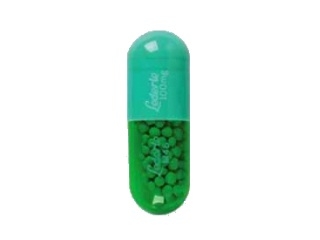
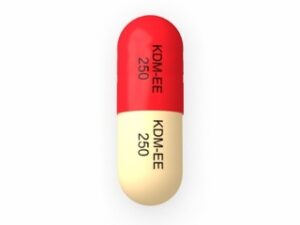
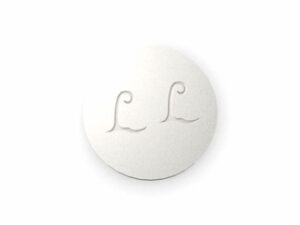
Minocin is a well-known antibiotic medicine containing minocycline hydrochloride. It belongs to the tetracycline group and is used to treat a variety of bacterial infections and, in some situations, inflammatory conditions. This guide explains how Minocin works, how it is used, common interactions, safety information, and practical tips to help you use your medicine more confidently.
Basic Product Information
- Medicine: Minocin
- Active ingredient: Minocycline hydrochloride
- Medicine class: Tetracycline antibiotic
- Common formulations: Typically available as tablets and/or capsules depending on product availability
- Key uses: Selected bacterial infections; sometimes used for acne and other conditions as directed by your clinician
- Availability in Australia: Supplied through Australian pharmacy channels in line with local medicines scheduling and prescriber requirements
Note: Brand availability and strengths can vary. Always follow the exact instructions provided with your specific product pack.
How Minocin Works (Mechanism of Action)
Minocycline works by inhibiting bacterial protein synthesis. It does this by binding to the 30S ribosomal subunit, preventing bacteria from building essential proteins they need to grow and multiply. This action helps the body control or eliminate the infection.
- Antibacterial activity: Effective against many strains of bacteria (depending on susceptibility).
- Anti-inflammatory effects (in some conditions): In acne and related inflammatory skin conditions, minocycline’s effects may involve not only antibacterial action, but also reduction of inflammation and certain immune pathways.
Pharmacokinetics (Absorption, Distribution, Metabolism, Elimination)
Understanding how your body handles minocycline can help you take it correctly and reduce side effects.
Absorption
Minocycline is generally absorbed through the digestive tract. Food and minerals can significantly affect absorption, so timing and dietary interactions matter.
Distribution
After absorption, minocycline spreads into many tissues. It can reach skin, respiratory tissues, and other body compartments depending on disease and dosing.
Metabolism and excretion
Minocycline is cleared from the body through metabolic processes and excretion (including via bile and urine pathways). Your kidney and liver function can influence how your body processes the medicine.
Practical takeaway: Because minocycline has predictable absorption but is sensitive to certain foods and minerals, consistent administration (and appropriate separation from interacting products) is important.
Typical Uses (Indications)
Minocin is used to treat a range of bacterial infections and some non-infectious inflammatory conditions, depending on bacterial susceptibility and clinical judgment.
Common clinical indications include
- Respiratory tract infections where tetracyclines are appropriate
- Skin and soft tissue infections due to susceptible organisms
- Acne and other inflammatory skin conditions (as determined by your clinician)
- Some sexually transmitted and other specific infections (depending on local guidance and organism susceptibility)
- Alternative options for certain infections when other medicines are unsuitable
Important: Minocycline is not suitable for every infection. It should only be used for conditions where it is appropriate based on the likely bacteria and your medical history.
How to Take Minocin: Timing and Dosing Basics
Dosing depends on the condition being treated, your age, kidney and liver function, and how you respond. Always use the dosing instructions on your product label or as advised by your healthcare professional.
General timing guidance
- Take at the same times each day to keep steady drug levels.
- Consistency matters: avoid large day-to-day variations in timing.
- Separate from dairy and mineral supplements (see food interactions section below).
Common dosing patterns (examples)
Minocin dosing varies by indication. The schedule may be:
- Once daily or twice daily depending on the condition and product strength
- Course duration may vary from days to weeks depending on the infection and response
Do not adjust your dose or stop early without advice. Stopping treatment too soon can allow infection to return.
If you miss a dose
- Take it as soon as you remember if it is not close to your next dose.
- If your next dose is near, skip the missed dose and continue as normal.
- Do not double up to make up for a missed dose.
Food Interactions: What to Eat and What to Avoid
Minocycline absorption can be affected by substances that bind the medicine in the gut, especially those containing multivalent cations (e.g., calcium, magnesium, aluminium, iron, zinc). These can reduce how much minocycline you absorb.
Avoid or separate from
- Dairy products (milk, yoghurt, cheese) and calcium-fortified drinks
- Antacids containing aluminium, magnesium, or calcium
- Iron supplements and iron-containing multivitamins
- Zinc supplements
- Magnesium supplements
- Some laxatives or preparations containing minerals
How much separation?
A common approach is to separate minocycline from mineral-containing products by at least 2–4 hours. Your clinician or pharmacist can confirm an interval tailored to your product and other medicines.
Food and stomach comfort
Minocycline may cause nausea in some people. If you experience stomach upset:
- Consider taking it with a small amount of food if your clinician agrees.
- Stay consistent—don’t drastically change your routine mid-course.
Alcohol and Medicine Interactions
Alcohol
While moderate alcohol may not be absolutely contraindicated, alcohol can increase the risk of side effects such as dizziness, nausea, and stomach irritation. Alcohol may also worsen outcomes by affecting adherence.
- Best practice: limit alcohol while taking Minocin, especially during the first few doses.
- If you have a history of medication-related liver problems, discuss alcohol use with your healthcare professional.
Other medicine interactions
Minocycline can interact with certain medicines and supplements. Tell your pharmacist or clinician about all medicines you take, including over-the-counter products.
Common interaction categories
- Antacids and mineral supplements (reduce absorption)
- Warfarin (tetracyclines can affect bleeding risk by altering gut bacteria and vitamin production)
- Oral retinoids (risk of increased intracranial pressure may rise when tetracyclines and isotretinoin/retinoid medicines are combined)
- Penicillin-class antibiotics (some antibiotic combinations may be less effective; guidance depends on the specific infection)
- Diuretics and other medicines affecting liver function (monitoring may be needed depending on regimen)
- Blood sugar medicines (rarely, tetracyclines may influence glucose control in some patients)
Tip: Keep a list of your medicines and show it to your pharmacist at each supply if possible.
Safety Profile: Side Effects and Warnings
Like all medicines, Minocin can cause side effects. Many people tolerate it well, but it’s important to recognise warning signs early.
Common side effects
- Nausea, stomach upset
- Diarrhoea or changes in bowel habits
- Headache
- Dizziness
- Skin sensitivity to sunlight (increased sunburn risk)
- Vaginal yeast infection in some women
Less common but important warnings
- Allergic reactions: rash, swelling of face/lips, breathing difficulty—seek urgent help.
- Severe or persistent diarrhoea: can indicate antibiotic-associated colitis—contact a clinician promptly.
- Serious skin reactions: blistering, peeling skin, sores in mouth—urgent medical review is required.
- Liver problems: yellowing of eyes/skin, dark urine, severe fatigue, right upper abdominal pain—seek medical advice urgently.
Changes in skin colour (tetracycline-associated)
Some tetracyclines, including minocycline, have been associated with skin, nail, or tooth discolouration in certain circumstances (risk patterns depend on duration, dose, and patient factors). If you notice unusual darkening or pigmentation changes, discuss it promptly with your healthcare professional.
Sun exposure and photosensitivity
- Use sunscreen and wear protective clothing.
- Avoid prolonged sun exposure.
- Seek advice if you develop severe sunburn or rash.
When to seek urgent care
Contact emergency services or urgent medical care if you experience:
- Difficulty breathing or swelling of the face/throat
- Severe rash, blistering, or peeling skin
- Signs of liver injury (yellow skin/eyes, severe abdominal pain)
- Persistent vomiting, severe dizziness, or fainting
- Watery diarrhoea with fever or blood/mucus
Practical Use Tips (Make Treatment Easier)
- Take with water to reduce throat irritation and help swallowing comfort.
- Plan around meals and minerals: if your diet includes lots of dairy or you take supplements, schedule them away from your dose.
- Stay hydrated and maintain normal fluid intake unless otherwise advised.
- Protect from the sun daily while taking minocycline.
- Use a reminder (phone alarm, pill organiser) to avoid missed doses.
- Don’t share antibiotics: Minocin should be used for the specific condition it was prescribed for.
- Monitor improvements: if symptoms don’t improve within the expected time frame, contact your clinician.
What to Expect: Course Timing and When Symptoms Improve
Improvement timing can vary based on the condition. For many infections, people start to notice symptom improvement within 2–3 days, but it may take longer for complete resolution.
- Skin conditions (e.g., acne): may take several weeks for a clear improvement.
- Infections: fever and pain often improve earlier, but the full course is still important.
If symptoms worsen, new symptoms appear, or you develop severe side effects, seek medical advice promptly.
Alternative Options
Alternative treatments depend heavily on the condition being treated and the likely bacteria involved. Your clinician/pharmacist may consider:
For bacterial infections
- Other antibiotic classes (e.g., penicillins, cephalosporins, macrolides) depending on susceptibility
- Culture and sensitivity testing in persistent or complicated infections
For acne/inflammatory skin conditions
- Topical treatments such as retinoids, benzoyl peroxide, or topical antibiotics
- Other oral antibiotics when appropriate and based on guideline recommendations
- Hormonal options for eligible individuals (e.g., in selected cases)
- Isotretinoin for severe, scarring, or treatment-resistant acne—only under specialist care
Your healthcare team can help choose the most suitable option based on your history, tolerability, and local guidance.
Minocin in the Australian Market: Legal and Clinical Context
In Australia, antibiotic medicines are regulated to support safe use and antimicrobial stewardship. Medicines are classified and managed according to the Poisons Standard and state/territory regulations, with appropriate pharmacy supply practices.
Key points in Australia:
- Antibiotics should be used only for appropriate indications.
- Guidance encourages limiting unnecessary antibiotic use to reduce resistance.
- Prescribing and monitoring are guided by clinical assessment and local antibiotic stewardship programs.
- Pharmacists play a key role in checking interactions, patient suitability, and counselling on correct use.
If you are unsure about whether Minocin is appropriate for your condition, discuss it with your healthcare professional or pharmacist.
Recent Guidance and Stewardship Considerations
Antibiotic use recommendations evolve as new evidence and resistance patterns emerge. In general, current best practice emphasises:
- Using the narrowest effective treatment when possible
- Checking for contraindications and drug interactions
- Completing the recommended course to reduce relapse
- Reviewing therapy if there is no clinical response
- Minimising long-term or unnecessary exposure, especially for acne or mild infections
Your clinician may adjust duration or treatment if side effects occur or if the response is slower than expected.
Delivery and Availability (Australia)
Online pharmacy suppliers in Australia typically source Minocin through authorised distribution networks. Availability can vary based on supply and pack strength.
- Delivery: Delivery timelines depend on your location and the pharmacy’s dispatch schedule.
- Packaging: Medicines are supplied in manufacturer-approved packaging with patient information and expiry details.
- Stock changes: If a particular strength or form is temporarily unavailable, the pharmacy may advise alternatives consistent with your treatment plan.
When ordering, ensure your details are correct to avoid delays.
Product Information Summary
| Category | Summary |
|---|---|
| Brand | Minocin |
| Active ingredient | Minocycline hydrochloride |
| Class | Tetracycline antibiotic |
| Main action | Inhibits bacterial protein synthesis |
| Common timing issue | Avoid mineral/dairy interactions; separate antacids/iron/zinc |
| Notable caution | Photosensitivity; possible gastrointestinal side effects; rare serious reactions |
| Alcohol | Limit alcohol to reduce side effects and support adherence |
FAQ
1) What is Minocin used for?
Minocin (minocycline) is used to treat certain bacterial infections and may also be used for inflammatory skin conditions such as acne, depending on clinical assessment and local guidance.
2) How quickly will I feel better?
For many infections, some improvement can occur within a few days. For acne or inflammatory conditions, noticeable improvement often takes several weeks. If you don’t improve as expected, contact your clinician.
3) Can I take Minocin with milk or dairy products?
It’s usually recommended to avoid taking minocycline with dairy and to separate it from mineral-containing products, because minerals like calcium can reduce absorption. A gap of a few hours is commonly used—confirm your exact routine with your pharmacist.
4) Can I take antacids while using Minocin?
Antacids containing aluminium, magnesium, or calcium can interfere with absorption. Separate antacids from minocycline by several hours, and check specific timing with your pharmacist.
5) Is it safe to drink alcohol while taking Minocin?
Moderation is advisable. Alcohol can worsen nausea, dizziness, and stomach irritation. If you have liver concerns or experience side effects, discuss alcohol use with your healthcare professional.
6) What should I do if I miss a dose?
Take the missed dose when you remember unless it’s near the next dose. Otherwise, skip it and continue your regular schedule. Do not take double doses.
7) What side effects are most common?
Common side effects include nausea, diarrhoea, headache, dizziness, and increased sun sensitivity. Seek urgent advice for severe rash, breathing problems, persistent severe diarrhoea, or signs of liver injury.
8) Does Minocin cause sun sensitivity?
Yes. Minocycline can make your skin more sensitive to sunlight, increasing the risk of sunburn. Use sunscreen and protective clothing, and avoid prolonged sun exposure.
9) Can Minocin interact with other medicines?
Yes. It may interact with antacids, iron/zinc supplements, warfarin, retinoid medicines, and other products. Tell your pharmacist about all medicines and supplements you take.
10) Are there alternative treatments?
Yes. Alternatives depend on your condition. For infections, other antibiotics may be used based on susceptibility. For acne, options can include topical medicines, other oral antibiotics, hormonal treatments, or specialist therapies.
Always read the patient information leaflet supplied with your Minocin pack and follow the instructions on the label. If you have questions about whether Minocin is suitable for you, or how to time it with other medicines and foods, speak with your pharmacist or clinician.