

Loxitane (Loxapine) – Patient Information
Loxitane contains loxapine, a medicine used to treat certain mental health conditions. This guide is designed to help you understand how it works, how it’s commonly taken, what to watch for, and how to use it safely. Always follow your clinician’s advice and read the consumer medicine information provided with your product.
Quick Facts
- Medicine: Loxapine (brand: Loxitane)
- Type: Antipsychotic medicine
- How it works: Affects dopamine and serotonin pathways in the brain
- Common uses: Schizophrenia and related psychotic disorders (varies by local clinical practice)
- Important safety notes: Sleepiness, dizziness, blood pressure changes, movement disorders, and metabolic changes
- Alcohol caution: Alcohol can worsen sedation and dizziness
Basic Product Information
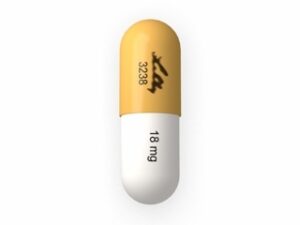
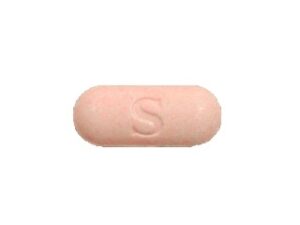
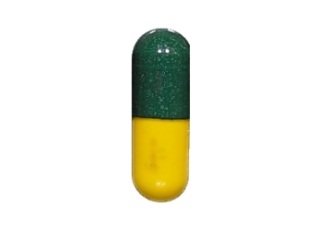
Loxitane is available in tablet form (and may be available in different strengths depending on local supply). Your exact dose and strength will depend on your diagnosis, age, other medicines, and how you respond.
| Property | Information |
|---|---|
| Active ingredient | Loxapine |
| Medicine class | Typical/first-generation antipsychotic (as classified in many references) |
| Typical form | Tablets (strength varies) |
| General effect | Helps reduce symptoms such as hallucinations, delusions, agitation, and disorganised thinking |
| Key precautions | Movement-related side effects, sedation, blood pressure changes, QT/heart rhythm considerations |
How Loxapine Works (Mechanism of Action)
Loxapine is thought to help symptoms of psychosis by affecting neurotransmitters in the brain:
- Dopamine receptor activity: Loxapine influences dopamine signalling, which is closely linked with hallucinations, delusions, and other psychotic symptoms.
- Serotonin receptor activity: It also interacts with certain serotonin receptors, which may contribute to symptom improvement and side-effect profile.
The effect of antipsychotic medicines is not instant. Many people notice changes over days to weeks, with fuller benefits sometimes taking longer.
Pharmacokinetics (Absorption, Distribution, Metabolism, Elimination)
While exact pharmacokinetic values can vary between individuals and are influenced by dose and formulation, the general pattern for oral loxapine includes:
- Absorption: After oral dosing, loxapine is absorbed from the gastrointestinal tract.
- Distribution: It distributes throughout body tissues, including crossing into the brain where it can exert its effect.
- Metabolism: Loxapine is metabolised mainly in the liver.
- Elimination: Metabolites are eliminated primarily through kidney and/or bile pathways.
Factors such as liver function, age, and other medicines can change how quickly loxapine is cleared from the body. This is one reason clinicians may start at a lower dose and adjust carefully.
What It’s Used For (Indications)
Loxitane is used to treat certain psychiatric conditions characterised by psychotic symptoms. Indications can vary by local prescribing practice and regulatory updates.
Commonly used for:
- Schizophrenia and other related psychotic disorders
- Acute psychotic episodes and associated agitation in appropriate clinical circumstances
If you’re unsure whether your specific use is appropriate for your situation, ask your pharmacist or clinician.
Timing and How to Take Loxitane
A key part of successful treatment is consistent dosing and taking the medicine at the same times each day. Your clinician will usually determine your starting dose and whether it should be once or multiple times daily.
When to take it
- Follow your schedule: Take at the times prescribed for you.
- Consider sleepiness: If you feel drowsy, your clinician may suggest timing to reduce daytime impact.
- Don’t double up: If you miss a dose, take it when you remember unless it’s near the time of your next dose—then skip and continue your regular schedule.
How to take it
- Swallow tablets whole with water unless your product label instructs otherwise.
- Use consistent daily habits (e.g., with the same routine around meals).
If you experience severe side effects (such as fainting, extreme drowsiness, or muscle stiffness), seek medical advice urgently.
Food Interactions
Loxapine is an oral medicine and can be taken with or without food in many cases. However, food can affect how quickly medicines are absorbed.
- General approach: Take Loxitane the way you’ve been instructed—either consistently with meals or without.
- Watch for stomach upset: If you get nausea, some people find taking it with food helpful (confirm with your clinician/pharmacist).
If you take other medicines regularly, it’s important to check for interactions (for example, with medicines that also affect sedation, heart rhythm, or liver metabolism).
Alcohol and Medicine Interactions
Alcohol
Avoid or strongly limit alcohol. Alcohol can increase sedation and dizziness, raising the risk of falls, impaired driving, and worsening of mental status. If you do drink, do so only with careful caution and discuss it with your pharmacist or clinician.
Other medicines
Loxapine can interact with other treatments, particularly those that affect the brain, liver, or heart rhythm. Tell your pharmacist about all medicines you use, including:
- Sedatives and sleeping pills (e.g., benzodiazepines, some sleep medications)
- Opioid pain medicines
- Antihistamines that cause drowsiness
- Antidepressants (some can alter blood levels or increase side effects)
- Anticholinergic medicines (may worsen constipation, urinary retention, blurred vision)
- Medicines that affect heart rhythm (QT-prolongation risk)
- Medicines that strongly affect liver enzymes
Never start or stop medicines without advice, especially if changes could affect sedation or heart rhythm.
Dosing (Typical Guidance)
Dosing varies based on age, diagnosis, severity of symptoms, and tolerability. Below is general educational information—use the dose you were prescribed.
Typical titration approach
- Starting dose: Often started low to assess side effects.
- Adjustment: Dose may be increased gradually until symptoms are controlled.
- Maintenance: Once stable, the lowest effective dose is generally preferred.
Clinicians may also adjust dosing in the presence of:
- Liver impairment
- Older age or increased sensitivity to side effects
- Other medications that raise or lower loxapine levels
Do not exceed your prescribed dose. If you think your dose is too high or you’re not improving, contact your clinician rather than changing it yourself.
Indications and Expected Timing of Improvement
Antipsychotic treatment aims to reduce core psychotic symptoms and help improve day-to-day functioning. The timeline can differ widely between individuals.
- First days: Some people notice less agitation or improved sleep.
- First 1–2 weeks: Early symptom changes may occur.
- Several weeks: More sustained improvement in hallucinations, delusions, and thinking may become evident.
- Longer term: Ongoing treatment may be needed to prevent relapse, depending on your clinical plan.
If you have not noticed any improvement after the expected period, or if symptoms worsen, speak with your clinician promptly.
Safety Profile: Common and Serious Side Effects
All medicines can cause side effects. Many are manageable, and some reduce over time as your body adjusts. However, some symptoms require urgent attention.
Common side effects
- Drowsiness, sedation
- Dizziness or light-headedness
- Dry mouth
- Constipation
- Blurred vision
- Weight gain or changes in appetite (noting this can occur with many antipsychotics)
- Reduced energy or slowed thinking
Movement-related effects (important)
Antipsychotics can cause movement disorders in some people. These may include:
- Restlessness (akathisia)
- Tremor or stiffness
- Abnormal movements of the face or body
If you experience new or worsening movement symptoms, contact your clinician as soon as possible. Early management can help.
Serious but less common risks
- Neuroleptic malignant syndrome (NMS): Symptoms may include fever, severe muscle stiffness, confusion, sweating, and rapid heartbeat. Seek emergency care.
- Severe allergic reactions: Swelling of face/lips, rash, breathing difficulty—seek emergency care.
- Fainting or severe dizziness: Can indicate blood pressure changes—seek urgent medical advice.
- Heart rhythm concerns: Some antipsychotics may affect heart rhythm in susceptible individuals. Report palpitations, fainting, or severe dizziness.
- Seizure risk: Inform your clinician if you have a history of seizures or experience unusual episodes.
Metabolic and long-term health monitoring
Many antipsychotics can influence metabolism. Your clinician may monitor:
- Weight and waist circumference
- Blood glucose (diabetes risk)
- Lipids (cholesterol and triglycerides)
Practical Use Tips for Patients
1) Improve safety when starting or changing dose
- Be cautious when standing up quickly—dizziness can occur.
- Avoid driving or operating machinery until you know how Loxitane affects you.
- If you feel very sleepy, discuss dose timing or adjustment with your clinician.
2) Manage constipation and dry mouth
- Drink fluids regularly.
- Consider dietary fibre and physical activity as advised.
- If constipation persists, ask your pharmacist about appropriate supportive treatments.
3) Track side effects early
Keeping a simple log can help your clinician adjust therapy:
- Time you take Loxitane
- Sleepiness, dizziness, or restlessness
- Any new movement symptoms
- Weight or appetite changes
4) Don’t stop suddenly
Stopping antipsychotic medicines abruptly can lead to symptom relapse or withdrawal-like effects. If you need to change treatment, do so with your clinician’s guidance.
5) Consider lifestyle supports
- Regular sleep routines
- Consistent diet and activity for metabolic health
- Medication adherence tools (pill boxes, phone reminders)
Alternative Options
If Loxitane isn’t suitable due to side effects, effectiveness, or interactions, clinicians may consider other antipsychotic medicines or non-medication supports. Availability varies and the right choice depends on your history and current needs.
Possible alternatives (examples of other options clinicians may discuss):
- Other antipsychotics (different mechanisms and side-effect profiles)
- Adjunct treatments for specific symptom clusters (for example, for anxiety or insomnia alongside psychosis, depending on the case)
- Psychosocial supports such as cognitive behavioural therapy for psychosis (CBTp), family support, and structured care plans
Discuss alternatives with your pharmacist or clinician—especially before switching, as cross-tapering and monitoring may be required.
Australia: Market and Legal Context
In Australia, medicines like Loxapine are regulated under the TGA (Therapeutic Goods Administration) framework and are available through appropriate channels based on their classification and intended use.
For an online pharmacy experience, it’s important to ensure:
- Your order matches the exact product brand and strength you need
- Any necessary patient screening or safety checks are completed
- Delivery complies with Australian state and federal requirements
- You receive appropriate product information (e.g., consumer medicine information)
Guidance can change over time. Your pharmacist can help confirm the most current requirements for dispensing, supply, and monitoring in your situation.
Recent Guidance and Ongoing Monitoring
Clinical guidance for antipsychotic medicines regularly emphasises:
- Individualised dosing and careful titration
- Side-effect monitoring (movement symptoms, metabolic risk, sedation)
- Patient education on warning signs and when to seek help
- Medication reviews at set intervals to assess benefits vs risks
If you’re starting Loxitane or restarting after a break, ask your clinician or pharmacist about monitoring targets and follow-up appointments.
Delivery and Availability (Online Pharmacy)
Availability of Loxitane may vary depending on manufacturer supply and pharmacy stock levels. When you order online, pharmacies typically verify:
- The correct medication and strength
- That dispensing is appropriate based on patient information provided
- That delivery address and timing suit standard handling requirements
Delivery times can differ between metro and regional areas. Always check the pharmacy website for current delivery options, shipping fees, and estimated dispatch times.
If you need the medicine urgently (for example, you’re close to running out), contact the pharmacy to confirm stock and delivery feasibility.
FAQ
1) How long does Loxitane take to work?
Some people notice improvements in agitation or sleep within days, but fuller symptom control often takes several weeks. Your clinician will assess progress over time and adjust the dose if needed.
2) Will Loxitane make me sleepy?
Drowsiness is a common side effect. Many people can manage it by taking the medicine at a time that suits them, especially early in treatment. Avoid driving or dangerous activities until you know how you respond.
3) Can I take it with food?
In many cases, Loxapine can be taken with or without food. Choose a routine that is consistent with your clinician’s instructions and the product label. If food helps reduce nausea, you may prefer taking it with meals.
4) What should I do if I miss a dose?
If you remember soon after, take it as directed. If it’s close to your next dose, skip the missed dose and continue as normal. Don’t take two doses at once unless instructed.
5) Is alcohol safe with Loxitane?
Alcohol can significantly increase sedation and dizziness. It’s best to avoid alcohol or discuss safe limits with your pharmacist or clinician.
6) What side effects require urgent attention?
Seek urgent medical help if you experience signs of a serious reaction such as high fever with muscle stiffness and confusion, difficulty breathing, fainting, or severe heart-related symptoms like palpitations with dizziness.
7) Can Loxitane affect weight or blood sugar?
Some people experience weight gain or metabolic changes with antipsychotics. Your clinician may monitor weight, glucose, and lipids during treatment.
8) Are there alternatives if I can’t tolerate Loxitane?
Yes. Clinicians may switch to another antipsychotic or adjust your regimen. The best option depends on your symptoms, medical history, and side-effect experience.
9) What other medicines should I tell my pharmacist about?
Tell them about all prescription medicines, over-the-counter products, and supplements—especially sedatives, sleeping tablets, opioids, antihistamines that cause drowsiness, antidepressants, and medicines that can affect heart rhythm or liver enzymes.
10) How should I store Loxitane?
Follow the storage instructions on the carton and label. Keep out of reach of children and store at the recommended temperature. Do not use after the expiry date.
Important: If you have questions about whether Loxitane is right for you, or you experience bothersome or concerning side effects, speak with your pharmacist or clinician promptly. For emergencies, contact local emergency services immediately.