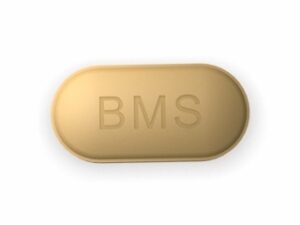
Jentadueto XR (Linagliptin + Metformin Hydrochloride) — Patient Guide (Australia)
Jentadueto XR is a combination medicine used for the management of type 2 diabetes. It contains two active ingredients:
- Linagliptin (a DPP-4 inhibitor)
- Metformin hydrochloride (a biguanide)
This information is designed to help you understand how Jentadueto XR works, how it is usually taken, and what to consider for safety and day-to-day use. It is written for people in Australia, where medicines are supplied through pharmacies and governed by local health rules.
Quick Facts
- Brand name: Jentadueto XR
- Active ingredients: Linagliptin + Metformin hydrochloride
- XR meaning: “Extended Release” (slow, steady release)
- Used for: Type 2 diabetes (improves blood glucose control)
- Common dosing schedule: Usually once daily with food (depending on strength and individual plan)
Basic Product Information
What is Jentadueto XR?
Jentadueto XR is an extended-release tablet containing a fixed combination of linagliptin and metformin. The “XR” formulation is designed to release metformin more gradually, helping reduce fluctuations in drug levels and supporting once-daily dosing for many people.
Strengths and forms
Jentadueto XR is typically supplied in different strengths (for example, combinations of linagliptin and metformin XR). The exact strength you need depends on your current therapy, kidney function, and glucose targets.
Important note on individual suitability
People with reduced kidney function may require careful dose selection and monitoring when taking metformin-containing medicines. Your clinician or pharmacist can help you understand which strength is appropriate.
Mechanism of Action (How It Works)
Jentadueto XR works through two complementary pathways to help lower blood sugar:
1) Linagliptin (DPP-4 inhibitor)
- Linagliptin helps increase the levels of incretin hormones (including GLP-1) by inhibiting the enzyme DPP-4.
- Incretins help the body increase insulin release when blood glucose is elevated.
- Incretins also help reduce glucagon release, which can lower glucose output from the liver.
- Low intrinsic risk of hypoglycaemia: Because it works in a glucose-dependent way, linagliptin alone typically does not cause severe low blood sugar.
2) Metformin hydrochloride (biguanide)
- Metformin primarily decreases hepatic glucose production (how much glucose the liver releases into the bloodstream).
- It can improve insulin sensitivity in peripheral tissues.
- It may also reduce intestinal glucose absorption.
- Not an insulin substitute: It helps the body use insulin more effectively.
Why combination therapy?
Using linagliptin and metformin together may provide more glucose-lowering benefit than either component alone for many people with type 2 diabetes, while simplifying the regimen compared with taking separate tablets.
Indications (Typical Uses)
Jentadueto XR is used as part of the management of type 2 diabetes mellitus in adults.
It may be used when:
- Blood glucose remains above target despite lifestyle measures and/or other diabetes medicines, and a combination approach is appropriate.
- There is a need to improve glycaemic control with metformin plus an additional agent such as a DPP-4 inhibitor.
Your pharmacist can help confirm that your specific product strength matches the regimen you were advised.
Dosing and Timing (What to Expect)
Important: Always follow the dosing instructions given by your healthcare professional and the label on your medicine. Doses can vary depending on prior treatment, glucose levels, and kidney function.
Typical timing
- Once daily is common for XR formulations.
- Jentadueto XR is generally taken with food to improve gastrointestinal tolerability and reduce the chance of nausea or diarrhoea.
How to take XR tablets
- Swallow the tablet whole with water—do not crush or chew unless your product information specifically allows it.
- Take at the same time each day if possible.
- If you miss a dose, follow the missed-dose guidance on the pack or ask your pharmacist. In general, avoid taking extra tablets to “catch up” unless instructed.
Starting or adjusting dose
Metformin-containing therapy is often started at a lower dose and gradually increased to reduce side effects. Extended-release formulations may be easier on the stomach than immediate-release forms for some people.
Pharmacokinetics (How the Body Handles the Medicines)
Pharmacokinetics describes how drugs are absorbed, distributed, metabolised, and eliminated. While exact numbers vary by individual and dose, the key practical points are:
Linagliptin
- Absorption: Linagliptin is absorbed after oral administration.
- Distribution: It binds to plasma proteins.
- Elimination: Linagliptin is eliminated mainly via the biliary/faecal route (metabolism and excretion processes), with only a minor portion excreted by the kidneys. This contributes to the fact that linagliptin is often less dependent on kidney function for dose adjustment than some other DPP-4 inhibitors (final dosing should still be based on your clinician’s assessment).
Metformin (XR)
- Absorption: Metformin is absorbed in the gastrointestinal tract. The XR formulation releases metformin more slowly.
- Effect on glucose: Steadier drug levels can help reduce side effects and support consistent glucose control throughout the day.
- Elimination: Metformin is eliminated primarily through the kidneys. Reduced kidney function increases the risk of metformin accumulation.
Why kidney function matters
Because metformin is cleared by the kidneys, doctors typically monitor kidney function (for example, estimated glomerular filtration rate) before and during treatment. If kidney function declines, the dose may need review, or metformin may be stopped depending on the situation.
Food Interactions (Including Meal Timing)
Take with food
- Jentadueto XR is generally taken with or after a meal to improve tolerability.
- Consistent meal timing may improve comfort and help you remember doses.
What foods can do
- There are no special dietary “bans” for most people, but maintaining a healthy eating pattern for diabetes remains essential.
- Large changes in diet can affect glucose readings; your dose may need adjustment by your clinician.
Practical advice
- If you experience nausea or stomach upset, taking your tablet with your largest meal may help.
- Stay hydrated, particularly during hot weather or illness.
Alcohol and Medicine Interactions
Alcohol with metformin deserves extra caution.
Metformin is associated with a rare but serious risk called lactic acidosis. Alcohol can increase this risk—especially with:
- Binge drinking or heavy alcohol intake
- Drinking when you are not eating (or during fasting)
- Conditions that increase dehydration (vomiting, diarrhoea)
- Significant liver disease
General guidance for safety
- Discuss alcohol use with your healthcare professional.
- Avoid binge drinking and limit alcohol where possible.
- If you become unwell (e.g., vomiting/diarrhoea) and cannot eat, contact a healthcare professional for “sick day” advice.
Other medicine considerations
Some medicines can affect blood glucose or kidney function, which may indirectly affect how safely you can use metformin. Always tell your pharmacist about all products you use, including herbal supplements and over-the-counter medications.
Medicine Interactions (Common Considerations)
Interactions can change the effect of Jentadueto XR or increase side effects. Some of the most relevant interaction themes include:
1) Medicines affecting kidney function
Metformin is cleared by the kidneys. Medicines that reduce kidney perfusion or cause kidney stress (for example, certain diuretics, dehydration-related illness, or some NSAID use) may increase metformin risk. Your pharmacist can advise based on your exact medication list.
2) Drugs that affect blood sugar
- If Jentadueto XR is combined with medicines that can cause hypoglycaemia (such as insulin or sulfonylureas), your risk of low blood sugar may increase.
- Monitoring glucose and recognising warning signs is important.
3) Contrast dyes for imaging (iodinated contrast)
In some situations, healthcare providers may advise temporarily withholding metformin around the time of certain contrast imaging studies to reduce risk in people who might experience kidney impairment. Follow the specific advice provided for your procedure.
4) “Sick day” and dehydration risk
- During illness with vomiting, diarrhoea, fever, or reduced fluid intake, your clinician may recommend temporarily stopping metformin-containing medicines until you are well.
- This helps reduce the risk of lactic acidosis and dehydration-related complications.
Tip: Keep an up-to-date list of your medicines and show it to your pharmacist when you receive Jentadueto XR or any new medicines.
Safety Profile and Side Effects
Like all medicines, Jentadueto XR can cause side effects. Many are mild and improve as your body adjusts.
Common side effects
- Gastrointestinal effects (more common with metformin): nausea, diarrhoea, abdominal discomfort, loss of appetite, bloating
- Headache (reported by some people)
Less common but important risks
- Lactic acidosis (rare, serious): more likely with significant kidney impairment, severe dehydration, heavy alcohol use, or serious illness. Seek urgent medical help if you develop symptoms such as unusual muscle pain, severe fatigue, fast or shallow breathing, abdominal pain, or feeling very unwell.
- Hypoglycaemia: Jentadueto XR itself has a lower risk than some diabetes medicines, but risk increases if used with insulin or sulfonylureas. Symptoms may include sweating, shakiness, dizziness, hunger, or confusion.
- Pancreatitis (rare): report severe persistent upper abdominal pain, possibly radiating to the back, especially if accompanied by vomiting.
- Allergic reactions: seek medical help for rash, swelling, or breathing difficulties.
Monitoring that may be recommended
- Kidney function tests (because of metformin)
- Blood glucose and HbA1c to assess effectiveness
- In some cases, monitoring of vitamin B12 may be advised with longer-term metformin use
When to get urgent help
Seek urgent medical attention if you have signs of severe illness, dehydration, allergic reaction, or symptoms that could indicate lactic acidosis.
Practical Use Tips (Make Treatment Easier)
- Link it to a routine: take it with the same meal each day.
- Reduce stomach upset: taking with food and avoiding large fasted periods may help.
- Hydrate: especially during hot weather or when you are active.
- Check your blood glucose: follow your healthcare plan for when to test.
- Know your “low sugar” signs: keep fast-acting carbohydrate available if you take other medicines that can cause hypoglycaemia.
- Keep all follow-ups: monitoring kidney function and HbA1c supports safe long-term use.
Sick day guidance (common approach)
Many clinicians advise temporarily pausing metformin-containing medicines during significant acute illness that causes dehydration or reduced intake. Because individual plans vary, confirm your personal sick-day instructions with your healthcare professional. If you are vomiting, have diarrhoea, or cannot keep fluids down, contact medical advice promptly.
Alternative Options (If Jentadueto XR Isn’t Suitable)
Your options depend on your health profile, kidney function, and glucose targets. Alternatives may include:
1) Metformin-only therapy
- Metformin (immediate-release or extended-release) may be used when a second agent is not needed or not suitable.
2) DPP-4 inhibitor monotherapy or with other agents
- Linagliptin or other DPP-4 inhibitors may be used alone or combined with metformin as a separate product.
3) Other combination medicines
- Combinations with different drug classes may be considered, such as agents that affect insulin secretion, insulin sensitivity, or glucose reabsorption.
4) Insulin or other glucose-lowering medicines
- In some people, insulin or other medicines may be needed for adequate control or symptom relief.
Discuss alternatives with your pharmacist or doctor to match suitability, side effects, and cost/availability considerations.
Market and Legal Context for Australia
In Australia, prescription medicines are supplied through regulated pharmacies under the Australian health system. Medicine availability, brand supply, and packaging can vary over time due to supplier or regulatory changes.
Quality and oversight
- Medicines sold in Australia are subject to regulatory oversight to support quality, safety, and performance.
- Pharmacists play a key role in checking suitability, interactions, dosing, and safe use.
Recent guidance and evolving practice
Diabetes care guidance can evolve, including recommendations around:
- Individualised glucose targets
- Monitoring kidney function and cardiovascular risk
- “Sick day” management to reduce risks associated with metformin
- Choosing add-on therapies based on patient characteristics
Your local healthcare team can provide the most up-to-date guidance relevant to your situation.
Delivery and Availability (Australia)
Online pharmacies in Australia typically supply medicines that are available through authorised wholesalers and distributors. Availability depends on stock levels, supply timelines, and the specific strength/pack size.
- Delivery times: vary by location and courier service.
- Packaging: medicines are usually delivered in compliant, secure packaging.
- Stock updates: many online pharmacies display live stock status; if a product is temporarily unavailable, you may be offered alternatives or restock notifications.
Tip: Ensure the strength and formulation match what you use (XR vs non-XR) before finalising your order.
FAQ (Frequently Asked Questions)
1) What does “XR” mean?
XR stands for extended release. It means the tablet is designed to release medicine more slowly over time, supporting once-daily dosing for many people.
2) How soon will Jentadueto XR start working?
Some glucose-lowering effects can begin within days, but meaningful assessment is often based on ongoing glucose monitoring and changes in HbA1c, which reflects average blood sugar over about 2–3 months.
3) Can I take it without food?
It is generally recommended to take Jentadueto XR with food to help reduce stomach side effects. If you have trouble tolerating it, talk to your pharmacist about strategies.
4) What if I miss a dose?
Follow the instructions on the pack or advice from your pharmacist. In general, do not take a double dose to make up for a missed one.
5) Does Jentadueto XR cause weight gain?
Metformin is often considered weight-neutral or may cause modest weight loss in some people. Linagliptin is generally weight-neutral. However, individual responses vary; lifestyle factors play a large role.
6) Will I get hypos (low blood sugar)?
Jentadueto XR alone has a lower risk of hypoglycaemia compared with medicines that directly stimulate insulin release (such as sulfonylureas). The risk increases if you take insulin or a sulfonylurea as well.
7) Is it safe to drink alcohol?
Alcohol may increase the risk of lactic acidosis when combined with metformin, especially with heavy drinking or dehydration. Discuss your alcohol habits with your healthcare professional and avoid binge drinking.
8) What should I do if I’m sick?
If you have vomiting, diarrhoea, fever, or you cannot eat or drink normally, contact a healthcare professional for “sick day” advice. This is particularly important for metformin-containing medicines.
9) Can I take other medicines with Jentadueto XR?
Many medicines can be taken safely, but interactions can occur—especially those affecting kidney function or blood glucose. Always provide your full medication list to your pharmacist.
10) What if I have kidney problems?
Because metformin is cleared through the kidneys, kidney function affects dosing and safety. Your clinician may monitor kidney function and adjust or avoid metformin if needed.
Summary
Jentadueto XR is a combined extended-release tablet containing linagliptin and metformin hydrochloride for adults with type 2 diabetes. It helps lower blood glucose by improving insulin and glucagon balance (linagliptin) and reducing liver glucose output and improving insulin sensitivity (metformin). For best results and tolerability, it is typically taken once daily with food. Because metformin relies on kidney function, monitoring and “sick day” awareness are important safety steps.
If you have questions about your specific dose, side effects, or how to take Jentadueto XR safely alongside other medicines, your pharmacist can help.
Reference Table: Key Points to Remember
| Topic | What to know |
|---|---|
| Medicine type | Combination: linagliptin (DPP-4 inhibitor) + metformin XR (biguanide), extended-release |
| How it works | Linagliptin increases glucose-dependent insulin and reduces glucagon; metformin reduces liver glucose output and improves insulin sensitivity |
| Typical timing | Once daily with food (follow your dosing instructions) |
| Food effects | Taking with meals helps reduce GI side effects; maintain consistent meal patterns for best routine |
| Alcohol | Use caution; heavy drinking or alcohol with dehydration increases risk related to metformin |
| Key safety monitoring | Kidney function; blood glucose/HbA1c; consider B12 monitoring with longer-term metformin |
| Urgent warning signs | Seek urgent help for symptoms that could indicate lactic acidosis, severe allergic reaction, or pancreatitis |