Glipizide (Oral Medicine) – Patient Information for Australia
Glipizide is a medicine used to help control blood sugar levels in adults with type 2 diabetes. It belongs to the class of medicines known as sulfonylureas. This guide explains how glipizide works, how it is typically taken, important safety considerations (especially hypoglycaemia), and what to know about interactions and practical day-to-day use.
Note: Medicines and diabetes treatment plans can vary between individuals. Always follow the specific instructions provided with your medicine and your diabetes care plan.
Quick Facts
- Medicine name: Glipizide
- What it’s used for: Improving blood glucose control in type 2 diabetes
- Medicine type: Sulfonylurea (oral glucose-lowering medicine)
- Common key risk: Low blood sugar (hypoglycaemia), especially if doses are missed or meals are skipped
- How it’s taken: Usually by mouth once or twice daily depending on the formulation and your regimen
- Availability: Widely available through Australian pharmacies and pharmacy networks
Basic Product Information
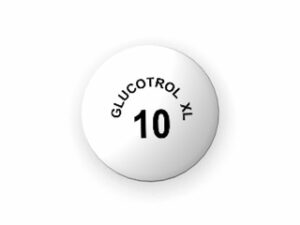
Glipizide is an oral medicine used to manage blood sugar. It is typically available in tablets in different strengths. Some brands or formulations may have specific release characteristics (for example, immediate-release versus extended-release) and can affect timing and dosing.
| Category | Details |
|---|---|
| Drug class | Sulfonylurea |
| Form | Oral tablet (strength and release type vary by product) |
| Typical use | Type 2 diabetes management |
| Major benefit | Lowers blood glucose by stimulating insulin release |
| Key safety concern | Hypoglycaemia risk; risk increases with missed meals, increased dose, or some drug interactions |
Mechanism of Action (How Glipizide Works)
Glipizide works mainly by:
- Stimulating insulin release from the pancreas (particularly when blood glucose is elevated).
- Helping reduce blood sugar levels after meals and overall glucose control.
Because glipizide increases insulin secretion regardless of the cause of high glucose (but more so when glucose is present), it can sometimes drive blood sugar too low—especially if you eat less than usual, delay meals, or take other medicines that also lower glucose.
Pharmacokinetics (How the Body Processes It)
Understanding pharmacokinetics can help you appreciate why timing matters.
- Absorption: After you take glipizide by mouth, it is absorbed through the digestive tract. Food may influence how quickly it starts working for some people.
- Onset and peak effect: The medicine generally begins to lower blood glucose within hours, with a stronger effect around the time it reaches peak activity.
- Distribution: It circulates in the bloodstream and distributes to body tissues where it can act on pancreatic beta cells.
- Metabolism: Glipizide is metabolised in the liver.
- Elimination: Metabolites are removed from the body largely via the kidneys.
Kidney and liver function: People with reduced kidney or liver function may have higher risk of side effects. Your clinician may adjust the starting dose or choose a different therapy depending on your overall health and lab results.
Typical Use in Diabetes Care
Glipizide is commonly used as a treatment option in type 2 diabetes, particularly when:
- Diet and exercise alone are not sufficient to achieve target glucose levels, or
- Other diabetes medicines are not appropriate, or
- Glucose control needs improvement while additional treatment strategies are considered.
It may be used:
- As a single medicine, or
- In combination with other glucose-lowering medications if your diabetes team recommends it.
Over time, the need for therapy may change as diabetes progresses. Some people eventually require additional or alternative medicines.
Indications (When Glipizide Is Used)
Glipizide is indicated for:
- Adults with type 2 diabetes to improve glycaemic control.
It is not used to treat type 1 diabetes and is generally not the preferred option for diabetic ketoacidosis (a different medical emergency).
How to Take Glipizide: Timing, Meals, and Routine
Timing matters because glipizide can lower blood sugar. The best schedule depends on the specific tablet formulation and your treatment plan.
General timing guidance
- Follow your prescribed schedule for dose timing and frequency.
- If you take it once daily, it is often taken with a meal to reduce hypoglycaemia risk.
- If taken twice daily, doses are commonly split and taken with morning and evening meals (or as directed).
Food and glucose control
Because glipizide increases insulin secretion, it is important to avoid large delays in eating after a dose. If you tend to skip meals or have unpredictable eating patterns, discuss alternatives with your diabetes team.
Practical example: If you take glipizide in the morning but cannot eat breakfast, your blood sugar may drop. In such situations, contact your clinician/pharmacist for guidance on what to do.
Food Interactions (What to Know About Meals)
Food can influence how safely and effectively glipizide works:
- Consistent carbohydrate intake helps reduce the risk of hypoglycaemia.
- Skipping meals after taking a dose may increase the likelihood of low blood sugar.
- Meals that are smaller than usual can also increase hypoglycaemia risk.
If you have gastrointestinal upset, poor appetite, or are unwell, your usual eating pattern may change—monitoring blood glucose more frequently can be helpful. Ask your pharmacist or diabetes clinician about a “sick day” approach.
Alcohol Interactions (Safety Considerations)
Alcohol can affect glucose regulation and may increase the risk of hypoglycaemia, particularly if you drink without eating enough food or if you have liver disease.
- General caution: Limit alcohol and avoid heavy or binge drinking.
- Do not drink on an empty stomach.
- Be alert to hypoglycaemia symptoms: Alcohol can sometimes mask symptoms (such as sweating or feeling shaky).
If you choose to drink alcohol, consider having food at the same time and monitor your blood sugar if you are at higher risk of hypos.
Medicine Interactions (Other Drugs That May Change Glipizide Effects)
Glipizide can interact with other medicines, potentially increasing or decreasing its blood sugar-lowering effect.
Medicines that may increase hypoglycaemia risk
Some medicines can increase the effect of glipizide or reduce blood glucose. Examples can include:
- Other diabetes medicines (including insulin and some glucose-lowering tablets)
- Some antibiotics or anti-inflammatory medicines (depending on the specific drug)
- Other medications that affect liver enzymes involved in drug metabolism
Medicines that may reduce glipizide effect
Some medicines can raise blood glucose or reduce glipizide’s impact, for example:
- Certain corticosteroids (such as prednisone) can raise glucose
- Diuretics (water tablets) may affect glucose in some people
- Some hormonal medicines or antipsychotic medications (depending on the drug)
Non-prescription medicines and supplements
Even non-prescription products and herbal supplements can interact. Inform your pharmacist about:
- Any vitamins or supplements
- Herbal remedies
- Cold/flu medications
- Regular pain relief medicines
What to do: Before starting a new medicine, ask your pharmacist whether it could affect blood glucose control. This is especially important for antibiotics, steroids, and medicines that impact the liver.
Dosing (Typical Approach)
Dose should be individualised based on factors such as age, kidney function, current glucose control, and risk of hypoglycaemia.
Starting dose
- Many patients begin on a low dose and gradually increase if needed.
- Older adults or those at higher risk of hypoglycaemia may start at an even lower dose.
Adjustments
- Doses are often adjusted based on blood glucose monitoring and/or HbA1c results.
- Your clinician may increase dose slowly to reduce the risk of low blood sugar.
Missed dose guidance
If you miss a dose, take it only if it’s close to the next scheduled dose and you can eat normally; otherwise skip it. Do not take a double dose to make up for a missed tablet. If you are unsure, contact your pharmacist for advice.
Important: Missed meals can be more relevant than missed tablets because glipizide can lower glucose after dosing. If your routine changes (work shifts, travel, reduced appetite), discuss a tailored plan.
Safety Profile: Side Effects and Warning Signs
Like all medicines, glipizide can cause side effects. The most important potential risk is hypoglycaemia.
Common or important side effects
- Hypoglycaemia (low blood sugar): Symptoms can include sweating, shaking, hunger, dizziness, headache, confusion, irritability, and palpitations.
- Weight gain: Some people gain weight with sulfonylureas.
- GI effects: Mild nausea or stomach discomfort may occur in some people.
Less common but serious reactions
- Severe hypoglycaemia: May cause unconsciousness, seizures, or the need for urgent assistance.
- Allergic reactions: Rash, swelling, or breathing difficulties require urgent medical attention.
- Liver or blood changes: Rare, but can be serious. Seek medical advice if you develop unusual fatigue, jaundice, easy bruising, or persistent fever.
When to seek urgent help
Get urgent medical assistance if you have:
- Signs of severe hypoglycaemia (confusion you cannot manage, fainting, seizures)
- Symptoms of serious allergy (swelling of face/lips, difficulty breathing)
- Severe or persistent vomiting/dehydration with inability to eat
Practical Use Tips (How to Reduce Risk and Improve Outcomes)
- Eat regularly: Try not to skip meals. If you must delay a meal, check your blood glucose and follow your diabetes plan.
- Monitor blood glucose: Especially when starting therapy, changing dose, or introducing interacting medicines.
- Carry fast sugar: Hypoglycaemia treatment often uses quickly absorbed carbohydrate (for example glucose tablets or juice). Discuss what to carry with your pharmacist.
- Know your “hypo” plan: Learn symptoms and how to respond, and consider telling family or workplace colleagues.
- Be careful with driving: If you feel hypo symptoms while driving, stop safely and treat the low blood sugar.
- Stay consistent: Keep your dosing routine aligned with your meal schedule.
- Review medicines periodically: Bring a list of all your medicines and supplements when you visit your pharmacist or clinician.
Alternative Options (If Glipizide Isn’t Suitable)
Depending on your diabetes profile, kidney function, cardiovascular risk, and preferences, clinicians may consider other glucose-lowering medicines. Options can include:
- Metformin: Often first-line for type 2 diabetes if tolerated.
- DPP-4 inhibitors: Can lower glucose with a lower hypoglycaemia risk than sulfonylureas.
- GLP-1 receptor agonists: Useful for some patients; injectable (varies by medicine).
- SGLT2 inhibitors: Oral options with additional benefits for some patients (e.g., cardiovascular or kidney outcomes depending on the individual).
- Other sulfonylureas: Similar class; dosing and hypoglycaemia risk may differ.
- Insulin: Sometimes required when glucose is not controlled or during certain situations.
If you are experiencing frequent hypoglycaemia, unwanted weight gain, or challenges with timing meals, discuss alternatives early—your diabetes team can help tailor a plan.
Market and Legal Context for Australia (Pharmacy and Diabetes Medicines)
In Australia, diabetes medicines are regulated by the Therapeutic Goods Administration (TGA) and must meet quality and safety standards. Access to diabetes medicines may require the appropriate approvals and dispensing processes in line with Australian healthcare regulations.
Pharmacy dispensing: Glipizide is typically dispensed through licensed pharmacies. Pharmacies may offer counselling and information on dose timing, interactions, and hypoglycaemia management.
Important: Always ensure any medicine purchased is from a reputable supply chain and is suitable for your needs in Australia.
Recent Guidance and Ongoing Clinical Considerations
Diabetes management guidance continues to emphasise:
- Individualised targets (balancing blood sugar control with safety)
- Reducing hypoglycaemia risk, especially in older adults or people with comorbidities
- Cardiovascular and kidney considerations when selecting glucose-lowering medicines
- Structured lifestyle support (nutrition, physical activity, weight management, smoking cessation)
In many modern treatment pathways, newer classes such as SGLT2 inhibitors and GLP-1 receptor agonists may be prioritised for specific patient groups. However, glipizide can still be appropriate for many people, depending on affordability, tolerance, and clinical goals.
Delivery and Availability (Australia)
Glipizide is generally available through Australian pharmacies and pharmacy networks. Online pharmacies may offer:
- Home delivery where permitted by law and pharmacy policy
- Pharmacist support to answer questions about dosing, interactions, and side effects
- Medication tracking via order updates and secure packaging
Availability can vary by product brand, tablet strength, and formulation. If a particular strength is temporarily unavailable, your pharmacist may be able to suggest the closest equivalent option if appropriate.
Storage Instructions
- Store at room temperature unless the label instructs otherwise.
- Keep in the original packaging to protect from moisture and light.
- Keep out of reach of children.
- Check the expiry date and do not use after the expiry date.
Frequently Asked Questions (FAQ)
1) What is glipizide used for?
Glipizide is used to improve blood glucose control in adults with type 2 diabetes.
2) How quickly does glipizide start working?
It begins lowering blood sugar within hours after taking a dose, with stronger effects around the time it reaches peak activity. Exact timing can vary by formulation and individual response.
3) Should I take glipizide with food?
Many people are advised to take glipizide with meals to help reduce the risk of hypoglycaemia. Follow your specific dosing instructions and your diabetes plan.
4) What are the symptoms of low blood sugar?
Common symptoms include sweating, shaking, hunger, dizziness, headache, confusion, irritability, and palpitations. If blood sugar becomes very low, it can lead to fainting or seizures.
5) What should I do if I think my blood sugar is too low?
Use your agreed hypoglycaemia treatment plan—often this involves taking fast-acting sugar (such as glucose tablets or juice), then rechecking glucose if possible. If severe symptoms occur, seek urgent medical help.
6) Can I drink alcohol while taking glipizide?
Alcohol may increase hypoglycaemia risk, especially if you drink without enough food. If you drink, do so cautiously and avoid heavy intake. Ask your pharmacist for individual advice.
7) What medicines should I be careful with?
Inform your pharmacist about all medicines, including over-the-counter products and supplements. Some drugs (including other diabetes medicines, certain antibiotics, steroids, and others) can change blood sugar levels and affect hypoglycaemia risk.
8) Is glipizide safe for older adults?
Older adults can use glipizide, but the risk of hypoglycaemia can be higher. Clinicians often use lower starting doses and monitor closely.
9) Does glipizide affect weight?
Weight gain can occur with sulfonylureas in some people. Maintaining a consistent diet and activity plan can help.
10) Are there alternatives to glipizide?
Yes. Depending on your needs, options can include metformin, DPP-4 inhibitors, GLP-1 receptor agonists, SGLT2 inhibitors, other sulfonylureas, or insulin.
11) What if I miss a dose?
Do not take a double dose. If you are unsure, contact your pharmacist. Your next dose should align with your schedule and meal routine.
12) Where can I get more help?
Your local pharmacist can provide counselling on how to take glipizide, manage hypoglycaemia, and check potential interactions with other medicines.
Summary
Glipizide is an oral sulfonylurea medicine used to manage type 2 diabetes. It works by stimulating insulin release, which helps lower blood sugar—particularly around meal times. The most important safety concern is hypoglycaemia, which is more likely if meals are skipped or if interacting medicines change its effects. Taking glipizide as directed (often with food), monitoring blood glucose when needed, and staying alert to hypo symptoms are key steps for safer use.
If you have questions about dosing, side effects, or interactions, consult your pharmacist or diabetes care team. They can tailor recommendations to your health history and current medicines.