
Glucotrol (Glipizide) — Patient Guide (Australia)
Glucotrol is a brand of glipizide, an oral medicine used to treat type 2 diabetes. It belongs to a group of medicines called sulfonylureas, which help lower blood glucose by increasing insulin release from the pancreas.
This guide is written for patients and carers to help you understand what Glucotrol is, how it works, how to take it safely, and what to watch for. Always follow the instructions provided by your healthcare professional.
Basic product information
- Medicine name: Glucotrol (glipizide)
- Medicine type: Oral anti-diabetic medicine (sulfonylurea)
- Common form: Tablets (immediate-release or extended-release depending on product)
- Uses: Helps control blood sugar in adults with type 2 diabetes
- Key risk: Low blood sugar (hypoglycaemia)
Note: Availability and the exact tablet strengths/forms may vary. If you’re unsure which type you have (e.g., immediate-release vs extended-release), check the pack label or ask your pharmacist.
How Glucotrol works (mechanism of action)
Glipizide primarily lowers blood glucose by:
- Stimulating insulin secretion from pancreatic beta cells in response to glucose.
- Increasing insulin levels after meals, which helps reduce post-meal glucose rise.
Because it works by increasing insulin release, glipizide can cause hypoglycaemia, especially if you:
- Skip meals or eat much less than usual
- Increase physical activity suddenly
- Take other glucose-lowering medicines
- Drink alcohol (especially on an empty stomach)
- Have kidney or liver impairment
Pharmacokinetics (how your body handles the medicine)
Pharmacokinetics describes what the body does to a medicine—absorption, distribution, metabolism, and excretion.
- Absorption: Glipizide is absorbed after oral administration.
- Onset: Glucose-lowering effects typically begin within a few hours, with the strongest effect often linked to dosing around meals.
- Metabolism: The medicine is metabolised mainly in the liver.
- Excretion: Metabolites and drug-related products are eliminated primarily through the kidneys.
- Duration: The effect is related to the formulation (immediate vs extended release) and individual response.
Practical meaning for patients: You usually get the best balance of glucose control and safety by taking glipizide at the right time and with food, and by following your dose schedule consistently.
Typical use in type 2 diabetes
Glucotrol is used to improve blood glucose in adults with type 2 diabetes, often when:
- Diet and exercise alone do not provide adequate control, or
- Other medicines (such as metformin or other oral agents) are not sufficient or are not suitable.
It may be used:
- As monotherapy (one medicine), or
- In combination with other glucose-lowering treatments, depending on your overall diabetes plan.
Indications (who it’s for)
Glipizide is indicated for the management of type 2 diabetes mellitus to improve glycaemic control.
It is not intended for treatment of type 1 diabetes or diabetic ketoacidosis.
When to take it: timing and dose routine
How you take glipizide can influence both how well it works and how safely it prevents low blood sugar.
General timing guidance
- Take with food: Many people are advised to take glipizide with breakfast and/or the first main meal of the day, based on the exact regimen.
- Don’t skip meals: If you miss a meal, ask your pharmacist or clinician what to do about your dose.
- Stay consistent: Try to take it at about the same times each day.
Example schedules (illustrative)
The exact schedule depends on the prescribed dose and formulation. Common patterns include:
- Once daily with the first main meal (for certain regimens)
- Twice daily with breakfast and dinner (for certain regimens)
Important: Always use the dosing instructions on your label. If you have immediate-release vs extended-release tablets, timing and frequency can differ.
Food interactions (and meal patterns)
Food is central to safe glipizide use.
- Take with meals to reduce hypoglycaemia risk.
- Regular eating habits help maintain steady blood glucose.
- Skipping meals or eating too little increases the risk of low blood sugar.
- Changes in diet (e.g., low-carbohydrate diets or fasting) may require dose adjustment.
When planning exercise: If you intend to do strenuous activity, you may need to adjust meal timing or discuss whether your dose needs to be changed with your healthcare professional.
Alcohol and medicine interactions
Alcohol can increase the risk of hypoglycaemia with sulfonylureas.
- Do not drink alcohol on an empty stomach.
- Alcohol may also affect your liver’s ability to process medicines.
- Even moderate alcohol may increase low blood sugar risk in some people, particularly if meals are irregular.
Practical advice: If you choose to drink alcohol, consider eating at the same time, monitor your blood glucose, and avoid large amounts. Discuss your personal risk with a pharmacist or clinician.
Medicine interactions (other drugs and supplements)
Glipizide may interact with other medicines that affect blood glucose levels or liver/kidney function.
Medicines that may increase hypoglycaemia risk
- Other diabetes medicines (e.g., insulin, metformin, other glucose-lowering tablets)
- Some non-diabetes medicines that can increase glucose lowering or change drug metabolism (your pharmacist can check specifics)
Medicines that may raise blood glucose
- Corticosteroids (e.g., prednisone)
- Some medicines used for hormone conditions or other chronic illnesses
Where possible, review your full list
Always tell your pharmacist or clinician about:
- All prescribed medicines
- Over-the-counter products (including cold/flu remedies)
- Herbal supplements and vitamins
Tip: If you start, stop, or change the dose of another medicine, ask whether your glipizide dose needs monitoring or adjustment.
Dosing: how much is usually taken
Doses vary based on your blood glucose levels, response to treatment, age, and kidney/liver function.
General principles
- Start low, increase gradually: Many regimens begin with a conservative dose to reduce hypoglycaemia risk.
- Individualised to glucose readings: Your clinician may adjust the dose based on HbA1c and blood glucose monitoring.
- Follow formulation instructions: Immediate-release and extended-release products are not always interchangeable.
Typical dose range (high-level)
Glipizide dosing commonly falls within a daily range that can be adjusted by your healthcare professional. Because specific tablet strengths and regimens differ, it’s best to rely on the dosing written on your prescription label/medication instruction sheet.
What you should do:
- Take the dose exactly as directed.
- If you’re unsure, confirm the dosing schedule with your pharmacist.
- Do not double up to make up for a missed dose unless advised.
Safety profile: important side effects and warnings
Glucotrol is generally well tolerated, but because it increases insulin secretion, the key safety concern is hypoglycaemia.
Common or important side effects
- Hypoglycaemia (low blood sugar) — can be mild to severe
- Headache, dizziness, tiredness
- Nausea or stomach upset
- Weight gain (can occur with insulin-releasing medicines)
Hypoglycaemia: recognise the signs
Symptoms can include:
- Shaking, sweating
- Hunger, nausea
- Fast heartbeat, anxiety
- Confusion, irritability
- Blurred vision
- Severe drowsiness or fainting
What to do if low blood sugar occurs
- Check your blood glucose if possible.
- Take fast-acting sugar (e.g., glucose tablets or sugary drink) according to your action plan.
- Recheck if symptoms persist and seek medical advice if you’re unsure or symptoms are severe.
- If you become unable to swallow or you lose consciousness, treat as an emergency.
Driving warning: If you feel symptoms of hypoglycaemia, do not drive. Treat low blood sugar first.
Practical use tips for everyday success
- Use a routine: Link your dose to an existing habit (breakfast/dinner).
- Monitor when starting or changing: Your clinician may recommend extra blood glucose checks during dose changes.
- Carry quick sugar: Keep glucose tablets or sweets accessible.
- Know your “at-risk” situations: missed meals, heavy exercise, alcohol, illness, vomiting, and reduced appetite.
- Medication list: Keep an up-to-date list for healthcare appointments.
- Don’t forget lifestyle measures: Diet, physical activity, and weight management improve diabetes control alongside medication.
Illness and reduced eating (“sick day” considerations)
During illness, appetite can drop, increasing hypoglycaemia risk. If you are unwell:
- Check blood glucose more often if advised.
- Follow your clinician’s “sick day” advice for diabetes medicines.
- Seek urgent advice if you’re unable to keep fluids down or if blood glucose becomes dangerously high or low.
Alternative options to discuss with your healthcare professional
If Glucotrol isn’t suitable (for example due to side effects, hypoglycaemia risk, or your diabetes plan), there are other treatment approaches. Your choice depends on your medical history, kidney function, weight goals, cardiovascular risk, and preferences.
Other oral medicines commonly used in type 2 diabetes
- Metformin
- DPP-4 inhibitors (e.g., sitagliptin, vildagliptin)
- SGLT2 inhibitors (e.g., empagliflozin, dapagliflozin)
- Thiazolidinediones (e.g., pioglitazone)
- GLP-1 receptor agonists and other injectables may be considered (not tablets, but relevant alternatives)
Other glucose-lowering strategies
- Insulin therapy in some cases
- Diabetes education, nutrition planning, and structured exercise
Important: Switching medicines can change hypoglycaemia risk and dosing schedule, so always use supervised guidance.
Market and legal context for Australia
In Australia, access to diabetes medicines is regulated to ensure safe and appropriate use. Diabetes therapies can be available through community pharmacies and dispensing processes in line with Australian requirements.
Quality and supply: Medicines sold in Australia are expected to meet local standards for quality, safety, and regulatory oversight. Availability and brand/form variations may occur over time.
Consistency matters: If you change brands or tablet types (for example, different release patterns), blood glucose control and side effects can change. Use the product specified in your medication plan.
Recent guidance and best-practice themes (Australia-focused)
Diabetes care in Australia typically follows evidence-based guidelines and ongoing clinical updates focusing on:
- Individualised targets for HbA1c and day-to-day glucose
- Minimising hypoglycaemia risk, especially in older adults or those with a history of low blood sugar
- Cardiovascular and kidney considerations when selecting add-on therapies
- Patient education about recognising and treating hypoglycaemia
- Ongoing review of the medicine regimen as diabetes progresses
If you’re reviewing your diabetes treatment, it’s reasonable to ask your clinician how glipizide fits into your longer-term plan and whether a different class of medicine may offer a better balance of benefits and risks for you.
Delivery and availability (online pharmacy Australia)
Availability can depend on stock levels, tablet strength, and whether your pharmacy supplies the brand name or equivalent products containing glipizide.
- Stock checks: Reputable online pharmacies typically verify stock before confirming dispatch.
- Packaging: Medicines should be supplied in original packaging with patient information as applicable.
- Delivery times: Delivery timelines vary by location and courier service.
Storage: Store tablets in a cool, dry place, protected from moisture, and follow the instructions on the pack.
Safety note: Keep medicines out of sight and reach of children.
Glucotrol (Glipizide) — quick reference
| Topic | What patients commonly need to know |
|---|---|
| What it treats | Type 2 diabetes mellitus (improves blood glucose control) |
| How it works | Stimulates insulin release from pancreatic beta cells |
| Key risk | Hypoglycaemia (low blood sugar) |
| Best timing | Usually take with food as directed (often with first main meal) |
| Food interactions | Skipping meals increases hypoglycaemia risk |
| Alcohol | Can increase hypoglycaemia risk—avoid alcohol on an empty stomach |
| Common side effects | Low blood sugar, stomach upset, headache, tiredness; weight gain may occur |
| When to seek help | Severe low blood sugar, confusion, fainting, or inability to eat/drink |
FAQ — Frequently asked questions
1) What is Glucotrol used for?
Glucotrol (glipizide) is used to help manage blood glucose in adults with type 2 diabetes. It improves glycaemic control by increasing insulin release.
2) How quickly does Glucotrol start working?
Glipizide begins lowering blood glucose within a few hours after taking it. The timing of the strongest effect is closely linked to taking it with meals, which is why meal timing is important.
3) Can I take Glucotrol if I miss a meal?
If you miss a meal, your risk of hypoglycaemia is higher. Check your personalised instructions with your pharmacist or clinician. In general, do not take it without considering the missed meal—ask for guidance based on your dose schedule.
4) What should I do if I feel symptoms of low blood sugar?
Treat it promptly with fast-acting sugar (e.g., glucose tablets or sugary drink) and recheck your glucose if possible. If symptoms are severe, you cannot swallow, or you faint, seek urgent medical help.
5) Is Glucotrol safe with alcohol?
Alcohol can increase hypoglycaemia risk. Avoid drinking on an empty stomach and consider how alcohol may affect your appetite and blood sugar. If you’re unsure, discuss safe drinking limits with your pharmacist or clinician.
6) What other medicines can interact with glipizide?
Other diabetes medicines can increase the chance of low blood sugar. Some treatments—such as corticosteroids—may raise blood glucose. Always review your full medication list with a pharmacist, including supplements and over-the-counter products.
7) How long will I need to take Glucotrol?
Type 2 diabetes is usually a long-term condition. Many people take glucose-lowering medicines for extended periods, with periodic reviews and adjustments based on HbA1c, glucose readings, and side effects.
8) Does Glucotrol cause weight gain?
Weight gain can occur with medicines that increase insulin levels. Diet, exercise, and monitoring help manage weight and improve diabetes outcomes.
9) Is Glucotrol appropriate for type 1 diabetes?
No. Glipizide is intended for type 2 diabetes and should not be used to treat type 1 diabetes or diabetic ketoacidosis.
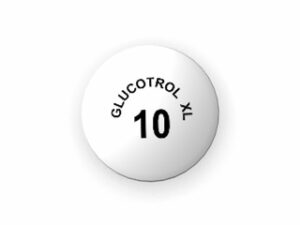
10) What if my tablets look different from before?
Different tablet strengths or release types can affect how the medicine works. If the appearance or instructions differ from what you previously used, confirm with your pharmacist before taking them.
When to contact a healthcare professional urgently
- Signs of severe hypoglycaemia: confusion, inability to eat/drink, fainting, seizures, or very drowsy/unresponsive behaviour
- Persistent vomiting, inability to keep fluids down, or severe illness
- Any concerns that your blood glucose is dangerously high or low despite treatment
If you’re unsure what to do, it’s better to seek advice promptly.
Remember: The safest and most effective use of Glucotrol comes from combining it with regular meals, consistent dosing timing, blood glucose monitoring when advised, and ongoing review of your diabetes plan.