
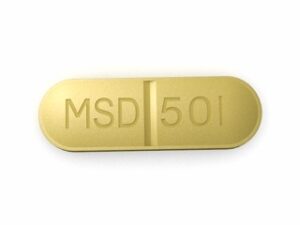
Imuran (Azathioprine) — Patient Guide (Australia)
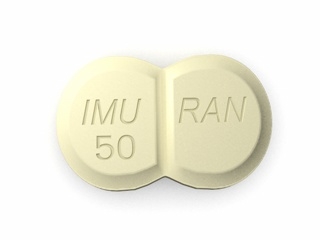
Imuran is a brand name for azathioprine, a medicine used to reduce the activity of your immune system. It is commonly prescribed for certain long-term immune-related conditions and for people who need to help prevent organ rejection after a transplant.
This guide explains how Imuran works, how it is used, what to expect, safety considerations, and practical tips—written to be helpful and easy to read.
Basic Product Information
| Item | Details |
|---|---|
| Generic name | Azathioprine |
| Brand name | Imuran |
| Medicine type | Immunosuppressant (antimetabolite) |
| Common form | Oral tablets (strengths vary by local supply) |
| How it’s used | Taken by mouth, often once or twice daily depending on the prescribed plan |
| Monitoring | Regular blood tests are usually required |
How Imuran Works (Mechanism of Action)
Imuran (azathioprine) helps control immune activity by interfering with how certain immune cells multiply.
- Prodrug conversion: After you take it, azathioprine is converted inside the body to active substances.
- Nucleic acid effects: The active metabolites can reduce the building blocks needed for DNA/RNA formation in rapidly dividing cells.
- Immune suppression: This mainly affects immune cells, which helps reduce inflammation and immune-mediated damage.
Because it works on immune cell activity rather than giving immediate symptom relief, benefit can take time.
Pharmacokinetics (What the Body Does to the Medicine)
Pharmacokinetics describes how the body absorbs, processes, and eliminates a medicine.
- Absorption: Azathioprine is absorbed after oral administration; food can influence tolerance more than overall exposure.
- Metabolism: It is metabolised in the liver and other tissues into active and inactive metabolites.
- Elimination: Metabolites are cleared primarily through the liver and kidneys.
- Time to effect: Because immune cell turnover and metabolic pathways take time, clinical improvement often develops over weeks.
Important: Some people have genetic or enzyme-related differences that can increase risk of side effects—particularly with lower activity of an enzyme called TPMT.
Typical Uses of Imuran
Imuran is used to control diseases where the immune system is too active. Common uses in clinical practice include:
- Transplant medicine: Prevention of organ rejection in transplant recipients (commonly as part of combination therapy).
- Autoimmune conditions:
- Inflammatory bowel disease (including Crohn’s disease and ulcerative colitis)
- Autoimmune hepatitis
- Other immune-mediated conditions as determined by specialist care
Your treating team may choose azathioprine when longer-term immune control is needed and when other options are not suitable.
How Long Does It Take to Work?
Imuran is not a “fast relief” medicine for most conditions.
- Early response: Some improvement may begin within 2–6 weeks.
- Full effect: It may take 8–12 weeks (sometimes longer) to reach maximal benefit.
- Monitoring period: Dose adjustments and safety checks often occur during the first weeks.
It’s important to keep taking it consistently as directed, even if symptoms improve slowly.
Indications (When It May Be Used)
In Australia, azathioprine is used in clinical settings for established indications such as:
- Prevention of graft rejection in transplant recipients
- Management of certain chronic inflammatory or autoimmune diseases
- Examples include inflammatory bowel disease and autoimmune hepatitis, depending on individual circumstances and specialist assessment
Note: Indications can differ based on patient factors and clinical guidelines. Your healthcare professional will determine whether azathioprine is appropriate for your diagnosis.
Dosing (General Information)
Imuran dosing varies widely depending on the condition being treated, age, body weight, blood test results, and genetic/enzyme factors.
- Typical approach: Many patients start at a lower dose and may be increased based on tolerance and laboratory monitoring.
- Weight-based dosing: Dose calculations often relate to body weight in certain indications.
- Blood test guided: White blood cell count and liver function tests help guide safe dosing.
Common practical schedule: Some people take it once daily, while others take it in divided doses (e.g., morning and evening). Follow your personal dosing plan.
Do not change the dose without medical advice. Because azathioprine affects immune activity and blood cell production, dose adjustments must be done carefully.
Timing and How to Take Imuran
Consistent timing helps maintain stable levels and reduces missed doses.
- Choose a regular time: Take it at the same time(s) each day.
- With or without food: Taking with food can reduce stomach upset for some people.
- If you miss a dose: Take it when you remember on the same day. If it’s close to your next dose, skip the missed dose and continue as scheduled. Avoid doubling doses.
Swallow whole: Tablets should typically be swallowed whole with water. If you have difficulty swallowing, discuss options with your pharmacist or prescriber.
Food Interactions
Food does not usually “cancel out” Imuran, but it can affect how comfortable you feel while taking it.
- Food and nausea: If you experience nausea, taking Imuran after food may help.
- Grapefruit: There are no universal recommendations specific to grapefruit for azathioprine, but grapefruit can interact with some medicines via liver enzymes. If you regularly consume grapefruit, ask a pharmacist if it’s relevant for your overall medication list.
- Diet changes: Maintain a balanced diet. If you have inflammatory bowel disease, bowel tolerance varies—your healthcare team can suggest practical strategies.
Always check your full medication list for interaction risk. Azathioprine is more sensitive to certain drugs than to food.
Alcohol and Medicine Interactions
Alcohol may increase strain on the liver, and azathioprine can also affect liver function. Combining them may increase risk of liver-related side effects.
- Liver safety: If you drink alcohol, discuss a safe amount with your clinician, especially if you have hepatitis or abnormal liver tests.
- Watch for warning signs: Seek medical advice promptly if you develop yellowing of the skin/eyes, dark urine, severe fatigue, or persistent nausea/vomiting.
Practical approach: Many patients aim to limit alcohol as much as possible while on immunosuppressants, but the best guidance depends on your liver health and condition.
Medicine Interactions (Important)
Azathioprine has several important drug interactions. Some can significantly increase side effects; others can reduce effectiveness.
Key interaction groups to discuss with your pharmacist
-
Allopurinol and febuxostat (gout medicines)
These can markedly increase azathioprine levels. Dose adjustments are often required or alternatives may be preferred. -
Other immunosuppressants
Combination can increase infection risk. Monitoring may be intensified. -
Warfarin (and some other medicines affecting clotting)
Interaction potential exists; INR monitoring may change. -
ACE inhibitors / certain cardiovascular medicines
Depending on the individual, interaction risks may include blood count changes in rare cases. -
Ribavirin (for viral infections)
May increase risk of blood-related toxicity. -
Vaccines and infection-prevention treatments
Live vaccines generally may not be suitable during immunosuppressive therapy. Non-live vaccines may still be recommended, but timing and effectiveness can vary.
Always tell your pharmacist and doctor about:
- Prescription medicines
- Over-the-counter products
- Herbal supplements
- Recent antibiotics/antivirals
If you start, stop, or change any medicine, double-check interaction risk for azathioprine.
Safety Profile (What to Watch For)
Like all immunosuppressants, Imuran can cause side effects. Many are uncommon, but it’s important to know the risks and what monitoring is designed to prevent.
Commonly monitored issues
- Blood cell suppression: Low white blood cells can increase infection risk; low platelets can affect bleeding risk.
- Liver test abnormalities: Some people develop elevated liver enzymes.
Potential side effects (seek advice urgently if severe)
- Signs of infection: fever, chills, persistent sore throat, unusual cough, burning with urination
- Unusual bruising or bleeding
- Severe nausea/vomiting or inability to keep fluids down
- Allergic-type reactions: rash, swelling, breathing difficulty
- Yellowing of skin/eyes (jaundice) or dark urine
Rare but serious reactions
Serious hypersensitivity and inflammation of the liver/lungs have been reported with azathioprine in rare circumstances. Because symptoms vary, immediate medical review is important if you experience severe or rapidly worsening symptoms.
TPMT testing and enzyme considerations
Before or early in treatment, clinicians often consider TPMT (thiopurine methyltransferase) status because:
- Low TPMT activity can increase the chance of significant blood toxicity.
- Higher-risk dosing strategies may be used for different TPMT activity levels.
Practical Use Tips (Make Treatment Easier)
- Keep up with blood tests: Regular monitoring is a core part of using azathioprine safely.
- Know your baseline: If you have symptoms or previous lab abnormalities, keep a record of your latest full blood count (FBC) and liver function tests (LFTs).
- Prevent missed doses: Use a daily reminder on your phone or a pill organiser.
- Plan for “slow start”: If you’re expecting fast relief, it may be frustrating. Track symptoms and discuss progress at follow-up.
- Infection precautions: Good hygiene, avoiding close contact with people who are unwell, and reporting infections early can help.
- Sun protection: Immunosuppressants can increase long-term skin cancer risk. Use sun-safe practices (hat, SPF, shade) and report suspicious skin changes.
- Pregnancy/contraception planning: If pregnancy is a possibility, discuss with your clinician early—family planning requires individualised advice.
When to Contact a Healthcare Professional
Contact your healthcare provider promptly if you experience:
- Unexplained fever or infection symptoms
- Persistent vomiting or inability to eat/drink
- Severe tiredness, pale skin, or unusual bruising/bleeding
- Yellowing of skin/eyes or severe abdominal pain
- A rash that is spreading or associated with swelling
Alternative Options
Depending on the condition being treated, there are alternative immunosuppressive and anti-inflammatory therapies. Options can include:
- Other immune-modulating medicines (choice depends on diagnosis and disease severity)
- Corticosteroids for short-term control in some conditions (with careful long-term planning)
- Biologic therapies or targeted agents for certain immune conditions
- Specialist-only options for transplant protocols or refractory disease
Your specialist can explain which alternatives are most suitable for you based on your diagnosis, past treatment response, and safety monitoring needs.
Imuran in Australia: Market and Legal/Access Context
In Australia, azathioprine is a registered medicine. Access is typically arranged through established healthcare pathways. Medicines in this category may be subject to regulatory requirements and prescribing rules.
Pharmacy supply: Online pharmacies and physical pharmacies may supply medicines according to local legal requirements, documentation, and medication safety checks.
Safety monitoring expectations: Due to immunosuppressive effects, Australian clinical practice commonly includes regular blood tests and follow-up reviews.
Recent Guidance and Clinical Practice Notes
Clinical guidance for immunosuppressants like azathioprine may evolve over time. Common current themes include:
- Careful baseline assessment (including relevant blood counts and liver function)
- TPMT (or similar) enzyme considerations to support safer dosing
- Regular monitoring of full blood counts and liver function tests
- Infection risk awareness, including careful review of vaccination status
- Sun safety as part of long-term risk reduction
For the most accurate advice, follow the plan provided by your healthcare team and any current local guideline recommendations for your condition.
Delivery and Availability (Online Pharmacy)
Availability can vary based on stock levels and packaging size. When ordering online:
- Check strength and formulation: Ensure the product matches what your healthcare plan expects.
- Allow for processing and dispatch time: Delivery times depend on your location and service level.
- Storage: Store tablets in a cool, dry place and follow the label instructions.
For up-to-date availability and estimated delivery time, check the product page at checkout. If you need a specific strength or quantity, contact customer support to confirm stock.
FAQ
1) Is Imuran the same as azathioprine?
Yes. Imuran is a brand name for azathioprine.
2) Why do I need blood tests while taking Imuran?
Azathioprine can affect white blood cells and liver function. Regular blood tests help detect side effects early so dosing can be adjusted and safety maintained.
3) Will Imuran make me feel better right away?
Often not. Many people start to see improvement within 2–6 weeks, with fuller benefit sometimes taking 8–12 weeks. This varies by condition and individual response.
4) Can I take Imuran with food?
Yes. Taking it with food may reduce stomach upset for some people. If you notice nausea, discuss timing adjustments with your pharmacist.
5) What alcohol is safe?
Because azathioprine can affect the liver, it’s best to discuss alcohol intake with your clinician—especially if you have any liver disease or abnormal liver tests. Many people choose to limit alcohol while on treatment.
6) What should I do if I miss a dose?
Take it when you remember on the same day, unless it’s close to your next dose. Don’t double up. If you’re unsure, ask a pharmacist.
7) Are there vaccines I should avoid?
During immunosuppressive therapy, live vaccines may not be suitable. Vaccination plans should be individualised. Discuss your vaccination schedule with your healthcare provider.
8) Can I stop Imuran suddenly if I feel better?
Stopping abruptly can cause your disease to flare. If stopping is considered, it should be done under medical guidance with a taper/plan where appropriate.
9) What symptoms mean I should seek urgent help?
Urgent medical advice is recommended for severe infection symptoms (e.g., fever), breathing difficulty, significant bleeding or bruising, jaundice (yellow skin/eyes), or severe allergic-type reactions.
10) What are common drug interactions to know about?
Particular caution is needed with medicines such as allopurinol or febuxostat (for gout) and with other immunosuppressive or blood-related medicines. Always check interactions by sharing your full medicine list with a pharmacist.
Summary
Imuran (azathioprine) is an oral immunosuppressant used for conditions such as transplant rejection prevention and certain immune-mediated diseases. It works by reducing immune cell activity, which means benefits may take weeks to build. Safe use relies on regular blood tests, attention to drug interactions, and prompt reporting of infection or other concerning symptoms.
If you have questions about how to take Imuran safely or how it may interact with your other medicines, speak with a pharmacist or healthcare professional.