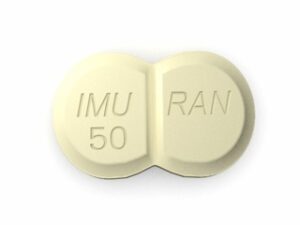
Benemid (Probenecid) – Patient-Friendly Guide
Benemid is the brand name for probenecid, a medicine used to help manage certain conditions where uric acid levels are elevated. This guide explains what Benemid is for, how it works, how it’s usually taken, and key safety information—written for patients and carers in Australia.
Important: Medicines affect people differently. Always follow the advice provided by your healthcare professional and the instructions on the product label.
1) Basic product information
| Feature | Details |
|---|---|
| Generic name | Probenecid |
| Brand name | Benemid |
| Medicine type | Uricosuric (helps the kidneys remove uric acid) |
| Common forms | Oral tablets (strengths may vary by product) |
| Therapeutic area | Gout / hyperuricaemia (in selected patients) |
| Where it is used | Australia (availability depends on stock and supplier) |
2) How Benemid works (mechanism of action)
Probenecid lowers blood uric acid levels primarily by increasing the amount of uric acid released into the urine. It does this by blocking specific transporters in the kidney’s tubules (protein “carriers” that normally reabsorb uric acid back into the bloodstream).
- Increased uric acid excretion: More uric acid leaves the body through the kidneys.
- Lower serum uric acid: Over time, this can reduce the risk of gout flares and the formation of uric acid stones in suitable patients.
Note: In early treatment, lowering uric acid can temporarily trigger flare-ups in some people. This is why clinicians often consider strategies to reduce early flare risk.
3) Pharmacokinetics (how the body handles probenecid)
Pharmacokinetics describes what happens to a medicine after you take it.
- Absorption: Probenecid is absorbed from the gastrointestinal tract after oral dosing.
- Distribution: It circulates in the bloodstream and distributes to body tissues.
- Metabolism: Probenecid undergoes hepatic processing (metabolic pathways vary between individuals).
- Elimination: The kidneys play a major role in clearing the drug and influencing uric acid handling.
- Half-life (general concept): The drug’s effect and presence in the body last long enough to support twice-daily or divided dosing schedules used in practice.
If you’d like, your pharmacist can explain how dosing timing affects you personally.
4) What Benemid is used for (indications)
Benemid is used to help treat or prevent complications related to elevated uric acid, particularly in people with gout. Typical uses include:
- Chronic gout where the pattern of uric acid overproduction or under-excretion is suitable for uricosuric therapy.
- Prevention of uric acid kidney stones in people who have recurrent stones due to high uric acid.
- Hyperuricaemia in selected cases (based on specialist assessment and overall risk).
Who may not be a good candidate: Some people may not benefit from probenecid depending on kidney function, history of kidney stones, and other factors (including certain medications and blood/urine findings). Your prescriber will assess suitability.
5) Typical timing and how to take Benemid
How Benemid is timed can influence effectiveness and comfort.
- Common dosing schedules: Often divided into two doses per day to maintain steadier drug levels.
- Consistency is key: Take it at roughly the same times each day.
- Hydration: Adequate fluid intake is commonly advised to reduce the risk of uric acid stones while uric acid levels are being managed.
Early phase: If you’re starting Benemid, expect that gout flares may occur during the first months as uric acid levels shift. Follow your healthcare professional’s plan for flare prevention or treatment.
6) Dosing information (general guidance)
Dosing varies based on your condition, kidney function, and how you respond. Below is general information commonly used as a starting point; your exact dose should come from your healthcare professional and the product label.
Adults – general dosing approach
- Starting dose: Many regimens begin with a lower dose, then adjust gradually.
- Titration: The dose may be increased based on uric acid levels, tolerance, and risk of side effects.
- Maximum dose: There is usually an upper limit used in practice; do not exceed it unless directed by a clinician.
Children
Use in children is generally more restricted and depends on specialist evaluation. Dosing should be determined by a paediatric clinician.
Kidney function
Because probenecid interacts closely with kidney transport and uric acid excretion, kidney function must be assessed. People with significant renal impairment may be unsuitable or require careful specialist guidance.
Practical tip: If you miss a dose, take it when you remember unless it is close to the time for the next dose. Avoid doubling doses.
7) Food interactions and dietary considerations
Probenecid can be taken with or without food depending on what suits you. However, food-related effects may include comfort and absorption for some individuals.
- Take with food if you get nausea: Some people find tablets easier to tolerate with a meal.
- Uric-acid friendly lifestyle: Diet and hydration can support uric acid management.
Dietary tips that may help gout and uric acid
- Increase water intake (unless restricted by another condition).
- Limit purine-rich foods (for example, certain organ meats).
- Moderate high-fructose drinks (such as sugar-sweetened beverages).
- Be mindful with alcohol—especially beer and spirits.
8) Alcohol and medicine interactions
Alcohol
Alcohol is a common trigger for gout flares. While probenecid is not “blocked” by alcohol in the same way as some medicines, drinking alcohol may increase uric acid levels and risk flare-ups.
- Recommendation: Keep alcohol intake low or avoid it if you notice it triggers symptoms.
- Watch for interactions: If alcohol also affects your liver or overall health, this can change how safe certain treatments are.
Other medicine interactions
Probenecid affects kidney transporters. That means it can alter the clearance of other medicines. Always tell your pharmacist or clinician about your full medication list, including vitamins, herbal products, and occasional pain relief.
Common interaction categories include:
- Penicillin antibiotics and some other beta-lactam antibiotics (may have altered levels).
- Certain uric acid–related medicines used for gout management—combining may be inappropriate depending on the plan.
- Medicines eliminated by the kidneys (particularly those that use similar transport pathways).
- Other drugs that may increase stone risk or affect kidney function.
High-alert situations: If you are starting a new antibiotic, new pain relief, or any kidney-related medication, get advice first to prevent harmful changes in drug levels.
9) Safety profile and side effects
Like all medicines, Benemid can cause side effects. Many people experience none or mild effects, but it’s important to know what to watch for.
Common or possible side effects
- Nausea or stomach upset
- Headache
- Rash or skin irritation
- Dizziness or tiredness
- Increased risk of uric acid stones if hydration is poor or urine conditions are unfavorable
Serious side effects (seek urgent medical advice)
- Signs of an allergic reaction: swelling of face/lips, difficulty breathing, widespread hives
- Severe skin reactions
- Kidney problems: reduced urine output, flank pain, blood in urine
- Severe infection symptoms or unexplained fever with rash
Monitoring that clinicians may use
- Uric acid levels to confirm the medicine is working.
- Kidney function tests (e.g., serum creatinine, eGFR).
- Urine uric acid/urine characteristics in some cases.
10) Practical use tips for better results
- Stay well hydrated: This is one of the most practical ways to reduce stone risk.
- Be patient: Benemid is typically used to lower uric acid over time. Relief from flares may not be immediate.
- Track symptoms: Note flare frequency and severity. This helps your clinician adjust the plan.
- Use consistent dosing: Don’t skip doses; irregular use can affect uric acid control.
- Don’t “double up”: If you miss a dose, follow general missed-dose guidance rather than doubling.
- Know your red flags: Seek urgent advice for allergic reactions or severe kidney symptoms.
11) Alternative options (if Benemid isn’t suitable)
There are several approaches to gout and high uric acid. Alternatives depend on your medical history, kidney function, and flare risk.
Non-medicine approaches
- Diet and lifestyle changes to reduce uric-acid triggers
- Weight management if appropriate
- Hydration to support kidney clearance
Medicine alternatives (discuss with a clinician)
- Allopurinol – reduces uric acid production (commonly used).
- Febuxostat – also reduces uric acid production; suitability depends on cardiovascular factors.
- Other uricosurics in selected cases (availability varies and suitability must be assessed).
- Flare medicines for acute gout attacks and prevention during starting therapy (your clinician will choose based on your health).
Your best option depends on the reason your uric acid is high (under-excretion versus overproduction), your kidney function, and how you tolerate treatments.
12) Market and legal context for Australia (availability and guidance)
In Australia, medicines are supplied according to the Australian regulatory framework and classification requirements under the relevant authorities. Patient access to medicines may involve prescriber involvement depending on the product’s schedule and intended use.
Availability: Benemid/probenecid availability can vary between pharmacies and suppliers. Online pharmacies may provide information about expected delivery times and stock status, where applicable.
Australian safety expectations: Reputable suppliers provide accurate product information, appropriate packaging, and compliant delivery practices. If a medicine is not available locally, suppliers may advise alternatives or alternative supply routes consistent with Australian requirements.
13) Recent guidance and clinical updates (general overview)
Clinical guidance for gout management continues to evolve, focusing on:
- Individualised uric acid targets based on gout severity and risk.
- Preventing early flare-ups when urate-lowering therapy is initiated or adjusted.
- Assessing kidney function before and during urate-lowering treatment.
- Reviewing drug interactions to avoid kidney-related or antibiotic-related complications.
Your healthcare professional may recommend lab monitoring and adjustment of therapy to achieve stable uric acid control with the lowest possible risk.
14) Delivery and availability through online pharmacy
When ordering from an online pharmacy, delivery and availability typically depend on local stock, supplier arrangements, and your location within Australia.
- Stock status: Products may show real-time availability; if unavailable, the site may offer estimated restock dates or alternatives.
- Delivery timeframes: These vary by courier and region. Always review estimated delivery times at checkout.
- Packaging: Medicines should arrive in the original manufacturer packaging with clear labelling.
- Cold chain: Benemid is generally not a cold-chain product; however, check product handling instructions where provided.
If you have any concerns about receiving or storing your medicine, ask your pharmacist.
15) FAQ – Frequently asked questions
How long does Benemid take to work?
Benemid works gradually by reducing uric acid levels. Some people may notice changes over weeks, while full benefit for flare prevention may take longer. Your clinician may monitor uric acid and adjust dosing accordingly.
Will Benemid stop gout attacks immediately?
It usually doesn’t stop attacks immediately. Because uric acid levels change over time, gout flares can still occur—particularly early in treatment. Your clinician may recommend additional flare prevention strategies.
Can I drink alcohol while taking Benemid?
Alcohol can trigger gout flares and may worsen uric acid control. It’s best to limit alcohol or avoid it if you find it affects your symptoms. Ask a pharmacist if you have liver or kidney concerns.
What foods should I avoid?
Common dietary triggers include high-purine foods and sugar-sweetened drinks (especially those high in fructose). Hydration and general dietary moderation often help support uric acid management.
Does Benemid interact with antibiotics?
Yes. Probenecid can affect how the kidneys clear some medicines, including certain antibiotics (such as some penicillins). Always check with a pharmacist before starting new medications.
What should I do if I miss a dose?
Take it as soon as you remember unless it’s nearly time for your next dose. Do not take extra doses to make up for a missed tablet.
When should I seek urgent help?
Seek urgent medical advice if you experience signs of severe allergy (swelling, breathing difficulty, widespread rash) or symptoms suggesting kidney problems (severe flank pain, blood in urine, significantly reduced urine output).
How will my doctor monitor my treatment?
Monitoring often includes kidney function tests and blood uric acid levels. In some cases, urine testing may be used to assess risk of uric acid stones.
Can I take pain relief for a gout flare while on Benemid?
Many people use flare treatments alongside urate-lowering therapy. Which pain relief is appropriate depends on your health (including kidney function and other medicines). Speak to a clinician or pharmacist to choose a safe option.
Is Benemid suitable for everyone with gout?
No. Suitability depends on factors like kidney function, history of uric acid stones, and interaction risks with other medicines. A clinician can determine whether probenecid is appropriate for you.
16) Summary
Benemid (probenecid) helps manage gout and related high uric acid problems by increasing uric acid removal through the kidneys. It requires careful dosing, good hydration, and attention to interactions—especially with other medicines that may also be cleared by the kidneys or that could affect gout management. If you have kidney issues, a history of uric acid stones, or you take multiple medicines, discuss your specific situation with a healthcare professional.
Always read the label and follow healthcare advice. If you have questions about dosing timing, interactions, or side effects, contact a pharmacist for guidance.