

Hydrea (Hydroxyurea) – Patient Information (Australia)
Hydrea contains hydroxyurea, a medicine used in a range of blood-related conditions and certain cancers. This page explains how Hydrea works, what it’s used for, how it is taken, and important safety information—written in clear, patient-friendly language for people in Australia.
Always follow the advice of your healthcare team for your individual situation. If you have any questions or experience side effects, contact your clinician or pharmacist promptly.
Key product information
| Feature | Details |
|---|---|
| Medicine name | Hydrea |
| Active ingredient | Hydroxyurea |
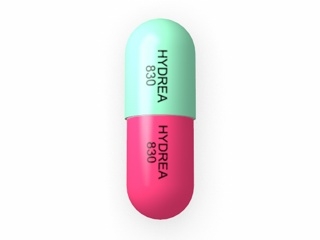
| What it comes in | Usually available as oral tablets/capsules depending on brand packaging and supply |
| Therapeutic category | Antimetabolite / cytotoxic (cancer and blood disorder medicine); also used in selected non-malignant blood conditions |
| Common monitoring | Regular blood tests (full blood count), kidney and liver monitoring as advised |
| Major cautions | Bone marrow suppression, infection risk, mouth ulcers, skin reactions, pregnancy/breastfeeding risks |
How Hydrea works (mechanism of action)
Hydroxyurea is an “antimetabolite” medicine. In simple terms, it interferes with the way cells make DNA. This can slow down or stop fast-growing or abnormal cells from dividing.
It also affects the production of certain blood cell lines, and it can reduce overproduction of blood cells. The exact reasons it benefits each condition vary, but the common theme is that it helps control abnormal cell growth and can reduce the risk of complications related to uncontrolled blood cell production.
Pharmacokinetics (how your body handles it)
Pharmacokinetics describes what the body does to a medicine—how it’s absorbed, distributed, metabolised, and eliminated. While individual experiences vary, the following helps you understand general patterns:
- Absorption: Hydroxyurea is absorbed after oral administration. Food can influence the rate of absorption, which is why consistent timing with respect to meals may be recommended.
- Distribution: It distributes through the body, reaching areas where abnormal blood cells are active.
- Metabolism: Hydroxyurea is metabolised primarily in the liver.
- Elimination: It is cleared from the body largely through the kidneys. People with reduced kidney function may require closer monitoring and/or dose adjustment by their clinician.
- Onset: Effects on blood counts may take days to weeks, and monitoring is used to guide dose changes.
What Hydrea is used for (typical use)
Hydrea is used under specialist guidance for several conditions. Common reasons include:
- Myeloproliferative neoplasms (MPNs): such as polycythaemia vera and essential thrombocythaemia, where the goal is often to reduce the risk of clotting and to control high blood counts.
- Some forms of cancer: it may be used as part of treatment plans, including in combination with other medicines or treatments, depending on the diagnosis.
- Other selected blood-related uses: in certain scenarios, hydroxyurea may be chosen by specialists when benefits outweigh risks.
Your healthcare team will explain the specific goal for you (for example, controlling blood counts, reducing symptoms, or part of a cancer regimen).
When and how to take Hydrea (timing and routine)
Use the dosing schedule given by your clinician exactly. Hydroxyurea can be given on different day schedules, depending on the condition and your blood test results.
General timing tips
- Take at the same time each day to help you remember and maintain consistent blood levels.
- If you miss a dose: follow the instructions provided by your healthcare team or pharmacist. In general, do not double up unless you are specifically told to.
- Do not change your dose: dose adjustments are typically based on blood test results and side effects.
Consistency with meals
Hydroxyurea’s absorption may be affected by food. Many patients are advised to take it either with food or without food, consistently. Choose the method recommended for you and stick with it.
Food interactions
There are no universal “food must be avoided” rules for hydroxyurea for all patients, but the key practical point is: be consistent.
- Consistency matters: Taking Hydrea with food one day and without food the next may alter absorption and timing.
- Grapefruit and certain juices: if you use grapefruit products, ask your pharmacist whether they are relevant to your specific medicines, as grapefruit can interact with some drugs. (Whether it affects hydroxyurea directly may vary, but interactions can occur via other medicines you take.)
- Hydration: staying well hydrated may support kidney function—especially if you experience nausea or reduced intake. Follow any fluid advice your clinician provides.
Alcohol and medicine interactions
Alcohol can affect liver function, dehydration risk, and your ability to tolerate side effects such as nausea or mouth ulcers. While moderate alcohol may be possible for some people, it is safer to: check with your clinician or pharmacist about what level of alcohol is appropriate for you.
Potential concerns
- Liver strain: hydroxyurea is metabolised in the liver; heavy alcohol intake could increase strain.
- Reduced nutrition: alcohol may worsen appetite or nutrition, which can be important during treatment.
- Drug interactions: alcohol may increase dizziness or fatigue when combined with other medicines that cause similar effects.
Other medicine interactions (important)
Hydroxyurea can interact with medicines that affect blood cell production or the immune system. Tell your pharmacist or doctor about all medicines you use, including:
- warfarin or other anticoagulants/antiplatelet medicines
- medicines that suppress the immune system
- other chemotherapy or cancer medicines
- medicines that may affect kidney or liver function
- supplements and herbal products
If you start or stop any medicine, inform your healthcare team. Never assume supplements are “safe” because they are natural.
Indications (when doctors prescribe it)
In Australia, Hydrea is typically prescribed for established indications such as:
- Polycythaemia vera (to help control blood counts and lower risk of complications)
- Essential thrombocythaemia (to reduce clotting risk by managing high platelet counts)
- Selected cancer uses (including situations where hydroxyurea forms part of a treatment plan)
Your diagnosis and overall health determine whether hydroxyurea is appropriate and what dose schedule is used.
Dosing (what to expect)
Dosing varies widely depending on the condition, blood test results, age, kidney function, and how well your body tolerates treatment. Hydroxyurea may be prescribed as:
- Daily dosing for some conditions, or
- Intermittent schedules (for example, certain days per week) based on response and side effects.
Your clinician will set the starting dose and then adjust it based on your full blood count and symptoms. It is common to have dose changes over time.
Monitoring drives dosing
- Regular blood tests are essential because hydroxyurea can reduce blood cells.
- If counts are too low, your clinician may pause or reduce dosing until recovery.
- If counts remain high and side effects are manageable, dosing may be adjusted upward to reach target levels.
Safety profile (side effects and warning signs)
Like all medicines, Hydrea can cause side effects. Many are manageable, but some require urgent attention. The most important risks are related to effects on bone marrow and the skin/mouth.
Common or expected side effects
- Mouth sores (stomatitis), mouth ulcers
- Nausea or stomach upset
- Fatigue
- Loss of appetite
- Skin changes (rash, dryness, or redness)
- Hair thinning in some people
- Changes in blood counts (low white cells, red cells, or platelets), which may be detected on routine tests
Serious risks – when to seek help urgently
Contact your healthcare provider immediately or seek urgent care if you notice any of the following:
- Signs of infection: fever, chills, sore throat, or feeling unusually unwell (because white blood cells may be reduced)
- Unusual bleeding or bruising: nosebleeds that won’t stop, bleeding gums, black/tarry stools, or significant bruising (possible low platelets)
- Severe mouth ulcers, inability to eat/drink, or worsening pain
- Shortness of breath, chest pain, or extreme weakness (possible anaemia or other complications)
- Allergic reaction: swelling of face/lips, difficulty breathing, widespread rash with blistering
Skin protection advice
Some people using hydroxyurea develop skin reactions, and it may increase sensitivity to sunlight. Protect your skin by:
- using broad-spectrum sunscreen
- wearing protective clothing and a hat
- avoiding prolonged sun exposure
Pregnancy, fertility, and breastfeeding
Hydroxyurea can be harmful to an unborn baby. It is important to discuss pregnancy prevention and family planning early. If you are trying for a baby, are pregnant, or could become pregnant, talk to your clinician right away.
- Contraception: use reliable contraception as advised.
- Breastfeeding: breastfeeding should be discussed with your healthcare team because potential risks exist.
- Fertility: treatment may affect fertility for some people; ask about options before starting.
Practical use tips (how to take Hydrea safely)
- Use a routine: choose a daily time you can reliably remember. Keep the medicine where children cannot access it.
- Keep track of appointments: blood tests are a key part of safe treatment.
- Report side effects early: mouth sores and mild skin rashes can often be treated before they worsen.
- Hydrate: drink water regularly unless you’ve been advised otherwise.
- Oral care: maintain good oral hygiene; consider sugar-free products if mouth irritation occurs. Avoid harsh mouthwashes unless recommended.
- Avoid unnecessary exposure: sunscreen and protective clothing can reduce skin complications.
- Don’t share medicine: never share Hydrea with others—even if symptoms seem similar.
- Handling precautions: if tablets/capsules are broken or crushed, avoid direct skin contact. Ask your pharmacist for advice if you have difficulty swallowing or need an alternative approach.
Alternative options
Depending on your diagnosis, alternative treatments may include other medications or different strategies. Your healthcare team will choose the option that best fits your condition, blood test targets, and side effect risks.
For myeloproliferative neoplasms (MPNs)
- Interferon-based therapies (in selected patients)
- Other cytoreductive medicines used in specific settings
- Low-dose aspirin may be used in some conditions to reduce clotting risk (your clinician will advise)
- Phlebotomy (for some people with polycythaemia vera)
For cancer-related indications
Alternatives depend strongly on the cancer type and stage. Hydroxyurea may be replaced with other chemotherapy agents, targeted treatments, radiation, or combination regimens as appropriate.
If you’re interested in alternatives, discuss them with your clinician—especially if you’ve had significant side effects or your blood counts are hard to manage.
Australia market and legal context (what this means for you)
In Australia, medicines are supplied and used under Australia’s medicines framework. Hydroxyurea-containing products are regulated according to their intended use and risk profile.
- Authorised medicine supply: Hydrea is supplied through appropriate healthcare channels.
- Safety monitoring: because hydroxyurea can affect blood counts, ongoing clinical supervision and laboratory monitoring are standard.
- Pharmacist support: pharmacists can help check interactions, explain how to take the medicine, and advise on side effect management.
Availability can vary by supplier and stock levels. If Hydrea isn’t available at the time you order, your pharmacy may offer guidance on next steps.
Recent guidance and “what to watch”
Medical guidance for hydroxyurea use evolves based on ongoing research, safety data, and experience in clinical practice. In general, recent themes in clinical guidance for patients on hydroxyurea include:
- More structured monitoring: regular blood tests and dose adjustments to reduce risk of severe cytopenias.
- Infection vigilance: clear instructions for when to seek help if fever or infection signs occur.
- Skin safety: emphasising sun protection and early reporting of persistent rashes or skin changes.
- Individualised dosing: tailoring dose schedules to response and tolerance rather than a one-size approach.
Your prescribing clinician and treating team may align your care with local protocols and contemporary standards for your condition.
Delivery and availability (online pharmacy experience in Australia)
When ordering online, delivery timelines and availability depend on your location and stock status. Many pharmacies use standard dispatch processes and may provide updates if stock is limited.
- Stock status: if Hydrea is temporarily unavailable, the pharmacy may suggest alternatives or notify you of expected restock times.
- Packaging: medicines are typically delivered in protective packaging to prevent damage.
- Receiving: check the package on arrival and ensure the correct product and strength were supplied.
If you need urgent treatment continuity, contact the pharmacy as soon as possible so they can guide you on options.
FAQ (Frequently Asked Questions)
How long does it take for Hydrea to work?
Some effects, especially changes in blood counts, may be seen within days to weeks, but the full response can take longer. Regular blood tests are used to measure response and guide dose adjustments.
Will I need frequent blood tests?
Yes. Monitoring is a key part of safe hydroxyurea therapy. Your clinician will schedule blood tests to detect low blood cell counts early.
What should I do if I develop mouth sores?
Mouth sores are a common side effect. Contact your healthcare team promptly. They may recommend mouth care measures, topical treatments, or dose adjustments depending on severity.
Is Hydrea safe to take with other medicines?
Many medicines can be taken safely with hydroxyurea, but interactions are possible—especially with medicines that affect the immune system or blood counts. Always provide your pharmacist or clinician with an up-to-date list of medicines, supplements, and herbal products.
Can I drink alcohol while taking Hydrea?
Alcohol may increase side effects and could affect the liver. It’s best to ask your clinician or pharmacist about what amount (if any) is suitable for you. Avoid heavy drinking and seek advice if you notice worsening tiredness, nausea, or other concerns.
What if I miss a dose?
Follow advice from your healthcare team or pharmacist. In many cases, the missed dose is skipped and the usual schedule resumes. Do not double up unless you’ve been told to do so.
How should I store Hydrea tablets/capsules?
Store according to the instructions on the packaging, typically in a cool, dry place away from heat and moisture, and out of reach of children.
Can I become pregnant or breastfeed while on Hydrea?
Hydroxyurea may harm an unborn baby, and breastfeeding should be discussed with your healthcare team. Talk to your clinician about contraception and family planning as early as possible.
What symptoms mean I should seek urgent help?
Seek urgent medical advice for fever or signs of infection, unusual bleeding or bruising, severe shortness of breath/chest pain, severe weakness, blistering skin rash, or signs of an allergic reaction.
Are there non-medicine ways to reduce risks?
For some blood conditions, lifestyle measures can support overall health (for example, staying active within your limits, avoiding smoking, and managing cardiovascular risk factors). Your clinician can advise what applies to your condition.
Summary
Hydrea (hydroxyurea) is a medicine used for selected blood disorders and certain cancers. It works by slowing DNA production in rapidly dividing cells. Because it can affect blood counts, regular monitoring and prompt attention to side effects are essential. For best results and safety, take Hydrea consistently as directed, attend scheduled blood tests, protect your skin from sun exposure, and contact your healthcare team if you experience warning signs such as fever, infections, unusual bleeding, or severe mouth ulcers.