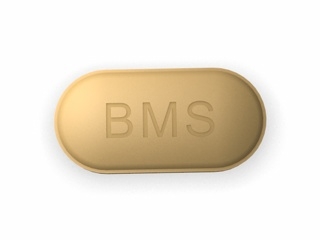
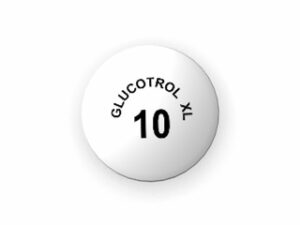

Glucovance (Metformin / Glyburide) — Patient-Friendly Medicine Information (Australia)
Glucovance is a combination medicine used to help control blood glucose (sugar) in adults with type 2 diabetes. It contains two active ingredients:
- Metformin
- Glyburide (also known as glibenclamide in some countries)
This page explains how Glucovance works, how it’s typically taken, important interactions and safety considerations, and practical tips for everyday use in Australia.
Basic product information
| Item | Information |
|---|---|
| Brand name | Glucovance |
| Active ingredients | Metformin / Glyburide |
| Medicinal class | Oral diabetes medicine: biguanide + sulfonylurea |
| Common use | Helps lower blood glucose in adults with type 2 diabetes |
| Form | Oral tablets |
| Where it’s used | Australia (availability can vary by brand/supply) |
How Glucovance works (mechanism of action)
Glucovance combines two complementary medicines. Together, they help reduce blood glucose through different pathways:
- Metformin helps decrease glucose production by the liver and improves insulin sensitivity in body tissues. It also supports healthier glucose handling after meals.
- Glyburide is a sulfonylurea that stimulates the pancreas to release insulin. This can lower blood glucose, particularly when blood sugar is elevated after meals.
Because metformin and glyburide act in different ways, the combination can be effective when one medicine alone isn’t providing adequate blood glucose control.
Pharmacokinetics (how the body processes the medicine)
Pharmacokinetics describes absorption, distribution, metabolism, and elimination. Individual responses vary, especially in people with different kidney function, age, and diet.
Metformin
- Absorption: Metformin is absorbed from the gastrointestinal tract. Food can reduce gastrointestinal side effects.
- Distribution: It distributes into body tissues and is not extensively bound to plasma proteins.
- Elimination: Mainly eliminated by the kidneys. Kidney function is therefore very important for safe use.
Glyburide
- Absorption: Glyburide is absorbed after oral dosing, and taking it with food helps reduce risks related to low blood glucose.
- Metabolism: Glyburide is metabolised in the liver.
- Elimination: Metabolites are eliminated mainly via the kidneys and bile pathways.
For both medicines, dose selection and monitoring should be guided by blood glucose levels and kidney function.
Typical use in type 2 diabetes
Glucovance is used as part of a broader diabetes management plan that includes:
- Healthy eating patterns
- Regular physical activity
- Monitoring blood glucose as advised
- Managing blood pressure and cholesterol
- Avoiding smoking and limiting alcohol (where relevant)
Glucovance is generally considered when type 2 diabetes is not adequately controlled with lifestyle changes alone and/or with other glucose-lowering medicines.
When and how to take Glucovance (timing and routine)
A common feature of Glucovance therapy is taking it with food, because glyburide can increase the risk of low blood glucose (hypoglycaemia).
General timing guidance
- Take with a meal, typically with your main meals (as directed by your healthcare professional).
- Try to take doses at the same times each day to maintain stable blood levels.
- If you miss a dose, do not double up to make up for it. Follow the instructions provided with your medicine and seek advice if you are unsure.
Example daily schedule (illustrative)
Your exact schedule may differ based on your dose and blood glucose results. For many regimens, dosing aligns with breakfast and dinner.
- Morning dose: with breakfast
- Evening dose: with dinner
Always follow the specific directions on the product label and the advice provided by your treating clinician.
Food interactions and dietary considerations
Food plays an important role in the safe use of Glucovance. In particular, taking glyburide-containing medicines with meals reduces hypoglycaemia risk.
Recommended approach
- Eat regular meals and avoid skipping meals.
- If you plan to reduce your usual carbohydrate intake significantly, discuss it with your clinician—your glucose lowering needs may change.
- If you have gastrointestinal upset (nausea, diarrhoea, stomach discomfort), taking metformin with food may help.
Alcohol and meals
Alcohol can increase the risk of low blood glucose and may also affect liver metabolism. It can also increase the risk of lactic acidosis in certain circumstances (particularly with dehydration or heavy alcohol use), so safe alcohol practices are important (see the alcohol section below).
Alcohol interactions (important safety note)
Alcohol can interact with diabetes medicines in several ways:
- Hypoglycaemia risk: Alcohol may lower blood glucose, particularly if meals are skipped or alcohol intake is high.
- Lactic acidosis risk: Metformin is associated with a rare risk of lactic acidosis. Heavy alcohol intake and conditions that increase lactic acid (such as dehydration, infection, or significant liver impairment) can increase this risk.
Practical advice:
- Limit alcohol and avoid binge drinking.
- Avoid alcohol on an empty stomach.
- If you feel unwell (vomiting, diarrhoea, fever, dehydration), delay alcohol and seek medical advice.
If you drink alcohol, discuss a safe limit and strategy with your healthcare professional.
Other medicine interactions (what to watch)
Many medicines can influence blood glucose or kidney/liver function, which can affect Glucovance safety and effectiveness. Always tell your healthcare professional and pharmacist about all medicines and supplements you use.
Common interaction themes
- Medicines that may increase hypoglycaemia risk: some other glucose-lowering medicines, certain antibiotics, and drugs that affect insulin release or blood glucose control.
- Medicines that may raise blood glucose: corticosteroids (e.g., prednisone), some antipsychotics, and certain hormones can counteract glucose-lowering effects.
- Kidney-impacting medicines: some medicines can reduce kidney function and raise metformin levels.
- Contrast media for imaging: certain iodinated contrast procedures can affect kidney function and may require special precautions.
When to seek urgent advice
If you experience symptoms that could indicate very low blood sugar (such as sweating, shaking, confusion, or collapse), treat promptly with fast-acting carbohydrate and seek medical help. Do not drive if you feel faint or confused.
Indications (who Glucovance is for)
Glucovance is indicated for the treatment of type 2 diabetes mellitus in adults to improve blood glucose control. It is typically used when:
- Type 2 diabetes remains inadequately controlled despite lifestyle measures, and/or
- It is appropriate to use a combination approach rather than separate medicines.
Treatment should be individualised based on blood glucose readings, HbA1c, kidney function, age, and risk factors for hypoglycaemia.
Dosing (general guidance)
Dosing varies from person to person. Your doctor or diabetes educator will tailor your dose based on your current regimen, blood glucose levels, and kidney function.
Starting and adjusting
- Start low and titrate: Many regimens begin with a lower dose to reduce side effects and hypoglycaemia risk.
- Adjust based on monitoring: Dose changes are usually guided by blood glucose and HbA1c targets.
- Kidney function matters: Because metformin is cleared by the kidneys, dose and suitability depend on eGFR/creatinine results.
How to take tablets safely
- Swallow tablets whole with water.
- Take with meals to reduce hypoglycaemia risk.
- Keep your routine consistent and do not skip meals.
Note: Do not change your dose or stop Glucovance without medical advice. If you suspect your dose is too high or too low, contact your healthcare professional to review your glucose readings.
Safety profile (side effects and serious risks)
Most people tolerate Glucovance well, but like all medicines it can cause side effects. The most important safety considerations are related to gastrointestinal effects and low blood glucose.
Common side effects
- Gastrointestinal symptoms: nausea, diarrhoea, indigestion, abdominal discomfort
- Reduced appetite in some people
- Headache (less common)
Low blood glucose (hypoglycaemia)
Hypoglycaemia is a key risk with glyburide. It can be more likely if:
- Meals are skipped
- Exercise increases without adjusting food intake
- Another glucose-lowering medicine is used
- Alcohol is consumed
- Kidney function is reduced
Symptoms may include: sweating, shakiness, hunger, dizziness, headache, palpitations, confusion, or weakness.
If you suspect hypoglycaemia, treat with fast-acting carbohydrate (e.g., glucose tablets or sugary drink) and recheck blood glucose if possible. If symptoms are severe or you cannot swallow safely, seek urgent medical assistance.
Lactic acidosis (rare but serious)
Metformin carries a rare risk of lactic acidosis, a condition where lactic acid builds up in the blood. The risk is higher with conditions such as severe dehydration, serious infection, heavy alcohol use, or significantly reduced kidney function.
Seek urgent medical help if you develop concerning symptoms such as:
- Severe weakness or unusual muscle pain
- Rapid or difficult breathing
- Significant sleepiness or feeling unusually unwell
- Unexplained abdominal distress with vomiting
Vitamin B12
Long-term metformin use has been associated with vitamin B12 deficiency in some people. Your healthcare professional may monitor B12 levels, especially if you develop anaemia or nerve-related symptoms (such as tingling or numbness).
Allergy and skin reactions
Seek medical advice for severe rash, swelling, or breathing difficulties. Mild reactions should also be assessed, especially if they persist.
Practical use tips (day-to-day guidance)
- Keep meal timing consistent: Glyburide works best when meals are not skipped.
- Carry quick sugar: If you are at risk of hypoglycaemia, consider keeping glucose tablets or a sugary snack available.
- Hydration matters: Stay well-hydrated, particularly during hot weather or illness.
- Monitor as advised: Use home blood glucose monitoring if recommended, and attend regular HbA1c reviews.
- Foot care and infection prevention: Diabetes care isn’t only about tablets—check your feet regularly.
- Manage sick days: If you become severely unwell (vomiting/diarrhoea, fever, dehydration), contact your healthcare professional promptly for advice about continuing or pausing medicines.
When Glucovance may be temporarily paused (“sick day” considerations)
A number of situations can increase the risk of complications—particularly dehydration and kidney strain. If you have severe vomiting/diarrhoea, significant dehydration, or a serious infection, you should seek medical advice promptly.
Your clinician may recommend pausing certain medicines during acute illness and restarting once you recover. Because Glucovance contains metformin, kidney function and hydration status are especially relevant.
Alternative options (other medicines for type 2 diabetes)
If Glucovance isn’t suitable or doesn’t achieve the desired glucose control, there are many alternative options. Choice depends on your medical history, kidney function, cardiovascular risk, weight goals, side-effect tolerance, and cost/access.
Common alternatives by medicine group
- Metformin alone (if a combination is not needed or to improve tolerability)
- SGLT2 inhibitors (help the kidneys remove glucose; often used when cardiovascular and kidney benefits are considered)
- GLP-1 receptor agonists (help improve glucose control and may support weight loss)
- DPP-4 inhibitors (generally low hypoglycaemia risk)
- Other sulfonylureas (similar class to glyburide, but dosing and risks differ)
- Insulin in some cases when control is insufficient or symptoms are significant
Your healthcare professional can help you compare benefits and risks and determine the best next step.
Glucovance in the Australian market (legal and availability context)
In Australia, diabetes medicines are regulated through the Therapeutic Goods Administration (TGA). Access and supply can vary depending on brand listing, availability, and pharmacy stock.
The availability of specific brands and strengths can change over time, so if you don’t see Glucovance listed, your pharmacist may be able to suggest the nearest equivalent product or an alternative medicine regimen.
For the most accurate information on availability, current listing status, and appropriate use for your situation, consult a registered pharmacist or your diabetes care team.
Recent guidance (high-level overview)
Diabetes care recommendations in Australia commonly emphasise:
- Individualised glucose targets and safety monitoring
- Consideration of cardiovascular and kidney benefits for selected medicine groups
- Risk management for hypoglycaemia (particularly with sulfonylureas)
- Regular assessment of kidney function for metformin safety
- Patient education on “sick day rules” and recognising symptoms of hypo/hyperglycaemia
These themes can influence how clinicians choose medicines and how often monitoring is performed.
Delivery and availability (online pharmacy experience)
When purchasing diabetes medicines online, availability depends on current stock levels and supplier delivery schedules. Many online pharmacies in Australia offer:
- Home delivery to eligible postcodes
- Tracking updates once dispatched
- Secure payment options
- Packaging designed to protect tablets
Storage: Store tablets according to the label instructions—typically at room temperature away from moisture and direct sunlight. Keep medicines out of reach of children.
FAQ — Frequently asked questions
1) Is Glucovance suitable for everyone with type 2 diabetes?
Not always. Suitability depends on factors such as kidney function, risk of hypoglycaemia, other medicines you take, and your individual diabetes profile. Your healthcare professional can confirm whether Glucovance is appropriate.
2) What are the main side effects?
Common side effects include gastrointestinal symptoms (nausea, diarrhoea, stomach discomfort). A key concern is low blood glucose, especially if meals are skipped. Rarely, lactic acidosis can occur—seek urgent medical advice if you develop severe or unusual symptoms.
3) Do I need to take Glucovance with food?
Yes. Taking Glucovance (especially because it contains glyburide) with meals helps reduce the chance of hypoglycaemia and can improve tolerability of metformin-related stomach upset.
4) What should I do if I miss a dose?
Do not double up. Take the next dose at your usual time with food, unless your healthcare professional advises otherwise. If you’re unsure, contact your pharmacist for tailored guidance.
5) Can I drink alcohol while taking Glucovance?
Alcohol may increase the risk of low blood glucose and may raise lactic acidosis risk in certain conditions. Limit alcohol, avoid binge drinking, and never drink on an empty stomach. Seek advice for your personal safe limit.
6) Does Glucovance affect kidney function?
It doesn’t usually damage kidneys directly, but because metformin is eliminated by the kidneys, reduced kidney function can increase metformin levels and safety risk. Kidney function should be monitored regularly.
7) How will I know if my dose is working?
Improvement is usually seen through blood glucose readings and a reduction in HbA1c over time. Your clinician may also review your overall diabetes plan and any side effects to ensure the dose is right for you.
8) What if I get sick (vomiting/diarrhoea, fever)?
Acute illness can cause dehydration and affect kidney function, raising risk—particularly with metformin. Contact your healthcare professional promptly for advice on whether to pause medicines and when to restart.
9) Are there alternatives if I can’t tolerate Glucovance?
Yes. Options may include metformin alone, other oral medicines, injectable treatments, or insulin depending on your needs. Your pharmacist or clinician can help compare options and choose a plan that fits your health goals and safety priorities.
10) Where can I get more information in Australia?
Speak with a registered pharmacist or your diabetes care team. You can also refer to official product information for the specific Glucovance brand/strength you have, including warnings, dose instructions, and storage details.
Summary
Glucovance (metformin/glyburide) is a combination tablet used to improve blood glucose control in adults with type 2 diabetes. It works by both reducing glucose production and increasing insulin release. For safety, it’s important to take it with meals, avoid skipped meals and excessive alcohol, and monitor for signs of low blood glucose or rare serious complications.
If you have questions about whether Glucovance is appropriate for you, how to take it, or how to manage interactions, consult your pharmacist or diabetes care team.