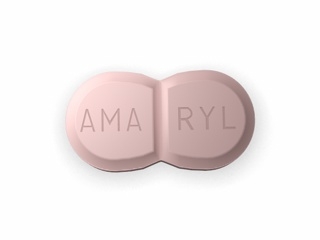

Amaryl (Glimepiride) – Patient-Friendly Guide (Australia)
Amaryl is a brand of glimepiride, a medicine used to help control blood glucose (sugar) in adults with type 2 diabetes. This guide explains how Amaryl works, how to take it safely, common interactions, and what to expect in everyday use in Australia.
Important: Diabetes management is individual. Your clinician may adjust your dose and plan based on your blood sugar results, other health conditions, and other medicines you take.
Quick Facts
- Medicine: Amaryl (glimepiride)
- Medicinal class: Sulfonylurea
- Used for: Type 2 diabetes to improve blood sugar control
- Typical dosing frequency: Once daily (usually with breakfast or the first main meal)
- Key benefit: Helps lower blood glucose by increasing insulin release
- Main risk: Hypoglycaemia (low blood sugar), especially if meals are skipped or doses are high
Basic Product Information
| Category | Details |
|---|---|
| Brand name | Amaryl |
| Generic name | Glimepiride |
| Common formulation | Tablets (strengths vary by product) |
| Therapeutic use | Improves glycaemic control in type 2 diabetes |
| Availability | Commonly available through Australian pharmacy supply chains |
How Amaryl Works (Mechanism of Action)
Amaryl (glimepiride) belongs to the sulfonylurea group. It lowers blood glucose primarily by:
- Stimulating insulin release from pancreatic beta cells
- Enhancing insulin secretion in response to meals
- Reducing blood glucose by helping the body utilise glucose more effectively
Because glimepiride increases insulin release, it can sometimes cause blood sugar to drop too far—particularly if you:
- Skip meals
- Exercise more than usual without adjusting food intake
- Take interacting medicines
- Have reduced kidney or liver function
Pharmacokinetics (How the Body Handles It)
Understanding pharmacokinetics can help you anticipate effects and plan timing.
- Absorption: Glimepiride is absorbed after oral dosing. Taking it with the first main meal of the day may reduce variability in glucose-lowering effects.
- Distribution: It distributes into body tissues and binds to plasma proteins.
- Metabolism: Glimepiride is mainly metabolised in the liver (commonly described as via CYP pathways) to inactive metabolites.
- Elimination: Metabolites are eliminated through the body (primarily via kidneys and through bile/feces pathways depending on metabolism).
- Duration of action: Effects are long enough for once-daily dosing in many patients, but the glucose-lowering effect can extend beyond the dosing interval.
Kidney or liver impairment: If you have kidney or liver problems, medicine handling may be affected, increasing the likelihood of hypoglycaemia. Dose adjustments and closer monitoring may be needed.
What Amaryl Is Used For (Indications)
Amaryl is indicated for the treatment of type 2 diabetes mellitus in adults to improve glycaemic control. It may be used:
- As monotherapy when diet and exercise alone are insufficient
- In combination with other diabetes medicines when additional glucose lowering is required
Clinicians often pair diabetes medicines with lifestyle measures such as healthy eating, physical activity, weight management (if appropriate), and regular monitoring of blood glucose.
Typical Use and Expected Effects
Amaryl helps lower blood glucose, including fasting and post-meal readings. Over time, improved glucose control supports the reduction of long-term diabetes complications.
Onset: Many people notice blood sugar improvement after starting therapy; however, dose titration may be gradual to find the right balance.
Monitoring: Your treatment plan may include:
- Home blood glucose checks (capillary measurements and/or CGM if prescribed)
- HbA1c testing every few months to assess longer-term control
- Additional checks if you have symptoms of hypo/hyperglycaemia
Dosing – How to Take Amaryl Safely
Amaryl tablets are usually taken once daily. The dose is individual and may change based on blood glucose results.
Typical timing
- Often taken with breakfast or your first main meal of the day.
- Try to take it at a consistent time each day.
Starting and adjusting the dose
Dose changes are usually made gradually. Common principles include:
- Start low and titrate to reduce the risk of hypoglycaemia.
- Adjust based on fasting glucose, overall control, and your HbA1c.
- If doses are increased, your clinician may check blood sugar more frequently during adjustment.
If you miss a dose
- Do not take a double dose to make up for a missed tablet.
- Take the next dose at the usual time, preferably with your next main meal, unless your clinician advises otherwise.
- If you miss multiple doses, seek advice for a safe plan.
Stopping the medicine
Do not stop Amaryl suddenly without medical advice. Stopping may worsen blood glucose control. If you need to stop, your clinician may provide an alternative plan.
Timing and Lifestyle: Food and Activity Considerations
Take with food
Because glimepiride increases insulin release, it’s generally recommended to take it with breakfast or the first main meal. Skipping meals increases the risk of hypoglycaemia.
Meal consistency
- Try to eat at regular times.
- If you plan to skip a meal, discuss dose adjustments with your healthcare team.
Exercise
Physical activity can lower blood glucose. If you exercise more than usual, you may need:
- More carbohydrates before/after activity
- Closer blood glucose monitoring
- Possible dose adjustments by your clinician
Food Interactions
Glimepiride is influenced mainly by meal timing and carbohydrate intake, rather than specific foods.
- Skipping meals increases the risk of hypoglycaemia.
- Irregular eating patterns can make glucose control less predictable.
- Alcohol intake can significantly affect glucose levels (see below).
Dietary advice: Your clinician or diabetes educator may recommend a meal plan tailored to your needs. Following it helps your medicine work as intended.
Alcohol and Medicine Interactions
Alcohol
Alcohol can increase the risk of hypoglycaemia, especially if:
- You drink without eating
- You drink heavily
- You have liver impairment
- Your diabetes is treated with insulin or insulin-stimulating medicines
In practice, many people with type 2 diabetes are advised to keep alcohol intake moderate and to take it with food. If you’re unsure about your safe limit, ask your healthcare professional.
Common medicine interactions (overview)
Glimepiride may interact with other medicines that affect blood glucose or liver enzyme activity. Some medicines can increase the risk of hypoglycaemia, while others can reduce the glucose-lowering effect.
Examples of medicines that may affect blood glucose include:
- Other diabetes medicines (may increase hypoglycaemia risk)
- Some antibiotics or medicines affecting metabolism (can alter levels/effect)
- Some antifungals
- Blood pressure medicines (some can mask hypoglycaemia symptoms or affect glucose regulation)
- Non-steroidal anti-inflammatory drugs and other agents can sometimes affect glucose control indirectly
Do not rely on this list alone. Tell your pharmacist about all medicines you take, including:
- Over-the-counter medicines
- Herbal products
- Supplements
For any new medicine, ask whether it could interact with glimepiride.
Safety Profile: Side Effects and When to Seek Help
Common side effects
Many people tolerate glimepiride well. However, possible side effects include:
- Hypoglycaemia (low blood sugar)
- Headache
- Gastrointestinal upset (e.g., nausea)
- Dizziness or fatigue
Hypoglycaemia (low blood sugar): symptoms to know
Symptoms may develop suddenly. They can include:
- Sweating, shakiness
- Hunger
- Fast heartbeat (palpitations)
- Confusion, irritability
- Drowsiness or weakness
- Blurred vision
Severe hypoglycaemia can lead to unconsciousness or seizures and requires urgent action.
What to do if you suspect low blood sugar
- Check your blood glucose if possible.
- Take fast-acting carbohydrate (for example glucose tablets or sugary drink) if you can.
- Recheck blood glucose after about 10–15 minutes and repeat if needed.
- If symptoms are severe, you cannot safely swallow, or you lose consciousness, emergency help is required.
Other important safety considerations
- Weight changes: Insulin secretagogues like sulfonylureas can be associated with weight gain in some people.
- Allergic reactions: Stop and seek urgent care if you develop rash, swelling, or breathing difficulty.
- Rare blood disorders: Any unusual bruising, infections, or persistent fever should be assessed promptly.
- Long-term monitoring: Regular HbA1c testing and renal/liver function monitoring may be recommended depending on your situation.
Practical Tips for Everyday Use
- Take it consistently: Choose a routine that supports taking the tablet with your first main meal.
- Don’t skip meals: If your eating schedule changes, speak to your clinician or pharmacist about adjusting the plan.
- Keep fast sugar available: Glucose tablets or a small sugary drink can help treat hypoglycaemia quickly.
- Monitor during changes: When you start Amaryl or increase the dose, check blood glucose more often for safety.
- Know your hypo risk: If you’re older, have kidney problems, or take multiple glucose-lowering medicines, your risk may be higher.
- Hydrate during illness: Illness can shift glucose levels. Follow “sick day” guidance provided by your diabetes team.
- Carry diabetes identification: Consider medical ID for emergencies.
Alternative Options (If Amaryl Isn’t Suitable)
Several other medicine options can treat type 2 diabetes. The best choice depends on your blood sugar patterns, other conditions (like heart or kidney disease), weight goals, side-effect preferences, and affordability.
Common alternatives
- Metformin (often first-line in many people)
- DPP-4 inhibitors (e.g., sitagliptin, linagliptin)
- SGLT2 inhibitors (e.g., empagliflozin, dapagliflozin)
- GLP-1 receptor agonists (e.g., liraglutide, semaglutide—varies by product/availability)
- Other sulfonylureas (different glimepiride or glipizide/gliclazide options)
- Insulin for some patients when needed
Discuss options early: If you experience frequent hypos, weight gain concerns, or inadequate control, ask your clinician about whether switching or adding another medicine is appropriate.
Market and Legal Context for Australia (Overview)
In Australia, diabetes medicines are regulated and supplied under national medicines legislation and pharmacy frameworks. Brand and generic availability may vary. Your pharmacist can provide advice on suitability, safe use, and interactions based on your individual health profile.
Pharmacy supply systems typically support:
- Brand-to-generic substitution practices where allowed and clinically appropriate
- Quality assurance and controlled distribution in line with Australian requirements
- Advice at the point of dispensing to improve safe use
Cost and access: Prices, PBS listings (where applicable), and availability may change. Ask your pharmacy about current options for affordability and supply.
Recent Guidance (What Clinicians Commonly Emphasise)
While specific local recommendations may vary by guideline updates, diabetes care in Australia commonly focuses on:
- Individualised targets balancing glucose control with hypoglycaemia risk
- Minimising hypoglycaemia where possible, especially in older adults or those with comorbidities
- Regular monitoring of HbA1c and relevant health markers
- Consideration of cardiovascular and kidney benefits when choosing some newer medicine classes
- Diabetes education covering meal patterns, recognition of hypo symptoms, and sick day rules
If you are starting glimepiride or adjusting your dose, these principles typically guide how your therapy is monitored and optimised.
Delivery and Availability (Australia)
Availability of Amaryl may depend on stock levels and tablet strengths. Online pharmacies in Australia generally work to:
- Confirm product availability before dispatch
- Package medicines securely to protect integrity during transport
- Provide estimated delivery timelines based on your location
Delivery times: These vary by provider and region. Your order confirmation page typically displays delivery estimates.
Stock limits: Some strengths may sell out temporarily—if you’re flexible, ask whether alternative strengths or equivalent options are in stock.
FAQ: Amaryl (Glimepiride)
1) What is Amaryl used for?
Amaryl (glimepiride) is used to improve blood glucose control in adults with type 2 diabetes. It works by increasing insulin release from the pancreas.
2) How do I take Amaryl?
It is usually taken once daily with breakfast or your first main meal. Use the dosing schedule your clinician and pharmacist advise.
3) What happens if I miss a dose?
Typically, do not take a double dose. Take the next dose at your usual time with your next main meal. If you’ve missed multiple doses, seek advice from your pharmacy or clinician.
4) Can Amaryl cause low blood sugar?
Yes. Hypoglycaemia is one of the main risks with glimepiride, especially if meals are skipped, doses are increased too quickly, or if interacting medicines are used.
5) What should I do if I have symptoms of hypoglycaemia?
Check your blood glucose if possible, treat with fast-acting carbohydrate, and recheck after 10–15 minutes. If symptoms are severe or you cannot swallow, get urgent medical help.
6) Is it safe to drink alcohol while using Amaryl?
Alcohol can increase the risk of low blood sugar. If you choose to drink, many people are advised to keep intake moderate and to drink with food. Ask your pharmacist for personal advice.
7) Can I take Amaryl with other diabetes medicines?
Often yes, depending on your treatment plan. Combination therapy may improve glucose control but may also increase hypoglycaemia risk. Your clinician will guide safe combinations and monitoring.
8) Are there foods I must avoid?
There are no single “forbidden” foods, but meal timing and carbohydrate intake matter. Skipping meals increases hypoglycaemia risk. Follow your diabetes meal plan.
9) How long does Amaryl take to work?
Many people see improvements after starting, but dose titration can take time. HbA1c reflects longer-term control over weeks to months.
10) What are common side effects?
Common issues include hypoglycaemia and sometimes mild gastrointestinal upset, headache, or fatigue. Persistent or severe side effects should be discussed with a healthcare professional.
Summary
Amaryl (glimepiride) is a sulfonylurea medicine that helps control blood glucose in adults with type 2 diabetes by stimulating insulin release. It is commonly taken once daily with breakfast and can be effective, but it carries a risk of hypoglycaemia, particularly if meals are skipped or if there are medicine/alcohol interactions. Safe use involves consistent dosing with food, awareness of hypo symptoms, and regular monitoring of blood glucose and HbA1c as advised by your healthcare team.
If you have questions about suitability, interactions, or dosing schedules, speak with your pharmacist—especially when starting new medicines, changing meal patterns, or planning exercise or travel.