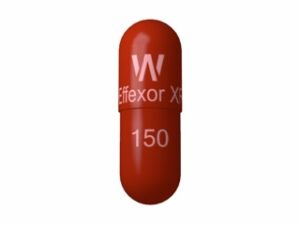



Fluvoxamine (Aust.) — Patient-Friendly Medicine Information
Fluvoxamine is a medicine used to treat certain mental health conditions. It belongs to a group of medicines known as selective serotonin reuptake inhibitors (SSRIs). In Australia, fluvoxamine is available in specific strengths and tablet forms, and it is commonly used in adults and, in some cases, adolescents, depending on local prescribing and product information.
This page explains how fluvoxamine works, what it’s used for, how it’s taken, possible side effects and safety considerations, and practical tips for getting the best results. Always follow the instructions provided with your specific product and talk to a healthcare professional if you have questions.
Basic product information
- Active ingredient: Fluvoxamine
- Medicine class: SSRI (selective serotonin reuptake inhibitor)
- Common dosage forms: Tablets (brand and strength vary)
- Therapeutic uses: Anxiety/OCD-related conditions and selected depressive/anxiety disorders (depends on age and indication)
- How it’s usually taken: Once or more daily depending on the dose and regimen
Note: Brand names and strengths may vary. Check the exact product packaging or label for your fluvoxamine strength and instructions.
How fluvoxamine works (mechanism of action)
Fluvoxamine increases the availability of serotonin in the brain. Serotonin is a chemical messenger that helps regulate mood, anxiety, sleep, appetite, and other functions.
As an SSRI, fluvoxamine mainly works by:
- Blocking serotonin reuptake (reabsorption) into nerve cells, which can increase serotonin activity in the synapse
- Helping to improve symptoms over time as brain signalling adapts
Because it changes brain chemistry gradually, improvements often take weeks rather than days.
Pharmacokinetics (how the body handles fluvoxamine)
Understanding pharmacokinetics can help explain timing, interactions, and why consistent dosing matters.
| Topic | What to expect |
|---|---|
| Absorption | Fluvoxamine is absorbed after oral dosing. Food can affect the speed of absorption for some people. |
| Peak effect (time to highest level) | The blood concentration typically peaks a few hours after taking a dose (varies by formulation and individual factors). |
| Metabolism | It is mainly metabolised in the liver. Because of this, liver impairment may require dose adjustments and extra caution. |
| Elimination | Fluvoxamine is cleared over time through metabolism and elimination pathways. |
| Half-life (broad concept) | It has a moderate half-life, which supports once- or twice-daily dosing depending on the regimen. |
Practical takeaway: Take fluvoxamine consistently and as directed. Missing doses or changing schedules can affect symptom control and side effects.
Typical uses in Australia
Fluvoxamine is used to treat certain mental health conditions, most notably:
- Obsessive-compulsive disorder (OCD): Often considered one of the key indications for fluvoxamine.
- Other anxiety-related conditions may be considered in some situations, depending on clinical judgement and local product guidance.
Some people may use fluvoxamine for depressive or anxiety symptoms, but the specific indication depends on the local product information and the treating clinician’s assessment.
When to take fluvoxamine (timing and routine)
Timing can influence side effects such as sleepiness, nausea, or gastrointestinal discomfort.
- If you feel sleepy, your clinician may suggest taking it at night.
- If it causes nausea for you, taking it with or after food may help.
- Follow your prescribed schedule—some people take it once daily, while others require divided doses.
How long until it helps? Many people notice changes within a couple of weeks, but full benefits for OCD and anxiety symptoms can take several weeks (often up to 10–12 weeks, sometimes longer). Feeling worse at the start can also occur—this should be discussed promptly with your healthcare professional.
Do not stop suddenly without medical advice. Stopping SSRIs abruptly can cause discontinuation symptoms such as dizziness, irritability, nausea, or “electric shock” sensations.
Food interactions
Food can affect how fluvoxamine is absorbed and may influence stomach-related side effects.
- Taking with food: Many people find it easier on the stomach when taken with food.
- Consistency matters: Try to take it the same way each day (with or without food) unless advised otherwise.
Tip: If you experience nausea, consider taking your dose after a meal. If nausea persists, speak with your healthcare professional about supportive options or dose timing.
Alcohol and medicine interactions
Alcohol
There is no universally “safe” level of alcohol for everyone taking SSRIs. Alcohol may:
- Worsen mood and anxiety symptoms
- Increase side effects such as drowsiness, dizziness, and impaired coordination
- Make it harder to gauge how the medication is affecting you
Practical advice: Limit or avoid alcohol, especially during the early weeks of treatment or if you feel sedated or unsteady.
Medicine interactions (important)
Fluvoxamine can interact with other medicines because it affects liver enzymes involved in drug metabolism. This can change medicine levels in your body and raise side-effect risk.
Always tell your pharmacist or doctor about all medicines you take, including over-the-counter products, vitamins, herbal remedies, and supplements.
Some key interaction categories include:
- Other antidepressants or medicines that affect serotonin (risk of serotonin syndrome)
- Triptans (used for migraine) and other serotonin-active medicines
- Monoamine oxidase inhibitors (MAOIs) and closely related agents (generally not combined)
- Linezolid (antibiotic with MAOI-like activity) or similar medicines
- Thioridazine and some other medicines that can affect heart rhythm (QT considerations)
- Blood thinning medicines (e.g., warfarin, and some antiplatelet agents): increased bleeding risk
- Medicines metabolised by liver enzymes where fluvoxamine may raise levels (examples include certain antipsychotics, some beta-blockers, some benzodiazepines, and others—your pharmacist can check your specific regimen)
- St John’s wort (may increase serotonin-related risk)
- NSAIDs (e.g., ibuprofen, naproxen) used regularly: may increase bleeding risk when combined with SSRIs
Do not start or stop interacting medicines on your own. If your dose changes or a new medicine is added, your doctor or pharmacist may monitor you more closely.
Indications and who may benefit
In everyday language, fluvoxamine may be considered when a person has:
- Obsessive-compulsive disorder (OCD): intrusive thoughts (obsessions) and repetitive behaviours (compulsions) that cause distress and interfere with daily life.
- Selected anxiety/depressive presentations where SSRIs are clinically appropriate (based on assessment and local guidance).
It is also commonly used as part of a broader treatment plan, which may include psychotherapy (for example, cognitive behavioural therapy including exposure and response prevention for OCD), lifestyle adjustments, and support strategies.
Important: If you are under 18, your clinician will consider age-specific evidence, dosing, and monitoring requirements.
Dosing: typical starting points and adjustments
Dosing must be individualised. The information below provides general guidance about how SSRIs are commonly started and titrated. Your exact dose should follow the instructions on your product label and the plan from your healthcare professional.
Adults
- Starting dose: Often started low to reduce side effects.
- Incremental adjustment: Dose is commonly increased gradually over time based on response and tolerability.
- Maximum dose: The product information defines a maximum daily dose; never exceed it.
Older adults
- May require a more cautious approach due to increased sensitivity to side effects and higher likelihood of other medicines or medical conditions.
Adolescents
- Dosing and monitoring may differ from adults. Follow the age-specific guidance provided by your clinician and the product information.
How to take fluvoxamine
- Take tablets as directed (with water).
- If your regimen is divided doses, try to keep an even spacing across the day.
- Do not crush or split unless your product form allows it and you’ve been advised to do so.
Missed dose: If you miss a dose, take it when you remember unless it’s close to the next scheduled dose. Avoid doubling up. If you’re unsure, ask a pharmacist.
Safety profile: common and serious side effects
Like all medicines, fluvoxamine can cause side effects. Many are mild and improve over time, but some need prompt attention.
Common side effects
These are often most noticeable during the first days to weeks:
- Nausea, stomach discomfort
- Headache
- Sleep changes (sleepiness or insomnia)
- Dizziness
- Dry mouth
- Fatigue
- Increased sweating
- Tremor or feeling “restless”
Sexual side effects
- Lower libido
- Difficulty achieving orgasm
- Erectile or arousal changes
If these occur and are distressing, discuss options with your healthcare professional—adjusting dose timing or managing with supportive strategies may be possible.
Weight and appetite
- Some people experience weight changes (either increase or decrease).
Serious or urgent side effects
Seek urgent medical care if you experience symptoms that may indicate:
- Serotonin syndrome: agitation, confusion, fever, sweating, fast heart rate, diarrhoea, muscle stiffness, or severe tremor
- Abnormal bleeding: unusual bruising, blood in vomit/stool, black stools, nosebleeds that won’t stop
- Seizures
- Mania or hypomania: unusually elevated mood, reduced need for sleep, racing thoughts, risky behaviour
- Allergic reaction: swelling of face/lips, rash, breathing difficulties
- Low sodium (hyponatraemia): headache, confusion, severe weakness, or unsteadiness (more likely in older adults or those on diuretics)
Suicidal thoughts and behavioural changes
Antidepressants (including SSRIs) can be associated with changes in mood and behaviour, particularly early in treatment or when doses are changed. If you or someone you care for notices worsening mood, unusual behaviour, agitation, or thoughts of self-harm, contact a healthcare professional urgently.
Practical use tips for best results
- Be patient: Give the medicine time to work. Track changes in symptoms weekly rather than daily.
- Start low, go slow: A gradual dose plan helps reduce side effects and improves tolerability.
- Keep a routine: Taking it at the same time each day helps maintain steady levels.
- Manage early side effects: If nausea occurs, consider taking with food or at night (if appropriate for your regimen).
- Avoid abrupt changes: Don’t stop suddenly. If stopping is needed, dose tapering should be guided by a clinician.
- Hydrate and move: Gentle movement, hydration, and regular meals can help with dizziness and fatigue.
- Use psychotherapy when appropriate: For OCD especially, combining medication with evidence-based therapy often leads to better outcomes.
Who should use extra caution?
Discuss fluvoxamine carefully with a healthcare professional if you have:
- Liver disease (dose adjustments may be needed)
- History of seizures
- Bipolar disorder or a history of mania
- Bleeding disorders or use of blood-thinning medicines
- Glaucoma or eye pressure problems (some SSRIs can affect eye conditions)
- Low sodium history
- Heart rhythm problems or medicines known to affect the heart rhythm
- Pregnancy or planning pregnancy, or breastfeeding (risk/benefit assessment is required)
If you have any of these, your clinician may monitor you more closely or choose an alternative treatment.
Alternative options
Depending on your diagnosis and personal medical history, alternatives may include other SSRIs, serotonin-noradrenaline reuptake inhibitors (SNRIs), other classes of antidepressants, and psychotherapy approaches.
Medication alternatives (common examples)
- Other SSRIs such as sertraline, fluoxetine, or citalopram (may be considered depending on the condition)
- Clomipramine (a tricyclic antidepressant sometimes used for OCD)
- SNRIs such as venlafaxine (depending on the indication)
Non-medicine alternatives
- Psychological therapy: For OCD, evidence-based therapies like exposure and response prevention (ERP) can be highly effective.
- Structured self-help strategies: sleep regularity, reducing caffeine, and stress-management techniques.
Your healthcare professional can help weigh the pros and cons of options based on your symptoms, side effect profile, and interaction risks.
Market and legal context in Australia (overview)
In Australia, medicines like fluvoxamine are regulated through national medicine and pharmacy frameworks. Availability and supply arrangements are managed according to the Australian regulatory system and the product’s classification under local requirements.
Online pharmacy services may require appropriate steps to ensure safe supply, such as verifying medication details and ensuring you understand safe use. These processes help support responsible access to medicines and reduce the risk of incorrect use or harmful interactions.
Always use medicines only as directed and ensure you understand your medicine’s purpose, dosing, and safety considerations.
Recent guidance and monitoring considerations
While guidance can evolve, several ongoing themes commonly feature in contemporary SSRI use:
- Careful assessment early in treatment: especially for mood or behaviour changes
- Attention to drug interactions: because fluvoxamine has potential for clinically significant interactions via liver metabolism
- Individualised dosing and review: adjusting dose based on response and side effects
- Monitoring for hyponatraemia and bleeding risk in higher-risk groups
If you are starting fluvoxamine, your clinician may schedule follow-up contact after dose changes or early in treatment. Keep those appointments and report side effects promptly.
Delivery and availability (online pharmacy notes)
Fluvoxamine availability can vary by brand and strength. For online orders in Australia, typical service features may include:
- Product selection: choosing the exact strength and form you need
- Secure packaging: protecting tablets during transit
- Tracking information: where available
- Delivery timeframes: varying by location and courier partner
Before ordering: confirm the strength (e.g., number of milligrams per tablet) matches your current regimen and check the packaging details when your order arrives.
FAQ — Frequently asked questions
1) How long does fluvoxamine take to work?
Some people notice early changes within 1–2 weeks, but meaningful improvement for OCD and anxiety symptoms often takes several weeks. Your clinician may reassess after an adequate trial period and adjust the dose if needed.
2) What should I do if I feel worse after starting?
It’s important to contact your healthcare professional, especially if symptoms worsen significantly, you feel agitated, or you have concerns about mood changes. Do not stop the medicine suddenly unless a clinician instructs you to.
3) Can I take fluvoxamine with food?
Many people find it easier on the stomach when taken with food. If your product instructions allow it, you can usually take it with or after a meal. Keep a consistent routine and follow your clinician’s advice.
4) Is it safe to drink alcohol while taking fluvoxamine?
Alcohol can worsen side effects like dizziness and sleepiness and may interfere with symptom recovery. If you choose to drink, keep it minimal and monitor how you feel. If you have any concerns (especially early in treatment), avoid alcohol and ask a healthcare professional.
5) What medicines should I avoid?
Because fluvoxamine can interact with other drugs, it’s safest to review your medication list with your pharmacist or doctor. Particular caution is needed with other serotonin-active medicines, MAOI-type medicines, some antibiotics, and certain heart or bleeding-related medicines.
6) Will fluvoxamine cause withdrawal symptoms if I stop?
Stopping SSRIs suddenly can lead to discontinuation symptoms. If fluvoxamine needs to be stopped, a doctor-guided tapering plan is generally recommended.
7) Can I take pain relief medicines like ibuprofen?
Occasional use may be fine for many people, but combining SSRIs with NSAIDs can increase bleeding risk, particularly with regular or higher-dose use. Check with a pharmacist if you take anti-inflammatory pain relief frequently or have bleeding risk factors.
8) Does fluvoxamine affect driving or machinery?
Some people feel dizzy or sleepy when starting treatment or after dose changes. If you experience these effects, avoid driving or operating machinery until you know how fluvoxamine affects you.
9) What if I miss a dose?
Take the missed dose when you remember unless it’s close to the next scheduled dose. Don’t double up. If you’re unsure, ask a pharmacist for advice tailored to your dosing schedule.
10) Is fluvoxamine suitable for everyone?
Not everyone. Your healthcare professional will consider diagnosis, age, medical history (especially liver disease, seizure history, bleeding risk, and bipolar disorder), and your current medication list to decide whether fluvoxamine is appropriate.
Important: This information is a general guide. For personalised advice, speak with a pharmacist or doctor, especially if you have other medical conditions, are taking multiple medicines, are pregnant or breastfeeding, or have concerns about side effects and interactions.