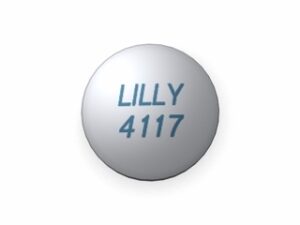


Fluoxetine (Australia) — Patient Information
Fluoxetine is a medicine commonly used to treat a range of mood and anxiety conditions. It belongs to a group of medicines known as SSRIs (selective serotonin reuptake inhibitors). This page explains how fluoxetine works, how it is typically used, what to expect, and important safety information for consumers in Australia.
Note: This information is designed to help you understand your medicine. It does not replace advice from a healthcare professional.
1) Basic product information
| Category | Details |
|---|---|
| Medicine name | Fluoxetine |
| Medicine class | SSRI (Selective Serotonin Reuptake Inhibitor) |
| Common dosage forms | Tablets and capsules (strengths vary by brand) |
| Typical dosing schedule | Once daily is common; may vary by indication |
| Therapeutic uses | Depression and anxiety-related conditions (see “Indications”) |
In Australia, fluoxetine is available under different brand names depending on supply. Availability may vary by strength and formulation.
2) How fluoxetine works (mechanism of action)
Fluoxetine increases the activity of serotonin in the brain. Serotonin is a chemical messenger that helps regulate mood, anxiety, sleep, appetite, and other functions.
Mechanism in simple terms:
- Fluoxetine blocks the serotonin transporter (SERT), which reduces reabsorption of serotonin back into nerve cells.
- This helps increase serotonin availability in the synaptic space (the gap between nerve cells).
- Over time, changes in serotonin-related signalling can improve mood and reduce anxiety symptoms.
Because brain adaptation takes time, improvement may be gradual rather than immediate.
3) Pharmacokinetics (how the body handles fluoxetine)
Understanding the “pharmacokinetics” of fluoxetine can help explain why it sometimes takes weeks to work and why changes to dosing can have lingering effects.
- Absorption: Fluoxetine is absorbed after oral dosing, with peak blood levels typically reached within several hours (timing can vary by formulation and individual factors).
- Metabolism: The medicine is metabolised mainly in the liver.
- Active metabolite: Fluoxetine forms norfluoxetine, which is also active and contributes to the medicine’s long-lasting effect.
- Half-life: Fluoxetine has a long half-life (and norfluoxetine is also long-acting). This means:
- Steady effects build gradually
- Stopping the medicine may take longer to fully clear than with some other SSRIs
- Time to steady state: With regular daily dosing, blood levels approach steady state over a number of weeks.
Practical implication: Even if you feel changes early, full benefits often develop over several weeks.
4) Typical uses in Australia
Fluoxetine is used to treat several conditions where serotonin signalling is believed to play an important role.
Common indications
- Depression (major depressive disorder)
- Obsessive-compulsive disorder (OCD)
- Bulimia nervosa (for reducing episodes of binge eating and purging)
- Panic disorder (with or without agoraphobia)
- Other anxiety-related conditions where SSRIs are recommended by clinical practice
Important: The specific approved use and age range for particular indications may differ. Always follow the guidance provided for your situation.
5) When it starts to work (timing expectations)
People often expect quick relief. Fluoxetine can help, but improvement is commonly gradual.
- Early changes: Some people notice small improvements in sleep, energy, or anxiety within the first 1–2 weeks.
- Symptom improvement: More noticeable improvement often occurs after 2–4 weeks.
- Full benefit: For some conditions (including OCD), it can take 6–12 weeks or longer to reach maximum benefit.
If symptoms worsen at the start: It can occur that anxiety or agitation temporarily increases early in treatment. This is sometimes managed by careful dose selection and follow-up. Seek medical help if you feel unsafe or your symptoms rapidly deteriorate.
6) Dosing guidance (general information)
Dosing must be individualised based on the condition being treated, patient factors, and response. Below are general patterns used for fluoxetine. Your healthcare provider may adjust your dose.
Typical starting and maintenance patterns
- Depression: often started at a lower dose and adjusted as needed.
- OCD: may require higher or longer dosing strategies to achieve full response.
- Bulimia nervosa: dosing is commonly once daily in many regimens.
- Panic disorder: may begin with a lower dose to reduce early side effects, then gradually increase.
How to take fluoxetine:
- Usually taken once daily, at the same time each day.
- Swallow tablets/capsules with water.
- It can be taken with or without food (see food interactions below).
Missed dose: If you miss a dose, take it when you remember unless it is close to the next scheduled dose. Do not double the dose.
Do not stop suddenly without advice: Although fluoxetine is long-acting and may have less discontinuation symptoms than some other SSRIs, stopping abruptly can still lead to problems such as dizziness, irritability, sleep disturbance, or mood changes.
7) Food interactions
Fluoxetine can generally be taken with or without food. Food does not commonly require dose timing changes.
However:
- If nausea occurs, taking fluoxetine with a meal may help.
- A consistent routine can improve adherence.
- If you have a condition that affects appetite (e.g., depression or bulimia nervosa), your overall nutrition plan should be discussed with a clinician.
8) Alcohol and medicine interactions
Alcohol
It is generally recommended to limit or avoid alcohol while taking fluoxetine. Alcohol can:
- Worsen depression and anxiety symptoms
- Increase the risk of impaired judgement, sleep disruption, and reduced motivation
- Potentially increase side effects such as dizziness
If you choose to drink alcohol, do so cautiously and in line with safer drinking guidelines. Discuss your individual situation with a healthcare professional, particularly if you have a history of alcohol misuse.
Other medicines (important interactions)
Fluoxetine has drug-interaction potential, largely because it can affect liver enzymes and serotonin pathways. Tell a pharmacist or doctor about all medicines you take, including non-prescription products.
Examples of medicines that may interact:
- Monoamine oxidase inhibitors (MAOIs): generally not used with SSRIs. A washout period is required when switching.
- Other serotonergic medicines (risk of serotonin syndrome), such as:
- Some migraine medicines (e.g., triptans)
- Some pain medicines (e.g., tramadol)
- St John’s wort (herbal product)
- Dextromethorphan-containing products (some cough/cold preparations)
- Anticoagulants and antiplatelet medicines: SSRIs can increase bleeding tendency in some people. Close monitoring may be needed.
- Non-steroidal anti-inflammatory drugs (NSAIDs): may increase bleeding risk when combined with SSRIs.
- Antipsychotics and other medicines affecting the central nervous system: side effects may be additive (e.g., sedation or agitation).
- Linezolid: can increase serotonin-related risks.
- Some antiarrhythmics and other medicines with heart rhythm effects: ensure clinicians review risk factors.
Always check: Ask your pharmacist to review your full medication list when starting fluoxetine, and again when you add or stop medicines.
9) Safety profile: common and serious side effects
Like all medicines, fluoxetine can cause side effects. Many are mild and improve over time, but some symptoms require urgent attention.
Common side effects
- Nausea or stomach upset
- Headache
- Sleep changes (insomnia or sometimes drowsiness)
- Dry mouth
- Increased sweating
- Reduced appetite or weight changes
- Tremor or restlessness
- Sexual side effects (e.g., reduced libido, delayed orgasm)
- Fatigue or feeling emotionally “flattened” in some people
Tip: If drowsiness occurs, taking the medicine at night may help. If insomnia occurs, taking it in the morning may help. Discuss changes with a clinician or pharmacist.
Less common but important risks
- Serotonin syndrome: a rare but serious condition caused by excess serotonin activity.
- Mania/hypomania: may occur in people with bipolar disorder or predisposition.
- Bleeding risk: especially if combined with blood-thinning medicines or NSAIDs.
- Low sodium (hyponatraemia): more likely in older adults or those on certain medicines (monitoring may be needed).
- Suicidal thoughts in early treatment: in some patients, mood-related risk can increase early in therapy—close monitoring is essential.
- Withdrawal/discontinuation symptoms: possible when stopping; tends to be less severe due to the long half-life, but not absent.
Seek urgent medical help if you have
- Signs of serotonin syndrome: fever, confusion, severe agitation, sweating, shaking, diarrhoea, muscle stiffness
- Symptoms of mania: unusually elevated mood, decreased need for sleep, racing thoughts, impulsive behaviour
- Unusual or heavy bleeding, black stools, vomiting blood
- Severe allergic reaction: swelling of face/lips, trouble breathing, widespread rash
- Thoughts of self-harm or feeling unable to stay safe
10) Practical use tips for success
Fluoxetine can be very helpful, but results depend on taking it correctly and allowing enough time. These tips can improve your experience:
- Give it time: Many people need several weeks to notice clear improvement.
- Keep a simple symptom journal: note sleep, anxiety, mood, appetite, and side effects weekly.
- Don’t change the dose suddenly: adjust only under healthcare guidance.
- Be consistent: taking your dose at the same time daily helps steady effects.
- Plan around early side effects: if nausea or jitteriness occurs, ask about strategies (timing with meals, dose adjustments, supportive care).
- Watch for interactions: inform your pharmacist about new medicines, supplements, or herbal products.
- Hydration and nutrition: stable eating and fluid intake can reduce headaches or dizziness.
- Psychological support: for many conditions, combining medication with therapy and lifestyle changes improves long-term outcomes.
11) Alternative options (if fluoxetine isn’t suitable)
There are several medication options and non-medicine approaches depending on your diagnosis, age, and health profile.
Other SSRIs
- Sertraline
- Citalopram
- Escitalopram
Other antidepressant/anti-anxiety options
- SNRIs (e.g., venlafaxine, duloxetine)
- Tricyclic antidepressants in selected cases
- Other targeted therapies depending on the condition
Non-medicine options
- Psychological therapies (e.g., CBT, exposure strategies for OCD/anxiety)
- Lifestyle measures (sleep regularity, activity, stress management)
- Support networks and structured follow-up
A clinician can help determine the most appropriate alternative if fluoxetine causes problematic side effects or does not provide benefit.
12) Market and legal context for Australia
In Australia, medicines are regulated by the Therapeutic Goods Administration (TGA). Medicines are classified by scheduling rules that determine whether they are available via certain channels, and whether a prescriber is required depending on the product and schedule.
Fluoxetine is generally regulated as a prescription-only medicine in Australia. If you are purchasing online, ensure the pharmacy you use is legitimate, licensed, and compliant with Australian laws. A trustworthy online pharmacy will provide clear product information, safety messaging, and appropriate checks.
What to expect when ordering online:
- Product strength and brand options
- Plain-language instructions for use
- Safety information about interactions and side effects
- Delivery options across Australia
- Privacy protections for your health information
Recent guidance note: Mental health care often emphasises careful monitoring during initiation and dose changes, and awareness of potential interactions. Always follow current local healthcare recommendations and the advice of your clinician.
13) Delivery and availability (online pharmacy)
Availability of specific brand names and tablet/capsule strengths can vary due to supply schedules. Common delivery options may include:
- Standard delivery: typical transit times depend on location
- Express delivery: where offered, may reduce wait time
- Click & Collect: in some regions or partner pharmacies
Delivery tips:
- Ensure your address is correct to avoid delays.
- If you require signature on delivery, make arrangements ahead of time.
- Check packaging condition when it arrives.
If you need a specific strength or formulation, contact customer support if it is not listed, as substitutions may be subject to local regulations and clinical suitability.
14) Guidance when starting or adjusting fluoxetine
Because fluoxetine affects serotonin pathways and has a long half-life, careful planning is important.
- Starting: clinicians often begin at a dose designed to balance benefit and tolerability.
- Follow-up: regular reviews help assess response and side effects.
- Switching medicines: switching from or to other antidepressants can require tapering and washout timing to minimise interaction risk.
- Adherence: take your medicine as directed and keep appointment schedules.
Important: If you miss multiple doses or stop unexpectedly, contact a healthcare professional for advice—especially if you feel unwell or your mood worsens.
15) FAQ — Common questions about fluoxetine
How long does it take for fluoxetine to work?
Some people notice early changes within the first 1–2 weeks, but clearer benefits usually take 2–4 weeks. For conditions like OCD, full benefit may take 6–12 weeks or longer.
Can I take fluoxetine with food?
Yes. Fluoxetine can be taken with or without food. If you experience nausea, taking it with a meal may help.
What should I do if I miss a dose?
Take the missed dose when you remember unless it is close to the next dose. Do not double up. If you are unsure, ask your pharmacist.
Will fluoxetine affect my sleep?
It can. Some people experience insomnia, while others feel more drowsy. If sleep is affected, discuss timing adjustments with your pharmacist or prescriber.
Can I drink alcohol while taking fluoxetine?
It’s usually best to avoid or limit alcohol. Alcohol can worsen mood and anxiety and may increase side effects.
Are there medicines or supplements I should avoid?
Yes. Interactions can occur, particularly with serotonergic medicines, MAOIs, certain pain/migraine drugs, herbal products such as St John’s wort, and some blood-thinning medicines or NSAIDs. Always check with a pharmacist.
What are signs of a serious reaction?
Seek urgent help if you notice symptoms of serotonin syndrome (fever, confusion, severe agitation, sweating, shaking), mania (unusually elevated mood, decreased need for sleep), signs of heavy bleeding, or severe allergic reactions.
Can I stop fluoxetine suddenly?
Stopping suddenly is not recommended. Even though fluoxetine may cause fewer discontinuation symptoms than some other SSRIs, stopping without advice can still lead to problems. Talk to a clinician before changing or stopping.
Is fluoxetine used for anxiety and depression?
Yes. Fluoxetine is commonly used for depression and several anxiety-related conditions such as OCD and panic disorder, depending on individual eligibility and clinical assessment.
Does fluoxetine cause sexual side effects?
Sexual side effects can occur with SSRIs, including fluoxetine. If this happens, do not stop on your own—discuss options with your healthcare professional.
Emergency information: If you feel at risk of harming yourself or others, seek urgent help immediately by contacting local emergency services or a crisis support line in Australia.
Always read the consumer medicines information (CMI) provided with your product for the most specific guidance on formulation, dosing, and side effects.