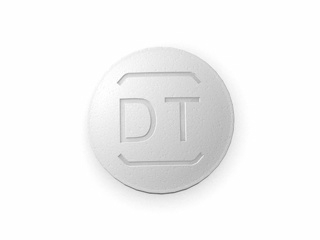
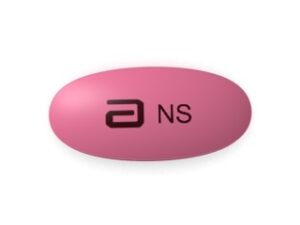
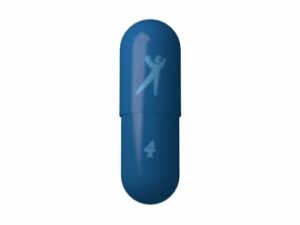
Detrol (Tolterodine) – Patient Guide (Australia)
Detrol is a medicine containing tolterodine, used to treat certain problems with an overactive bladder. This guide explains what Detrol is, how it works, how it’s typically taken, what to expect, and important safety and interaction information. Always follow the advice of your healthcare professional and the instructions on the product label.
Key Product Information
- Brand name: Detrol
- Active ingredient: Tolterodine
- Medicine type: Antimuscarinic (anticholinergic) for bladder control
- Common forms (Australia may vary): Tablets (for example, immediate-release or modified-release depending on the brand/strength)
- What it is used for: Overactive bladder symptoms such as urgency, frequency, and urge incontinence
Note: Different formulations can have different dosing schedules. Your pharmacist can confirm the exact product details for your specific Detrol type.
How Detrol Works (Mechanism of Action)
Detrol (tolterodine) belongs to a group of medicines called antimuscarinics. Bladder muscle function is influenced by signals from the nervous system, including muscarinic receptors.
Tolterodine works by blocking muscarinic receptors in the bladder. This helps:
- Reduce involuntary bladder contractions
- Increase bladder capacity (your bladder holds urine better)
- Lower urinary urgency
- Reduce frequency of urination
- Help decrease urge incontinence (leaking after sudden urges)
Typical Use and Indications
Detrol is generally indicated for adults with symptoms of overactive bladder (OAB). Treatment aims to manage symptoms rather than cure the underlying cause.
Common symptoms it may help:
- Urge incontinence: leaking urine soon after a sudden, strong urge to urinate
- Urinary frequency: needing to urinate more often than usual
- Urinary urgency: a sudden, difficult-to-delay need to urinate
- Nocturia: waking during the night to urinate (may improve in some people)
Whether you are a good candidate depends on your medical history and other medications, particularly those that can affect bladder function.
When You’ll Notice Effects (Timing)
Many people start to feel some improvement within the first few days, but it can take longer for full benefits.
- Early changes: sometimes within 3–7 days
- More complete benefit: often within 2–4 weeks
- Ongoing assessment: your healthcare professional may review symptoms after a trial period and adjust treatment if needed
If you do not notice any improvement after the expected period, discuss this with your healthcare professional. Do not increase the dose without advice.
Pharmacokinetics (Absorption, Distribution, Metabolism, Excretion)
Pharmacokinetics describe how the body handles tolterodine. While exact values can vary by formulation and individual factors, the overall pattern is as follows:
- Absorption: Tolterodine is absorbed after oral administration.
- Distribution: It distributes throughout the body, including the bladder.
- Metabolism: It is primarily metabolised by the liver (notably via CYP enzymes, including CYP2D6 and CYP3A4 pathways).
- Active metabolites: Tolterodine has metabolites that may contribute to overall effect.
- Excretion: Metabolites and unchanged drug are eliminated mainly via urine and faeces.
- Half-life: The duration of action depends on the formulation; modified-release products typically provide steadier levels over the day.
Why this matters for you: Liver or kidney impairment may increase drug levels, raising the risk of side effects. Your prescriber may choose a lower dose or different option based on kidney/liver function.
Dosing: How Detrol Is Usually Taken
Dosage can vary depending on the formulation (immediate-release vs modified-release), your age, kidney function, liver function, and whether you’re taking interacting medicines.
General principles:
- Take Detrol exactly as directed on your label.
- Take at the same times each day to maintain consistent symptom control.
- Swallow tablets whole if instructed; do not crush or split modified-release products unless the label specifically allows it.
Typical dosing examples (for patient orientation only):
- Some tolterodine products are taken twice daily (immediate-release) or once daily (modified-release), depending on the formulation.
- Lower dosing is sometimes used in people with significant kidney impairment or liver impairment.
Important: Because Detrol has different formulations and strengths, always check your specific product information. If you’re unsure, ask your pharmacist.
Food Interactions
Food can influence how medicines are absorbed and tolerated. For tolterodine:
- General guidance: Follow the instructions on your product packaging.
- With meals: Some formulations may be taken with or without food, but tolerability can vary.
- Stomach sensitivity: If you experience nausea or indigestion, taking the dose with food may help (confirm with your pharmacist if your specific formulation has particular guidance).
Practical tip: Keep your routine consistent. Switching between “with food” and “on an empty stomach” each day may make side effects harder to predict.
Alcohol and Medicine Interactions
Alcohol
Alcohol can worsen some antimuscarinic side effects such as drowsiness, dizziness, and blurred vision in some people. It may also worsen dry mouth, which can increase discomfort and dental risk.
- If you drink alcohol, consider keeping it moderate.
- Avoid driving or operating machinery if you feel drowsy or have vision changes.
Other medicines that may interact
Tolterodine may interact with medicines that affect bladder function, those that influence liver enzymes, or those with anticholinergic properties.
Key interaction categories:
- Other antimuscarinics / anticholinergic medicines: increased risk of side effects such as dry mouth, constipation, and blurred vision.
- Medications that slow gastric emptying or affect bowel movement: may increase constipation risk.
- Drugs that affect CYP enzymes (liver metabolism): can increase or decrease tolterodine levels.
- Examples may include certain antifungals and antibiotics (your pharmacist can check your exact list).
- Some antidepressants and antihistamines: may add to anticholinergic burden.
- Medicines for Parkinson’s disease (anticholinergic effects): may increase side effects.
Always provide your complete medication list to your healthcare professional or pharmacist, including over-the-counter products and herbal supplements.
Safety Profile: Side Effects and What to Do
Because Detrol is an antimuscarinic medicine, many side effects relate to reduced activity of muscarinic receptors elsewhere in the body.
Common side effects
- Dry mouth
- Constipation
- Blurred vision
- Reduced sweating (heat intolerance may occur)
- Difficulty urinating or weak urine stream (more likely in people with urinary retention risk)
- Headache
- Dizziness or tiredness
Serious side effects (seek urgent medical advice if they occur)
- Signs of urinary retention: inability to pass urine, lower abdominal pain, worsening difficulty urinating
- Severe constipation or abdominal distension/pain, or inability to pass stools
- Allergic reaction symptoms: swelling of face/lips, rash, severe itching, breathing difficulties
- Confusion, severe drowsiness, or significant mental status changes (particularly in older adults or those with risk factors)
If side effects are bothersome, don’t stop abruptly without medical advice—your healthcare professional may adjust dose or consider alternatives.
Practical Use Tips (How to Get the Best Results)
- Give it time: set expectations for improvement over days to weeks.
- Hydration matters: drink adequate water, but avoid excessive fluid near bedtime to reduce nocturia.
- Manage dry mouth:
- Sip water regularly
- Use sugar-free gum or lozenges
- Maintain good oral hygiene and check regularly with your dentist
- Constipation prevention:
- Increase dietary fibre
- Stay active
- Discuss safe stool softeners or laxatives with your pharmacist if needed
- Heat caution: reduced sweating can increase heat intolerance. Take care in hot weather and during exercise.
- Bladder training: consider combining medication with lifestyle strategies (timed voiding, pelvic floor exercises) for better control.
- Monitor symptoms: keep a simple log of urgency, frequency, and leakage episodes to discuss progress at follow-up.
Who Should Use Extra Caution?
Detrol may not be suitable or may require careful dose selection for people with:
- Glaucoma (especially narrow-angle glaucoma)
- Gastrointestinal obstruction or severe constipation history
- Myasthenia gravis or certain neuromuscular conditions
- Urinary retention or significant difficulty passing urine
- Kidney or liver impairment
- Older age or increased risk of cognitive side effects (drowsiness/confusion)
- Medications with anticholinergic effects
If any of these apply, speak with your healthcare professional or pharmacist before starting or continuing Detrol.
Alternative Options for Overactive Bladder
There are several treatment approaches for overactive bladder. Your best option depends on symptoms, medical history, and preferences.
Non-medicine options
- Bladder training (timed voiding schedules)
- Pelvic floor muscle training (often recommended)
- Lifestyle adjustments (reducing bladder irritants such as caffeine for some people)
Other medicine options
- Other antimuscarinics: medicines with similar goals but different tolerability profiles.
- Beta-3 agonists: another class used for overactive bladder that may have a different side-effect pattern.
Your pharmacist can explain what options are available in Australia and help you compare typical side effects and dosing patterns.
Market and Legal Context for Australia (General Information)
In Australia, medicines are regulated through the Australian regulatory framework. Availability and requirements can vary depending on whether a product is classified as prescription-only, pharmacist-only, or otherwise restricted. Online pharmacy services must follow Australian laws and professional standards.
What this means for you:
- Some medicines may require review or documentation before supply.
- Online ordering usually includes identity and safety checks.
- Your pharmacist may ask health questions to confirm safe use and appropriate selection.
If you are purchasing Detrol online, ensure you select the correct formulation and strength that matches your intended use.
Recent Guidance and Clinical Considerations
Clinical guidance for overactive bladder commonly focuses on balancing symptom relief with tolerability. Key themes include:
- Use the lowest effective dose and reassess benefit versus side effects.
- Consider comorbidities such as constipation, cognitive impairment risk, glaucoma, and urinary retention risk.
- Review medication interactions (especially other anticholinergics and CYP-influencing drugs).
- Encourage combination approaches: medication plus behavioural strategies (bladder training and pelvic floor exercises).
Your healthcare professional may also consider alternative medicines if side effects limit use.
Delivery and Availability (Online Pharmacy)
Detrol is available from pharmacies across Australia, including through online pharmacy services (subject to supply rules and product availability). Delivery may vary by location and service provider.
Typical steps when ordering online:
- Select the correct product and strength
- Complete any required safety/eligibility questions
- Confirm delivery address details
- Receive shipping updates when dispatched
Storage: store at room temperature, protect from moisture, and keep out of reach of children. Check the packaging for exact storage instructions.
Availability note: Stock levels can vary. If your exact Detrol pack size isn’t available, your pharmacist may offer an alternative formulation/strength if clinically appropriate.
Detrol (Tolterodine) – Summary Table
| Feature | What to know |
|---|---|
| Active ingredient | Tolterodine |
| Medicine class | Antimuscarinic (anticholinergic) |
| Main benefit | Reduces urgency, frequency, and urge incontinence in overactive bladder |
| How it works | Blocks muscarinic receptors in the bladder to reduce involuntary contractions |
| Onset of action | Some improvement may start within days; full benefit often takes 2–4 weeks |
| Common side effects | Dry mouth, constipation, blurred vision, difficulty urinating |
| Key precautions | Glaucoma, constipation/obstruction risk, urinary retention risk, kidney/liver impairment |
| Interactions | Other antimuscarinics/anticholinergics; medicines affecting liver enzymes (CYP) |
| Alcohol | May worsen drowsiness/dizziness and dry mouth |
FAQ: Detrol (Tolterodine)
1) What is Detrol used for?
Detrol (tolterodine) is used for adults with overactive bladder symptoms, such as urgency, urinary frequency, and urge incontinence.
2) How should I take Detrol?
Take Detrol exactly as directed on your label. Some formulations are taken more than once daily and others once daily, depending on the specific product.
3) Will it stop my bladder symptoms immediately?
Not always. Some people notice changes within a few days, but it can take 2–4 weeks for the full effect. Track your symptoms to see how you’re responding.
4) Can I take Detrol with food?
Food effects can vary by formulation. Many people can take tolterodine with or without food, but follow the directions on your pack. If the medicine upsets your stomach, ask your pharmacist whether taking it with food is appropriate for your exact product.
5) What are the most common side effects?
The most common effects include dry mouth, constipation, and blurred vision. Tell your healthcare professional if side effects are bothersome or worsening.
6) What should I do if I get constipation?
Increase fluid intake and dietary fibre, and discuss safe options with your pharmacist—especially if constipation is severe or persists. Severe constipation can require prompt medical advice.
7) Can Detrol cause trouble urinating?
Yes. In some people—especially those with urinary retention risk—tolterodine may make it harder to pass urine. Seek urgent medical advice if you cannot urinate or have painful worsening difficulty.
8) Are there medicines I should avoid while taking Detrol?
It’s important to check interactions. In general, use caution with other anticholinergic/antimuscarinic medicines and medicines that may affect liver enzyme metabolism. Ask your pharmacist to review your full list.
9) Can I drink alcohol?
Alcohol may increase dizziness or drowsiness and may worsen dry mouth. If you choose to drink, do so moderately and avoid activities requiring alertness if you feel unwell.
10) What if I miss a dose?
Follow your label guidance for missed doses. In many cases, you take it when you remember unless it’s close to the next dose—do not double up. If unsure, ask your pharmacist.
11) Who should seek medical advice before using Detrol?
Seek advice if you have glaucoma, significant constipation, urinary retention risk, kidney or liver problems, or you take multiple medicines that can affect bladder function or have anticholinergic effects.
12) Are there alternatives if Detrol doesn’t suit me?
Yes. Options may include other bladder medicines, beta-3 agonists, or non-medicine approaches such as bladder training and pelvic floor exercises. Your pharmacist can help discuss what’s suitable in your situation.
When to Get Help
Contact your healthcare professional urgently if you experience symptoms that may indicate serious complications, such as inability to urinate, severe constipation, signs of an allergic reaction, or significant confusion or drowsiness.
If you have questions about Detrol availability, product strength/formulation, or safe use with your current medicines, speak with a pharmacist before ordering or starting therapy.