Cymbalta (Duloxetine) – Patient-Friendly Guide (Australia)
Cymbalta is a brand of medicine containing duloxetine, used to treat several conditions, including chronic pain and mood-related disorders. This guide explains how duloxetine works, how it is taken, what to expect, and key safety information for people in Australia.
Note: Everyone’s situation is different. Use this information as general guidance and follow the advice provided by your healthcare professional.
1) Basic product information
| Item | Details |
|---|---|
| Active ingredient | Duloxetine |
| Brand name | Cymbalta |
| Medicinal class | Serotonin–noradrenaline reuptake inhibitor (SNRI) |
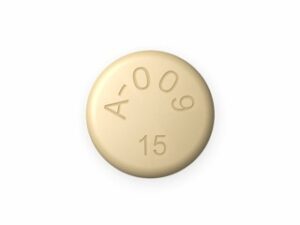
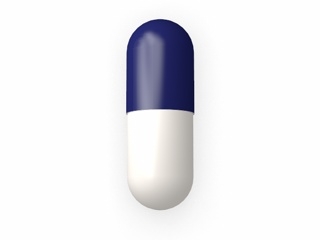
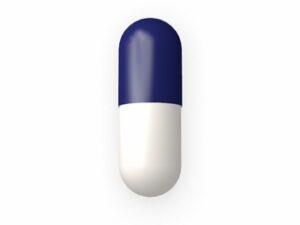
| Typical dosage forms | Oral capsules (enteric-coated/extended-release formulations are commonly used) |
| Common strengths | Often available in mg strengths such as 30 mg and 60 mg (availability may vary) |
| How it’s taken | By mouth, once or twice daily depending on the condition and prescriber advice |
| Storage | Store below 25°C (follow pack instructions). Keep out of reach of children. |
2) How Cymbalta works (mechanism of action)
Duloxetine belongs to a group of antidepressant medicines called serotonin–noradrenaline reuptake inhibitors (SNRIs). It helps increase the activity of two natural brain chemicals:
- Serotonin
- Noradrenaline
By slowing the reuptake (reabsorption) of these chemicals, duloxetine may improve communication between nerve cells. This can help reduce the symptoms of:
- Depression and anxiety
- Chronic pain conditions, including nerve-related pain
Pain relief is thought to involve changes in how the nervous system processes pain signals, not just mood effects.
3) Pharmacokinetics (what the body does to the medicine)
Pharmacokinetics describes how the body absorbs, distributes, metabolises, and clears duloxetine. While exact values can vary between individuals, the following points are useful for understanding typical use.
Absorption
Duloxetine is absorbed after oral dosing. The product is designed to release the medicine steadily (extended-release properties), which supports once-daily or divided dosing schedules depending on the condition.
Distribution
Duloxetine binds significantly to proteins in the blood. This helps keep it circulating and contributes to its overall effect duration.
Metabolism (breakdown)
The liver plays a major role in metabolising duloxetine. Because of this, duloxetine requires extra caution in people with liver impairment or significant alcohol intake.
Elimination (clearance)
Duloxetine is cleared mainly through the kidneys (via urine) after metabolism. Dose adjustments may be required if you have kidney problems.
Onset and steady-state
- Mood-related benefits often take several weeks.
- Pain relief may start earlier for some people, but meaningful improvement can still take weeks.
- Steady effects build over time as dosing continues consistently.
4) Typical uses (indications) in Australia
Cymbalta is used for a range of conditions. The exact suitability depends on your diagnosis, medical history, and other medicines. Common indications include:
- Depression (major depressive disorder)
- Generalised Anxiety Disorder (GAD)
- Diabetic peripheral neuropathic pain
- Chronic musculoskeletal pain (for example, chronic low back pain and osteoarthritis-related pain, depending on clinical guidance)
- Fibromyalgia (symptom management)
Not every person needs the same medicine for every condition. Your clinician will weigh benefits, risks, and alternatives.
5) How to take Cymbalta: timing, dose, and missed doses
Timing
Cymbalta is usually taken once daily or twice daily depending on the condition and formulation. Choose a time that helps you remember, and try to take it around the same time each day.
- If you feel drowsy, consider taking it in the evening (discuss with your healthcare professional).
-
If you feel
Dose (general principles)
Dosing should be individualised. In practice, many people start at a lower dose and increase gradually to improve tolerability.
Typical dosing approaches (may vary by condition and clinician advice):
- Starting dose: commonly begins low (e.g., 30 mg daily in some cases)
- Maintenance dose: often 60 mg daily for many indications
- Some conditions: may require 60 mg twice daily in carefully selected patients under professional guidance
Always follow the dosing instructions on your product label and the plan from your healthcare professional.
Take with or without food
Duloxetine can generally be taken with or without food, but food effects may influence tolerability. For many people, taking with food reduces stomach upset.
Swallowing and capsules
Capsules should be swallowed whole with water. Do not open, crush, or chew unless your clinician advises otherwise for your specific formulation.
Missed dose
If you miss a dose, take it when you remember unless it is close to the next dose. Do not take a double dose to make up for a missed one.
Stopping Cymbalta (important)
Do not stop suddenly without medical advice. Stopping SNRIs can lead to withdrawal-like symptoms such as dizziness, nausea, irritability, sensory disturbances (e.g., “electric shock” sensations), or sleep changes. Tapering plans are commonly used.
6) Food interactions and what to watch
Food can affect how some medicines are absorbed and tolerated. With duloxetine:
- Taking duloxetine with food may help reduce nausea.
- There are also situations where certain meals may influence stomach emptying, potentially affecting absorption timing. The overall clinical effect usually remains manageable for most people.
A practical approach is to take it consistently in the same way each day—either always with food or always without—unless your healthcare professional recommends changes.
If you have persistent gastrointestinal symptoms, your clinician may adjust the dose or timing.
7) Alcohol and medicine interactions
Alcohol
Alcohol and duloxetine are both processed by the body in ways that can increase strain on the liver. Mixing alcohol with duloxetine may increase the risk of side effects such as:
- dizziness
- drowsiness
- impaired coordination
- nausea
- worsening mood or sleep
For best safety, it’s generally recommended to limit or avoid alcohol unless your healthcare professional advises otherwise. If you have a history of heavy or regular alcohol use, discuss this before starting duloxetine.
Common medicine interactions
Duloxetine may interact with other medicines, sometimes affecting duloxetine levels or increasing side-effect risk. Tell your healthcare professional or pharmacist about all medicines and supplements you use, including over-the-counter items.
Serotonergic medicines (risk of serotonin syndrome)
Combining duloxetine with other medicines that increase serotonin can raise the risk of serotonin syndrome, a potentially serious condition. Caution applies with:
- Other antidepressants (especially MAOIs and some combinations)
- Triptans (migraine medicines)
- Linezolid
- Some opioids with serotonergic activity
- St John’s wort (herbal supplement)
Bleeding risk
Duloxetine can increase bleeding risk, particularly when combined with medicines that affect clotting or platelet function. Examples include:
- Warfarin and other anticoagulants
- Antiplatelet medicines (e.g., clopidogrel)
- Regular NSAID use (e.g., ibuprofen, naproxen)
- Aspirin (depending on dose and indication)
Medicines affecting liver enzymes
Some medicines can raise or lower duloxetine levels by affecting liver enzymes. Examples may include certain antifungals, some antibiotics, and medicines used for seizures.
Your pharmacist can check interactions for your specific list.
Other important interaction notes
- Inform your clinician if you take medicines for migraine, bipolar disorder, or mental health, as combinations may require careful monitoring.
- If you take medicines that affect blood pressure, monitor for dizziness or light-headedness.
- If you use stimulants or sleep aids, discuss timing and overall side-effect burden.
8) Safety profile: common and serious side effects
Most people experience some side effects when starting duloxetine, but many improve over time. Below is a patient-friendly overview.
Common side effects
- Nausea (often early in treatment)
- Dry mouth
- Sleep changes (insomnia or sleepiness)
- Dizziness
- Headache
- Constipation or stomach discomfort
- Loss of appetite
- Sweating (including increased night sweats)
- Sexual side effects (libido changes, delayed orgasm)
- Fatigue
Less common but important side effects
- Increased heart rate or feeling “jittery”
- Changes in blood pressure (including light-headedness when standing)
- Weight changes
- Tremor
- Urinary hesitation or urinary changes
Serious warning signs—seek urgent help
Contact urgent medical care or call emergency services if you experience:
- Symptoms of serotonin syndrome: agitation, confusion, fever, sweating, fast heart rate, severe shaking, diarrhoea
- Signs of an allergic reaction: swelling of the face/lips, breathing difficulty, widespread rash
- Severe liver problems: yellow skin/eyes (jaundice), dark urine, severe abdominal pain, persistent vomiting
- Suicidal thoughts or major mood changes (particularly early in treatment or after dose changes)
- Bleeding problems: unusual bruising, black/tarry stools, vomiting blood, coughing blood
- Fainting or severe dizziness
Suicidality and mood changes
Antidepressant medicines may increase the risk of suicidal thoughts or behaviours in some people early in treatment, particularly those under a certain age group. Close monitoring during the first weeks and after dose changes is important.
9) Practical use tips for a smoother experience
- Start low and go slow: if your prescriber recommends dose increases, follow the schedule to improve tolerability.
- Take consistently: a routine improves adherence and reduces missed doses.
- Manage nausea: try taking with food, consider smaller meals, and drink water regularly.
- Track effects: note changes in pain, sleep, mood, and side effects—this helps your clinician adjust dosing effectively.
- Be cautious with driving at first: dizziness or drowsiness can occur, especially during dose changes.
- Don’t stop suddenly: ask about tapering if you need to discontinue.
- Check blood pressure if you’re prone to dizziness: some people experience changes that can affect standing.
10) Alternatives to Cymbalta (duloxetine)
Depending on the condition being treated, alternatives may include other medications and non-drug strategies. Examples (your healthcare professional can advise what’s appropriate) include:
For depression and anxiety
- Other antidepressants such as SSRIs (e.g., sertraline, escitalopram) or other SNRIs (e.g., venlafaxine)
- Psychological therapies (e.g., CBT) which can be as effective as medication for some people
For chronic pain
- Other pain medicines depending on cause and risk profile
- Non-pharmacological options such as physiotherapy, exercise therapy, pacing strategies, and weight management where relevant
Medication choice depends on the underlying diagnosis (e.g., neuropathic vs musculoskeletal pain), co-existing conditions, and your personal tolerance.
11) Cymbalta in the Australian market: legal and practical context
In Australia, medicines are regulated and supplied according to the Australian regulatory framework. Duloxetine is available through pharmacy supply pathways appropriate to its scheduling status.
Product access: Availability may vary by region and formulation strength. Online pharmacy availability typically depends on current stock, supplier supply, and product packaging.
Safety monitoring: Healthcare professionals may recommend reviews for side effects, symptom response, and dose adjustments, especially in the first weeks of therapy.
Prescriber oversight: Your clinician helps ensure the medicine is appropriate based on your medical history, other medications, and relevant health checks.
12) Recent guidance and monitoring considerations
Clinical guidance for antidepressants and SNRIs may be updated over time as new safety information emerges and as prescribing practices evolve. While the core principles of use remain consistent, ongoing monitoring is commonly recommended for:
- Early treatment changes (mood, anxiety, sleep)
- Side effects such as nausea, dizziness, sweating, and sexual dysfunction
- Blood pressure changes in susceptible individuals
- Liver risk factors (e.g., known liver disease, significant alcohol intake)
- Drug interactions when starting or stopping other medicines
If you’re starting duloxetine or adjusting your dose, it’s a good idea to check in with your healthcare professional about what to monitor and when.
13) Delivery and availability (online pharmacy in Australia)
Online pharmacy supply can make it easier to reorder regularly. Availability may depend on the strength and pack size you need.
What you can expect
- Stock checks: popular strengths may be held more frequently.
- Packaging: medicines are shipped in original packaging with clear labels.
- Delivery timeframes: vary based on location and courier services.
- Tracking: many orders include tracking updates.
For the smoothest experience, confirm your required strength and capsule count before ordering, and keep your medicines out of direct sunlight.
14) FAQ
How long does Cymbalta take to work?
Many people notice early changes within 1–2 weeks, but full benefit often takes several weeks. Pain relief may vary: some feel improvement sooner, while others need ongoing treatment before it becomes clear.
Is Cymbalta sedating?
Some people experience drowsiness or fatigue, especially when starting or increasing the dose. Others feel more alert. If sleep disruption occurs, adjusting timing (morning vs evening) may help—discuss with your clinician.
Can I drink coffee or energy drinks?
Moderate caffeine is generally tolerated by many people, but if you feel jittery, anxious, or have insomnia, reducing caffeine may help. Energy drinks may worsen side effects in some individuals.
Can I take Cymbalta with food?
Yes. Taking it with food may reduce nausea for some people. Choose a consistent routine and follow your healthcare professional’s advice.
What if I miss a dose?
Take it as soon as you remember unless it is near the next scheduled dose. Don’t take a double dose. If you frequently miss doses, contact your pharmacist or clinician for support.
Why shouldn’t I stop suddenly?
Stopping suddenly can cause withdrawal-like symptoms and may lead to a return of your symptoms. Tapering under clinical guidance helps reduce the likelihood and severity of discontinuation effects.
Does Cymbalta interact with other antidepressants?
Yes. Combining with certain antidepressants or serotonergic medicines may increase the risk of serotonin syndrome. Always review your full medicine list with your pharmacist, especially when starting or stopping other mental health treatments.
Is duloxetine safe for people with liver disease?
Duloxetine requires caution in people with liver problems due to hepatic metabolism. If you have liver disease or regular heavy alcohol use, discuss risks with your healthcare professional before using duloxetine.
What side effects are most common at the beginning?
Nausea, dry mouth, sleep changes, dizziness, headache, and sweating are among the commonly reported early effects. These often lessen as your body adjusts, but persistent or severe symptoms should be discussed promptly.
Can Cymbalta cause weight changes?
Some people notice appetite changes leading to weight loss or gain. Monitoring weight and discussing significant changes with your clinician is recommended.
Are there alternatives if I can’t tolerate Cymbalta?
Yes. Options vary by condition and may include other antidepressants, different classes of pain medication, or non-drug treatments. Your clinician can help choose a plan based on your symptoms and side effect history.
When should I seek urgent help?
Seek urgent medical care if you experience symptoms of a serious allergic reaction, severe liver problems, serotonin syndrome, significant bleeding, fainting, or severe mood deterioration.
15) Key takeaways
- Cymbalta (duloxetine) is an SNRI medicine used for depression, anxiety, and certain chronic pain conditions.
- Benefits often take weeks, and dose changes should be made gradually when advised.
- Side effects are common early and often improve, but watch for serious symptoms and interactions.
- Limit alcohol and review all medicines (including over-the-counter and herbal products) for interactions.
- Don’t stop suddenly—ask your healthcare professional about tapering.
If you have questions about availability, dosing, or how Cymbalta may fit your situation, speak with a pharmacist or healthcare professional.