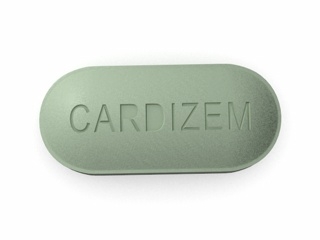

Cardizem (Diltiazem) – Patient-Friendly Guide (Australia)
Cardizem (diltiazem) is a medicine used to treat certain heart rhythm problems and some types of chest pain by relaxing and widening blood vessels and slowing the heart rate. This guide explains what Cardizem is, how it works, how it’s used, important safety information, and practical tips to help you take it confidently.
Note: Medicines can affect people differently. Always follow the instructions provided with your product and ask a healthcare professional if you are unsure what is right for you.
Basic Product Information
| Category | Details |
|---|---|
| Generic name | Diltiazem |
| Brand name (example) | Cardizem |
| Medicine class | Calcium channel blocker (non-dihydropyridine) |
| Main effects | Slows heart rate, reduces heart workload, dilates blood vessels |
| Common formulations | Immediate-release and extended-release versions may be available |
What it’s used for (most common indications) includes angina (chest pain) and certain supraventricular arrhythmias (abnormal heart rhythms). Your specific reason for taking Cardizem determines the dose and formulation.
How Cardizem Works (Mechanism of Action)
Diltiazem belongs to a group of medicines called calcium channel blockers. Calcium helps regulate the electrical signalling and contraction of heart muscle and smooth muscle in blood vessels. Diltiazem reduces the entry of calcium into cells, which leads to:
- Slower heart rate by reducing conduction through the AV node (the “relay” for electrical signals in the heart).
- Improved blood flow by relaxing blood vessel walls (vasodilation), lowering resistance the heart must push against.
- Reduced oxygen demand of the heart, helping prevent or relieve angina.
Because it affects both blood vessels and the heart’s electrical system, diltiazem is useful for selected rhythm disturbances and chest pain due to reduced workload and better circulation.
Pharmacokinetics (How the Body Handles It)
Pharmacokinetics describes how the body absorbs, distributes, metabolises, and eliminates diltiazem.
Absorption
- Absorption can vary depending on the specific product (immediate-release vs extended-release).
- Extended-release formulations are designed to release the medicine more slowly for steadier levels over time.
Distribution
- Diltiazem is distributed through the body and can affect the cardiovascular system primarily (heart and blood vessels).
Metabolism
- Diltiazem is largely metabolised by the liver (involves cytochrome enzymes, commonly CYP3A4).
- This is why some medicines that block or stimulate these enzymes can significantly change diltiazem levels.
Elimination
- Metabolites are eliminated mainly through the kidneys and/or bile pathways (depending on metabolism).
Practical impact: People with liver impairment may need extra caution and dose adjustment. Also, drug interactions can increase diltiazem levels and raise the risk of side effects.
Typical Uses (Indications)
Cardizem (diltiazem) is prescribed for a variety of cardiovascular conditions, including:
- Angina (chest pain): Helps prevent episodes and improves exercise tolerance in some individuals.
- Supraventricular arrhythmias: Such as atrial fibrillation or atrial flutter where slowing the heart rate is a goal (and in certain cases, rhythm control strategies are considered by the treating clinician).
- Other rhythm-related conditions: Depending on your heart’s pattern and clinical assessment.
Important: The exact use and dosing depend on your diagnosis, your heart rate, blood pressure, and any heart conduction issues.
When to Take Cardizem (Timing and Routine)
How you take Cardizem is very important for steady effects and reduced side effects.
General timing guidance
- Take at the same time each day to maintain consistent drug levels.
- Follow the instructions for your specific formulation (immediate-release vs extended-release).
- If you miss a dose, do not double unless your pharmacist or clinician advises otherwise.
With or without food
- Many patients can take diltiazem with or without food, but the product label and your prescribing instructions should be followed.
- Consistency is helpful—try to take it the same way each day (either always with meals or always on an empty stomach, if your instructions allow both).
Swallowing and tablet handling
- Do not crush, break, or chew extended-release tablets/capsules unless the packaging specifically states it’s safe. These products rely on a controlled release mechanism.
- Use water and swallow whole for best results.
Food Interactions
Food can affect how much diltiazem your body absorbs, especially with certain formulations.
- Grapefruit / grapefruit juice: It may increase diltiazem levels because grapefruit can inhibit CYP enzymes involved in metabolism. Avoid grapefruit unless your pharmacist says otherwise.
- General meals: If your doctor/pharmacist advised a particular approach, stick to it. If not, many patients tolerate diltiazem whether taken with or without food.
If you notice new side effects after dietary changes, consider discussing this with your pharmacist.
Alcohol Interactions
Alcohol may increase the risk of dizziness, light-headedness, and low blood pressure—effects that can also occur with diltiazem.
- Moderation is recommended.
- Avoid alcohol if you already experience faintness, marked fatigue, or low blood pressure symptoms on diltiazem.
- Do not drive or operate machinery if you feel unsteady after alcohol combined with your medicine.
Medicine Interactions (Very Important)
Diltiazem can interact with several types of medicines. The key concern is that interactions may increase or decrease diltiazem levels, or compound effects on heart rate and blood pressure.
Medicines that may increase diltiazem levels
- Some antibiotics (e.g., macrolides such as clarithromycin)
- Some antifungals (e.g., azole antifungals)
- Some HIV antivirals
- Other medicines affecting CYP3A4
Medicines that can increase effects on heart rate or conduction
- Other rate-slowing medicines such as:
- Beta-blockers (e.g., metoprolol, bisoprolol)
- Some antiarrhythmics
- Some medicines for high blood pressure that also lower blood pressure
Medicines that may have additive effects
- Blood pressure medicines: may increase risk of low blood pressure.
- Medicines affecting the heart’s electrical system: may heighten the risk of conduction problems.
Herbal and over-the-counter products
- St John’s wort may reduce effectiveness by affecting metabolism (caution).
- Always tell your pharmacist about vitamins, supplements, and “natural” products.
Tip: Keep a list of all your medicines (including doses) and show it to your pharmacist at each refill or if anything changes.
Dosing Information (How Doses Are Typically Determined)
Exact dosing of Cardizem (diltiazem) depends on your diagnosis, age, kidney and liver function, blood pressure, heart rate, and other medicines you take.
General dosing principles
- Start low and adjust gradually to achieve the desired effect.
- Doses are usually divided or scheduled according to the formulation.
- Extended-release forms often allow once-daily dosing (depending on product strength and your regimen).
Common dosing schedules (illustrative only)
The following gives a general idea of how regimens may look. Your prescribed dose may differ.
- Immediate-release: may be taken 2 to 3 times daily or according to clinician guidance.
- Extended-release: may be taken once daily for steady control.
Do not change your dose without consulting a healthcare professional. If you experience side effects such as very slow pulse or dizziness, seek advice promptly.
Safety Profile (What to Watch For)
Most people tolerate diltiazem well, but like all medicines it can cause side effects. Many side effects are related to its effects on the heart rate and blood vessels.
Common side effects
- Headache
- Dizziness or light-headedness
- Flushing (warmth/redness)
- Swelling of ankles/feet (peripheral oedema)
- Nausea or mild stomach upset
- Fatigue
Less common but important side effects
- Slow heart rate (bradycardia)
- Low blood pressure
- Palpitations or worsening of symptoms related to heart rhythm
- Constipation (more common with some calcium channel blockers)
Seek urgent medical attention if
- Fainting or near-fainting
- Chest pain that worsens or doesn’t respond as expected
- Severe dizziness, confusion, or shortness of breath
- Signs of an allergic reaction (swelling of face/lips, rash, trouble breathing)
Special safety considerations
- Conduction problems: People with certain heart block types may be at increased risk. Clinicians may monitor ECG (heart tracing) and pulse.
- Heart failure: Diltiazem may not be suitable for all types of heart failure. Assessment is needed.
- Liver impairment: Extra caution may be required.
- Kidney disease: Often needs careful monitoring, though dosing decisions vary.
Practical Use Tips (Getting the Best Results)
- Monitor your pulse: If you’ve been told to, check your heart rate and blood pressure. Report unusually slow rates or symptoms.
- Rise slowly: To reduce dizziness, stand up slowly, especially after taking your dose.
- Stay consistent: Keep a stable routine for meals and timing unless your instructions say otherwise.
- Don’t stop suddenly: Stopping diltiazem abruptly may worsen angina or control of rhythm in some people. Ask your clinician before changing.
- Use reminders: Smartphone alarms or medication charts can help you take doses on time.
- Report side effects early: Many side effects improve after dose adjustment.
Driving and machinery: If diltiazem makes you dizzy or fatigued, avoid driving and hazardous activities until you know how it affects you.
Alternative Options (If Cardizem Is Not Suitable)
If Cardizem (diltiazem) isn’t appropriate due to side effects, interactions, or diagnosis specifics, healthcare professionals may consider other options. Alternatives depend on what you’re treating:
For angina
- Other calcium channel blockers (e.g., verapamil or dihydropyridines like amlodipine) – suitability depends on your heart condition and rhythm status.
- Beta-blockers – may reduce heart workload and improve symptoms.
- Nitrates for symptom relief (short-acting) and other long-term regimens in selected patients.
For heart rhythm control/rate control
- Beta-blockers
- Other antiarrhythmic strategies depending on the specific rhythm type
- Procedural options in selected cases (for example, if medications are not effective)
Your clinician will choose alternatives based on ECG findings, blood pressure, heart rate goals, and your overall health.
Australia Market & Legal/Regulatory Context
In Australia, medicines are regulated through the Therapeutic Goods Administration (TGA). Products are classified into categories such as prescription-only and pharmacist-only medicines, depending on their risk profile and intended use.
For cardiovascular medicines, regulations and supply pathways are designed to support safe use, including appropriate clinical assessment where needed. The product you receive may differ by brand and formulation, and availability can vary by pharmacy and stock supply.
At the time of writing: Guidance and supply rules can change, and availability may be affected by manufacturing schedules, packaging updates, and regulatory updates. If you need a specific formulation, your pharmacy can confirm what is currently available.
Recent Guidance (How Advice Can Be Updated)
Clinical guidance for cardiovascular medicines may evolve based on new evidence, safety updates, and prescribing patterns. In practice, these changes often affect:
- Monitoring recommendations (e.g., ECG or blood pressure checks)
- Drug interaction warnings
- Dose adjustments in older adults or those with organ impairment
- Use in certain heart conditions where risks may differ by patient type
If you have been taking Cardizem for a long time, it can still be worth reviewing your treatment plan periodically with your healthcare professional, especially after medication changes or new symptoms.
Delivery and Availability (Online Pharmacy in Australia)
Availability of Cardizem (diltiazem) can depend on:
- The exact brand/formulation (immediate-release vs extended-release)
- Strength required
- Local pharmacy stock and supplier schedules
When ordering online, you can typically expect:
- Secure packaging to protect the medicine during transit
- Tracking options depending on the delivery service
- Estimated delivery times shown at checkout
Storage: Store tablets/capsules as directed on the label (commonly at room temperature, protected from moisture and heat). Keep out of reach of children.
FAQ – Frequently Asked Questions
1) What is Cardizem used for?
Cardizem (diltiazem) is commonly used to treat angina (chest pain) and certain heart rhythm problems, particularly conditions where slowing heart rate and improving blood flow are needed.
2) How fast does it start working?
Some people notice improvement within hours of dosing, but the full benefit—especially for angina prevention—may take days and dose adjustments. Extended-release products provide steadier effects over longer periods.
3) Can I take Cardizem with food?
Often it can be taken with or without food, but follow your product instructions. If you find side effects like nausea, taking it with food may help for some people.
4) Is grapefruit juice safe with diltiazem?
Grapefruit may increase diltiazem levels and raise the chance of side effects. It’s generally recommended to avoid grapefruit or check with your pharmacist.
5) Can I drink alcohol while taking Cardizem?
Alcohol may increase dizziness and low blood pressure risk. If you choose to drink, keep it moderate and stop if you feel light-headed. Avoid driving if affected.
6) What side effects are most common?
Common side effects include headache, dizziness, flushing, tiredness, and ankle/foot swelling.
7) When should I seek urgent help?
Seek urgent medical attention if you faint, develop severe shortness of breath, have severe dizziness, or experience signs of an allergic reaction (swelling of face/lips, rash, difficulty breathing). Also seek help if chest pain worsens or differs from your usual pattern.
8) What if I miss a dose?
If you miss a dose, take it when you remember unless it’s close to the next scheduled dose. Do not double up unless your healthcare professional instructs you to.
9) Can Cardizem interact with other medicines?
Yes. Interactions can occur with medicines affecting liver enzymes (such as some antibiotics/antifungals) and with other drugs that slow the heart rate or lower blood pressure. Always provide your full medication list to your pharmacist.
10) Are there alternatives to Cardizem?
Yes. Depending on your condition, alternatives may include other calcium channel blockers, beta-blockers, nitrates, or different rhythm management strategies. Your clinician will determine the best match for your heart and symptoms.
Summary
Cardizem (diltiazem) is a calcium channel blocker used in Australia for angina and certain supraventricular heart rhythm conditions. It works by relaxing blood vessels and slowing conduction through the heart’s electrical system, helping reduce symptoms and improve heart function.
For safe use, pay attention to timing, formulation instructions, possible food and grapefruit interactions, and especially medicine interactions. If you experience dizziness, fainting, severe breathlessness, or worsening chest pain, seek urgent medical attention.
If you’d like, tell us which Cardizem form you’re considering (immediate-release or extended-release, and the strength listed on the package), and we can help you understand how to take it and what to watch for based on typical guidance.