

Calcium Carbonate (Calcium Supplement) – Patient Information
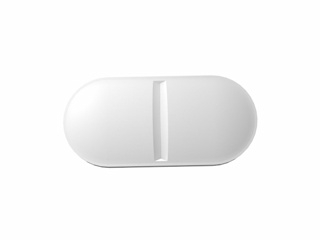
Calcium Carbonate is a widely used calcium supplement that helps treat and prevent calcium deficiency and supports bone health. In Australia, it is commonly available over the counter in a variety of brands and strengths, often as tablets, chewable tablets, or powders. Some products are also used to help relieve certain digestive symptoms, depending on the formulation.
This page provides clear, practical information about what calcium carbonate is, how it works, how to take it safely, and what to consider regarding food, alcohol, and other medicines.
Basic product information
| Category | Mineral supplement (Calcium) |
|---|---|
| Active ingredient | Calcium carbonate |
| Common strengths | Varies by brand (elemental calcium content may differ) |
| Typical forms | Tablets, chewable tablets, sachets/powders |
| Uses | Calcium supplementation, prevention/treatment of calcium deficiency, bone support; some formulations may also help with indigestion (antacid effect) |
| Note on “elemental calcium” | Labels may state the amount of calcium per dose as “elemental calcium.” This is the clinically relevant amount. |
How calcium carbonate works (mechanism of action)
Calcium carbonate is a source of calcium, an essential mineral used throughout the body for:
- Bone and teeth maintenance (calcium is a key component of bone)
- Muscle contraction
- Normal nerve signalling
- Normal blood clotting (calcium helps certain clotting steps)
When taken by mouth, calcium carbonate releases calcium in the stomach environment. In many digestive-health formulations, the carbonate component can also have a mild antacid effect by helping neutralise stomach acid (the extent depends on the product and dose).
Pharmacokinetics (how the body handles it)
Pharmacokinetics describes absorption, distribution, metabolism, and elimination.
Absorption
- Absorption occurs mainly in the small intestine.
- Absorption can be influenced by food and stomach acid. Calcium absorption often improves when taken with meals.
- One dose may have limited absorption. Taking the daily amount in smaller, divided doses may improve tolerability and uptake.
Distribution
- Calcium circulates in blood and is tightly regulated by hormones (e.g., parathyroid hormone and vitamin D).
- Some calcium is used for bone mineralisation; excess is handled by the kidneys.
Metabolism and elimination
- Calcium carbonate itself does not “metabolise” in the way many medicines do. Instead, calcium and carbonate are processed by normal body systems.
- Excess calcium is excreted primarily via the kidneys.
Practical implication: Hydration and kidney health matter. If you have kidney disease or a history of kidney stones, discuss with a healthcare professional before long-term calcium supplementation.
Typical uses in Australia
Calcium carbonate is commonly used for:
- Preventing and treating calcium deficiency (when dietary intake is inadequate)
- Supporting bone health, particularly when combined with adequate vitamin D and weight-bearing exercise
- Bone maintenance in people at risk of low bone mineral density
- Indigestion/heartburn relief for products marketed with antacid benefits (depending on ingredients and strength)
Important: If you’re taking calcium because of a diagnosed condition or for bone-health management, your dosing should be aligned with your overall treatment plan and vitamin D intake.
When to take Calcium Carbonate (timing)
How you time your dose can affect absorption and the likelihood of side effects.
- With food: Often preferred to improve absorption and reduce stomach discomfort.
- Split dosing: If your daily dose is higher, splitting into morning and evening doses may improve tolerability.
- Consistency: Take at the same times each day for easier routine and steadier mineral intake.
For antacid-type use: Follow the product label directions. Antacid effects are typically short-lived and may be used as needed, depending on formulation.
Food interactions and what to eat
Calcium carbonate absorption is generally better with meals, but food can also affect how well other medicines absorb. Consider the following:
- Iron supplements: Calcium can reduce iron absorption. Separate doses by at least 2 hours if possible.
- Levothyroxine (thyroid hormone): Calcium can interfere with absorption. Separate by at least 4 hours unless your clinician advises otherwise.
- Phytates/fibre-rich meals: Diets high in bran or legumes may reduce mineral absorption. Adequate spacing and dose splitting can help.
- High-oxalate foods: Foods like spinach and rhubarb may contribute to oxalate that can reduce calcium’s benefit for some individuals prone to kidney stones.
Because meal composition varies, the most reliable approach is to take calcium carbonate with or just after meals and to separate it from interacting medicines (see next sections).
Alcohol interactions
Moderate alcohol intake does not typically cause a direct chemical interaction with calcium carbonate. However, alcohol can indirectly influence calcium balance and safety in certain situations:
- Heavy alcohol use may contribute to reduced bone density and vitamin D deficiency over time.
- Dehydration from alcohol could be relevant for people prone to constipation or kidney stones.
- Alcohol may worsen indigestion/heartburn—and if you are using calcium carbonate as an antacid, you may find symptoms more difficult to manage with alcohol triggers.
Tip: If you drink alcohol, take your calcium with food and maintain hydration. If you have a history of kidney stones or ongoing digestive issues, ask a healthcare professional for personalised advice.
Medicine interactions (important)
Calcium carbonate can interact with some medicines by affecting absorption or calcium balance. Always review the labels and consider spacing doses.
Common interaction groups
- Levothyroxine: may be reduced absorption of thyroid medication. Separate by at least 4 hours.
- Tetracycline antibiotics (e.g., doxycycline, tetracycline) and quinolone antibiotics (e.g., ciprofloxacin, norfloxacin): calcium can bind these medicines in the gut. Separate by at least 2–6 hours depending on the specific antibiotic (follow label or pharmacist advice).
- Bisphosphonates (for osteoporosis): calcium can interfere with absorption. Often, bisphosphonates are taken on an empty stomach and calcium is scheduled later. Follow your regimen.
- Iron supplements and some zinc supplements: calcium may reduce absorption. Separate by about 2 hours.
- Some diuretics (e.g., thiazides) may increase calcium levels, raising the risk of hypercalcaemia in susceptible people.
- Certain osteoporosis or bone agents and vitamin D: usually beneficial together, but total dosing should be appropriate.
- Cholestyramine and some anti-seizure medicines may affect vitamin D/calcium handling; interactions vary.
General spacing strategy
When in doubt, a good practical approach is:
- Take calcium carbonate with meals.
- Schedule interacting medicines at a different time.
- If your healthcare professional has given specific instructions, follow those first.
Seek advice urgently if you start a new medicine and notice unusual symptoms (for example, severe constipation, confusion, or persistent nausea).
Indications: who might need calcium carbonate?
Calcium carbonate is generally indicated for people who require calcium supplementation. Common scenarios include:
- Low dietary calcium intake (e.g., low dairy consumption or inconsistent intake)
- Calcium deficiency risk, such as during certain life stages or reduced nutritional intake
- Support for bone health when part of a broader plan (often alongside vitamin D and lifestyle measures)
- Digestive relief for specific antacid formulations (follow the product’s directions)
Clinical caution: People with kidney impairment, kidney stones, or hyperparathyroidism should get tailored advice before taking calcium supplements regularly.
Dosing guidance (general information)
Dosing depends on the product’s elemental calcium content, your age, dietary intake, and whether calcium is being used to treat deficiency or for general supplementation.
Always check the label for the exact elemental calcium per dose and follow local directions. Below is general patient-friendly guidance.
Typical adult use
- Many calcium carbonate products provide 500–600 mg elemental calcium per tablet, though strengths vary.
- Common regimens involve 1–2 doses per day, often with meals. Your pharmacist or clinician may recommend different amounts depending on your needs.
Split dosing
- If your daily requirement is more than one tablet, taking them at different times (e.g., morning and evening) can improve comfort and absorption.
Paediatric use
Children’s dosing depends on age and the product formulation. If calcium carbonate is being used for a child, check with a pharmacist for the correct dosing and formulation.
Do not exceed recommended intake
- Excess calcium can cause side effects such as constipation and can increase risk of kidney stones in susceptible individuals.
- If you are also taking vitamin D, ensure the combined approach stays within recommended limits.
If you are unsure which dose is right for you, use the label instructions and consult your pharmacist, especially if you have medical conditions or take other medicines.
Safety profile and side effects
Calcium carbonate is generally well tolerated when taken at recommended doses. However, side effects can occur, particularly with higher doses.
Common side effects
- Constipation
- Gas or bloating
- Nausea
- Stomach discomfort
Less common concerns
- Kidney stones (risk may be higher in people predisposed to stones)
- High calcium levels (hypercalcaemia), particularly with excessive dosing or certain medical conditions
Seek urgent medical help if
- Severe or persistent vomiting
- Confusion or unusual drowsiness
- Severe abdominal pain
- Signs of severe dehydration
- Symptoms of kidney problems (such as severe flank pain)
Special populations: If you have kidney disease, a history of kidney stones, or conditions affecting calcium regulation (e.g., hyperparathyroidism), talk to a pharmacist before use.
Practical use tips (make it easier to take)
- Start low if you’re sensitive: If you get constipation, consider taking the dose with more water and splitting tablets.
- Hydration helps: Drink water regularly, especially if you are prone to constipation.
- Watch your total intake: Count calcium from both supplements and diet (milk, yoghurt, cheese, fortified drinks).
- Use with meals: Often improves absorption and reduces stomach upset.
- Separate interacting medicines: Follow spacing guidance—especially with thyroid medicines and antibiotics.
- Keep track: If you start taking calcium for a specific reason, note when you started and any side effects to discuss with a pharmacist.
Alternative options to calcium carbonate
Depending on your needs, you may consider alternative calcium supplements. Availability varies by pharmacy and brand.
Common alternatives
- Calcium citrate: often preferred by people who have sensitivity with calcium carbonate or need flexibility with meal timing (absorption may be less dependent on stomach acid).
- Calcium lactate or calcium gluconate: used in some formulations.
- Calcium + vitamin D products: helpful if vitamin D intake is low, but check doses to avoid excessive totals.
Choosing the right option: If you frequently experience constipation or indigestion, ask a pharmacist whether calcium citrate or a different formulation may suit you better.
Market and legal context in Australia
In Australia, calcium carbonate products are typically supplied as over-the-counter mineral supplements and are regulated through the Australian regulatory framework. Product claims, packaging, and labelling must comply with applicable requirements, including directions for use and safety information.
Because formulations can differ (including antacid-style products versus pure supplements), it’s important to:
- Read the active ingredient and elemental calcium amount per dose
- Follow the directions on the label
- Be mindful of other ingredients (for example, some products include additional minerals or digestive ingredients)
Recent guidance and best practice (general): Current consumer and clinical best practice emphasises adequate calcium and vitamin D intake, appropriate dosing (often split doses if needed), and avoiding excessive supplementation—especially in people with kidney concerns. Always check product-specific advice and consult a pharmacist for personal recommendations.
Delivery and availability (online pharmacy)
Calcium carbonate is commonly available through online pharmacies in Australia in various forms and strengths. Delivery times depend on your location and the pharmacy’s courier service.
When ordering online, you can usually filter by:
- Form (tablet, chewable, powder)
- Elemental calcium content
- Pack size and value options
Packaging and storage: Keep tablets in their original packaging and store in a cool, dry place away from moisture. Close the container tightly if it’s provided with desiccant/inner seal.
FAQ – Common questions about Calcium Carbonate
1) What is elemental calcium?
Elemental calcium is the amount of calcium available for the body to use. Calcium carbonate tablets may list both the compound amount and the elemental calcium content. Always dose based on the label’s elemental calcium figure.
2) Can I take calcium carbonate with food?
Yes—often it is best taken with meals. Food can support absorption and reduce stomach discomfort.
3) If I miss a dose, what should I do?
Take it when you remember unless it’s close to your next dose. If you are near the next scheduled dose, skip the missed one and continue your routine. Do not double up.
4) How long does it take to work?
Calcium is absorbed and supports ongoing bone and mineral processes. If you’re taking it for deficiency prevention, benefits build gradually. If you were advised to correct a deficiency, your clinician may monitor levels over time.
5) Will calcium carbonate interact with my other supplements?
It can. Calcium may reduce absorption of some minerals and certain medicines (like iron or thyroid medication). Check labels and consider spacing. If you take multiple supplements, ask a pharmacist for a simple schedule.
6) Can calcium carbonate cause constipation?
Yes. Constipation is one of the more common side effects. Staying hydrated, ensuring adequate fibre intake, and splitting doses can help.
7) Is calcium carbonate safe for everyone?
Most adults tolerate it when taken as directed. However, people with kidney impairment or a history of kidney stones should seek individual advice before long-term use.
8) Does alcohol affect calcium carbonate?
Usually, moderate alcohol does not have a direct interaction. Still, alcohol may indirectly affect hydration, digestion, and bone health—especially with heavy or frequent intake.
9) Can I take it together with antibiotics or thyroid medicine?
Separation is often needed. Calcium can bind certain antibiotics and interfere with thyroid medication absorption. A pharmacist can recommend the correct timing based on your specific medicine.
10) Are there alternatives if I can’t tolerate calcium carbonate?
Yes. Alternatives such as calcium citrate may be better tolerated for some people. Discuss options with a pharmacist, especially if constipation or stomach upset occurs.
Summary
Calcium carbonate is a common calcium supplement used to support bone health and help prevent or treat low calcium intake. For many people, taking it with meals, splitting higher daily doses, and separating it from interacting medicines can improve safety and effectiveness. If you have kidney problems, a history of kidney stones, or complex medication schedules, seek personalised advice before starting or continuing long-term supplementation.
Always read the product label and follow the directions provided. If symptoms persist or you experience concerning side effects, consult a healthcare professional.