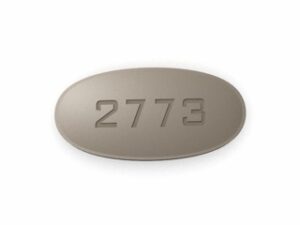
Atacand (Candesartan) – Patient Information (Australia)
Atacand is a brand of candesartan, a medicine used to manage certain cardiovascular conditions such as high blood pressure and heart failure. This guide is designed to help you understand how Atacand works, how it’s typically taken, common precautions, and what to expect in everyday use.
Always follow the directions provided with your medicine. If you have questions about suitability, side effects, or interactions, speak with a pharmacist or doctor.
At a Glance
- Active ingredient: Candesartan
- Medicine class: Angiotensin II receptor blocker (ARB)
- Common uses: High blood pressure (hypertension), heart failure
- How it works: Helps relax blood vessels and supports better blood flow
- Typical dosing frequency: Usually once daily
- Key precautions: May affect kidney function and potassium levels; avoid in pregnancy
Basic Product Information
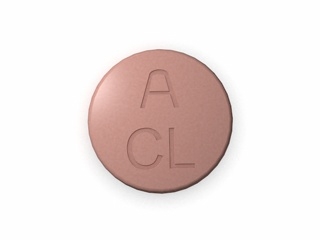
Atacand contains candesartan cilexetil (converted in the body to candesartan). It is available in different strengths depending on local packaging. Your pharmacy label will indicate the exact strength of your tablets.
| Feature | Details |
|---|---|
| Brand name | Atacand |
| Generic name | Candesartan |
| Drug type | ARB (angiotensin II receptor blocker) |
| Typical dosing | Often once daily |
| Common forms | Oral tablets (strength varies) |
| Storage | Store at room temperature; protect from moisture/heat (follow label) |
What Is the Mechanism of Action?
Candesartan belongs to a group called angiotensin II receptor blockers (ARBs). It works by blocking the action of angiotensin II, a hormone that:
- narrows blood vessels (raising blood pressure)
- encourages fluid and salt retention in the body
- can contribute to stress on the heart and blood vessels
By blocking angiotensin II at its receptor, candesartan helps blood vessels relax and improves the body’s regulation of blood pressure and fluid balance. This can reduce workload on the heart and help lower cardiovascular risk.
Pharmacokinetics (How the Body Handles Atacand)
Understanding pharmacokinetics can help you understand why dosing is usually simple and predictable. Key points include:
- Absorption: Candesartan is absorbed after oral administration.
- Conversion: The tablet form (candesartan cilexetil) is converted in the body to active candesartan.
- Onset and peak effect: Blood levels rise after dosing, with peak effects typically occurring within several hours.
- Duration of action: The effect lasts long enough for once-daily dosing in many people.
- Elimination: Candesartan is cleared through a combination of renal (kidney) and non-renal pathways.
- Half-life: It has a relatively long half-life, supporting stable daily dosing.
Your clinician may adjust dose based on your kidney function, blood pressure response, and potassium levels.
Typical Use in Australia
Atacand (candesartan) is commonly used for:
- Hypertension (high blood pressure): Helps lower blood pressure and reduce risk of stroke, heart attack, and kidney complications.
- Heart failure: Often used to improve symptoms and reduce the chance of hospitalisation for certain heart failure types, especially when patients have reduced left ventricular function and are unable to tolerate alternative therapies.
- Other cardiovascular indications: Depending on individual clinical circumstances and guideline recommendations, ARBs may be used as part of comprehensive care.
In real-world practice, your treatment may also include other medicines (for example, diuretics, beta-blockers, or lipid-lowering agents) depending on your condition.
When Should You Take Atacand? (Timing Tips)
Most people take Atacand once daily, at the same time each day to keep blood levels steady. You can take it with or without food in most cases.
- Consistency matters: Choose a time that you can maintain daily.
- Missed dose: If you forget a dose, take it when you remember on the same day. If it’s close to the next dose, skip the missed dose and resume your regular schedule. Do not double up.
- Establishing effect: Blood pressure improvements may be seen within days, but the full effect may take several weeks. Heart failure improvements may also develop over time.
Food Interactions
Atacand can generally be taken with or without food. Food typically does not require special timing adjustments for most patients.
However, if you notice stomach upset or feel unwell after taking your dose, consider:
- taking it at a different time of day
- taking it with food (if it suits you)
- discussing changes with a pharmacist
Alcohol and Medicine Interactions
Alcohol may increase the chance of dizziness or light-headedness, particularly when starting treatment or when your dose changes. Keep your alcohol intake moderate and be cautious when standing up quickly.
Also consider that alcohol may worsen dehydration and affect blood pressure control. If you drink regularly or plan to drink more than usual, ask a pharmacist how it may affect you personally.
Important medicine interaction themes
Candesartan has several potential interaction “themes” that can affect kidney function, potassium levels, or blood pressure. Always tell your pharmacist about all medicines and supplements you use.
- Potassium level–raising medicines: Examples can include potassium supplements or potassium-containing salt substitutes. ARBs can raise potassium, which may be dangerous in some people.
- Diuretics (especially potassium-sparing types): Some diuretics can increase potassium. Your doctor may monitor electrolytes and kidney function.
- NSAIDs (pain medicines): Regular or high-dose anti-inflammatory medicines (such as ibuprofen, naproxen, or diclofenac) can affect kidney function and may reduce blood pressure benefit in some situations, particularly when combined with RAAS medicines like ARBs.
- Other blood pressure medicines: Combining medicines that lower blood pressure can increase the chance of low blood pressure (dizziness, fainting).
- Medicines affecting kidney function: Any medicine that changes kidney function may require monitoring when used alongside Atacand.
Do not start or stop any medicine without checking first, especially if you’re taking NSAIDs frequently, potassium supplements, or additional blood pressure agents.
Indications (When Atacand Is Used)
Atacand is indicated for:
- Hypertension: Treatment of high blood pressure.
- Heart failure: Management of heart failure in appropriate patients, commonly in those with reduced ejection fraction as determined by clinical assessment.
Your prescriber considers your overall health, kidney function, blood pressure, symptoms, and existing medications to decide if Atacand is appropriate and what dose is suitable.
Dosing (Typical Adult Use)
Dosing varies based on the condition being treated, blood pressure response, and kidney function. Always follow the dose on your medicine label.
General guidance (adult patterns):
- Hypertension: Often started at a low dose and adjusted gradually based on blood pressure readings.
- Heart failure: Typically started at a low dose, then increased as tolerated with monitoring.
Because individual needs differ, it’s not appropriate to provide exact dosing instructions for every person here. Your clinician may adjust dose if you have:
- reduced kidney function
- low blood pressure
- dehydration (for example, after vomiting/diarrhoea)
- high potassium levels
Monitoring that may be recommended
- Blood pressure: especially during the first weeks after starting or changing dose
- Kidney function: blood tests for creatinine/eGFR may be checked
- Potassium: ARBs can increase potassium
How to Take Atacand – Practical Use Tips
- Take consistently: Choose a daily time and stick with it.
- Hydration: If you’re unwell with vomiting or diarrhoea, consider contacting your pharmacist/doctor for advice. Dehydration can increase the risk of kidney problems with RAAS medicines.
- Don’t skip long-term: For hypertension and heart failure, benefit builds over time.
- Record your blood pressure: If you’ve been asked to monitor at home, keep a log to help your clinician adjust treatment.
- Be aware of dizziness: Especially after starting treatment or dose changes—avoid sudden standing until you know how you respond.
- Keep tablets dry: Store in the original container and keep away from moisture.
Safety Profile and Side Effects
Like all medicines, Atacand can cause side effects. Many people experience no problems, while others may have mild effects that resolve. Contact a healthcare professional promptly if you experience severe symptoms.
Common side effects
- Dizziness or light-headedness
- Low blood pressure symptoms (especially after starting or increasing dose)
- Headache
- Fatigue
Less common but important effects
- High potassium (hyperkalaemia): may cause weakness, tingling, or abnormal heart rhythm (sometimes none of these occur—blood tests are important).
- Kidney function changes: especially in people with dehydration, kidney artery narrowing, or existing kidney disease. Monitoring blood tests can help detect issues early.
- Allergic-type reactions: swelling of face/lips, rash, or breathing difficulties require urgent medical attention. While ARBs are less likely to cause cough than some other RAAS medicines, any unusual respiratory symptoms should be assessed.
When to seek urgent help
- swelling of the face, lips, tongue, or throat
- trouble breathing
- fainting or severe dizziness
- chest pain, severe weakness, or signs of abnormal heartbeat
Special precautions
- Pregnancy: Atacand is not recommended during pregnancy. If pregnancy is planned or suspected, seek medical advice urgently to discuss safer options.
- Breastfeeding: Discuss with a clinician if breastfeeding, as suitability depends on individual risk/benefit.
- Renal artery stenosis: People with narrowing of kidney arteries may be more sensitive to changes in kidney function.
- Diuretics and dehydration: Higher risk of low blood pressure or kidney changes if fluid intake is low or if vomiting/diarrhoea occurs.
- Diabetes or kidney disease: More frequent monitoring of potassium and kidney function may be needed.
Alternative Options (Other Medicines for Similar Conditions)
Depending on your condition and medical history, prescribers may consider different classes of medicines. These might include:
- ACE inhibitors (another RAAS pathway option, such as perindopril, enalapril, lisinopril): may cause cough in some people and are not suitable for everyone.
- Other ARBs: such as losartan or valsartan (choice depends on response, tolerability, and available formulations).
- Calcium channel blockers (e.g., amlodipine): commonly used for blood pressure control.
- Diuretics (e.g., hydrochlorothiazide or indapamide, or loop diuretics such as furosemide): often used for fluid control or blood pressure.
- Beta-blockers and other heart failure medicines: may be added based on guideline-based treatment plans.
If you’re considering switching, don’t change therapy on your own. ARBs and related medicines require careful dose transitions and monitoring.
Recent Guidance and Clinical Context (Australia)
In Australia, treatment choices for hypertension and heart failure are guided by established national and international evidence-based recommendations. Clinicians generally consider:
- blood pressure targets and overall cardiovascular risk
- presence of kidney disease or diabetes
- symptoms and severity of heart failure
- drug interactions and monitoring needs
In recent years, key themes across guidance include:
- using RAAS medicines (ACE inhibitors or ARBs) appropriately where recommended
- ensuring electrolyte and kidney function monitoring after initiation or dose changes
- avoiding dual RAAS blockade (for example, combining an ACE inhibitor and an ARB) unless specifically indicated and monitored
- prioritising safer medication plans for people at risk of dehydration (including “sick day” considerations)
Local pharmacy teams can help you understand recommended monitoring intervals and how to interpret typical lab follow-up.
Delivery and Availability (Australia)
Atacand availability can vary by strength and tablet type. Many Australian online pharmacies can deliver within standard delivery timeframes once stock is confirmed. Availability may change due to manufacturing schedules, demand, and supplier logistics.
- Check stock: Strengths may differ in availability.
- Delivery timeframes: Typically depend on your location and courier service.
- Packaging: Medicines are supplied in secure pharmacy packaging with appropriate labels.
- Temperature considerations: Store tablets as directed; routine shipping is designed to keep medicines within stable conditions.
If you require a specific strength or a repeat supply, contacting customer support helps confirm dispatch timelines.
Market and Legal Context in Australia
In Australia, medicines such as Atacand are regulated and supplied through the Australian healthcare system. Availability online is subject to Australian laws, pharmacy practice standards, and medication scheduling requirements.
A reputable pharmacy platform will generally provide:
- clear information on product strengths and expiry/quality checks
- safe dispensing and appropriate patient counselling where required
- options for delivery to eligible addresses
If you have concerns about authenticity, packaging, or product labelling, contact the pharmacy directly. Only purchase medicines from reputable suppliers with established Australian pharmacy credentials.
FAQ
1) Is Atacand the same as candesartan?
Atacand is a brand name that contains candesartan (candesartan cilexetil). Many products may also be available as generics, depending on what your pharmacy supplies.
2) How quickly will it lower my blood pressure?
Some blood pressure reduction may be noticed within days, but the full effect often takes several weeks. Your clinician may adjust dose based on readings and tolerability.
3) Can I take Atacand with food?
Yes. Atacand can usually be taken with or without food. Take it the way you find easiest to remember.
4) What should I do if I miss a dose?
Take it when you remember unless it’s close to the next dose. If it’s nearly time for the next dose, skip the missed one. Do not take two doses together.
5) Does Atacand cause a cough like some other blood pressure medicines?
Atacand (an ARB) is less likely to cause cough than ACE inhibitors. However, any persistent cough or breathing symptoms should be discussed with a clinician.
6) Can I drink alcohol while taking Atacand?
Moderate alcohol is sometimes acceptable, but alcohol can increase dizziness or lower blood pressure. If you feel light-headed, avoid alcohol and discuss with your pharmacist or doctor.
7) What medicines should I be careful with?
Be cautious with medicines that can raise potassium or affect kidney function, including potassium supplements, potassium-containing salt substitutes, frequent NSAID use, and some diuretics. Always review your full medication list with a pharmacist.
8) Why do I need blood tests after starting Atacand?
Atacand can affect kidney function and potassium levels. Blood tests help your healthcare team ensure the medicine remains safe and effective for you.
9) Who should not take Atacand?
It’s generally not recommended during pregnancy. Additional precautions may apply if you have certain kidney conditions, history of high potassium, or significant low blood pressure. Your healthcare professional can advise based on your medical history.
10) Are there lifestyle steps that can help alongside Atacand?
Yes. For hypertension and heart failure, supportive steps often include:
- following a heart-healthy diet
- limiting excess salt (as advised)
- maintaining a healthy weight
- staying active as recommended
- avoiding smoking
- keeping follow-up appointments for monitoring
Important: This information is general and not a substitute for advice from a qualified healthcare professional. If you have symptoms such as swelling, fainting, severe dizziness, or signs of an allergic reaction, seek urgent medical assistance.