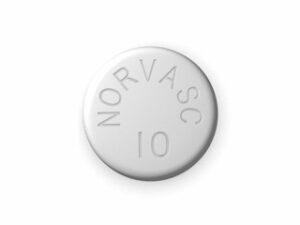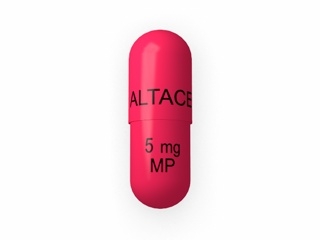
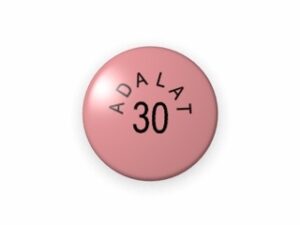
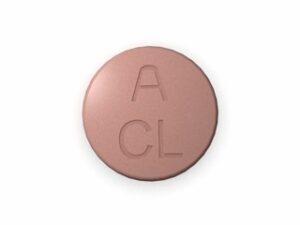
Altace (Ramipril) — Patient-Friendly Medicines Information (Australia)
Altace is a brand of ramipril, a medicine used to treat certain heart and blood pressure conditions. This guide is designed to help you understand what Altace is, how it works, how it’s typically taken, what to watch for, and common safety considerations. It’s written for an Australian audience and includes practical tips for everyday use.
Quick Facts
- Active ingredient: Ramipril
- Medicine class: ACE inhibitor (Angiotensin Converting Enzyme inhibitor)
- Common uses: High blood pressure, heart failure, and to reduce cardiovascular risk in appropriate patients
- How it’s usually taken: Often once daily (some patients may use different schedules as directed)
- Key side effects to know: Cough, dizziness, low blood pressure, changes in kidney function, high potassium
- Important safety note: Not suitable in pregnancy (and requires careful avoidance of certain drug combinations)
Basic Product Information
| Feature | Information |
|---|---|
| Brand | Altace |
| Generic name | Ramipril |
| Drug type | ACE inhibitor |
| How it helps | Reduces blood vessel tightening and lowers cardiovascular strain |
| Common dosing pattern | Often once daily; dose may be increased gradually |
| Formulations | Oral tablets (strengths vary by product) |
How Altace Works (Mechanism of Action)
Ramipril belongs to a group of medicines called ACE inhibitors. In the body, ACE (angiotensin converting enzyme) helps produce angiotensin II, a substance that narrows blood vessels and contributes to higher blood pressure.
Altace works by blocking ACE, which results in:
- Wider blood vessels (lowering blood pressure)
- Reduced workload on the heart (helpful in heart failure)
- Lower risk of harmful cardiovascular events in suitable patients (such as heart attack or stroke)
- Changes in hormones that may influence fluid balance and the kidneys (important for kidney monitoring)
A known reason some people experience a dry, persistent cough with ACE inhibitors is related to increased levels of certain substances in the airways.
Pharmacokinetics (How the Body Handles Ramipril)
Understanding pharmacokinetics can help explain timing and why monitoring matters.
- Absorption: Ramipril is absorbed after oral intake. Food can influence the rate of absorption in some cases, though overall effect is often acceptable.
- Activation (conversion): Ramipril is converted in the body to its active form, which contributes to its blood pressure and cardiovascular effects.
- Onset and duration: Effects are typically noticeable within the first day, with full benefit developing over time. Many people experience symptom and pressure improvement after consistent daily use.
- Elimination: The drug and its metabolites are largely cleared by the kidneys. This is why kidney function tests (e.g. creatinine/eGFR) may be monitored.
- Monitoring relevance: ACE inhibitors can change kidney handling of fluids and electrolytes, particularly potassium. This makes lab monitoring important in early treatment and during dose adjustments.
Typical Uses of Altace in Australia
Altace is used for a range of cardiovascular conditions. Your suitability depends on your medical history, current tests (blood pressure, kidney function, potassium), and overall risk profile.
Common indications include:
- Hypertension (high blood pressure): Helps lower blood pressure and reduce strain on the heart and vessels.
- Heart failure: Can help manage symptoms and improve outcomes in appropriate patients.
- After a heart attack or in high-risk cardiovascular disease: May help reduce the risk of major cardiovascular events when indicated by clinical guidelines.
- Kidney protection in selected patients: Some patients with diabetes and kidney disease may be considered for ACE inhibitor therapy to reduce progression risk, depending on individual circumstances.
When to Take Altace (Timing and How to Use It)
Many people take ramipril once daily. Consistency is important to achieve steady control.
- Choose a time you can stick to: Morning or evening—pick what best fits your routine.
- Try to take at the same time each day: Helps maintain more even drug levels.
- With or without food: Altace can generally be taken either way; however, some people prefer taking it consistently with food to reduce stomach discomfort or nausea.
- Do not double up: If you miss a dose, take it when you remember unless it’s close to the next dose. Do not take two doses to make up for a missed one.
Food Interactions
Food effects are usually manageable, but consistency can reduce day-to-day variation.
- General guidance: Take Altace at the same time relative to meals each day if possible.
- Grapefruit and similar products: No specific, widely applied grapefruit restriction is typically associated with ramipril. However, always check the medicines you take and any product-specific advice from your pharmacist.
- Salt intake: Large changes in dietary salt can affect blood pressure. Follow the advice of your healthcare professional. Do not start extreme salt restriction suddenly.
Alcohol Interactions
Alcohol can increase the chance of side effects such as dizziness and low blood pressure, especially when starting treatment or after dose changes. If you drink alcohol, consider:
- Start cautiously: Avoid binge drinking.
- Be mindful when standing: Dizziness is more likely if you combine alcohol with ramipril.
- Hydration matters: Dehydration can worsen dizziness and affect kidney function.
Medicine Interactions (Important Drug-Drug Considerations)
Some medicines can interact with ramipril, affecting blood pressure, kidney function, potassium levels, or bleeding risk. Always tell your healthcare team about all medicines you use, including over-the-counter products and supplements.
Particularly important interaction categories
- Potassium supplements and potassium-sparing diuretics: Examples may include spironolactone or eplerenone. These can increase potassium levels when combined with ACE inhibitors.
- Diuretics (“water tablets”): Can enhance blood pressure lowering and increase risk of low blood pressure, particularly when starting.
- NSAIDs (non-steroidal anti-inflammatory drugs): Examples include ibuprofen and naproxen. Regular or high-dose NSAID use with ACE inhibitors may increase risk of kidney problems and may reduce blood pressure effect.
- Other blood pressure medicines: Combined therapy can be appropriate, but may increase risk of dizziness or low blood pressure.
- Medicines affecting the renin-angiotensin system: Combining ACE inhibitors with certain alternatives (for example, some ARBs or aliskiren in particular contexts) is often not recommended due to increased risk of kidney issues and high potassium.
- Lithium: ACE inhibitors may increase lithium levels. Close monitoring may be required if used together.
- Diabetes medicines: Ramipril can influence blood sugar control in some patients; monitor for signs of low or high blood sugar as appropriate.
If you’re unsure about an interaction, consult your pharmacist. This is especially important for “as-needed” pain relief (such as frequent NSAID use), herbal products, and salt substitutes.
Dose Information (What’s Typical)
Dosage is individualized based on the condition being treated, blood pressure response, kidney function, and potassium levels. Below is general guidance about how dosing often starts and changes; your personal dose may differ.
Typical dosing approach
- Starting dose: Often begins at a lower dose, especially if you’re older, have kidney impairment, have dehydration risk, or have a history of low blood pressure.
- Titration: The dose may be increased gradually at intervals to reach the desired response.
- Once-daily regimen: Many patients take it once per day, but the exact schedule may vary.
Your healthcare professional may also adjust dosing after blood tests. If you experience dizziness, fainting, or significant side effects, dosing may need review.
Safety Profile: Side Effects and What to Do
Like all medicines, Altace can cause side effects. Many people tolerate it well, but it’s important to know what’s normal and what requires prompt medical attention.
Common or well-known side effects
- Dry, persistent cough (common with ACE inhibitors)
- Dizziness, especially when standing (possible low blood pressure)
- Headache
- Fatigue
- Nausea or stomach discomfort
Serious or urgent symptoms
Seek urgent medical help if you experience any of the following:
- Signs of angioedema: Swelling of the face, lips, tongue, or throat; difficulty breathing or swallowing
- Fainting or severe dizziness
- Severe allergic reaction (including rash with breathing trouble)
- Symptoms of very high potassium or kidney problems: unusual muscle weakness, slow heartbeat, or marked changes in urination
Kidney function and potassium — why monitoring matters
ACE inhibitors can affect kidney blood flow, especially at the start of therapy or after dose changes. They can also raise potassium. Your clinician may order blood tests to monitor:
- Creatinine/eGFR (kidney function)
- Potassium
- Sodium and other electrolytes
Practical Use Tips (Getting the Best Results)
- Stand up slowly: If dizziness occurs, rise gradually from sitting or lying positions.
- Hydrate appropriately: Dehydration can make blood pressure too low and may affect kidney function. Follow individual advice, especially if you have heart failure.
- Keep track of home blood pressure: If your clinician recommends it, monitoring helps assess effectiveness and timing.
- Don’t use salt substitutes freely: Many contain potassium. Ask a pharmacist if you’re considering them.
- Report persistent cough: A dry cough can occur. Many times it’s manageable, but if it bothers you, discuss options.
- Be cautious with “cold and flu” products: Some contain NSAIDs, decongestants, or extra salt. Check labels.
Alternative Options
Depending on your condition and medical history, clinicians may consider other treatments. Alternatives can include:
Common alternatives for blood pressure and cardiovascular protection
- ARBs (Angiotensin Receptor Blockers): Often considered if an ACE inhibitor cough is troublesome (choice depends on your situation).
- Calcium channel blockers: Used for blood pressure control.
- Thiazide-like or other diuretics: Help reduce fluid volume and lower blood pressure.
- Beta blockers: Sometimes used in heart conditions, particularly for specific indications.
- Other heart failure therapies: May include agents such as mineralocorticoid receptor antagonists, SGLT2 inhibitors, or other guideline-based medicines depending on your profile.
If you’re changing therapies, dose changes should be guided by a clinician to avoid blood pressure spikes or gaps in protection.
Market and Legal Context for Australia (Availability and Use)
In Australia, medicines like Altace are regulated through the Australian Register of Therapeutic Goods (ARTG) and dispensed according to requirements under Australian medicines legislation. In practice, many cardiovascular medicines are supplied through pharmacies and require appropriate assessment before starting therapy.
Supply and use are guided by:
- Prescribing and clinical review requirements: Suitable patients, dosing, and monitoring are determined by healthcare professionals.
- Pharmacist counselling: Pharmacies can provide guidance on administration, interactions, and safety monitoring.
- Ongoing safety monitoring: Kidney function and potassium checks may be needed, particularly early in treatment or when doses change.
Recent Guidance and Safety Updates (What to Consider)
Guidance for ACE inhibitors can evolve as new evidence becomes available. Key points often reinforced in recent clinical practice include:
- Monitoring kidney function and potassium: Especially after initiation or dose adjustment.
- Avoiding harmful combinations: Many combinations that affect the renin-angiotensin system or potassium levels are discouraged.
- Pregnancy risk awareness: ACE inhibitors are contraindicated in pregnancy due to harm to the developing foetus. Effective contraception and early review are important for people of childbearing potential.
- Recognising angioedema symptoms: Early recognition and emergency response can be critical.
For the most current information, your pharmacist or doctor can refer to the latest product information and clinical guidelines.
Delivery and Availability (How Online Pharmacies Work)
Altace availability can vary by pharmacy and stock levels. When you order online, supply is typically subject to product availability and your location across Australia.
- Delivery times: Depend on local dispatch schedules and courier service coverage.
- Packaging: Medicines are usually supplied in original packaging to maintain quality and identification.
- Stock substitutes: If a brand is temporarily unavailable, your pharmacy may contact you about alternatives (subject to Australian medicine supply rules and your clinician’s advice).
- Cold chain: Ramipril tablets are generally stored at room temperature; they do not typically require refrigeration.
Always confirm delivery details, fees, and expected dispatch time during checkout.
Storing Altace Safely
- Store tablets: At or below room temperature (follow label instructions).
- Keep in original packaging: Helps protect from moisture and supports correct identification.
- Keep out of reach: Store safely away from children.
- Check expiry: Do not use after the expiry date.
FAQ — Altace (Ramipril)
1) What is Altace used for?
Altace (ramipril) is used to treat high blood pressure, heart failure, and to help reduce risk of major cardiovascular events in selected patients, depending on individual health factors.
2) How fast will Altace start working?
Some blood pressure lowering may occur early after starting. However, the full clinical benefit (including cardiovascular risk reduction) develops over time with consistent daily use.
3) Can I take Altace with food?
Altace can generally be taken with or without food. Choose a consistent routine to make daily adherence easier and to reduce stomach upset.
4) What should I do if I miss a dose?
Take it when you remember unless it’s close to your next dose. Do not double up. If you’re unsure, ask your pharmacist for guidance based on your dosing schedule.
5) Will I get a cough?
Not everyone gets a cough, but it is a known ACE inhibitor side effect. The cough is often dry and persistent. If it becomes troublesome, contact your healthcare professional to discuss options.
6) Is Altace safe for people with kidney problems?
It can be used in some patients with kidney disease, but dosing and monitoring may need adjustment. Kidney function and potassium levels are important safety checks.
7) What medicines should I avoid?
Avoid or use caution with certain combinations, including potassium supplements and some diuretics that increase potassium, NSAIDs (especially regular/high-dose), and other renin-angiotensin system medicines. Always review your complete list of medicines with a pharmacist.
8) Can I drink alcohol while taking Altace?
Alcohol may increase the chance of dizziness or low blood pressure. If you drink, do so cautiously and avoid dehydration.
9) What are signs of an emergency?
Seek urgent medical help for swelling of the face/lips/tongue, difficulty breathing or swallowing, fainting, or severe allergic symptoms.
10) What are alternatives if I can’t tolerate ramipril?
Depending on why it’s not tolerated (for example, cough, blood pressure response, side effects), alternatives may include ARBs or other cardiovascular medicines. Your clinician can help choose the safest option for your condition.
11) Can I stop Altace suddenly?
Do not stop Altace without medical advice. Stopping ACE inhibitor therapy suddenly may worsen blood pressure control or increase cardiovascular risk.
When to Talk to Your Pharmacist or Doctor
Contact a healthcare professional if you experience:
- Persistent cough that affects daily life
- Ongoing dizziness, fainting, or symptoms suggesting very low blood pressure
- Any swelling of the face, lips, tongue, or throat
- Significant changes in urine output or unexpected fatigue/weakness
- Need to start new over-the-counter medicines (especially pain relief) or supplements
Note: This information is general and not a substitute for personalised medical advice. Your pharmacist can help you understand how Altace fits with your specific medicines and monitoring plan.