

Amoxil (Amoxicillin) – Patient-Friendly Medicine Information (Australia)
Amoxil is a brand of amoxicillin, a widely used antibiotic in Australia for treating certain bacterial infections. This page explains how Amoxil works, when it’s typically used, how it’s taken, possible side effects, important interactions, and practical tips to help you use your medicine safely and effectively.
Important: Antibiotics like amoxicillin treat bacterial infections. They do not work for viral illnesses such as colds or influenza. Always follow the instructions provided with your medicine and any guidance from your healthcare professional.
Basic Product Information
- Medicine name: Amoxil (amoxicillin)
- Medicine type: Antibiotic (penicillin-class; beta-lactam)
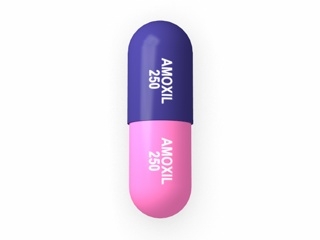
- Common strengths (examples): 250 mg, 500 mg (availability can vary by formulation)
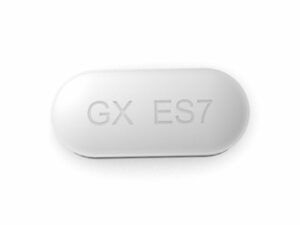
- Common forms: Capsules, tablets, and oral suspension (liquid) depending on product range
- Target organisms: Certain Gram-positive and Gram-negative bacteria (varies by infection type)
- Key note: Amoxicillin may be combined with other medicines (e.g., clavulanic acid) in some products for broader coverage—this page covers amoxicillin (Amoxil) specifically.
How Amoxil Works (Mechanism of Action)
Amoxicillin belongs to the penicillin family. It works by interfering with how bacteria build and maintain their protective cell wall.
Mechanism (simple explanation):
- Amoxicillin binds to bacterial proteins involved in constructing the cell wall.
- This weakens the bacterial cell wall.
- Bacteria can no longer grow and multiply effectively, leading to bacterial death or elimination.
Why this matters: Amoxicillin is effective when the infecting bacteria are susceptible to it. Using it for the wrong infection (for example, viral illness) can delay proper recovery and contribute to antibiotic resistance.
Pharmacokinetics (How the Body Processes Amoxicillin)
Pharmacokinetics explains what the body does to the medicine—absorption, distribution, metabolism, and elimination.
- Absorption: Amoxicillin is absorbed after oral dosing. It generally reaches effective levels in the bloodstream.
- Distribution: It can distribute into many body tissues and fluids, including areas relevant to common infections (e.g., respiratory tract, ear infections, and parts of the urinary tract).
- Metabolism: A portion is metabolised in the body, though most action remains active.
- Elimination: The medicine is mainly cleared through the kidneys via urine.
Kidney function matters: Because clearance is largely renal, dose adjustments may be needed for people with kidney impairment (your clinician can advise based on kidney function).
Typical Use in Australia
In practice, amoxicillin is used for a range of infections where it is considered suitable based on likely bacterial cause, local resistance patterns, and clinical assessment.
Common infection examples may include:
- Some ear, nose, and throat infections (e.g., certain cases of otitis media or bacterial sinusitis)
- Some throat infections (including confirmed or strongly suspected bacterial infections)
- Certain chest/respiratory infections where bacterial involvement is suspected
- Some skin and soft tissue infections
- Certain urinary tract infections (depending on organism and clinical situation)
Note on resistance: Not all bacteria are susceptible. If a prescribed antibiotic isn’t working, your clinician may re-evaluate diagnosis, consider culture results, or switch treatment.
Indications (When It’s Used)
“Indication” means the condition for which the medicine is used. Amoxil is indicated for treating bacterial infections caused by susceptible organisms.
Because the exact indication depends on the infection and local guidelines, the suitability of amoxicillin should be decided based on symptoms, examination, and—when relevant—test results.
Dosing: How Much and How Often
Only your healthcare professional can determine the correct dose and course length for you. Dosing depends on the infection type, severity, age, body weight, and kidney function.
General principles:
- Take the medicine at the scheduled times to maintain effective levels.
- Complete the full course unless instructed otherwise by your clinician.
- Do not change the dose or stop early just because you feel better.
Examples of dosing patterns (may vary):
- Adults: dosing schedules can be once or multiple times daily depending on product strength and intended regimen.
- Children: dosing is often based on weight and the severity of infection.
Very important: If you’re taking a liquid form (oral suspension), use the provided measuring device and measure carefully. If the bottle needs shaking, follow the label instructions.
Timing: When to Take Amoxil
To work well, antibiotics need consistent blood levels.
- Follow the dosing interval: If it’s prescribed , try to take it about 12 hours apart.
- Consistency helps: Choose times that are easy to remember.
- If you miss a dose:
- Take it as soon as you remember.
- If it’s close to the next dose, skip the missed dose.
- Do not take a double dose to make up for a missed one.
Food Interactions (Can You Take Amoxil With Food?)
Amoxicillin can generally be taken with or without food. Food may improve tolerance for some people and help reduce stomach upset.
- If you experience nausea or stomach discomfort, taking with food may help.
- Keep in mind that your stomach may respond differently from person to person.
Practical tip: Establish a routine—e.g., with breakfast and dinner—especially if the medicine is taken more than once per day.
Alcohol and Medicine Interactions
Alcohol: For most people, moderate alcohol intake may not directly “cancel out” amoxicillin. However, alcohol can worsen side effects such as dizziness, nausea, or dehydration, and it may also interfere with recovery from infection.
Recommendation: It’s generally best to avoid alcohol while you’re unwell and until you feel better, especially if you’re dealing with fever, vomiting, diarrhoea, or significant fatigue.
Medication interactions (key examples to discuss with a clinician or pharmacist):
- Warfarin (and other anticoagulants): Antibiotics may affect gut bacteria involved in vitamin K production, which can alter INR in some people. Monitoring may be needed.
- Allopurinol: In some cases, the combination of amoxicillin with allopurinol may increase the risk of skin rash.
- Oral typhoid vaccine: Some antibiotics may reduce the effectiveness of live vaccines. Vaccination plans should be discussed.
- Probenecid: This may affect kidney clearance of penicillin antibiotics, potentially altering amoxicillin levels.
Tell your healthcare team about all medicines and supplements you take, including over-the-counter products, vitamins, herbal remedies, and any recent vaccinations.
Safety Profile: Common and Serious Side Effects
Like all medicines, Amoxil (amoxicillin) can cause side effects. Many people experience mild, temporary effects, but some reactions can be serious.
Common side effects
- Diarrhoea (sometimes mild)
- Nausea
- Skin rash or mild itching
- Headache
Seek urgent medical attention if you have
- Signs of an allergic reaction:
- Swelling of the face, lips, tongue, or throat
- Difficulty breathing or wheezing
- Severe rash or widespread blistering
- Severe or persistent diarrhoea, especially if watery or bloody, or if it comes with fever or severe abdominal pain (this can be a sign of antibiotic-associated colitis)
- Yellowing of the skin/eyes, dark urine, or severe tiredness (possible liver-related reactions)
Allergy considerations
Do not take amoxicillin if you’ve had a serious penicillin allergy in the past. If you’ve had an allergy to penicillins or cephalosporins, speak with a pharmacist or clinician before use.
Practical Use Tips (How to Get the Best Outcome)
- Take it regularly: Use a phone reminder or set an alarm for each dose.
- Complete the course: Finishing treatment helps prevent relapse and reduces the chance of resistant bacteria surviving.
- Hydrate: Drink fluids to support recovery, especially if you have fever or diarrhoea.
- Monitor symptoms: If you’re not improving within a few days (or symptoms worsen), contact your healthcare team for reassessment.
- Storage: Store as directed on the label. Keep medicines out of reach of children.
- Liquid preparation: If using an oral suspension, shake well if instructed, measure carefully, and discard any remainder only when required by expiry or after reconstitution guidelines on the label.
Alternative Options (If Amoxil Isn’t Suitable)
Alternatives depend on the infection type, the likely bacteria, your allergy history, local resistance patterns, and any test results.
Possible alternative antibiotic options (examples) may include:
- Amoxicillin-clavulanate (amoxicillin with clavulanic acid) for certain infections where extra coverage is needed
- Cephalosporins in selected patients (only when appropriate and not contraindicated by allergy history)
- Macrolides (e.g., for some respiratory infections, especially if penicillin allergy is present)
- Doxycycline or other agents in selected cases (depending on organism and clinical scenario)
Non-antibiotic supportive care (e.g., pain relief, hydration, rest) may also be important depending on the illness. Your healthcare professional can recommend the best option based on your specific situation.
Market & Legal Context for Australia
In Australia, antibiotics are regulated medicines and are supplied under national frameworks that support safe prescribing and responsible antibiotic use. Guidance emphasises:
- Appropriate use: Antibiotics should be used only when bacterial infection is likely or confirmed.
- Stewardship: Reducing unnecessary antibiotic exposure helps limit antibiotic resistance.
- Safety monitoring: Patients should be screened for allergy history and interactions before treatment where possible.
- Consistency with guidelines: Prescribers consider local resistance patterns and evidence-based recommendations.
Recent guidance and stewardship trends: Australian practice increasingly focuses on delayed or targeted antibiotic strategies when appropriate, symptom review at set intervals, and minimising broad-spectrum antibiotic exposure unless indicated.
Recent Guidance (What to Expect in Current Australian Practice)
Across Australia, antibiotic guidelines for common infections generally emphasise:
- Using narrow-spectrum antibiotics when suitable (amoxicillin is often considered in appropriate bacterial scenarios).
- Reassessment if no improvement: Clinicians frequently review symptoms after a short time to confirm diagnosis and response.
- Shorter, right-sized courses: When appropriate, shorter durations may be used to balance effectiveness and side effects.
- Preventing complications: Proper treatment reduces the risk of untreated bacterial complications.
If your symptoms do not improve as expected, consult your healthcare team rather than extending treatment on your own.
Delivery and Availability (Online Pharmacy Considerations)
Availability of Amoxil may vary by strength and formulation (e.g., capsules vs oral suspension). When ordering online in Australia, typical expectations include:
- Stock availability: Some strengths or formulations may sell out more quickly than others.
- Delivery timeframes: Delivery speed varies based on location and courier service. Many online pharmacies provide estimated dispatch and delivery windows at checkout.
- Packaging: Medicines are usually delivered in protective packaging to reduce damage.
- Temperature and handling: Follow storage instructions on the label after delivery.
Advice: Check that the item you select matches the intended strength and form (tablet/capsule vs suspension) to ensure correct dosing.
FAQ (Frequently Asked Questions)
1. What is Amoxil used for?
Amoxil (amoxicillin) is used to treat certain bacterial infections where the bacteria are susceptible to amoxicillin. The exact condition and suitability depend on clinical assessment and local guidance.
2. How soon should I feel better?
Many people start to notice improvement within 2–3 days, depending on the infection. If you’re not improving after this time—or if symptoms worsen—seek medical advice.
3. Can I take Amoxil if I have a penicillin allergy?
If you have a history of serious penicillin allergy, you should not take amoxicillin unless a clinician specifically advises otherwise. Allergic reactions can be serious.
4. What should I do if I miss a dose?
Take it when you remember unless it’s almost time for the next dose. Skip the missed dose if close to the next scheduled dose. Do not take a double dose.
5. Can I take Amoxil with food?
Yes. Amoxil can generally be taken with or without food. Taking it with food may help if you experience stomach upset.
6. Is it okay to drink alcohol while taking Amoxil?
Alcohol is not known to directly “cancel” amoxicillin, but it can worsen side effects and delay recovery. It’s generally best to avoid alcohol while unwell.
7. Can I stop early once I feel better?
It’s important to complete the full course as directed. Stopping early can allow bacteria to persist and increase the chance of recurrence.
8. What if I get diarrhoea?
Mild diarrhoea can occur. However, seek urgent medical advice if diarrhoea is severe, persistent, or bloody, or if you have fever and significant abdominal pain.
9. Are there interactions with other medicines?
Yes, some medicines may interact with amoxicillin—particularly anticoagulants (e.g., warfarin), and certain medicines affecting kidney clearance or vaccine schedules. Always check with a pharmacist or clinician if you’re unsure.
10. Can children take Amoxil?
Amoxicillin is commonly used in children when appropriate, with dosing usually based on weight and infection severity. Use only the correct formulation and measurement instructions for the child’s prescribed dose.
Quick Reference Table
| Topic | Key Points |
|---|---|
| What it is | Amoxil (amoxicillin), a penicillin-class antibiotic |
| How it works | Helps stop bacteria building their cell wall |
| Typical uses | Certain bacterial ear, throat, respiratory, skin, and urinary infections (depends on susceptibility) |
| How to take | Follow scheduled dosing; with or without food; complete the course |
| Food effects | No major food interaction; food may reduce stomach upset |
| Alcohol | Best avoided while unwell; can worsen side effects and recovery |
| Important risks | Allergic reactions; severe/persistent diarrhoea; (rare) liver reactions |
| When to get help | Breathing difficulty, facial/throat swelling, severe rash, bloody diarrhoea, or no improvement |
| Kidney considerations | Clearance is mainly renal; dose may need adjustment in kidney impairment |
Final Notes
Amoxil (amoxicillin) can be an effective treatment for susceptible bacterial infections. Using it correctly—at the right times, with the correct dose and duration, and with attention to allergy history and interactions—helps you recover safely and supports responsible antibiotic use in Australia.
If you have questions about side effects, interactions, or whether your symptoms are likely to be bacterial, speak with a pharmacist or healthcare professional for personalised advice.