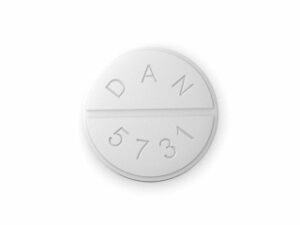

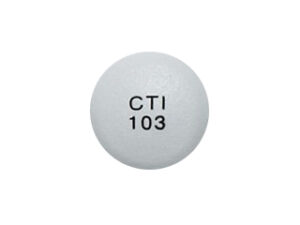
Cyclobenzaprine Hydrochloride (Cyclobenzaprine HCl) — Patient Information
Cyclobenzaprine hydrochloride (often shortened to cyclobenzaprine HCl) is a medicine used to help relieve pain and muscle spasms associated with acute, painful musculoskeletal conditions. It belongs to a group of medicines called centrally acting muscle relaxants.
This guide is designed to be patient-friendly and to help you understand how cyclobenzaprine works, how it’s typically used, common precautions, and what to expect while taking it.
Basic product information
| Information | Details |
|---|---|
| Generic name | Cyclobenzaprine hydrochloride |
| Medicine type | Centrally acting muscle relaxant |
| How it helps | Reduces muscle spasm and helps relieve associated discomfort |
| Common dosage forms | Tablets (strengths may vary by product/brand) |
| Typical treatment duration | Often short-term for acute conditions (exact duration depends on your clinician’s plan) |
| Australian availability | Availability can vary by brand and schedule; check product listing details |
What cyclobenzaprine is used for
Cyclobenzaprine is used to relieve symptoms of acute, painful musculoskeletal conditions, where muscle spasm contributes to pain. It is usually prescribed alongside other measures such as rest, physiotherapy, gentle stretching, or strengthening exercises.
Common examples include:
- Short-term back pain with muscle spasm
- Neck pain associated with muscle tightening
- Muscle sprains and strains
- Other acute musculoskeletal injuries where spasm is a significant feature
Cyclobenzaprine is most helpful when symptoms are new and related to muscle spasm. It is not intended as a cure for the underlying cause of pain and does not replace rehabilitation, movement, or appropriate pain management strategies.
How cyclobenzaprine works (mechanism of action)
Cyclobenzaprine acts primarily on the central nervous system (CNS). While the exact mechanism is complex, the key effect is that it reduces hyperactivity in muscle control pathways, which helps lessen muscle spasm and the associated pain.
Cyclobenzaprine is structurally similar to tricyclic antidepressants. Its central effects may involve modulation of neurotransmitter systems, leading to reduced muscle tone/spasm.
Pharmacokinetics (how your body handles it)
Pharmacokinetics describes what the body does to a medicine—absorption, distribution, metabolism, and elimination. Key points for cyclobenzaprine include:
- Absorption: Cyclobenzaprine is absorbed after oral dosing.
- Onset of effect: Many people feel symptom relief within a short period, though full benefit may take days.
- Metabolism: It is extensively metabolised in the liver.
- Elimination: The medicine and its metabolites are cleared mainly through the kidneys (via urine), following hepatic metabolism.
- Half-life (duration in the body): Cyclobenzaprine has a relatively long elimination half-life compared with some other muscle relaxants, which can support dosing schedules that are less frequent, but also increases the importance of caution with sedation and other side effects.
Because cyclobenzaprine is metabolised in the liver and cleared by the body over time, people with liver impairment may experience higher drug levels and a greater risk of adverse effects.
Indications and appropriate use
Cyclobenzaprine is indicated for short-term relief of muscle spasm associated with acute musculoskeletal conditions. It may be considered when muscle spasm contributes substantially to pain and movement restriction.
It’s particularly appropriate when symptoms include:
- Tightness/spasm that limits movement
- Acute pain linked to a musculoskeletal strain or sprain
- Discomfort that may improve with both medication and gentle movement
If symptoms persist, worsen, or are accompanied by concerning features (for example, numbness, weakness, fever, unexplained weight loss, or severe trauma), medical advice should be sought promptly.
Typical dosing and timing
Dosing depends on the individual, symptom severity, age, other medical conditions, and tolerability. In Australia, follow the dosing instructions on the packaging and any advice provided with your product.
General timing guidance (common practice):
- Start low / assess tolerance: Many people begin with a lower dose to reduce the risk of drowsiness.
- Take at consistent times: If used multiple times daily, space doses evenly.
- Consider bedtime dosing: Because cyclobenzaprine can cause sleepiness, taking a dose in the evening may help daytime function.
- Short-term use is typical: For acute conditions, the course is usually limited; reassess if symptoms continue.
If you miss a dose, take it when you remember unless it is close to the next scheduled dose. Do not take a double dose to compensate.
Practical tip for early treatment
For the first few doses, it’s helpful to plan for reduced alertness. If possible, avoid demanding activities until you know how the medicine affects you.
Food interactions
Cyclobenzaprine can generally be taken with or without food. However, food may influence comfort and tolerance. If you experience nausea or stomach discomfort, taking it with meals may help.
What to watch for:
- Gastrointestinal effects: Nausea or dry mouth may be more noticeable in some people.
- Absorption/timing: Food is not typically a major barrier, but consistent routine can help you remember dosing.
If you have specific dietary considerations (for example, due to diabetes or gastric conditions), consult a pharmacist for personalised advice.
Alcohol interactions and medicines to be cautious with
Alcohol
Avoid or minimise alcohol while taking cyclobenzaprine. Alcohol can increase the risk of drowsiness, dizziness, impaired reaction time, and sedation. This increases the chance of falls and accidents, and may impair driving or operating machinery.
Other medicines
Cyclobenzaprine can interact with other medicines—especially those that also affect the brain or cause sedation. Interactions may increase side effects such as sleepiness, confusion, or blood pressure changes.
Common categories to discuss with a pharmacist include:
- Sedatives and hypnotics (sleeping tablets)
- Opioid pain medicines
- Antihistamines that cause drowsiness (e.g., some allergy/cold medicines)
- Other muscle relaxants
- Medicines that affect serotonin (to help reduce the risk of serotonin-related effects)
- Medicines that affect heart rhythm (QT-prolonging medicines), depending on your health profile
Do not start new products without checking
Before adding new over-the-counter medicines (cold/flu preparations, sleep aids, or antihistamines), check ingredients for sedating components and confirm suitability with a pharmacist.
Safety profile and precautions
Cyclobenzaprine can cause side effects in some people. Many are dose-related and improve after adjusting the dose or time of day. The most important practical issue is sedation.
Common side effects
- Drowsiness or sleepiness
- Dizziness
- Dry mouth
- Fatigue
- Constipation
- Blurred vision (occasionally)
- Headache
Less common but serious warning signs
Seek urgent medical advice if you experience any of the following:
- Allergic reaction (swelling of face/lips, rash, difficulty breathing)
- Severe confusion, fainting, or marked drowsiness that is difficult to wake from
- Fast/irregular heartbeat, chest pain, or severe dizziness
- Symptoms of serotonin-related effects (agitation, tremor, fever, sweating, diarrhoea)—particularly if combined with certain medicines
- Urinary retention (difficulty passing urine), especially in those predisposed
Who should use extra caution
Discuss suitability with a healthcare professional if you have any of the following:
- Liver impairment: cyclobenzaprine is metabolised by the liver.
- Heart rhythm conditions or known issues with QT prolongation.
- Glaucoma or problems with increased eye pressure.
- Enlarged prostate or difficulty urinating.
- History of stroke or significant cardiovascular disease (individual risk varies).
- Older adults: sensitivity to medicines causing sedation may be higher.
Driving, machinery, and attention
Cyclobenzaprine may impair your ability to drive or operate machinery, particularly at the start of treatment. Until you know how the medicine affects you:
- Avoid driving
- Avoid hazardous tasks
- Be cautious when standing up to prevent dizziness
Pregnancy and breastfeeding
If you are pregnant, planning pregnancy, or breastfeeding, discuss cyclobenzaprine with a healthcare professional. The safest option depends on your condition and risk profile.
Practical use tips
- Take it at the right time: Many people prefer evening dosing if drowsiness occurs.
- Keep hydrated: Dry mouth is common; water and sugar-free oral products may help.
- Move gently: Light activity and stretching (within comfort limits) can support recovery. Medication may reduce spasm so you can move more comfortably.
- Plan for reduced alertness: Avoid alcohol and do not combine with other sedating products.
- Monitor side effects: If you feel overly sleepy, dizzy, or unsteady, discuss dose/timing adjustments.
- Reassess if not improving: If pain/spasm does not improve within a reasonable timeframe, seek advice.
Alternative options for muscle spasm and acute back/neck pain
Depending on your symptoms and medical history, alternatives may include different classes of pain relief and muscle spasm treatments. Your pharmacist or doctor can help you choose the most appropriate option.
Non-medicinal approaches
- Heat or ice therapy
- Physiotherapy, stretching, and strengthening exercises
- Posture and ergonomics adjustments
- Gradual activity rather than prolonged rest
Medication alternatives (examples to discuss)
- Paracetamol (acetaminophen) for pain relief
- Non-steroidal anti-inflammatory drugs (NSAIDs) such as ibuprofen or naproxen (if suitable for you)
- Other muscle relaxants (each with different sedative profiles and cautions)
The best approach often combines appropriate pain control with activity and rehabilitation rather than relying on muscle relaxants alone.
Market and legal context in Australia (general information)
Medicines in Australia are regulated through the Australian Register of Therapeutic Goods (ARTG) and dispensed according to their scheduling category. Cyclobenzaprine is subject to Australian scheduling rules and is only supplied in accordance with those requirements.
Online pharmacies in Australia must follow applicable laws and standards, including product authenticity checks, pharmacist review processes where required, and appropriate supply practices. Availability can vary by brand and form.
Always use medicines only as directed on the label or as advised by a qualified health professional.
Recent guidance and best-practice considerations
In recent years, clinical best-practice has increasingly emphasised:
- Short-term use for acute spasm when appropriate
- Minimising sedation risk, especially in older adults
- Screening for interaction risks (particularly with sedatives, alcohol, and medicines affecting the CNS)
- Combining medication with non-drug strategies such as physiotherapy and gentle movement
If you have concerns about safety—such as sleepiness, dizziness, falls risk, or interactions—speak with a pharmacist.
Delivery and availability
Cyclobenzaprine HCl may be available online as tablets under specific brand names and strengths. Availability can vary based on supply chains, scheduling requirements, and local stock levels.
Typical delivery information to expect:
- Delivery timeframes depend on your location within Australia.
- Orders are commonly processed during business hours.
- Cold-chain is generally not required for tablets.
- Packaging should include the correct expiry date and consumer medicines information (CMI) where applicable.
When you place an order, ensure the product strength and form match the instructions provided to you. If you are unsure, contact the pharmacy before use.
FAQ: Cyclobenzaprine HCl (patient questions)
1. How quickly will cyclobenzaprine start working?
Some people notice improvement soon after starting, while others may require a couple of days to see meaningful relief. If you do not feel any benefit after several days, or symptoms are worsening, seek advice.
2. Can I take cyclobenzaprine with food?
Usually yes. Taking it with food may improve comfort if it upsets your stomach. Follow the dosing instructions on the package for your specific product.
3. What if I feel too drowsy?
Drowsiness is a common side effect. Avoid alcohol and do not drive until you know how you respond. If sleepiness is severe or affects your daily activities, contact a pharmacist or healthcare professional for guidance.
4. Is cyclobenzaprine safe to take with alcohol?
It is strongly discouraged. Alcohol can increase sedation and dizziness, raising the risk of falls and accidents.
5. Can I take it with other pain medicines?
Many people use cyclobenzaprine alongside pain relief such as paracetamol or NSAIDs, but suitability depends on your health history and other medicines. Check with a pharmacist if you’re unsure, especially if you take multiple products.
6. How long can I take cyclobenzaprine?
Cyclobenzaprine is commonly used for short-term relief of acute spasm. If your symptoms persist beyond the expected short course, reassessment is recommended rather than continuing indefinitely.
7. Who should avoid cyclobenzaprine or use extra caution?
Extra caution is needed with certain heart conditions, liver impairment, glaucoma, urinary retention problems, and in older adults. Always check your suitability with a healthcare professional if you have any of these concerns.
8. What should I do if I miss a dose?
Take it when you remember unless it’s almost time for the next dose. Do not take a double dose. If you’re unsure, ask a pharmacist.
9. Can it cause withdrawal symptoms?
Cyclobenzaprine is generally used for short-term courses, and withdrawal is uncommon with appropriate use. If you stop suddenly after a longer period or have concerns, seek advice for a safe plan.
10. Does cyclobenzaprine treat the cause of pain?
It helps relieve muscle spasm and discomfort. It does not treat the underlying cause (such as injury, posture strain, or mechanical back/neck issues). Recovery often requires a combined approach including movement, rehabilitation, and pain management.
When to seek urgent medical help
Contact emergency services or seek urgent medical care if you have signs of a serious allergic reaction, severe chest pain, fainting, severe confusion, or significant irregular heartbeat. Also seek urgent advice for severe or unusual symptoms—especially soon after starting treatment.
Important: This information is general and may not cover every situation. Always read the consumer medicine information (CMI) provided with your product, and if you have questions about suitability, interactions, or side effects, speak with a pharmacist.